
 English
  Polski
  Deutsch
  Nederlands
  Svenska
  Norsk
Norsk  Dansk
Dansk  Français
  Italiano
  Español
  Português
  Slovenčina
  Suomi
Suomi  Gaeilge
 A Simple Trick for a Bigger Pepper Harvest and Faster Ripening
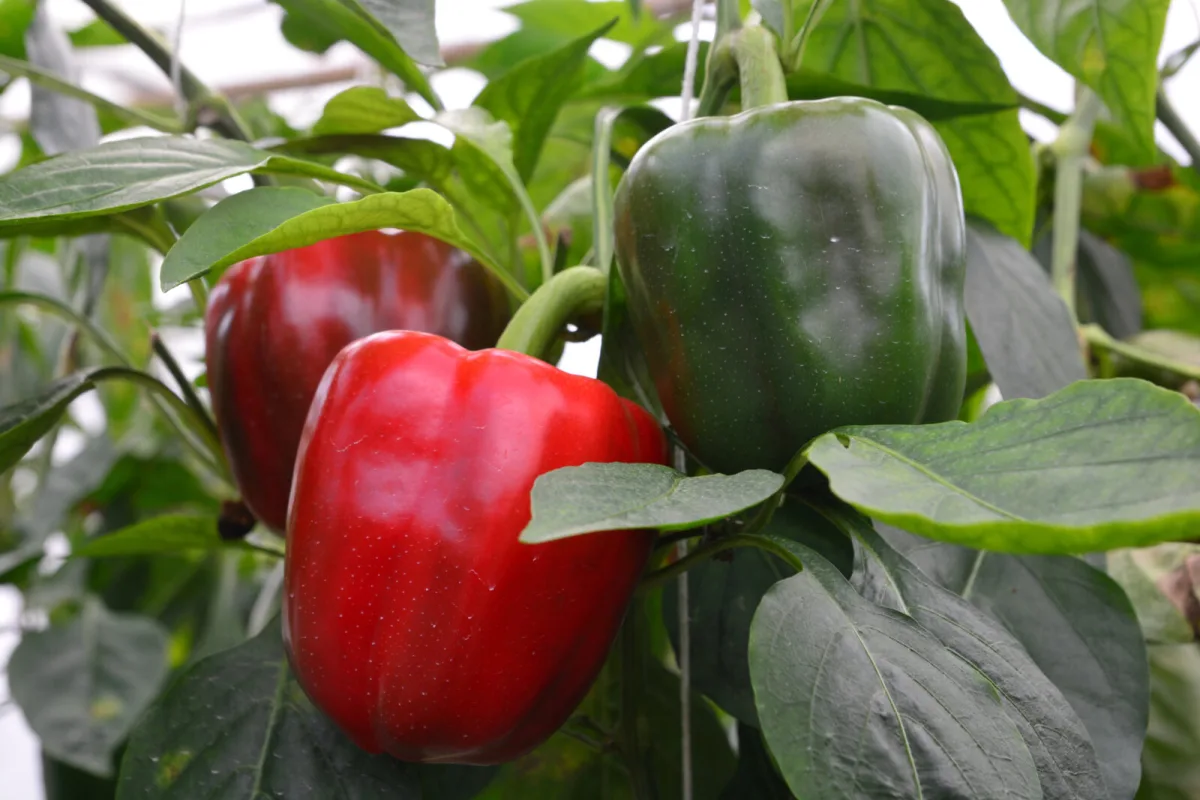
If you want your pepper plants to set lots of flowers and deliver a generous harvest, it’s not enough to just water and feed them regularly. Sometimes the plant puts too much energy into growing tall and producing leaf mass instead of channeling it into fruit. That’s where a simple growing technique used by experienced gardeners can help: pinching out the growing tips.
What pinching out means for peppers
Pinching out is the removal of the tip of the main stem or an overly vigorous shoot. This slows further upward growth and encourages the pepper plant to branch. The result is usually more side shoots, more flowers, and therefore more fruit. A similar technique is used on other crops too, but on peppers it can improve overall yield surprisingly well.
The benefits of pinching out
The main benefit is better branching, because newly formed side shoots produce additional flowers. The plant also stays more compact and stable, which is especially useful in a greenhouse where peppers can quickly become leggy. A more open canopy lets more light into the centre of the plant, so both leaves and developing fruit perform better. Another bonus is faster ripening, because energy isn’t being poured into endless vegetative growth but is redirected into the peppers already set.
When is the best time to do it
The first pinching is usually done when the plant has about 6 to 8 true leaves, or when the first flowers begin to appear. Waiting too long rarely pays off, because a tall pepper may already have wasted strength on height. Later on, you can repeat pinching, for example if a shoot grows excessively or you need to keep the plant’s height under control.
The correct pinching method step by step
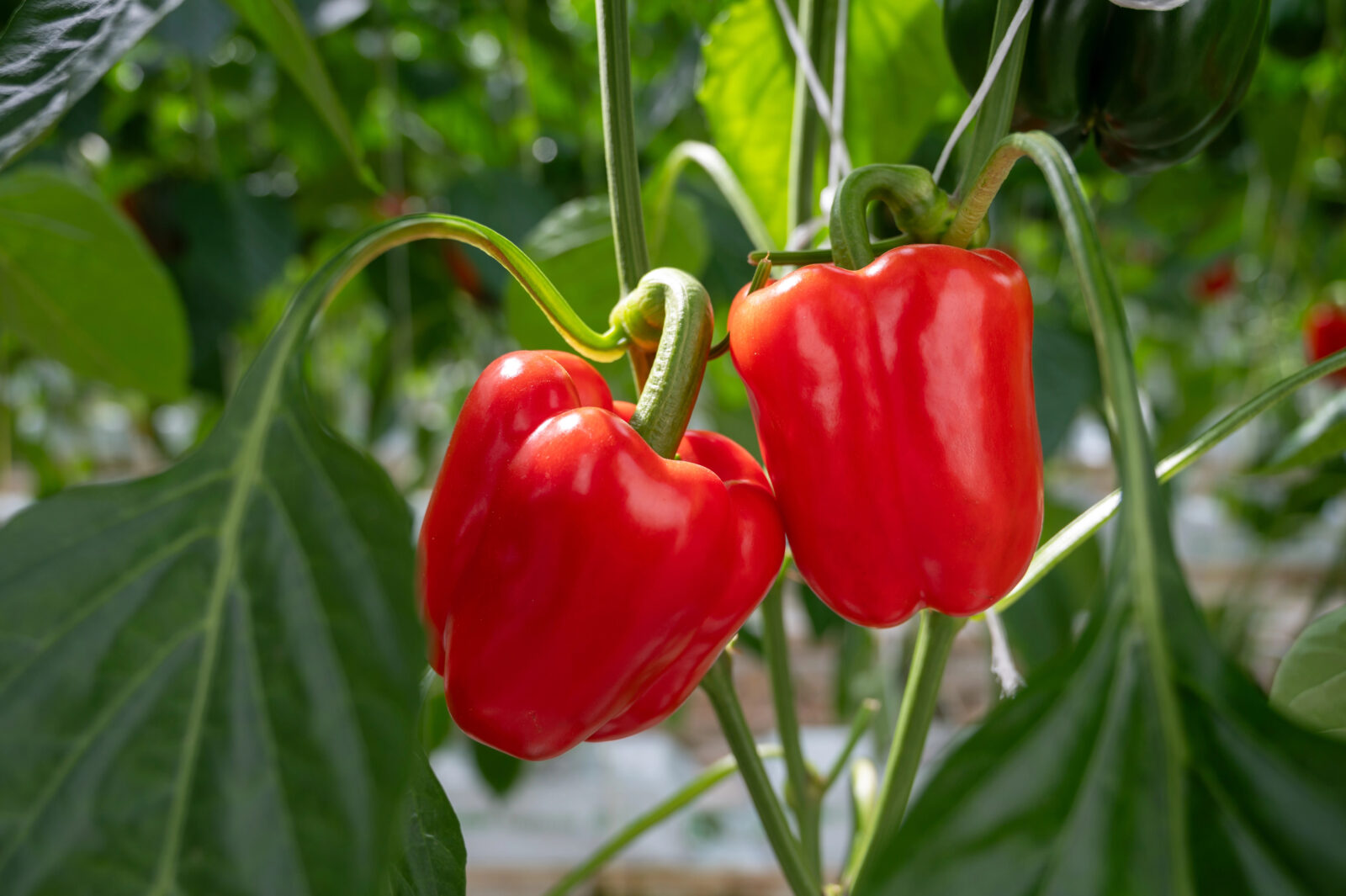
Gently snap off the growing tip between your fingers, or cleanly cut it with scissors just above a leaf node. On plants that are already flowering, you can sometimes remove the first flowers as well, so the pepper strengthens its root system first and develops sturdier branching. Bushy, compact varieties are usually pinched only once, while taller pepper types may need repeating through the season depending on growth.
What to watch out for after pinching
Frequent or overly harsh pinching can weaken peppers, especially if they are stressed by lack of water or nutrients. After pinching, keep watering even and fertilising moderate. Cleanliness matters too: pinch only with clean hands or disinfected scissors so diseases don’t enter the damaged tissue.
What you can expect at the end of the season
Pinching done at the right time and carried out gently is an easy way to help peppers set more fruit, often larger and tastier as well. If you give the plants good care after the cut, they will reward you with a steady harvest that can continue well into autumn.
Source: Gardening Know How, RHS, Pestrazahrada.cz

A lover of nature, gardens, and everything that moves, blooms, or grows. He literally grows everything, from herbs to rare species, and he enjoys caring for animals just as much. In his work, he connects modern technology with tried-and-tested grandmotherly methods and is happy when both paths lead to the same goal.
Related articles

How to Keep Your Pool Sparkling Clean Without Unnecessary Effort or Stress
Keeping pool water crystal clear doesn’t have to be hard work. With a simple daily-and-weekly routine, you’ll prevent cloudiness, algae and breakdowns before they start.

Fireflies are disappearing from the landscape, learn how to create a safe garden home
Warm summer nights are even more magical when fireflies start flashing at dusk—but their numbers are falling. With a few simple changes to mowing, planting, lighting and chemical use, your garden can become a safe refuge again.
Time to Protect Your Crop, Codling Moth Is Flying Again and Laying Eggs
Wormy apples in summer don’t have to be a given. As the second generation of codling moth takes flight, timely monitoring and well-timed treatment can protect a large share of the crop without spraying unnecessarily.
Comments (0)
Be the first to comment.