
 English
  Polski
  Deutsch
  Nederlands
  Svenska
  Norsk
Norsk  Dansk
Dansk  Français
  Italiano
  Español
  Português
  Slovenčina
  Suomi
Suomi  Gaeilge
 Want more raspberries Just add one cup at the roots and your canes will reward you with a bigger crop
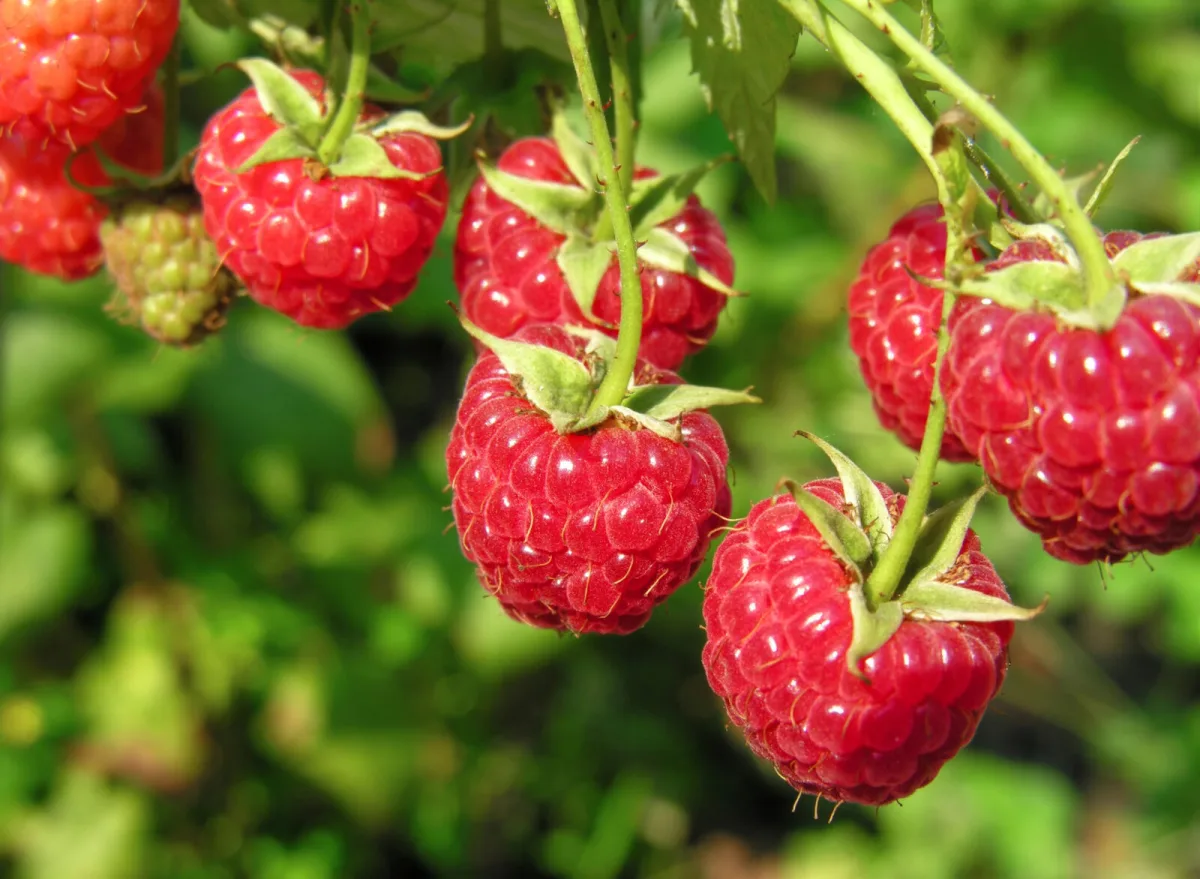
You’ll still have to wait a little while for the first sweet fruits, but the period before summer is what decides how many raspberries you’ll ultimately harvest. Right now it pays to focus on two things that have the biggest impact on yield: enough nutrients and the right soil reaction. When you give raspberries the conditions they like, they’ll reward you with strong canes, plenty of flowers and larger fruits.
Raspberries like acidic soil and that is the key to success
Raspberries are among the plants that naturally grow along woodland edges and in places with a higher proportion of organic matter. That brings us to their typical trait: they thrive in slightly acidic soil. If the soil is too alkaline or exhausted, plants will often survive, but fruiting is usually poorer and growth uneven.
Adjusting pH doesn’t have to mean shop-bought chemicals. Common organic materials work very well too, gradually improving the soil and nudging it towards the acidity raspberries appreciate.
Feed, yes, but carefully, raspberries are easy to overfeed
At the start of the season, raspberry plants need a supply of nutrients just like other fruiting shrubs. Many gardeners reach for nitrogen fertilisers because they drive growth. With raspberries, though, you need to keep it restrained. Too much nitrogen pushes leaves and canes at the expense of flowers, so instead of the crop you’re hoping for, you end up mainly with lush greenery.
Caution is also wise with homemade feeds. Nettle tea or chicken-manure ferments can be very strong, and if used too often or without enough dilution, they can easily stress raspberries. Overfed plants are also more prone to disease and pests, because the tissues are softer and less resilient.
Another issue may only show up later. If nitrogen extends growth too far into the season, the canes may not ripen off properly. As a result, they can cope worse with frost in winter and part of the planting may be unnecessarily damaged.
A mulch of grass clippings as an easy helping hand
A practical, gentle solution is mulching. Grass clippings break down gradually, add organic matter to the soil and help retain moisture. With mulch in place, less water evaporates, roots aren’t exposed to sharp temperature swings, and soil microorganisms have better conditions to do their work.
For raspberries, this approach is doubly useful because decomposing organic matter supports the kind of conditions that suit acid-loving shrubs. The key is not to lay the grass too thickly so it becomes a smothering layer, and not to let it collapse into an airless mat.
Coffee grounds as an at-home acidic helper
One of the most readily available treats you can give raspberries is coffee grounds. They have a mildly acidic character and also contain leftover organic compounds that act as a gentle boost in the soil. That makes them suitable for acid-loving plants, including raspberries.
The crucial part is preparing the grounds properly. Fresh, wet grounds mould easily, so it’s better to dry them first and store them somewhere dry. With raspberries, a common amount is about one cup of dried grounds per plant. If you leave them only on the surface, they can stay damp and go mouldy, which is not what you want in the bed.
How to use grounds directly in the soil
Scatter the dried grounds around the plant and lightly work them into the top layer of soil. A shallow incorporation is enough, so the material doesn’t sit on the surface and start to spoil. Then water the area to get decomposition going.
Coffee watering for a gentler application
Another option is to use the grounds as part of a watering can feed. Add one cup of dried grounds to a watering can with about 10 litres of water, leave the mixture to steep overnight, and the next day water at the roots. This is typically repeated about once every two weeks from spring to mid-summer, roughly from April to July.
What to take into this season
If you want to get the most from your raspberries, focus on a slightly acidic environment, consistent moisture and moderate feeding. Organic materials like grass clippings or coffee grounds improve soil gradually and more safely than strong nitrogen fertilisers. If you don’t overdo nutrition and you use grounds correctly, your raspberry canes will be more vigorous, flower better and give you a noticeably heavier harvest in summer.
Source: Gardener’s World, GrowVeg, To je nápad, Pestrazahrada.cz

A lover of nature, gardens, and everything that moves, blooms, or grows. He literally grows everything, from herbs to rare species, and he enjoys caring for animals just as much. In his work, he connects modern technology with tried-and-tested grandmotherly methods and is happy when both paths lead to the same goal.
Related articles
How to Keep Your Pool Sparkling Clean Without Unnecessary Effort or Stress
Keeping pool water crystal clear doesn’t have to be hard work. With a simple daily-and-weekly routine, you’ll prevent cloudiness, algae and breakdowns before they start.
A Simple Trick for a Bigger Pepper Harvest and Faster Ripening
Regular watering and feeding aren’t always enough for a heavy pepper crop. Pinching out the growing tips redirects the plant’s energy into branching, flowering, and ripening fruit faster.

Fireflies are disappearing from the landscape, learn how to create a safe garden home
Warm summer nights are even more magical when fireflies start flashing at dusk—but their numbers are falling. With a few simple changes to mowing, planting, lighting and chemical use, your garden can become a safe refuge again.
Comments (0)
Be the first to comment.