
 English
  Polski
  Deutsch
  Nederlands
  Svenska
  Norsk
Norsk  Dansk
Dansk  Français
  Italiano
  Español
  Português
  Slovenčina
  Suomi
Suomi  Gaeilge
 A simple post-planting step for tomatoes that boosts yields and keeps plants strong all season
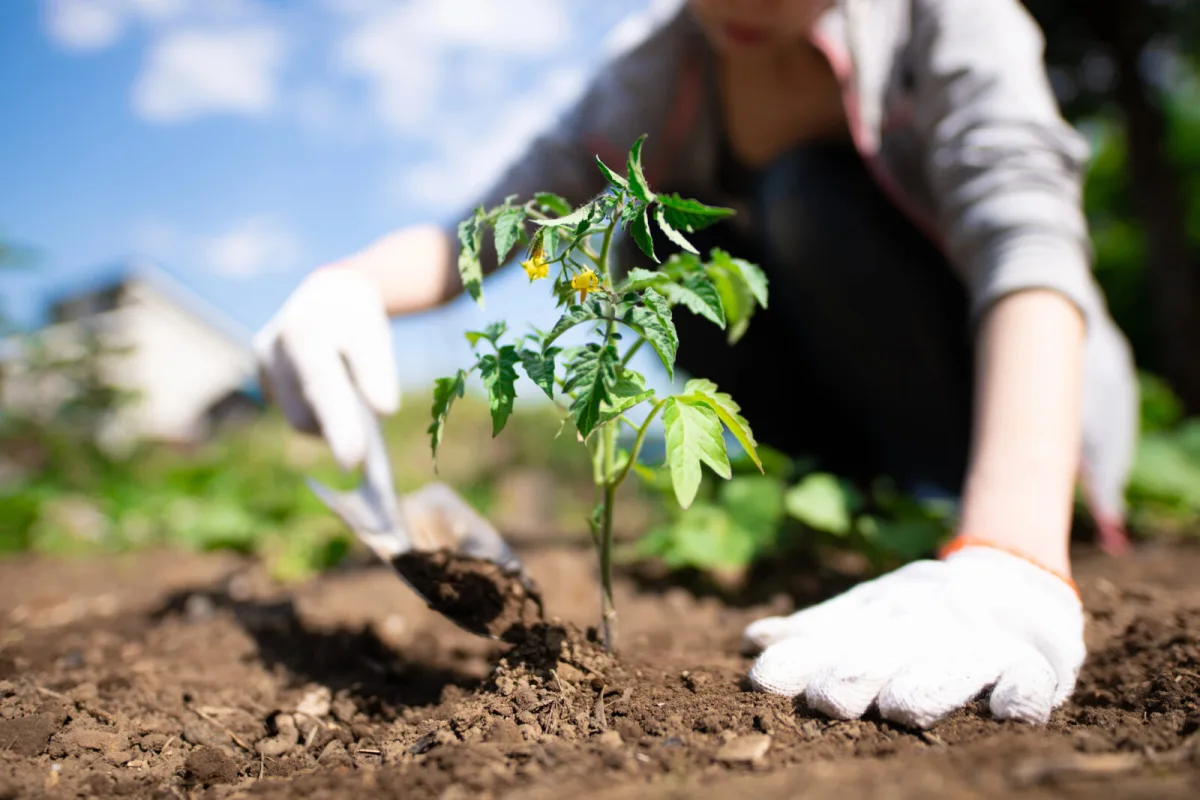
Growing tomatoes can often feel like a complicated discipline, but some steps are surprisingly simple and still make a big difference. One of the most effective tricks is to step in right at the beginning, shortly after transplanting seedlings into a greenhouse or out into the bed. It’s not about fancy products or special equipment, but about getting the timing right on a routine task many growers underestimate.
If you do it early enough, the plant gets established faster, builds a stronger framework, and directs energy where you need it most. The payoff usually shows during the season, because plants look healthier and set more flowers and fruit. This little detail often decides whether you harvest just a few tomatoes or bring home baskets full.
What tomatoes really need after transplanting
Once seedlings are in their final spot, there’s a period when they need to root in well without being pushed into unnecessary effort above ground. The goal is to encourage a strong root system while keeping the top growth balanced, so the plant is stable, doesn’t turn into needless density, and can support the crop to come.
At this stage it pays to think ahead. Tomatoes can produce lots of shoots and leaves that look useful at first glance, but in reality they often drain the plant’s strength. When energy gets scattered into excess greenery, there’s less left for flowers and, later, fruit. That’s why it makes sense to guide the plant from the start.
The most effective method is regular removal of side shoots
The simplest and very effective practice is to regularly pinch out side shoots before they thicken. These shoots grow in the leaf axils and quickly make the whole plant too crowded. If you let them grow, the plant wastes energy, airflow worsens, moisture lingers, and later it becomes harder to keep the crop healthy and easy to manage.
The point isn’t to weaken the tomato—quite the opposite. Removing small shoots in time helps the plant concentrate its strength into the main stem, the roots, and flower production. As a result, plants are usually sturdier and yields more reliable, because energy isn’t spent on parts that aren’t essential to the main crop.
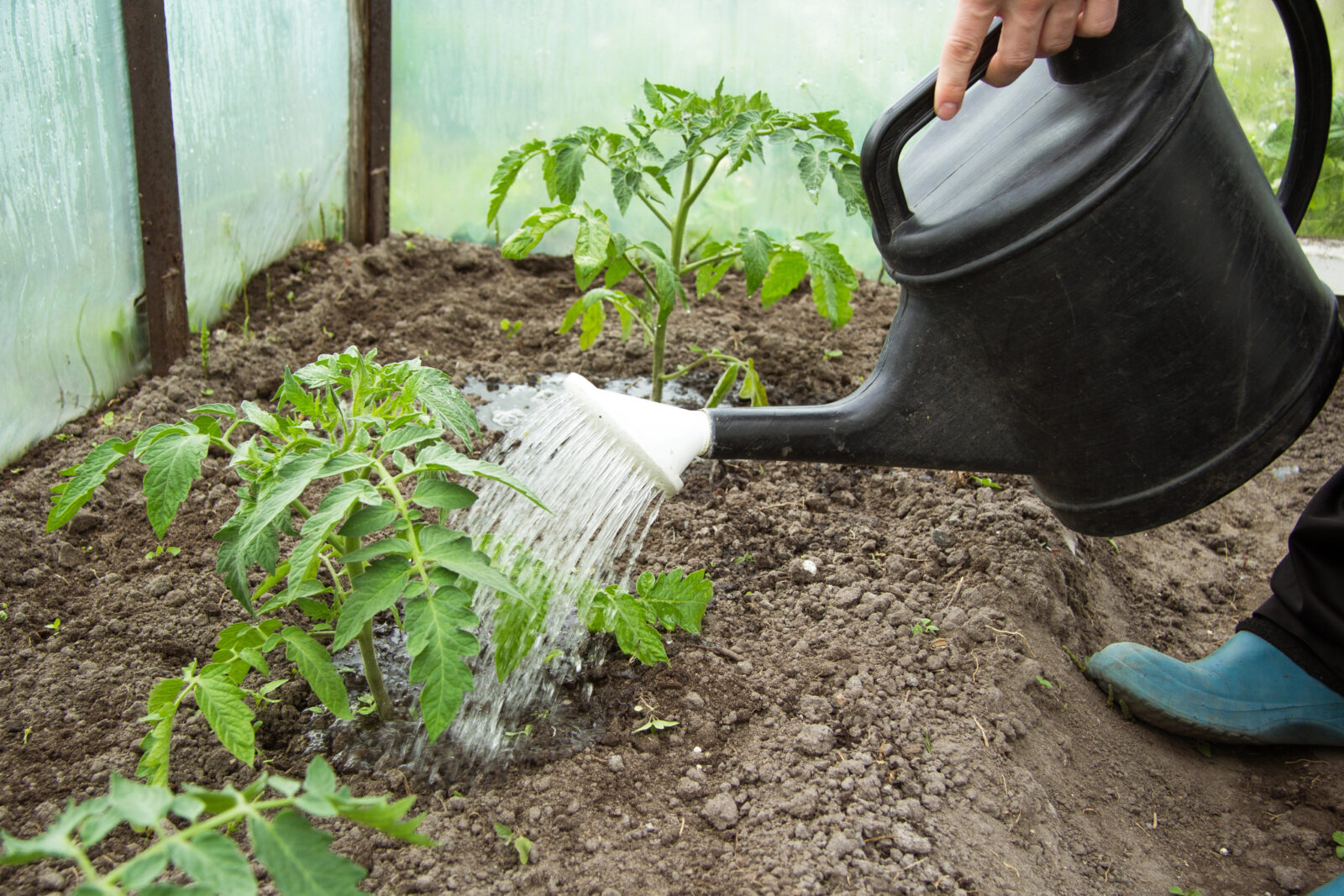
Why it matters to remove shoots while they’re small
The basic rule is simple: the smaller the shoot you remove, the better. A young shoot snaps out easily with your fingers and the wound is tiny. But if you let it grow, it thickens, becomes woody, and removing it is a bigger shock for the plant. In that case there’s a higher risk of damaging the main stem, and a larger wound through which infection can enter.
Regularly pinching out small shoots keeps tomatoes airy, easy to manage, and more focused on fruit than on excessive bushiness.
Focus on the lower part of the plant and leaves near the soil
Another important detail concerns the very bottom leaves. Once the plant has plenty of foliage higher up, the lowest leaves closest to the soil usually don’t provide much benefit. Instead, they can become a problem—especially if they touch the ground or hang just above it. This zone tends to stay damp, water condenses on leaves, and conditions develop for blight and other diseases.
Removing the lowest leaves improves airflow and reduces the risk of disease spreading not only on one plant but throughout the greenhouse or bed. It’s a simple step that also makes watering easier, because water goes to the roots instead of sitting unnecessarily on the leaves.
How to tell the method is working
A well-managed tomato plant is sturdier, less prone to snapping, and easier to tie in. It doesn’t look like an impenetrable jungle, but a healthy plant with a clear structure. With good airflow, disease pressure drops and the plant has more space and strength to set flowers. Over time you’ll notice more even flowering and more consistent fruit set.
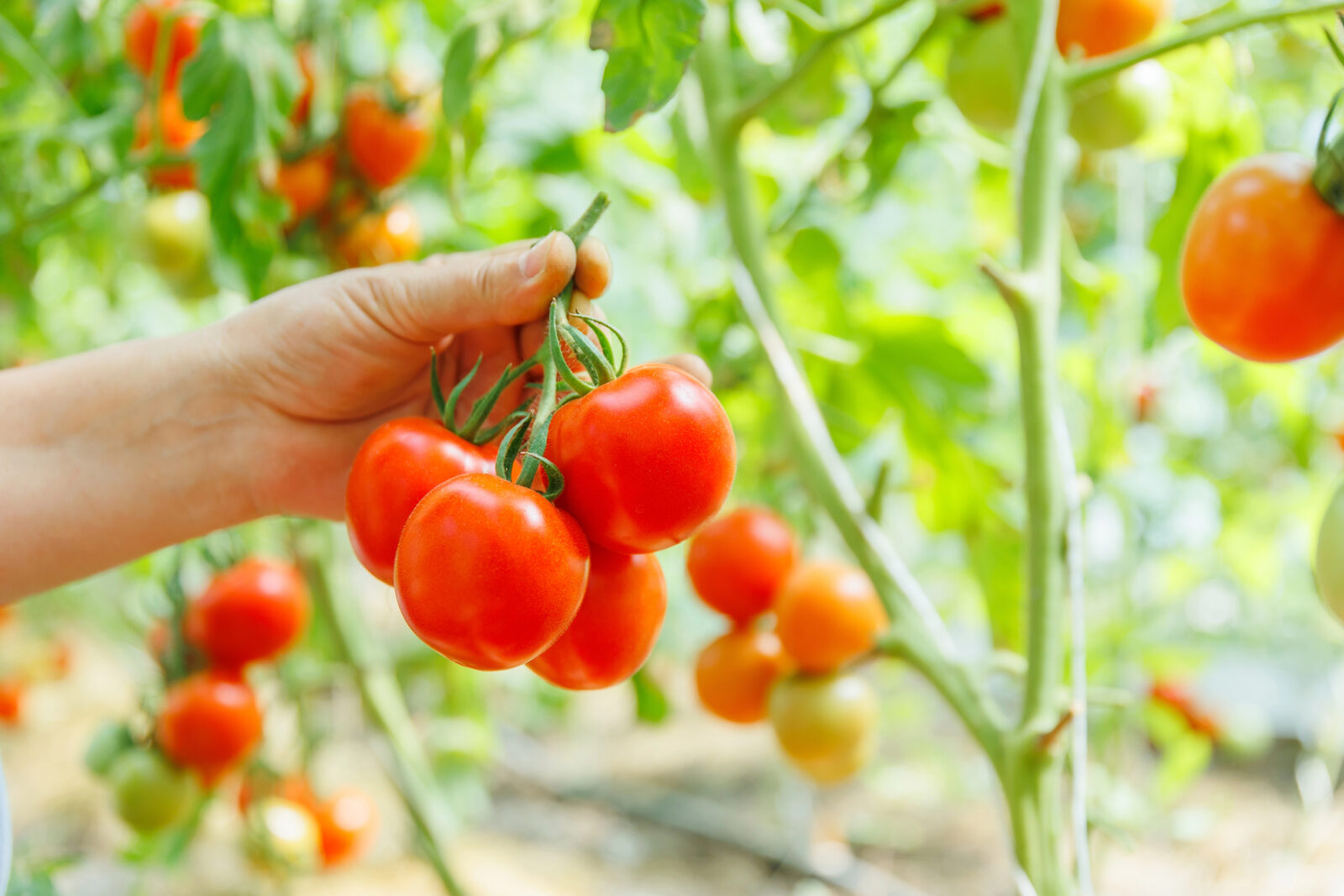
This isn’t a one-off miracle, but a routine that works precisely because it’s simple and easy to keep up with. If you start right after planting, you give tomatoes a clear direction and a strong chance of rewarding you with a heavier crop throughout the season.
Source: Gardening Know How, To je nápad, Pestrá zahrada, Pestrazahrada.cz

A lover of nature, gardens, and everything that moves, blooms, or grows. He literally grows everything, from herbs to rare species, and he enjoys caring for animals just as much. In his work, he connects modern technology with tried-and-tested grandmotherly methods and is happy when both paths lead to the same goal.
Related articles

How to Keep Your Pool Sparkling Clean Without Unnecessary Effort or Stress
Keeping pool water crystal clear doesn’t have to be hard work. With a simple daily-and-weekly routine, you’ll prevent cloudiness, algae and breakdowns before they start.
A Simple Trick for a Bigger Pepper Harvest and Faster Ripening
Regular watering and feeding aren’t always enough for a heavy pepper crop. Pinching out the growing tips redirects the plant’s energy into branching, flowering, and ripening fruit faster.
Fireflies are disappearing from the landscape, learn how to create a safe garden home
Warm summer nights are even more magical when fireflies start flashing at dusk—but their numbers are falling. With a few simple changes to mowing, planting, lighting and chemical use, your garden can become a safe refuge again.
Comments (0)
Be the first to comment.