
 English
  Polski
  Deutsch
  Nederlands
  Svenska
  Norsk
Norsk  Dansk
Dansk  Français
  Italiano
  Español
  Português
  Slovenčina
  Suomi
Suomi  Gaeilge
 What You Can Still Plant in June and Still Get a Harvest and Masses of Flowers
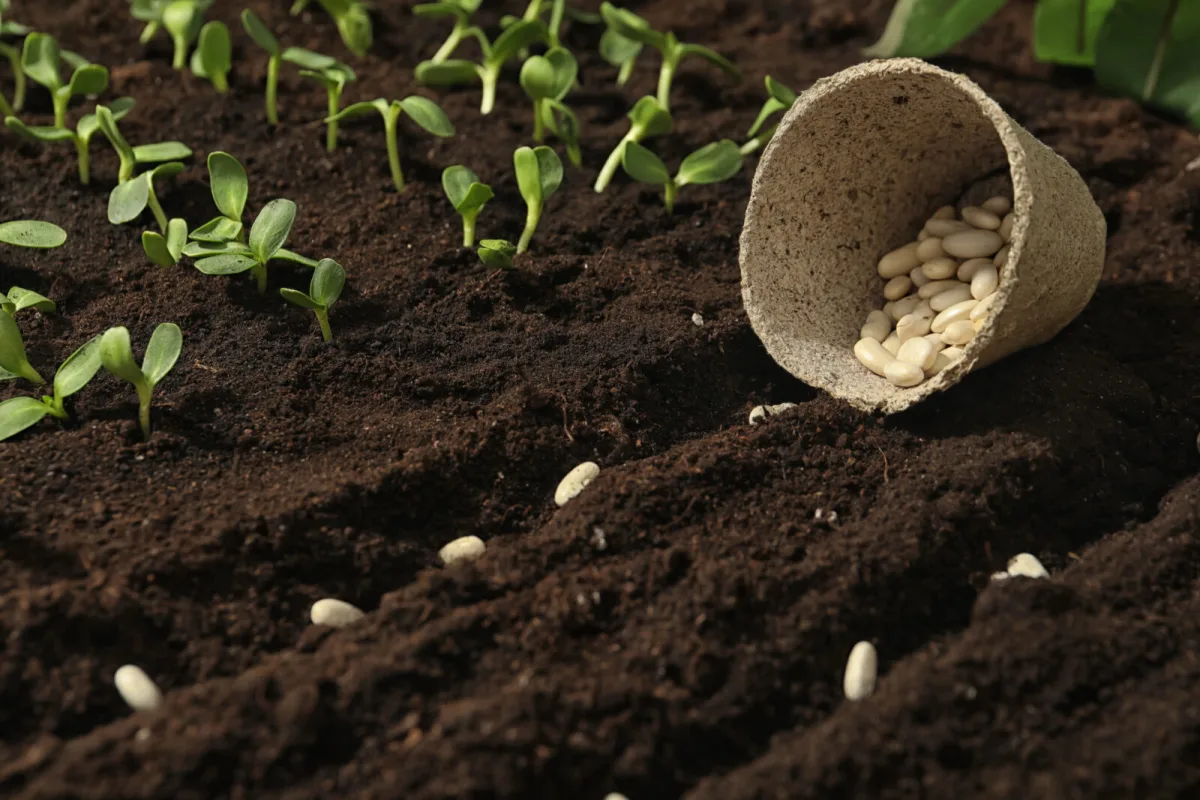
If you feel spring has already passed and the beds are “taken,” June will quickly prove you wrong. The soil is warm, the days are long, and many crops get off to a very brisk start because of it. June is exactly the time to resow after early harvests, fill empty spots in the beds, plant up containers on the balcony, and at the same time set yourself up for a crop in late summer and early autumn. The key is simply choosing the right plants, keeping an eye on moisture, and not letting fresh sowings suffer in the heat.
Vegetables you can still plant in June
Radishes as a quick, reliable choice
Radishes are among the most rewarding June sowings because they grow quickly and you often harvest them in as little as 4 to 6 weeks. Choose a sunny site, but on hot days they also benefit from light shade. Regular watering is crucial; without it they turn woody and become hot and pithy. If you sow little and often, you’ll get a steady harvest instead of a one-off glut.
Beans into warm soil
Bush beans and climbing beans are ideal for June because they need warmth and do poorly in cold soil. Give them as much sun as possible, and with climbing types don’t forget sturdy support so they have something to scramble up. Watering should be generous, especially during flowering and pod set, otherwise yields can be disappointing.
Cucumbers and courgettes for a fast summer start
Cucumbers love warmth, even moisture and rich soil. In June they can be direct-sown or planted as started plants, both in the ground and in larger containers. Courgettes follow similar rules: they’re easy-going, but appreciate space and regular watering at the roots. If you want to limit powdery mildew, water in the morning and don’t leave the leaves wet for long.
Carrots right up to the end of June
Carrots can be sown in the second half of spring and into early summer, but you do need deep, loose, stone-free soil so the roots don’t grow misshapen. The most important thing is keeping moisture even during germination, otherwise seedlings emerge unevenly. In hot spells, a light mulch or a cover of horticultural fleece helps reduce evaporation.
Herbs worth having close at hand in summer
Basil for the kitchen and the balcony
Basil is the taste of summer, and it thrives in June. It needs warmth, sun and regular watering, but not waterlogging. If you pinch out the tips and harvest leaves regularly, the plant becomes bushier and is slower to run to flower. In containers, make sure the compost doesn’t dry out completely.
Parsley and coriander as dependable standbys
You can sow parsley little and often all summer; it tolerates sun and partial shade and works well in beds and window boxes alike. Coriander’s advantage is rapid growth, which makes it perfect for repeat sowings. In hot weather it bolts easily, so it benefits from regular watering and harvesting young leaves.
Flowers that can still put on a real show
Marigolds, petunias and sunflowers
Marigolds are tough, flower for a long time, and they’re often said to help deter certain soil pests. Petunias suit pots and borders, need sun and regular watering, and in containers also appreciate occasional feeding. Sunflowers can be sown in June and will still bloom; just choose a sunny spot and plan for support with taller varieties, especially in windy sites.
Practical tips to help June sowings thrive
Water at the right time
In June, hot days often arrive and water evaporates quickly from the soil. Water ideally in the morning or evening so moisture reaches the roots instead of disappearing from the surface straight away. For fresh sowings, it’s better to water lightly and more often; for established plants, water less frequently but more thoroughly.
Mulch, feeding and pest protection
Mulching helps keep the soil cooler and more evenly moist, and it also suppresses weeds. Feed according to the crop’s needs; compost or an organic fertiliser is often enough. Keep checking leaves and their undersides, where pests like to hide, and respond early with gentle methods such as hand-picking or soap-based sprays.
June is a great opportunity to top up the garden with quick vegetables, fragrant herbs and flowers that will keep you smiling right into autumn. If you stay on top of moisture, soil condition and regular care, the second half of the season can be just as productive as spring.
Source: Gardening Know How, iZahrádkář, author’s text, Pestrazahrada.cz

A lover of nature, gardens, and everything that moves, blooms, or grows. He literally grows everything, from herbs to rare species, and he enjoys caring for animals just as much. In his work, he connects modern technology with tried-and-tested grandmotherly methods and is happy when both paths lead to the same goal.
Related articles

How to Keep Your Pool Sparkling Clean Without Unnecessary Effort or Stress
Keeping pool water crystal clear doesn’t have to be hard work. With a simple daily-and-weekly routine, you’ll prevent cloudiness, algae and breakdowns before they start.
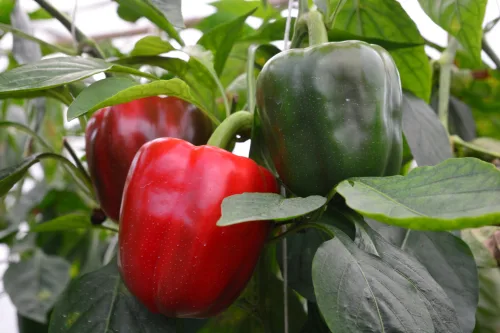
A Simple Trick for a Bigger Pepper Harvest and Faster Ripening
Regular watering and feeding aren’t always enough for a heavy pepper crop. Pinching out the growing tips redirects the plant’s energy into branching, flowering, and ripening fruit faster.
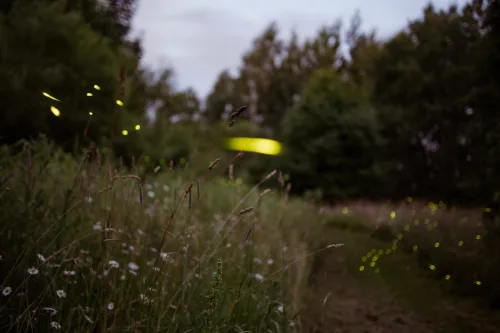
Fireflies are disappearing from the landscape, learn how to create a safe garden home
Warm summer nights are even more magical when fireflies start flashing at dusk—but their numbers are falling. With a few simple changes to mowing, planting, lighting and chemical use, your garden can become a safe refuge again.
Comments (0)
Be the first to comment.