
 English
  Polski
  Deutsch
  Nederlands
  Svenska
  Norsk
Norsk  Dansk
Dansk  Français
  Italiano
  Español
  Português
  Slovenčina
  Suomi
Suomi  Gaeilge
 Easy Summer Propagation of Currants with a Few Cuttings
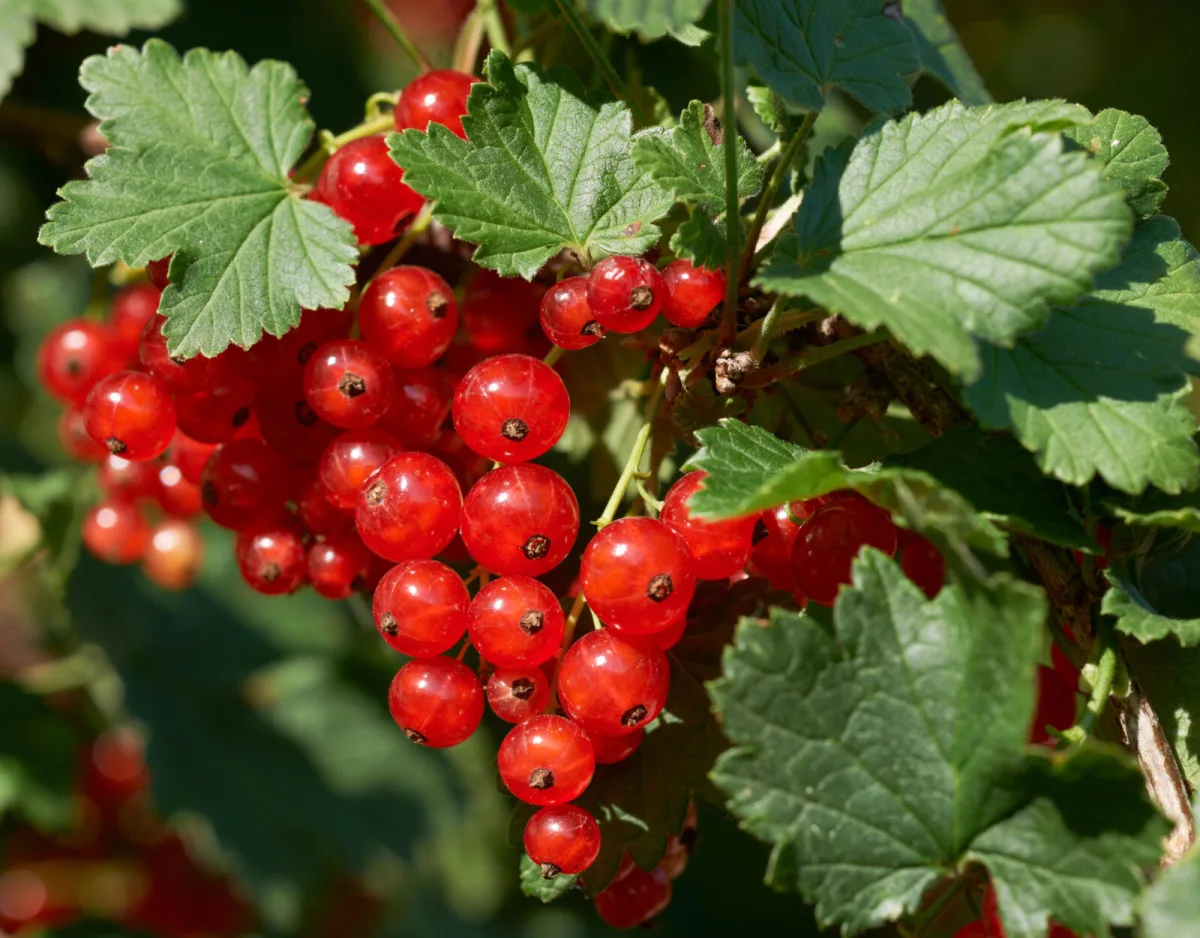
When, after years of trying, you finally land on a currant variety that reliably produces a heavy crop and delicious berries, it’s a shame to stop at just one bush. Early summer is the perfect time to propagate your favourite plant easily and raise extra young plants for the garden, or even for family. Currants are also fairly low-maintenance and fit well even in smaller gardens. They do best in a sunny spot, and you can choose from bush forms as well as standards.
When to propagate currants and which method to choose
The most common method is propagation from hardwood, leafless cuttings taken in autumn. These cuttings are usually about pencil-thick and are inserted deeper into the soil or into an empty cold frame, where they gradually root. In summer, however, there is another option: propagating from softwood cuttings. The ideal window is from the second half of June to early July, when the shoots have plenty of energy but haven’t become too woody yet.
How to choose the right shoot for a softwood cutting
The best material usually comes from shoots growing on the sunny side of the bush. They should be healthy, with no signs of disease or pests, and firm. Once they’ve rooted and the first new leaves appear, transplant the young plants either into pots with fresh multipurpose compost or into a sunny spot directly in the ground. After that, don’t underestimate regular watering, because even, consistent moisture helps develop a dense, strong root system.
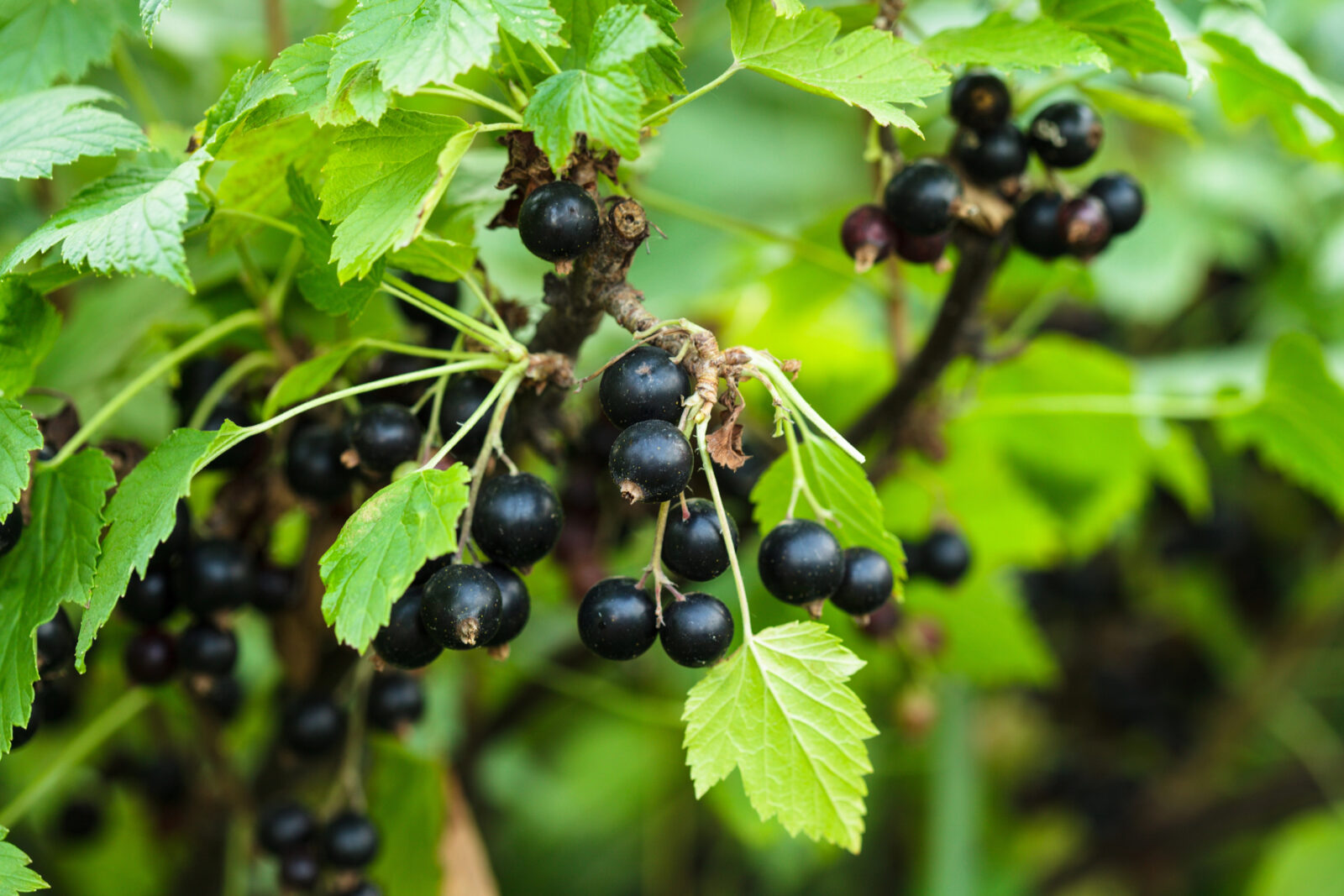
Step-by-step propagation of currants from softwood cuttings
Preparing the cuttings and removing leaves
In early summer, prepare softwood cuttings about 20 cm long. They should be vigorous and carry several leaves, because active tissues root more readily. Remove all the leaves from the lower part completely so they won’t rot in the compost. Cut the base of the cutting at a slant, which improves water uptake and increases the area where roots can start to form. On the remaining leaves, you can trim the leaf blades to about half their size to reduce water loss, so the cutting won’t suffer as much from drying out.
Using a rooting hormone for better rooting
To speed up and improve rooting, it helps to use a rooting hormone, with a powder formulation often proving reliable. Dip or coat the lower part of the cutting thoroughly, then gently tap off the excess so only a thin layer remains. This treatment is especially helpful in warmer weather, when cuttings have higher water demands.
Inserting into compost and watering thoroughly
Prepare pots filled with fresh propagation compost. Insert the cuttings fairly deep, but carefully, so the shoot doesn’t snap as you firm it in. Then water the compost well so it settles around the stems and the cuttings have steady contact with a moist environment.
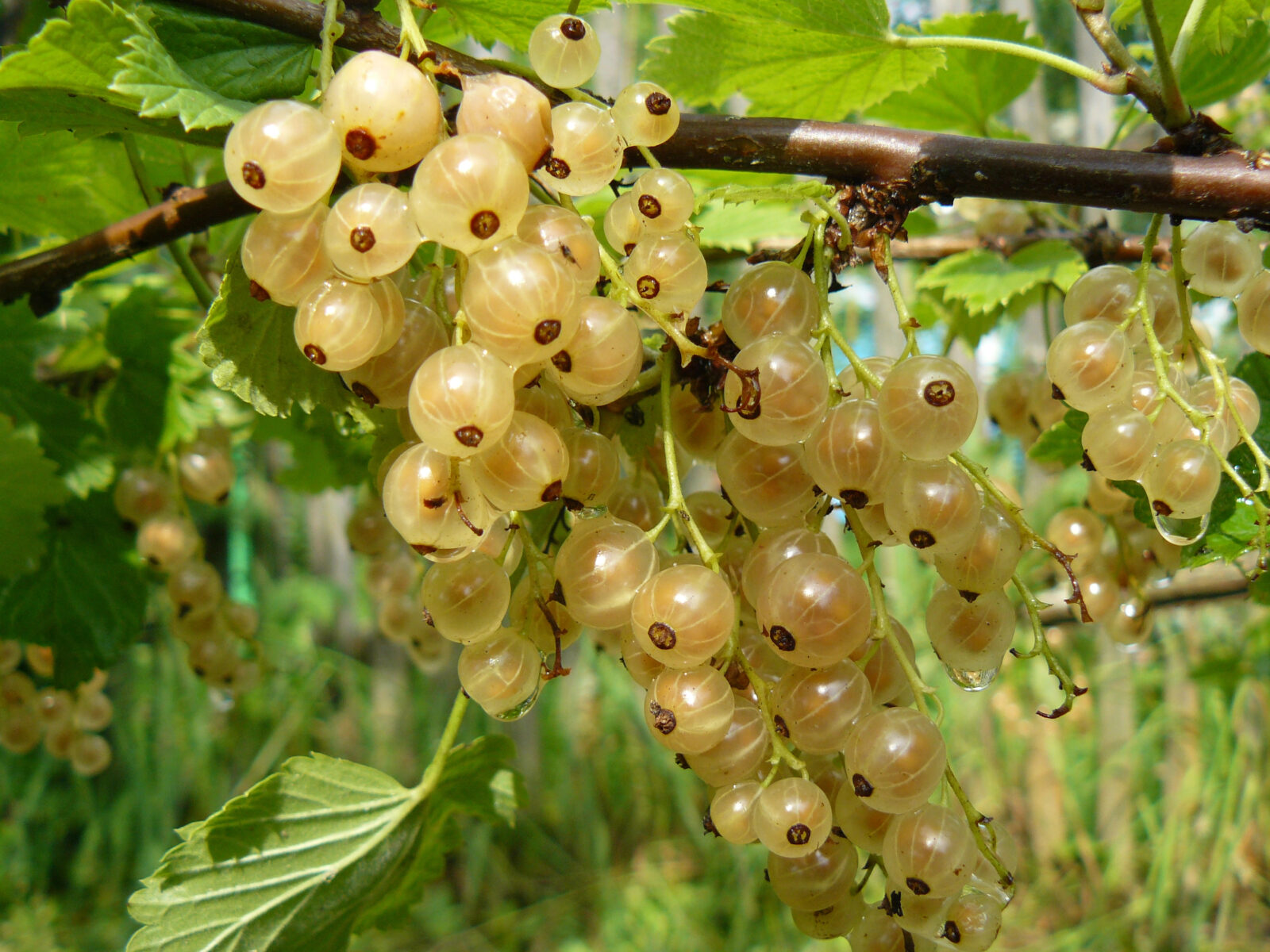
Creating a microclimate by covering
Keep the compost only slightly moist; it shouldn’t stay waterlogged. Place the pot in a bright spot out of harsh midday sun and cover it with a plastic bag. This creates a more humid microclimate, helping the cuttings get through the first few weeks without a strong root system. Check moisture regularly, and once the cuttings have rooted, start venting the cover gradually so the young plants acclimatise to normal conditions.
Source: The Spruce, GrowVeg, Záhrada, Pestrazahrada.cz

A lover of nature, gardens, and everything that moves, blooms, or grows. He literally grows everything, from herbs to rare species, and he enjoys caring for animals just as much. In his work, he connects modern technology with tried-and-tested grandmotherly methods and is happy when both paths lead to the same goal.
Related articles

How to Keep Your Pool Sparkling Clean Without Unnecessary Effort or Stress
Keeping pool water crystal clear doesn’t have to be hard work. With a simple daily-and-weekly routine, you’ll prevent cloudiness, algae and breakdowns before they start.
A Simple Trick for a Bigger Pepper Harvest and Faster Ripening
Regular watering and feeding aren’t always enough for a heavy pepper crop. Pinching out the growing tips redirects the plant’s energy into branching, flowering, and ripening fruit faster.

Fireflies are disappearing from the landscape, learn how to create a safe garden home
Warm summer nights are even more magical when fireflies start flashing at dusk—but their numbers are falling. With a few simple changes to mowing, planting, lighting and chemical use, your garden can become a safe refuge again.
Comments (0)
Be the first to comment.