
 English
  Polski
  Deutsch
  Nederlands
  Svenska
  Norsk
Norsk  Dansk
Dansk  Français
  Italiano
  Español
  Português
  Slovenčina
  Suomi
Suomi  Gaeilge
 Tomatoes in the spotlight surprising facts from the kitchen to poisonous relatives
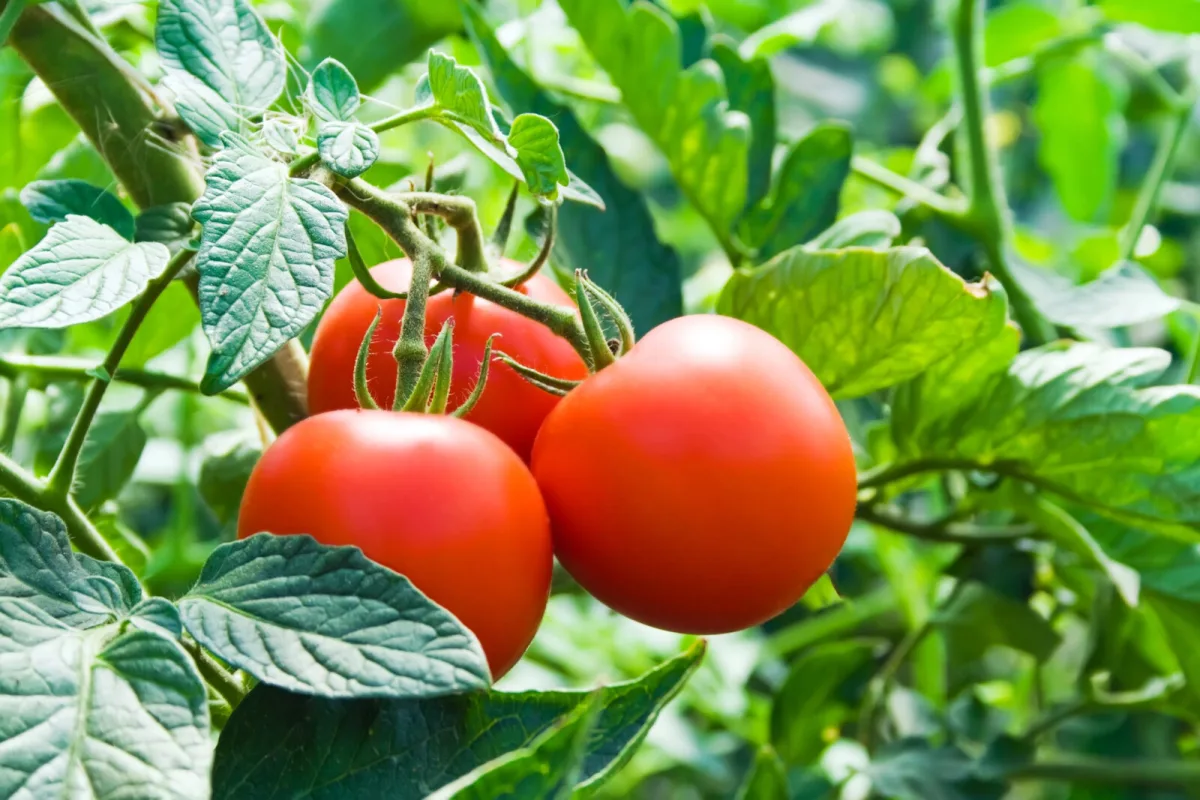
Tomatoes are one of those ingredients people either adore or steer clear of. For some they’re indispensable in sauces, salsa, on pizza and in burgers; for others, as a member of the nightshade family, they can be troublesome due to sensitivity, mouth ulcers, or inflammatory reactions. The confusion around tomatoes is also fuelled by their family tree. Botanically, they’re related to plants with a reputation for being dangerously poisonous, and at the same time, by definition, they’re classed among fruits that could theoretically share a bowl with apples and pears. That very split personality is what makes the tomato such a fascinating subject.
The first wild tomatoes appeared in South America long before humans
Genetic research suggests that tiny wild tomatoes, about the size of cherries, existed roughly 80,000 years ago. They weren’t cultivated plants—more a natural development in the landscape of what is now north-western South America. Human cultivation came much later, around 7,000 years ago, when people began deliberately selecting smaller fruits from the ancestors of today’s varieties. The exact country of origin is still debated—Peru and Ecuador are mentioned most often—but the continent is certain. From there, tomatoes gradually spread to the rest of the world.
Thousands of varieties and more colours than just red
The number of tomato varieties is staggering. Conservative estimates put it at over 10,000; other approaches suggest tens of thousands more. In practice, varieties are often grouped into a few basic types—for example plum tomatoes suited to sauces, large beefsteak types, small cherry tomatoes, standard round salad tomatoes, and distinctly shaped heart types. Beyond shape, colour is just as captivating. Shops are dominated by red, but there are also yellow, green, purple, striped, and speckled forms, each with its own flavour and best use.
Tomatoes are grown in space—and it makes sense on Earth too
Plant experiments in space are nothing new; seeds were being sent into orbit as early as the second half of the 20th century. Since the 1980s, scientists have aimed to grow plants directly under space conditions to test how food crops might perform on long missions. Educational projects such as Tomatosphere brought the topic to children and schools through seeds exposed to the space environment. Modern experiments have since shown that tomatoes can indeed be grown in space, helping with planning crew self-sufficiency. At the same time, the insights are used on Earth too—for example, in exploring ways to incorporate plant growing into therapeutic programmes.
How many tomatoes you eat depends on what you count as a tomato
Average consumption in the USA is often quoted at around twenty pounds of tomatoes per person per year, but the figure can be misleading depending on whether it counts only fresh tomatoes or includes processed products. A significant share of consumption comes from canned and industrially processed tomatoes. Pizza and pasta sauces play a huge role, so tomatoes reach people more often as purée, ketchup, and sauces than as a fresh garden fruit.
Tomatoes can root almost anywhere along the stem
Tomatoes have a remarkable ability to form root initials along the stem and sometimes on other parts of the plant. These tiny bumps, known as adventitious roots, make propagation from cuttings very easy. They can also act as a backup when the plant is under stress, for instance in waterlogged conditions. If the main roots suffer from excess moisture, a tomato plant may try to produce new roots higher up to improve its chances of survival.
A record-breaking tomato tree draws visitors at Epcot
Theme parks are usually about rides, but at Epcot in Walt Disney World one of the highlights is also an agricultural project. In the area dedicated to plant growing, an enormous “tomato tree” appeared, producing more than 32,000 tomatoes in a single year. It’s not just a curiosity—part of the harvest is used in on-site catering. For visitors, it’s compelling to see how such projects connect research, cultivation, and real-world food use.
Throwing rotten food at actors has a long history
Long before modern film reviews, there was a direct way to show dissatisfaction. In the past, audiences sometimes hurled whatever they had at hand at performers—typically overripe fruit and vegetables. The tradition is also linked to the Elizabethan theatre, where the crowd varied widely by social class and reactions could be harsh. It wasn’t limited to theatre, either; food-throwing outbursts of discontent also appeared in political contexts—though sometimes it wasn’t tomatoes flying through the air, but other vegetables.
Europeans feared tomatoes because of poisoning from tableware
In the 18th century, the idea spread in Europe that tomatoes were poisonous. Paradoxically, the plant itself was often not to blame—tableware was. Tomato acidity could react with materials used in wealthier households, especially lead-containing pewter. Lead then leached into the food and caused poisoning, which people associated with tomatoes. From this came mocking or cautionary nicknames that placed tomatoes alongside the dangerous “fairy-tale fruits”.
Spain’s La Tomatina turns streets into a tomato battlefield
What once served as a sign of disapproval is now, in one part of Spain, a voluntary celebration. In the town of Buñol near Valencia, the La Tomatina festival takes place every year on the last Wednesday of August, when people from all over the world deliberately pelt each other with tomatoes. Attendance is now limited, but even so, tens to hundreds of tonnes of fruit are used during the event. Alongside the battle itself, there are accompanying festivities, parades, and food events that make the festival a vivid symbol of local culture.
Botanically a tomato is a berry, but in law it was once a vegetable
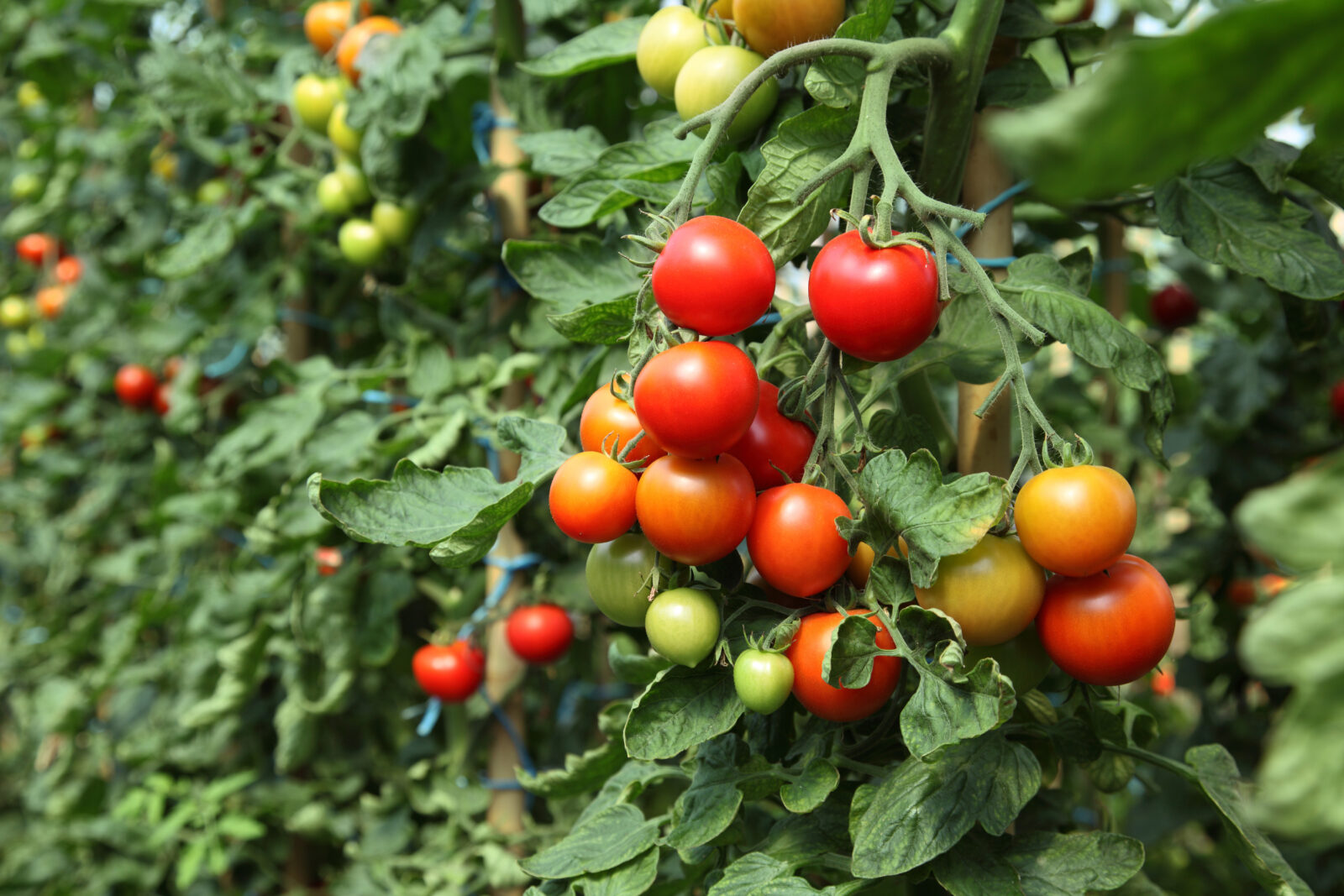
Botany classifies the tomato as a berry, because it develops from the flower’s ovary and contains seeds enclosed in fleshy pulp. Other fruits that are often treated as vegetables in cooking fall into a similar category. Still, in everyday life tomatoes are used mainly in savoury dishes, so they’re perceived as a vegetable. That logic was once confirmed by a court dispute in the USA: because of import duties, it was decided that for taxation purposes the tomato would be treated as a vegetable, since that is how the public and the culinary world handle it.
In the 16th century tomatoes were linked to mandrake
The tomato belongs to the nightshade family, which also includes mandrake—a plant wrapped in legends of magic, healing powers, and danger. In the 16th century, one prominent botanist concluded that the tomato was not only a nightshade, but could even be placed among mandrakes. That gave it an ambiguous aura in people’s eyes: tempting and unsettling at the same time. Only later did it gradually become clear that not all nightshade plants are lethally dangerous, and tomatoes and potatoes earned their place at the table.
Tomatoes were once grown mainly as ornamentals
Because people were afraid to eat tomatoes for a long time, they often ended up in beds as ornamental plants. And they do have decorative qualities: small yellow flowers and bold, eye-catching fruits. In some parts of Europe they were nicknamed “apple of paradise” or “love apple”, reflecting the romanticised view of an unusual plant at the time. Gradually, however, adventurous cooks and households began to cook tomatoes and use them in food. As experience grew and recipes spread, an ornamental oddity became one of the most important ingredients in modern cooking.
The tomato is an example of a crop that moved between fear, myth, and science before it finally found its way into the everyday diet.
Source: Foodie, The Spruce, Pestrazahrada.cz

A lover of nature, gardens, and everything that moves, blooms, or grows. He literally grows everything, from herbs to rare species, and he enjoys caring for animals just as much. In his work, he connects modern technology with tried-and-tested grandmotherly methods and is happy when both paths lead to the same goal.
Related articles
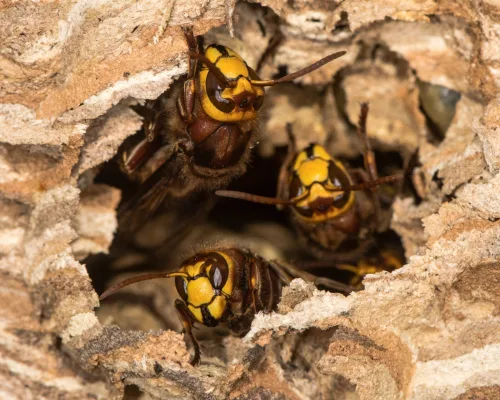
You Can Remove a Hornet Nest Without a Permit If You Meet Legal Conditions
Home and garden owners often worry whether removing a hornet nest could put them on the wrong side of the law. In the Czech Republic, the European hornet is generally protected, but it is not a specially protected species, so removal is usually possible when there is a genuine safety risk.
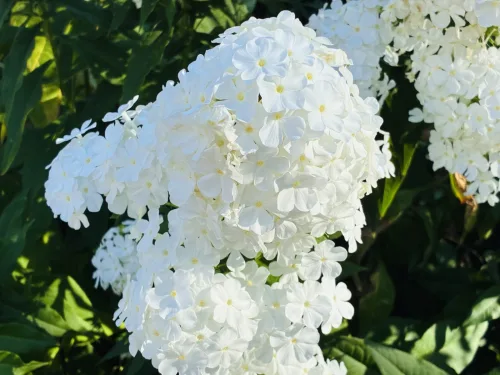
Grandma’s Favourite Flower Is Back and It’s Surprisingly Easy to Grow
Phlox is a classic cottage-garden perennial that brings rich colour, fragrance, and pollinators into the border with minimal fuss. Choose the right spot for the species, keep moisture even, and you’ll be rewarded with weeks of bloom.
A Simple Plant Propagation Trick That Will Fill Your Garden With Cuttings
Propagating plants can be surprisingly easy when you keep cuttings consistently moist without letting them dry out. This simple plastic-bag method creates a humid microclimate that encourages fast rooting using everyday household items.
Comments (0)
Be the first to comment.