
 English
  Polski
  Deutsch
  Nederlands
  Svenska
  Norsk
Norsk  Dansk
Dansk  Français
  Italiano
  Español
  Português
  Slovenčina
  Suomi
Suomi  Gaeilge
 Pre-emption rights on agricultural land could reshape the market and strengthen big players
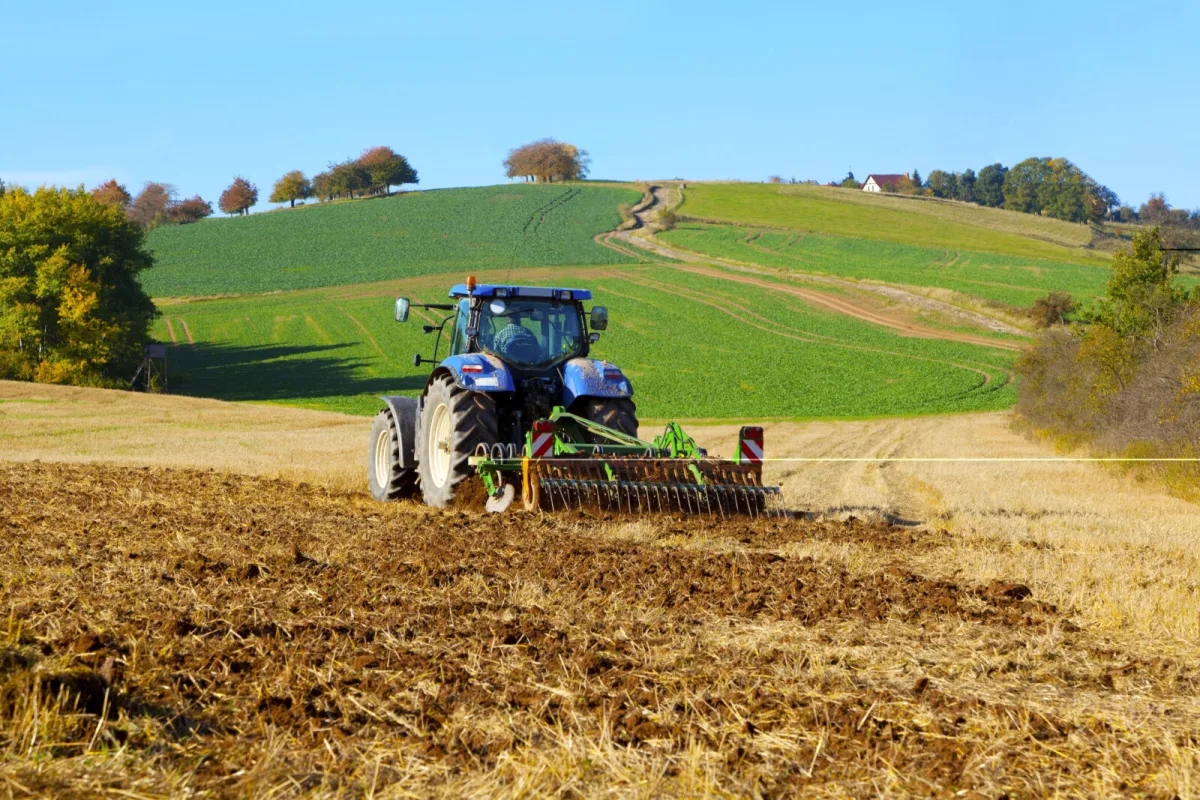
In the Czech Republic, the issue of a statutory pre-emption right on agricultural land is being reopened once again. In practice, this would mean that when an owner decides to sell a field to a chosen buyer, they would first have to give the farmer cultivating that parcel the chance to match the offer. If the farmer matched it, the seller would be obliged to sell to them. It is an intervention that would affect a large group of people, because roughly 1.8 million individuals own agricultural land.
The plan is politically sensitive and divides not only the public but also farmers themselves. Some describe it as a defence against speculators and investment funds; others as a weakening of property rights and a step that could unexpectedly benefit the strongest agribusinesses.
A Czech peculiarity: a high share of leased land
To assess the impacts, it is crucial to understand how farming is structured here. According to Eurostat data for 2023, about 72 percent of agricultural land is under lease, well above the European average of around 49 percent. Only a handful of countries have a higher share. This means a large proportion of farmers work land they rent rather than land they own.
At an expert debate in Parliament, it was said that the biggest volume of leased land is held by businesses farming very large areas. Data presented by economic specialists show that the bulk of leased land is in the hands of entities above one hundred hectares. These current land users would therefore gain the strongest tool, under a pre-emption right, to gradually transfer leased parcels into ownership.
Who could gain and who could lose
Supporters of the regulation stress that an active farmer should have a better position than an investor outside the sector. Critics, however, point out that the advantage would not generally go to the small farmer, but to whoever is already farming the land today—often a large enterprise with long-term lease agreements and strong capital.
This also raises the question of the value of businesses that have a substantial share of land under lease. If they gained a preferential purchase option for leased parcels, it could increase their market value and bargaining power. Owners, by contrast, would feel the restriction, because they would no longer be able to freely choose a buyer, and their land could become less attractive on the market to a broader range of interested parties.
A possible impact on prices and experience abroad
Alongside property rights, the effect on land prices is also being debated. The government argues, among other things, that agricultural land has been rising in price for years. The average price per hectare last year was around 372,550 Czech crowns and rose again year on year. Over the past decade, the price has increased by more than double according to market data, which is also reflected in lease rents.
Opponents, however, note that similar regulation can cool the market. Saxony-Anhalt in Germany is cited as an example: after the introduction of a pre-emption mechanism, the average winning bid in auctions fell and the number of bidders declined. Such a development could dampen price growth, but it also means less competition and less scope for owners to choose the best offer.
The argument: funds, speculation and pressure on rents
Major agricultural organisations that support the change argue that investment funds and speculative capital are increasingly moving into land. In their view, this makes it harder for farmers to access land and drives up costs. There is also criticism that part of public support indirectly flows to landowners through lease rent, while prices for agricultural products rise more slowly than the costs of land and rent.
The aim is said to be strengthening the position of active farmers against investors outside the sector, who can outbid offers thanks to readily available capital.
Why some smaller farmers say no
The Association of Private Farming and other representatives of small and medium-sized farms warn that a blanket pre-emption right is unsystematic and may further strengthen land concentration. From this perspective, large players would gain a preferential claim across extensive cadastral areas because they already farm there, while smaller would-be buyers would find it even harder to access land.
At the same time, it is argued that restricting owners may devalue their property. If the market narrows to pre-determined buyers, it can reduce the price and worsen the owner’s position, for example when negotiating with a bank. Critics also warn of similarities with the Slovak experience, where constitutional review entered the picture.
Constitutional risks and an uncertain legislative proposal
Lawyers and experts caution that any interference with disposing of property must be carefully justified by the public interest and written in a way that can withstand constitutional limits. This fear of a clash with the constitutional order is precisely why analyses are being prepared and the specific form of the law is only now being sought. Ministry representatives admit that the final parameters are not yet clear, even though the measure is included in the legislative plan for the next period.
What matters: a pre-emption right may not help the weakest
The core of the dispute keeps returning to one question. If the measure is meant to make it easier for new and smaller farmers to get land, it has to be designed so that it does not in practice mainly strengthen those who already farm the largest areas and have the greatest financial resources. Without that, the regulation may have the opposite effect—cementing the dominance of large enterprises, restricting owners, and further making it harder for a new generation to enter the sector.
The debate therefore is not based only on emotions around funds and speculation, but also on whether the state can choose tools that address the causes. Some farmers therefore propose first using non-legislative routes, such as better information for owners, support for local agreements, and incentives so that land more often ends up with local working farmers without an across-the-board restriction of all owners’ rights.
Source: ASZ ČR, HN, Pestrazahrada.cz

A lover of nature, gardens, and everything that moves, blooms, or grows. He literally grows everything, from herbs to rare species, and he enjoys caring for animals just as much. In his work, he connects modern technology with tried-and-tested grandmotherly methods and is happy when both paths lead to the same goal.
Related articles
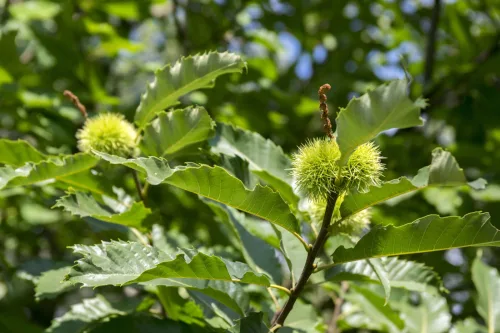
A tree that can outlive generations and drops crops every autumn has one requirement people forget
Sweet chestnut is a long-lived, ornamental and productive tree, but it only rewards you with a reliable crop when it gets warmth, sun and the right soil conditions. Here’s how to grow it, pollinate it well, and harvest and store the nuts properly.

A feared pest from China has reached Europe and it has no Czech name and it devastates everything from grapevines to orchards
Hungary has confirmed the first European detection of Lycorma delicatula, a highly destructive invasive pest known for severe damage to grapevines, fruit trees and many other plants. Authorities have launched quarantine measures to prevent it from establishing and spreading further.

You Can Remove a Hornet Nest Without a Permit If You Meet Legal Conditions
Home and garden owners often worry whether removing a hornet nest could put them on the wrong side of the law. In the Czech Republic, the European hornet is generally protected, but it is not a specially protected species, so removal is usually possible when there is a genuine safety risk.
Comments (0)
Be the first to comment.