
 English
  Polski
  Deutsch
  Nederlands
  Svenska
  Norsk
Norsk  Dansk
Dansk  Français
  Italiano
  Español
  Português
  Slovenčina
  Suomi
Suomi  Gaeilge
 How to get pickling cucumbers going again in July so they flower and crop heavily
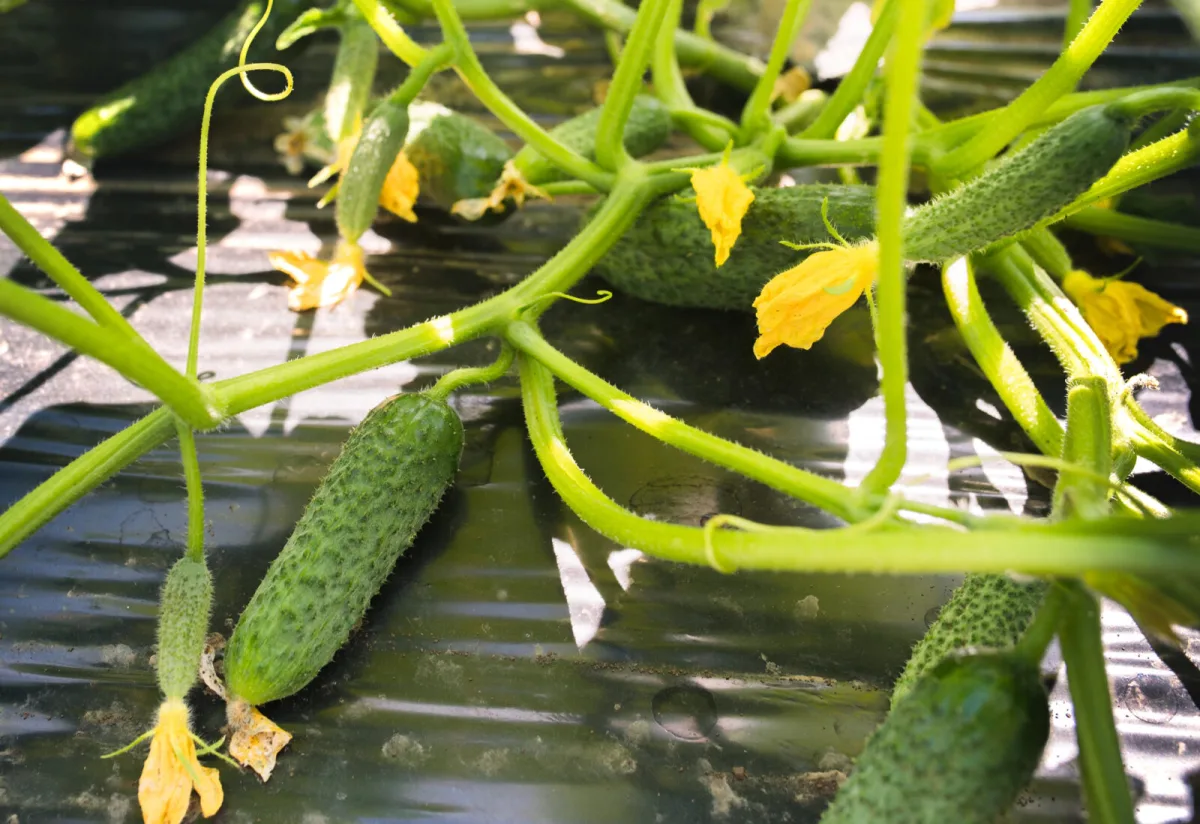
After the first flush of fruiting, it can look as though pickling cucumbers no longer have the energy to keep going. In the second half of July, growth often slows, flowers become scarce, and the plants seem worn out. Still, there’s no reason to give up. There’s plenty of time left until the end of summer for the crop to recover, set flowers again, and deliver more baskets of crisp cucumbers. You just need to help them with a few targeted steps that reduce strain, limit disease pressure, and encourage new flowering.
How to tell your cucumbers need a summer reset
The typical signs show up right in July. Leaves start to yellow, often speckled with spots, and some edges dry out. Once-flexible shoots gradually become woody, are harder to handle, and crack or snap more easily. At the same time, flower numbers drop and even the fruits that do grow may be misshapen, poorly developed, or unpleasantly bitter. These symptoms usually don’t mean the end of the crop, they’re more a call for a quick mid-summer restart.
Essential mid-summer clean-up
Start by removing anything that unnecessarily drains the plant or increases the risk of disease spread. Cut off snapped shoots as well as very old sections that have already passed their peak. Dry leaves, heavily yellowed foliage, or anything visibly damaged should go too. The goal isn’t to strip the plant bare, but to improve light levels and air movement through the canopy. After a few days, you’ll usually notice the plants “breathe” better, dry faster after morning dew, and look noticeably more vigorous overall.
In summer, shift feeding from leaves to flowers and fruit
Early on, growers often feed with higher-nitrogen products because nitrogen drives leafy growth, stems and leaves. By mid-summer, though, cucumbers typically have plenty of foliage, and extra nitrogen can push even more leaves at the expense of flowers. At this stage, it’s better to choose a fertiliser with a higher share of potassium and phosphorus. Potassium supports fruit set and fruit quality, while phosphorus helps roots and the formation of flower buds. In shops, suitable blends are often labelled as fertiliser for flowers and fruit.
Steady watering, no drought, no stress
Cucumbers cope poorly with heat combined with dryness. Once they repeatedly suffer from lack of water, they switch into survival mode and may start dropping flowers to stay alive. If fruit does form, it’s often smaller, misshapen, and sometimes bitter. Water deeply and regularly, always at the roots and not over the leaves. Early morning is ideal, so plants can use the water during the day and any moisture on foliage dries quickly. Rainwater or water left to stand in a barrel is best, while very cold well water can cause temperature shock during hot spells.
Supporting pollination when there are fewer insects in the garden
Without pollinators, you won’t get a crop, yet in recent years there have been fewer bees, bumblebees and butterflies in many gardens. It can help to bring flowering plants closer to the cucumbers, for example pots of blooming marigolds, which attract insects. Some growers also use a weak sweet solution to lure insects, typically one to two tablespoons of sugar in ten litres of water, applied very lightly around the crop.
Hand pollination in a polytunnel or when bees are flying poorly
If you grow cucumbers in a polytunnel, insect access can be limited and hand pollination is worth doing. Use a soft brush to pick up pollen from a male flower and transfer it to the stigma inside a female flower. The difference is easy to spot: the female flower has a tiny baby cucumber behind the yellow petals, while the male flower sits on a plain stalk with no swelling. This simple step often quickly increases the number of fruit that set and extends the harvest season.
What to expect after the reset and why it’s worth sticking with it
When you open up the canopy, adjust feeding towards fruiting, keep watering even, and improve pollination, cucumbers usually start flowering again quite quickly. The second flush may not be identical to the first, but it often tops up your supply for pickling as well as fresh eating. The key is to respond early and not let plants struggle for too long with drought, overcrowding, and depleted nutrition, because that combination is the most common reason for flowering to stall in summer.
Source: Urob si sám, The Spruce, Gardening Know How, Pestrazahrada.cz

A lover of nature, gardens, and everything that moves, blooms, or grows. He literally grows everything, from herbs to rare species, and he enjoys caring for animals just as much. In his work, he connects modern technology with tried-and-tested grandmotherly methods and is happy when both paths lead to the same goal.
Related articles
The More Often You Harvest, the Longer Plants Keep Cropping
With fruiting vegetables, frequent picking keeps plants flowering and producing for longer. A few crops, such as aubergines, are tastiest when harvested slightly earlier rather than fully mature.
Wasps Aren’t Just a Barbecue Menace They Can Ruin Your Garden Woodwork Too
Weathering isn’t always the main culprit behind damaged outdoor timber. Wasps can scrape fibres from boards and beams surprisingly fast, leaving grooves that soak up water and accelerate decay.
Why hydrangeas wilt in summer even when watered and how to save them fast
Hydrangeas can look limp in hot weather even if you’ve been watering faithfully. The key is to check what’s happening in the root zone, then adjust watering, shade and mulching so the plant can actually use the moisture available.
Comments (0)
Be the first to comment.