
 English
  Polski
  Deutsch
  Nederlands
  Svenska
  Norsk
Norsk  Dansk
Dansk  Français
  Italiano
  Español
  Português
  Slovenčina
  Suomi
Suomi  Gaeilge
 Homegrown Lovage Is Not Just for Soup
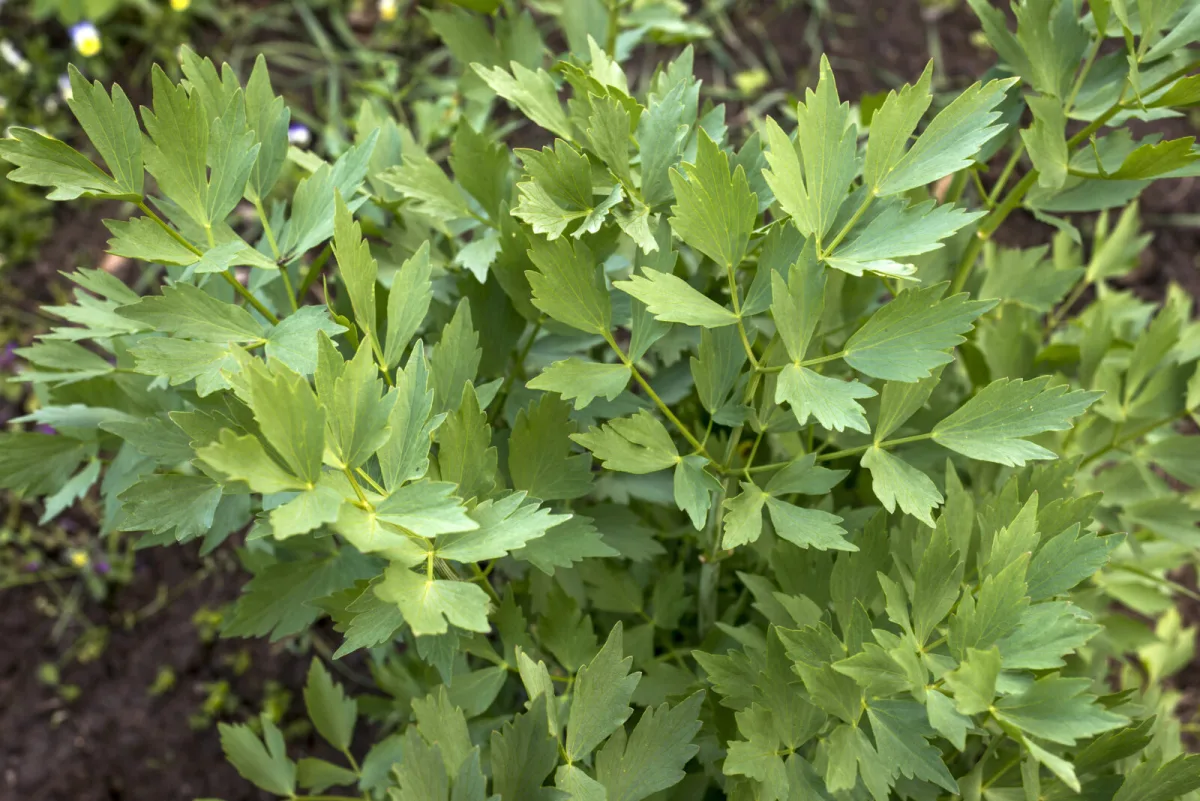
Lovage (Levisticum officinale) is a perennial aromatic herb in the carrot family (Apiaceae), related to celery and parsley. It originally comes from southern Europe and the Mediterranean region, from where it gradually spread across the continent and into America. Even in antiquity it was valued not only in the kitchen, but also for traditional household uses. In the garden it is decorative too, forming a substantial clump and, in summer, sending up tall flower stems that attract pollinators.
What lovage tastes like and which parts of the plant you can eat
At first glance it can resemble parsley or celery, and its flavour is similar as well. The leaves have a strong celery base, but they’re sweeter, more aromatic, often with a light parsley-like note and a gentle citrus freshness. The stems can be used much like celery, sometimes with a hint that leans towards fennel or anise. All parts of the plant are edible, including the seeds and roots, but they differ in intensity and the best way to use them.
Two reliable ways to propagate lovage
Sowing from seed
Lovage can be sown directly outdoors in spring once the soil has warmed up sufficiently. Sow the seed shallowly, and it helps to lightly cover the sowing area with a fine material so the surface doesn’t dry out too quickly. If you want a head start, you can raise seedlings indoors and transplant outside after the last frosts. For most home gardens, one plant is usually enough, because after a few years it can provide a surprisingly large amount of leafy growth.
Dividing the crown of an older plant
>A quicker route is dividing established clumps. With a well-grown lovage plant, carefully lift the rootball, which tends to be deep and robust, so give it plenty of room when you’re handling it. Separate a section of roots and replant into prepared soil. Division is also useful for rejuvenating the plant while gaining an extra plant at the same time.Where to plant lovage and the conditions it likes
Lovage thrives in full sun, but in warmer areas it often benefits from light partial shade, because the soil dries out more slowly. The ideal soil is humus-rich and fertile, holding moisture without becoming waterlogged. A slightly acidic to neutral pH around 6.5 is often quoted, but in practice it usually adapts well to typical garden soil without any complicated adjustments.
Bear in mind this is a genuinely large herb. When mature, it can form a broad, substantial clump, and the flowering stems can reach about 1.5 to 2 m tall. It’s smart to place it at the back of a border or at the edge of the herb garden so it doesn’t shade smaller plants and has enough space.
Watering, soil and care through the season
Even moisture is the key to success. Newly planted lovage should be watered regularly in its first season until it’s well established. Mature lovage is generally tough, but it won’t cope with prolonged drought, especially in full sun or lighter soil. The soil should stay moist, not soggy, because it dislikes waterlogging.
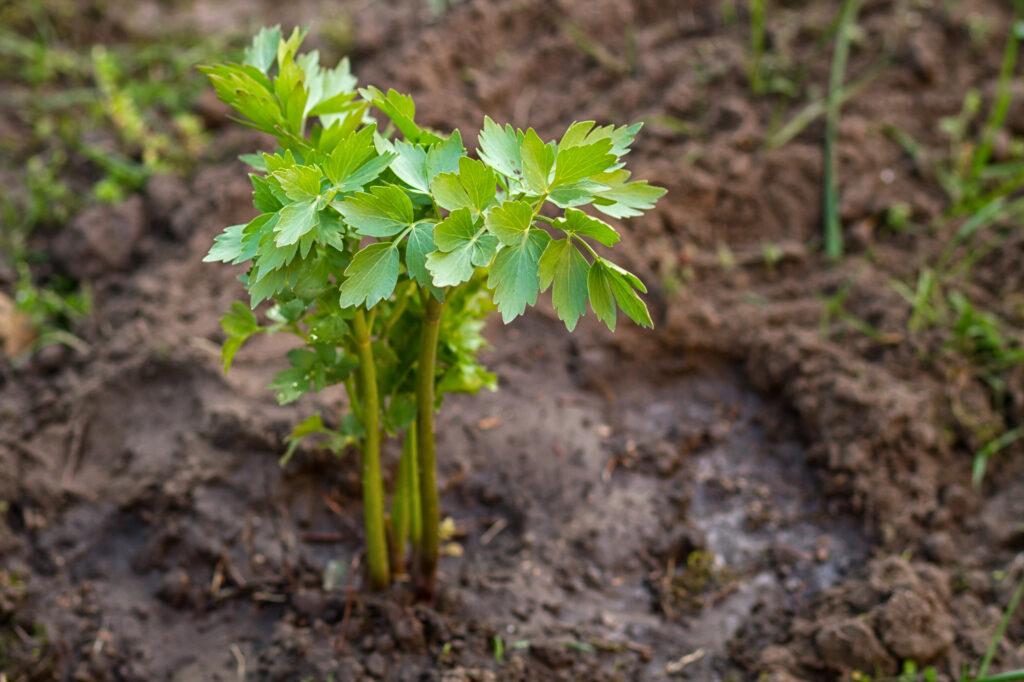
Mulching with compost or well-rotted manure helps enormously. A layer of organic matter around the clump improves nutrition and, above all, reduces swings in soil moisture. In containers you need to watch watering even more carefully, because the compost dries out faster. If you grow lovage in a pot, choose a heavier, stable container with good drainage, as the tall stems can topple a lightweight pot.
Pruning, flowers and seeds when to let it grow and when to intervene
If you grow lovage mainly for leaves, it pays to keep an eye on flower stems. As the plant comes into bloom, the leaves can gradually become coarser and more bitter. Removing flowers in summer often extends the period when you can harvest tender foliage and encourages fresh new leaves. On the other hand, if you want seed, let the flowerheads ripen until they start to turn brown. You can collect seed by cutting whole heads and letting them finish drying, for example in a paper bag.
In autumn, lovage naturally dies back. You can cut the top growth down after the first harder frosts, or leave it standing until late winter and clear it just before new growth starts. In colder areas it usually overwinters well without special protection.
Harvesting leaves, stems and roots
The best flavour comes from young spring and early summer growth. It’s worth snipping leaves regularly, because frequent harvesting encourages more leafy growth. In the kitchen you can use them fresh and finely chopped, or store them for later. Excess leaves freeze well, even as cubes with water.
You can harvest stems while they’re young and tender, or blanch them lightly, as with celery, to mellow their intensity. The roots are edible too; they’re typically used from older plants during dormancy, when they can be lifted, cleaned and cooked into hearty dishes.
Using lovage in the kitchen from herb butter to a homemade seasoning mix
Lovage is often thought of as a “soup herb”, but its possibilities don’t end there. Thanks to its intense aroma, it can replace part of shop-bought seasonings while adding a richer, rounded flavour. In small amounts it lifts stocks, braises, sauces and vegetable dishes.
Herb butter with a bold aroma
Finely chopped leaves can be mixed into good-quality butter, and you can add garlic or other herbs to taste. This butter is great with baked potatoes, grilled meats and fresh bread. With lovage, a little goes a long way, because its flavour is very penetrating.
A pesto that won’t disappear
Lovage makes an interesting alternative to traditional basil. Blended leaves with oil, garlic, nuts and a hard cheese create a paste that works with pasta, roasted vegetables, or as a simple spread. The flavour is deeper and more aromatic, so it’s best to taste as you go and, if needed, combine lovage with milder leaves.
Potatoes, eggs and creamy sauces
A classic, dependable pairing is lovage with potatoes. It’s excellent in mash, roasted potatoes and potato soups, and it also works in pancakes or homemade dumplings. It often fits beautifully into egg dishes and creamy sauces too, where its aroma supports the other ingredients without needing heavy salting.
Marinades and bold flavour without excess salt
Chopped leaves can be added to both oil-based and yoghurt marinades for meat, fish or vegetables. Lovage brings depth and a peppery, savoury note, so you can reduce salt while keeping the flavour strong. The seeds are the most intensely flavoured part of the plant and can be used much like celery seed or fennel seed, including in seasoning blends.
Homemade ‘vegeta’ and drying for the store cupboard
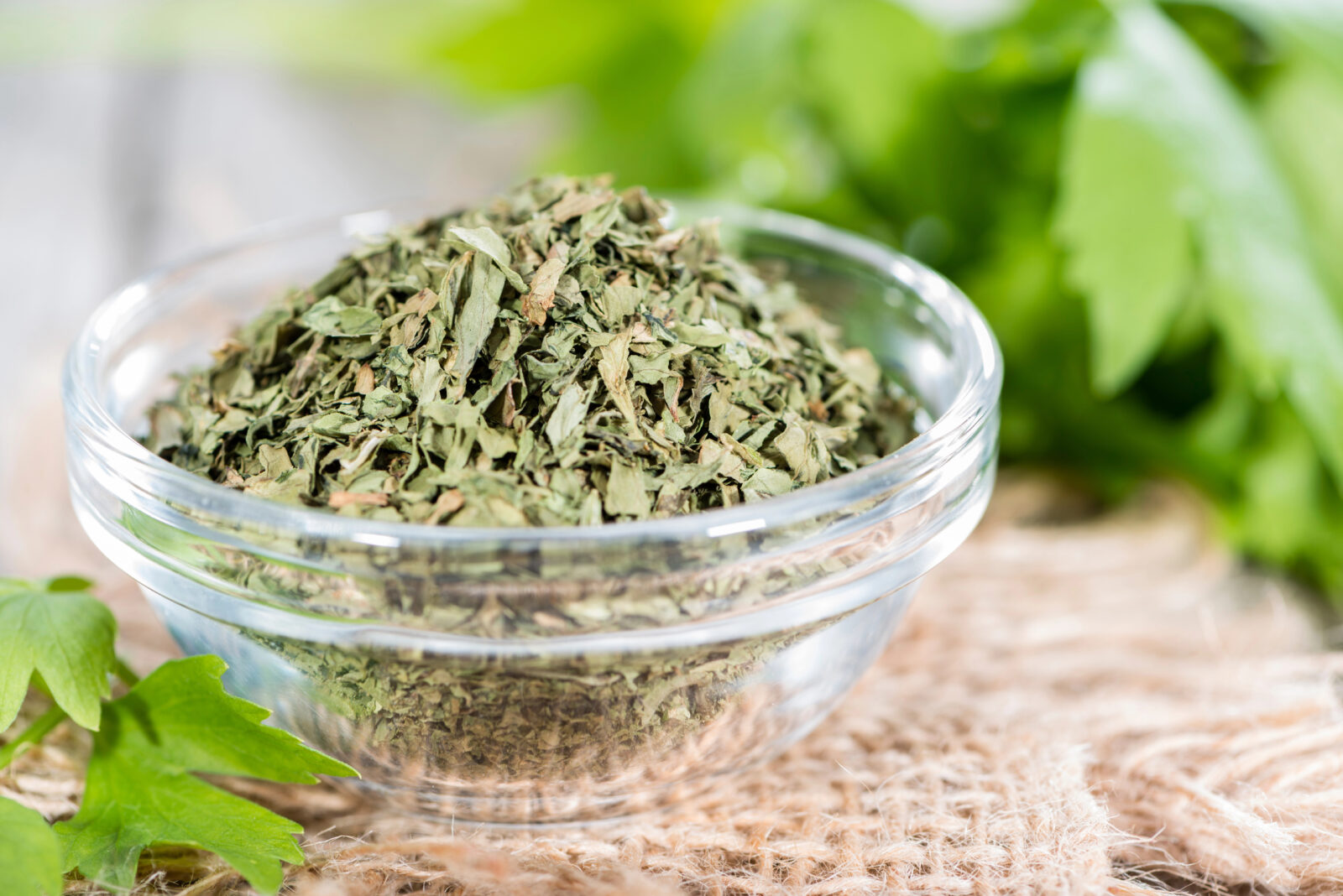
Drying or preserving a mix where lovage is combined with carrot, parsley, celery and other vegetables is also popular. The blend can be dried or preserved with salt to make a versatile all-purpose seasoning for soups, sauces and vegetable dishes. Dried leaves aren’t as fresh as the real thing, but they still add that characteristic aroma and are handy for winter.
Common problems and how to prevent them
Once established, lovage is generally easy and resilient, but a few minor issues can crop up. Young plants can attract slugs and snails, so keep an eye on seedlings in spring. Occasionally you may see leaf damage from pests that favour umbellifers; usually it’s enough to remove affected leaves. Another practical point is self-seeding: if you let seeds ripen, seedlings may pop up around the plant in spring. If you don’t want extra plants, remove the flowerheads in good time or weed out the young seedlings as they appear.
Practical tip: The best flavour is in young growth. If leaves become coarse in summer or the plant is about to flower, cutting back older growth and encouraging fresh regrowth helps.
Source: RHS, The Spruce, MasterClass, Pestrazahrada.cz

A lover of nature, gardens, and everything that moves, blooms, or grows. He literally grows everything, from herbs to rare species, and he enjoys caring for animals just as much. In his work, he connects modern technology with tried-and-tested grandmotherly methods and is happy when both paths lead to the same goal.
Related articles
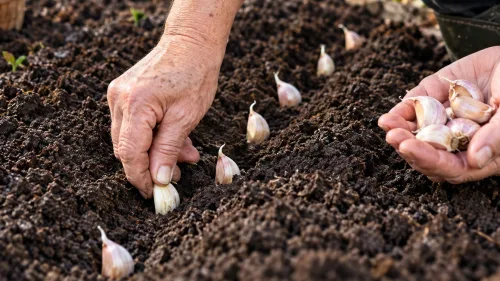
How to Grow Winter Garlic for a Much Bigger Harvest
Autumn planting is the key to strong, healthy winter garlic, but the details make all the difference. With the right timing, bed choice, seed-clove treatment and a simple bicarbonate trick, you can noticeably boost yield.
A tree or shrub planted properly in autumn can outpace spring stock and improve fruiting
Many fruit trees and soft-fruit shrubs establish better when planted in autumn, because roots keep growing while the top is dormant. Done well, this head start means stronger spring growth, less watering, and a healthier first year.
Three Steps That Decide Whether Your Carrots Will Be Straight and Sweet
Carrots are easy to grow, but a few key decisions make all the difference to straight, sweet roots. Choose the right variety, prepare the soil properly, and sow thinly for a steady, trouble-free harvest.
Comments (0)
Be the first to comment.