
 English
  Polski
  Deutsch
  Nederlands
  Svenska
  Norsk
Norsk  Dansk
Dansk  Français
  Italiano
  Español
  Português
  Slovenčina
  Suomi
Suomi  Gaeilge
 What to Get Done in July in the Fruit Garden for Harvest and Winter Stores
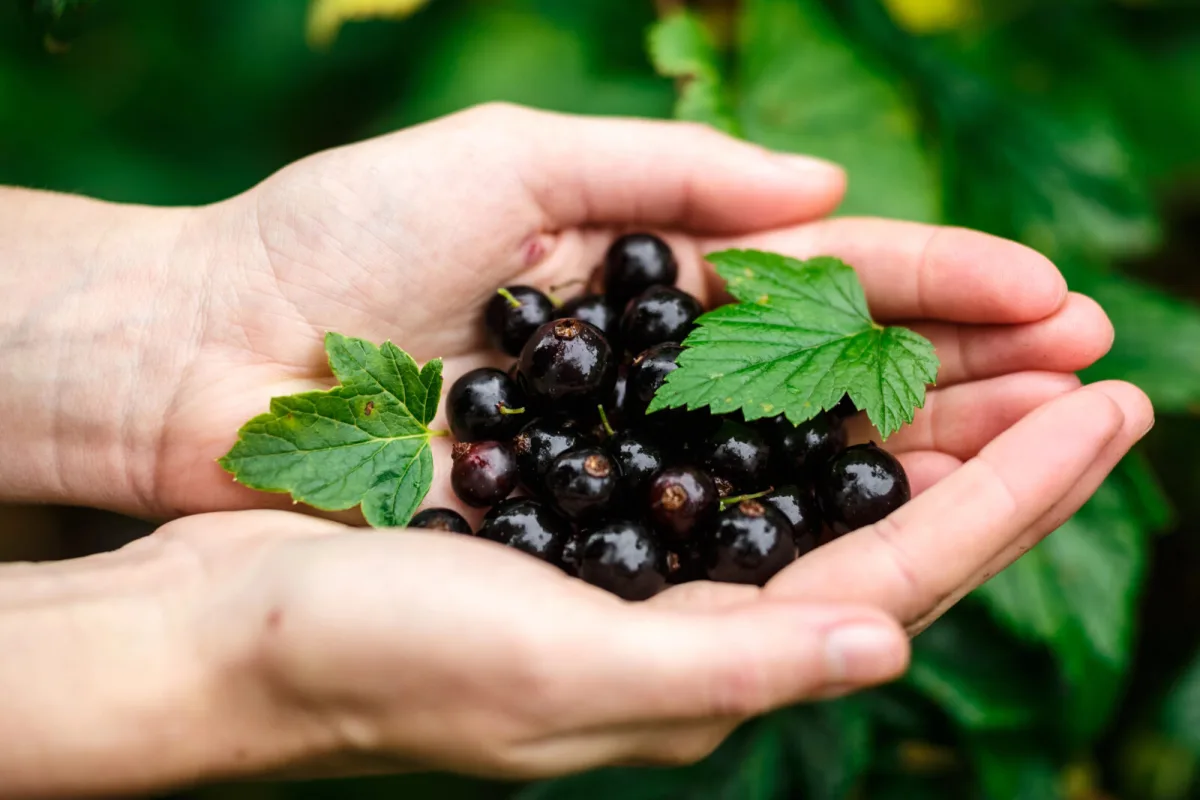
July is often the month when harvesting in the garden meets preparation for the next season. Small soft fruit keeps extremely well for winter, most often by freezing. For the best results, it’s worth selecting only healthy, fully ripe, undamaged fruit. Before it goes into the freezer, the fruit needs cleaning and, above all, must be left to dry completely, because any remaining water encourages clumping and reduces quality after defrosting.
Blackcurrants and redcurrants are best stripped from their stalks first and only then frozen. With gooseberries, it pays to remove both the stalks and the dried flower ends. Jostaberries behave much like currants when frozen, so the method can be practically the same. Raspberries are the most delicate to handle: they bruise easily and after defrosting you often end up with a loose purée rather than whole berries. That’s why it’s important to handle them gently and avoid tipping them from one container to another unnecessarily.
If you want soft fruit to stay free-flowing instead of freezing into a solid block, a simple trick helps. First spread the berries in a single layer on a tray and pre-freeze them briefly. Only then tip them into bags or tubs. They’ll hold their shape better and you can take out smaller amounts as needed. Once defrosted, berries are especially good for cakes, pancakes, smoothies, jams, compotes or fruit sauces. With raspberries and gooseberries, expect them to be softer than fresh, which is why they’re often best used in cooked recipes.
Strawberries after harvest need checking and thinning out
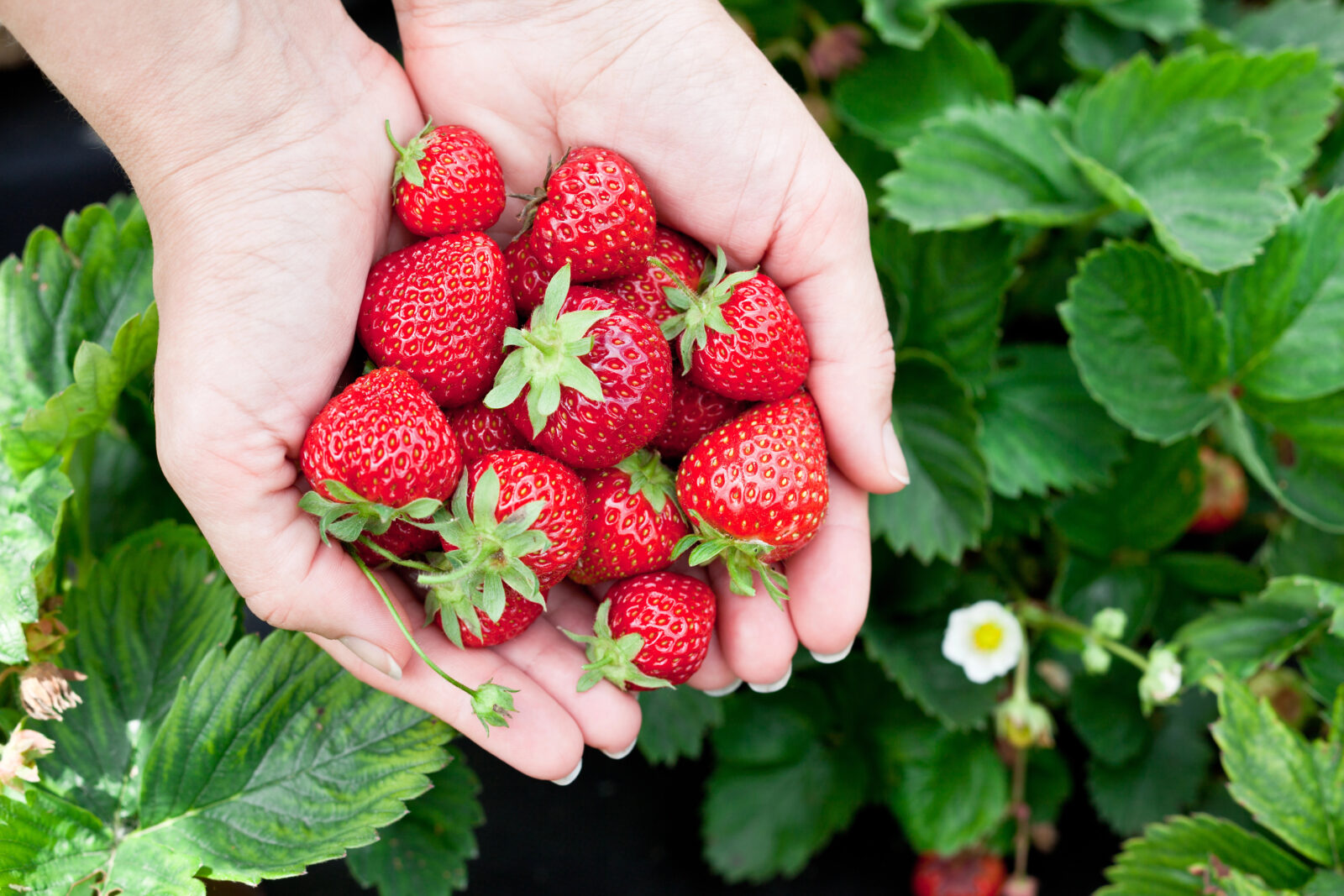
After the last strawberries are picked, the work doesn’t end. Right after harvest is the time to assess the condition of the bed. If the plants are lagging, look tired, and the young leaves curl and become crinkled, it may be an infestation by the strawberry mite. It becomes more established especially in older, overcrowded plantings where humidity stays higher and air circulation is poor. The result is often weaker flowering and a smaller, lower-quality crop.
The mite often arrives with planting material, so it’s sensible to buy plants from reliable sources and keep to the recommended spacing at planting. Warm, humid summers are a risk, as the pest multiplies quickly. In practice, regular renewal of the strawberry bed helps, as does moving to a new site after roughly three to four years. After harvest, it’s worth removing old leaves, opening up the canopy, and discarding damaged or weak plants. Heavily infested plants are best lifted out entirely so the problem doesn’t spread further.
If the mite population builds up, you can also use products intended for mite control. Treatment tends to be most effective shortly after harvest, or early in spring as the pest starts to become active again.
Holes in the leaves of peaches and other stone fruit
With peaches in summer you may notice a typical symptom where the leaves look as if they’ve been peppered with shot. These small holes are caused by a fungal disease known as shot-hole, caused by Stigmina carpophila. It affects not only peach but other stone fruit as well. Besides the leaves, it can also show up on peach and apricot fruit, where small whitish spots with a darker margin develop.
The pathogen overwinters in fallen leaves and on the bark of trees. After bud break, and especially in rainy weather, the infection spreads quickly to young leaves and fruit. At first small spots appear; later the affected tissue drops out and leaves holes behind. Stone fruit are not usually treated routinely for shot-hole, but problems can arise during a prolonged spell of wet weather. If rainy conditions continue, repeated treatments with approved products are recommended at roughly 10 to 12-day intervals. At the same time, varieties that are expected to be harvested within the next three weeks are not treated.
July in the fruit garden is about balance: putting part of the crop away for winter stores, regenerating part of the plantings, and reacting in good time to diseases and pests on sensitive plants.
Source: Zahrádkár, RHS, Gardenery, Pestrazahrada.cz

A lover of nature, gardens, and everything that moves, blooms, or grows. He literally grows everything, from herbs to rare species, and he enjoys caring for animals just as much. In his work, he connects modern technology with tried-and-tested grandmotherly methods and is happy when both paths lead to the same goal.
Related articles
You Can Remove a Hornet Nest Without a Permit If You Meet Legal Conditions
Home and garden owners often worry whether removing a hornet nest could put them on the wrong side of the law. In the Czech Republic, the European hornet is generally protected, but it is not a specially protected species, so removal is usually possible when there is a genuine safety risk.
Grandma’s Favourite Flower Is Back and It’s Surprisingly Easy to Grow
Phlox is a classic cottage-garden perennial that brings rich colour, fragrance, and pollinators into the border with minimal fuss. Choose the right spot for the species, keep moisture even, and you’ll be rewarded with weeks of bloom.
A Simple Plant Propagation Trick That Will Fill Your Garden With Cuttings
Propagating plants can be surprisingly easy when you keep cuttings consistently moist without letting them dry out. This simple plastic-bag method creates a humid microclimate that encourages fast rooting using everyday household items.
Comments (0)
Be the first to comment.