
 English
  Polski
  Deutsch
  Nederlands
  Svenska
  Norsk
Norsk  Dansk
Dansk  Français
  Italiano
  Español
  Português
  Slovenčina
  Suomi
Suomi  Gaeilge
 Picking Fruit in the Garden Has Rules and Can Lead to Hefty Fines
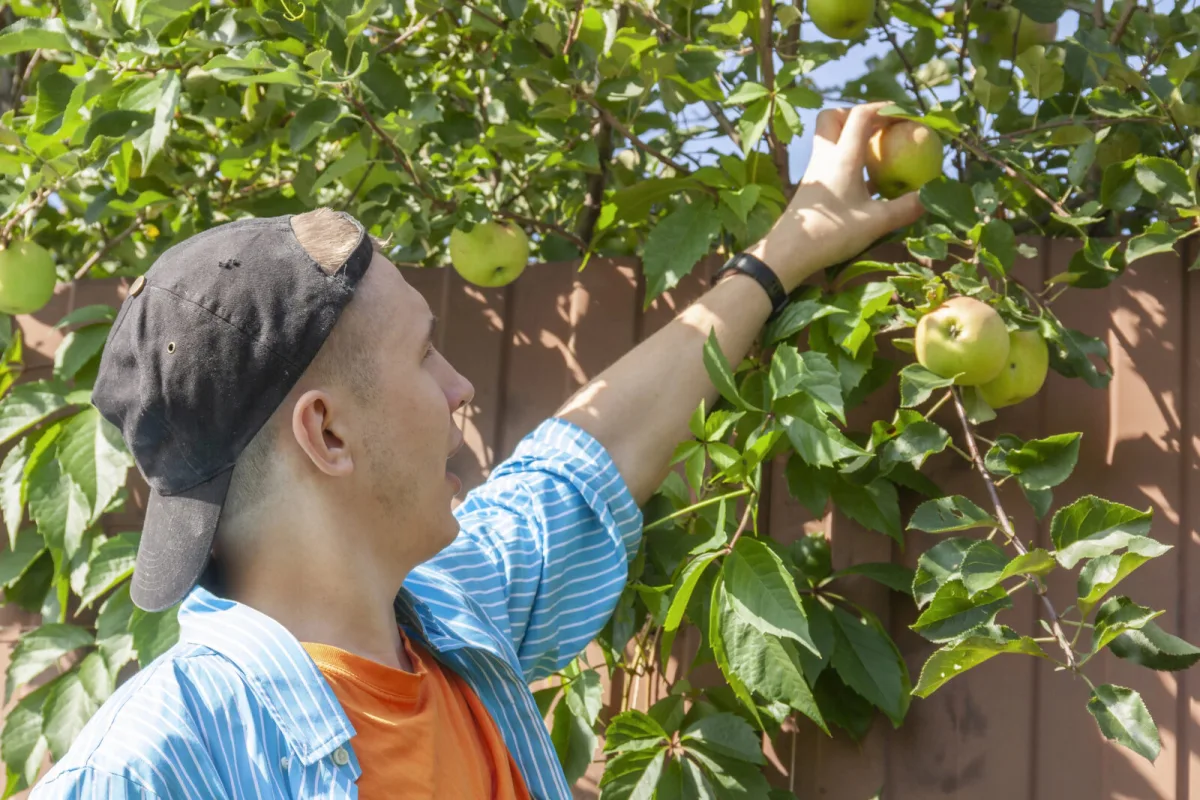
A fruit tree laden with apples or plums can make any gardener happy. But once the tree grows on a property boundary and its branches reach into a neighbour’s garden, questions start to arise about who is actually entitled to the fruit. It’s not just about courtesy and neighbourly relations—in some situations, careless picking can end up being an offence and lead to a painful fine.
Who owns the fruit when it falls over the fence
The basic rule is simple: the tree and the fruit on it belong to the owner of the land where the trunk is growing. However, the moment fruit drops naturally into the neighbouring garden, the situation changes. Fruit lying on the ground on someone else’s property belongs to the owner of that property. In other words, if an apple lands on your neighbour’s side, legally it’s theirs—even if it grew on your tree.
Fruit on the branch is still the tree owner’s property
Many people assume that if a branch overhangs the fence, they can safely pick a few pieces from it. That way of thinking is risky. As long as the fruit is still part of the tree, it remains the property of the tree’s owner, even if the fruit is hanging on the neighbour’s side. Overhanging branches do not automatically create a right to harvest.
When picking can be treated as theft
Without the tree owner’s consent, picking fruit from their branches can be interpreted as unlawful appropriation of someone else’s property. In practice, even a handful of picked apples can be assessed as theft or a misdemeanour, and the consequence may be a fine running into thousands or tens of thousands of Czech crowns, depending on the circumstances. The key point is that the fruit didn’t fall—it was picked from the tree.
Agreeing with your neighbour is usually the best solution
If you want to avoid disputes, the safest route is an agreement. The tree owner can ask the neighbour to allow access to their land so the crop can be harvested. It’s also possible to agree that the neighbour keeps part of the fruit as compensation. In more sensitive situations, it’s practical to have the agreement in writing as well, because relationships can change and the property may pass to a new owner who may not be as tolerant.
What if the neighbour is deliberately stalling
Sometimes there may be suspicion that a neighbour is intentionally delaying permission to enter so the fruit will fall and become theirs. If such conduct caused demonstrable damage, it may be appropriate to address the matter through compensation for damage or legal channels. In practice, though, timely communication and clear rules before the harvest usually help.
Leaves are a different story and are cleared by whoever they fall to
While fallen fruit can bring a pleasant outcome for someone, leaves are usually less cheerful. Leaves that fall onto your property are yours to clear, even if they come from your neighbour’s tree. The same rule applies the other way round. Even here, a good agreement often works so that routine autumn work doesn’t turn into a source of long-term conflict.
Practical advice for a peaceful season
Never pick fruit from someone else’s tree without permission, even if it hangs over your land. The only certainty is an agreement with the owner.
So if you spot an enticing crop by the fence this year, it pays to talk first and harvest second. A few extra fruits can end up being very expensive, while an agreement usually costs nothing and helps keep good neighbourly relations.
Source: Adbz, Zákony pro lidi, Pestrazahrada.cz

A lover of nature, gardens, and everything that moves, blooms, or grows. He literally grows everything, from herbs to rare species, and he enjoys caring for animals just as much. In his work, he connects modern technology with tried-and-tested grandmotherly methods and is happy when both paths lead to the same goal.
Related articles
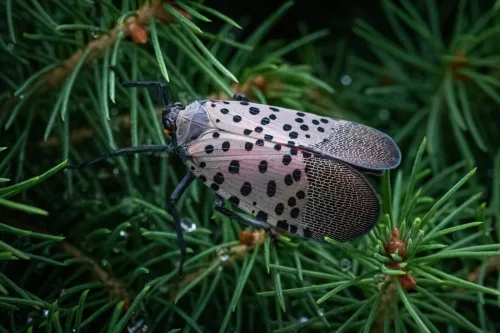
A feared pest from China has reached Europe and it has no Czech name and it devastates everything from grapevines to orchards
Hungary has confirmed the first European detection of Lycorma delicatula, a highly destructive invasive pest known for severe damage to grapevines, fruit trees and many other plants. Authorities have launched quarantine measures to prevent it from establishing and spreading further.
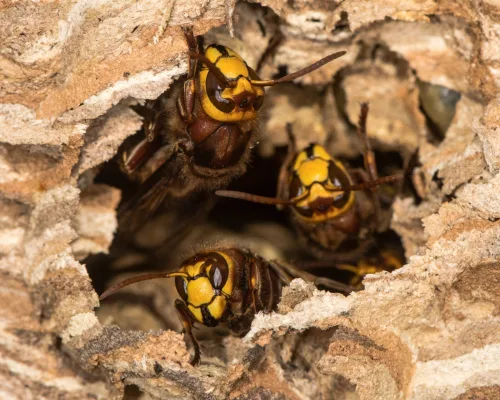
You Can Remove a Hornet Nest Without a Permit If You Meet Legal Conditions
Home and garden owners often worry whether removing a hornet nest could put them on the wrong side of the law. In the Czech Republic, the European hornet is generally protected, but it is not a specially protected species, so removal is usually possible when there is a genuine safety risk.
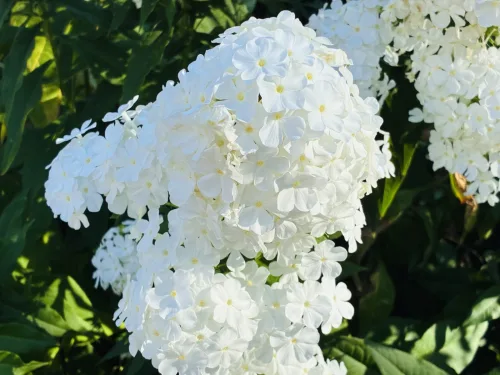
Grandma’s Favourite Flower Is Back and It’s Surprisingly Easy to Grow
Phlox is a classic cottage-garden perennial that brings rich colour, fragrance, and pollinators into the border with minimal fuss. Choose the right spot for the species, keep moisture even, and you’ll be rewarded with weeks of bloom.
Comments (0)
Be the first to comment.