
 English
  Polski
  Deutsch
  Nederlands
  Svenska
  Norsk
Norsk  Dansk
Dansk  Français
  Italiano
  Español
  Português
  Slovenčina
  Suomi
Suomi  Gaeilge
 How to Get Bigger Currants and a Heavier Crop Next Year After Harvest
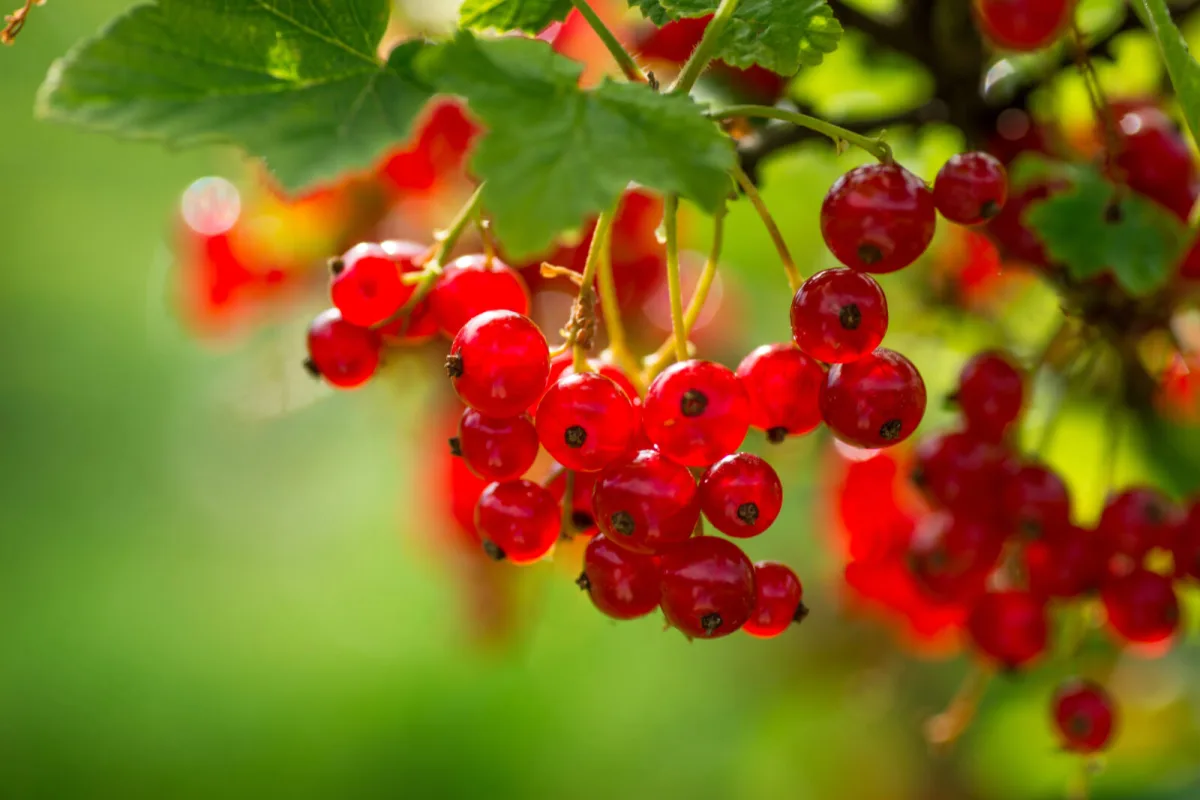
Once you’ve finished harvesting currants, the work in the garden doesn’t stop. This is exactly the time when the bushes are forming buds for the next season, so it’s worth giving them brief but targeted care. If you take a few simple steps after picking, the plant will rest better, regain strength, and next year it will reward you with a heavier set and often larger berries.
Prune currants straight after harvest
The foundation is summer pruning. Remove old, thick branches that are roughly more than five years old, because they tend to be low yielding. At the same time, cut out anything that needlessly clutters the centre of the bush: dry, broken or misshapen shoots, as well as branches that sit too low to the ground and restrict airflow.
It’s also important to remove excess root suckers so the bush doesn’t turn into a dense mass where moisture and disease build up easily. The remaining young shoots are worth shortening by about 5 to 8 cm to encourage branching and the formation of side shoots, which is where currants crop well.
What to do with the leaves and when to leave them alone
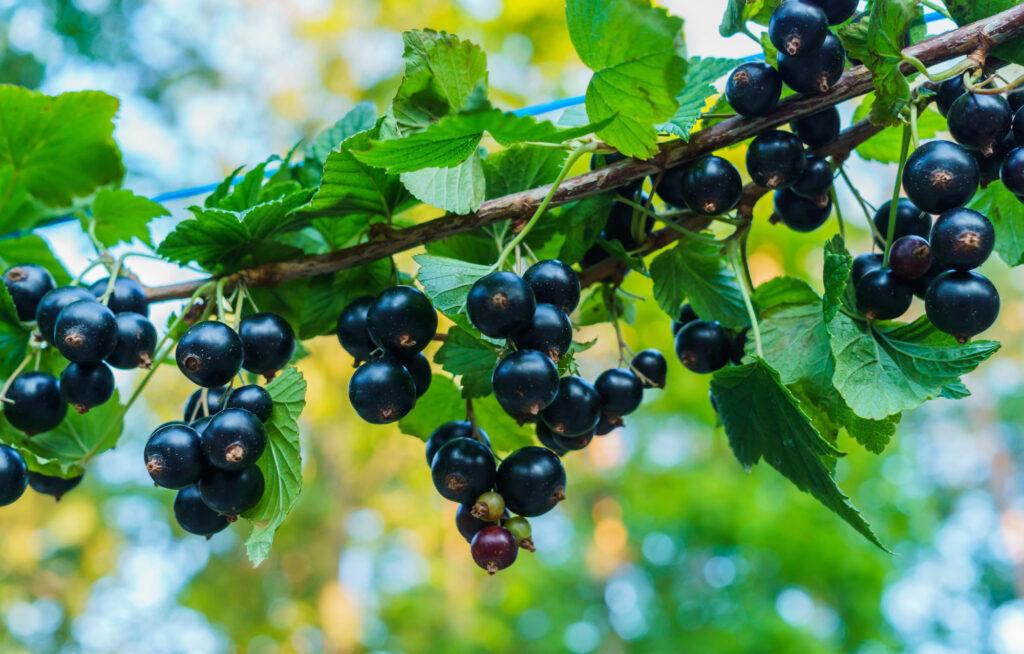
With blackcurrants, if disease is present it pays to remove affected leaves so the infection doesn’t spread further. With red and white currants, on the other hand, it’s generally recommended not to strip leaves and to let them fall naturally, because the plant is still drawing nutrients from them.
Watering after fruiting and why not to use cold water
After harvest, give the bushes a thorough soaking. Red and white currants usually do well with one to two buckets of water per bush. Blackcurrants have roots closer to the surface, so they benefit from a larger amount, roughly three to four buckets. Use water that has stood or at least isn’t ice-cold, because a sudden chill to the soil can stress the plant unnecessarily.
Lightly loosen the soil under the bushes
There’s no need to dig deeply. It’s enough to break up any surface crust and lumps so oxygen can reach the roots and water can soak in more easily. Work carefully, because currant root systems are sensitive and can be damaged easily, especially with blackcurrants.
Summer feeding for strength and next year’s crop set
After pruning and watering, a sensible feed is helpful. In summer, a combination of mineral nutrients and organic matter works well, strengthening the bush without overdoing nitrogen. A common approach is a mix of potassium and phosphorus, for example potassium sulphate with superphosphate, topped up with wood ash as a source of minerals.
Organic fertilisers and simple natural alternatives
For organic feeding, gardeners mainly use liquid feeds made from well-prepared solutions left to steep for several days. Poultry manure must be heavily diluted, commonly at about 1 part to 12 parts water, and applied only in a moderate dose. If you’d rather not handle liquid fertilisers, you can use compost, roughly one bucket under each bush.
In practice, gentle natural nutrient sources also work well, such as burying potato peelings, fish meal, or banana skins in the soil beneath the bush. If you choose a ready-made all-purpose fertiliser, pick one with a higher phosphorus content and no chlorine.
Protection from pests and diseases after summer pruning
After pruning, it’s worth thinking about prevention too, because open cuts and a crowded environment can be an easy entry point for infection. For disinfecting the soil, you can use a weak solution of potassium permanganate. To limit fungal diseases and pests, choose a product intended specifically for currants and follow the label instructions so the treatment is effective and safe.
Results you’ll see next season
If after harvest you open up the currant bush, water well, lightly loosen the soil, replenish nutrients and keep an eye on disease prevention, the plants will set buds better for the following year. The biggest difference is often visible in the next season, when growth is more even, healthier, and the crop tends to be both heavier and better quality.
Source: Gardenia, RHS, To je nápad, Pestrazahrada.cz

A lover of nature, gardens, and everything that moves, blooms, or grows. He literally grows everything, from herbs to rare species, and he enjoys caring for animals just as much. In his work, he connects modern technology with tried-and-tested grandmotherly methods and is happy when both paths lead to the same goal.
Related articles
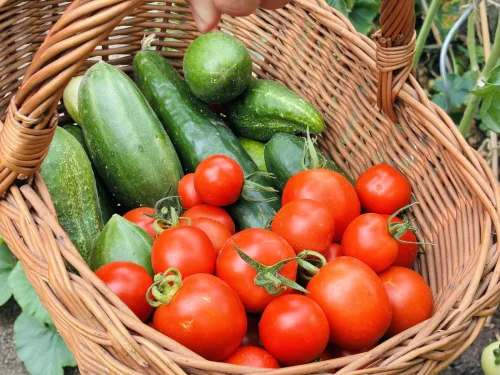
The More Often You Harvest, the Longer Plants Keep Cropping
With fruiting vegetables, frequent picking keeps plants flowering and producing for longer. A few crops, such as aubergines, are tastiest when harvested slightly earlier rather than fully mature.
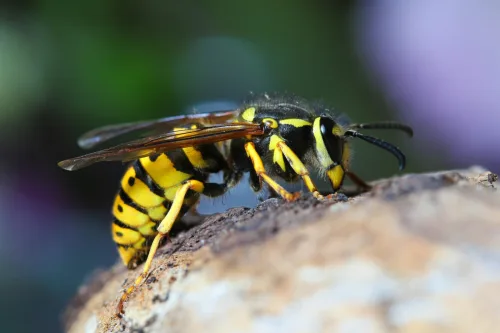
Wasps Aren’t Just a Barbecue Menace They Can Ruin Your Garden Woodwork Too
Weathering isn’t always the main culprit behind damaged outdoor timber. Wasps can scrape fibres from boards and beams surprisingly fast, leaving grooves that soak up water and accelerate decay.
Why hydrangeas wilt in summer even when watered and how to save them fast
Hydrangeas can look limp in hot weather even if you’ve been watering faithfully. The key is to check what’s happening in the root zone, then adjust watering, shade and mulching so the plant can actually use the moisture available.
Comments (0)
Be the first to comment.