
 English
  Polski
  Deutsch
  Nederlands
  Svenska
  Norsk
Norsk  Dansk
Dansk  Français
  Italiano
  Español
  Português
  Slovenčina
  Suomi
Suomi  Gaeilge
 Black Spots on Tomatoes Alarm Growers but It’s Not a Disease
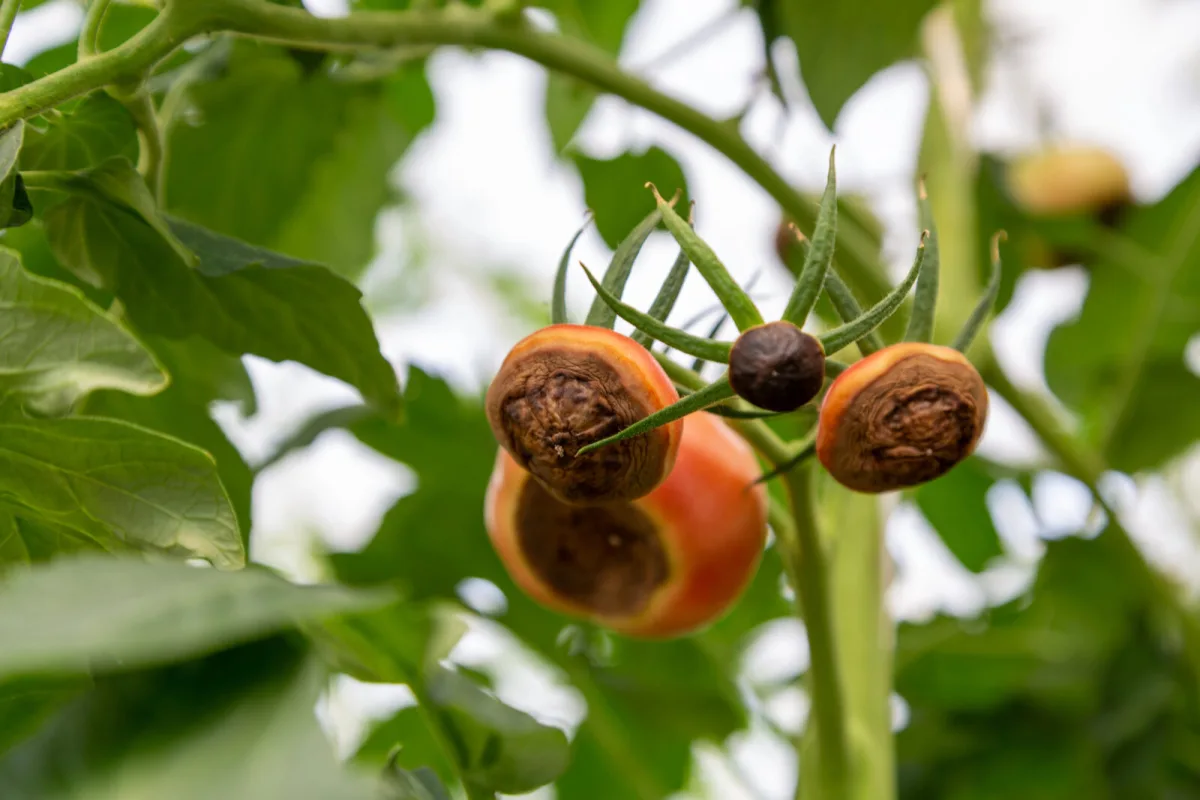
Dark, sunken patches on the end of the fruit can really frighten growers because they look like a serious disease that will wipe out the entire crop. In reality, it’s often neither an infection nor a pest. This issue is known as blossom end rot and it’s a physiological disorder triggered by unsuitable growing conditions. It most commonly affects tomatoes, but peppers and aubergines are often similarly prone, as they’re vegetables with larger, fast-growing fruits.
How to reliably identify blossom end rot
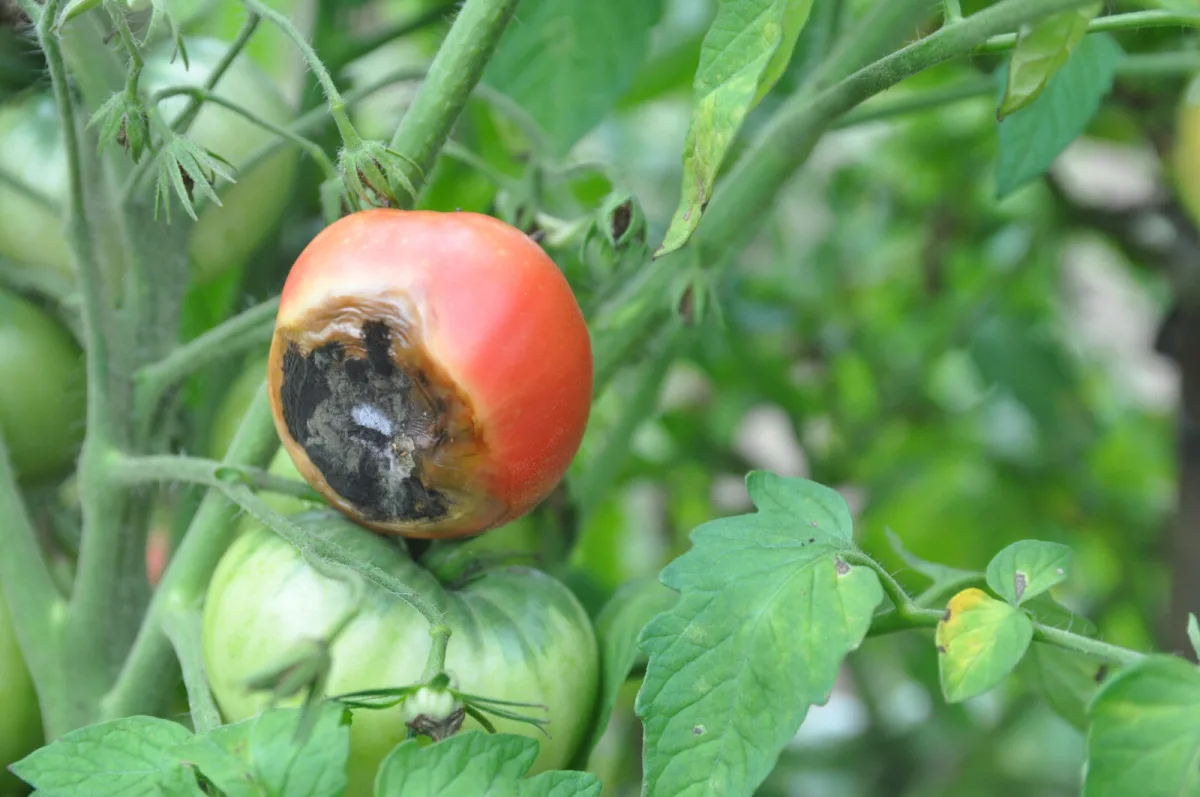
The typical sign is a circular patch at the tip of the fruit where the flower used to be, on the side farthest from the stem. At first it may be greenish-brown, later it darkens to black. As the damage enlarges, the tissue collapses and the fruit tip looks flattened or indented. The size of the affected area varies from fruit to fruit: sometimes it’s just a small speck, other times the patch is several centimetres across and takes up a substantial part of the fruit end.
The real cause involves calcium but also water
The immediate reason it develops is a lack of calcium in the fruit. Calcium is important for the stability of cell membranes and the proper growth of new cells. If tissues don’t get enough, cells begin to lose firmness, may swell excessively, membranes are disrupted, substances leak out, and part of the tissue then dies. The result is the dark, dead, sunken areas we recognise in practice.
It’s important to understand that most of the time it’s not because the soil is short of calcium. There is usually plenty of calcium in garden soils, growing media and in the plant itself. The problem arises when calcium cannot be transported in time and in sufficient quantity to the more distant parts of the plant, namely the fruits. For calcium to move, water has to flow through the plant. When water uptake is irregular, fruits at the end of the supply chain suffer first.
Why fruits are more vulnerable than leaves
Leaves usually get calcium more easily than fruits because they transpire more and drive a stronger flow of water. Fruits are at a disadvantage: they’re farther from the roots and compete less successfully for available calcium and water. So when watering fluctuates, it most often shows up right at the blossom end, where the deficiency becomes localised.
When the risk rises sharply
Growing in restricted root space
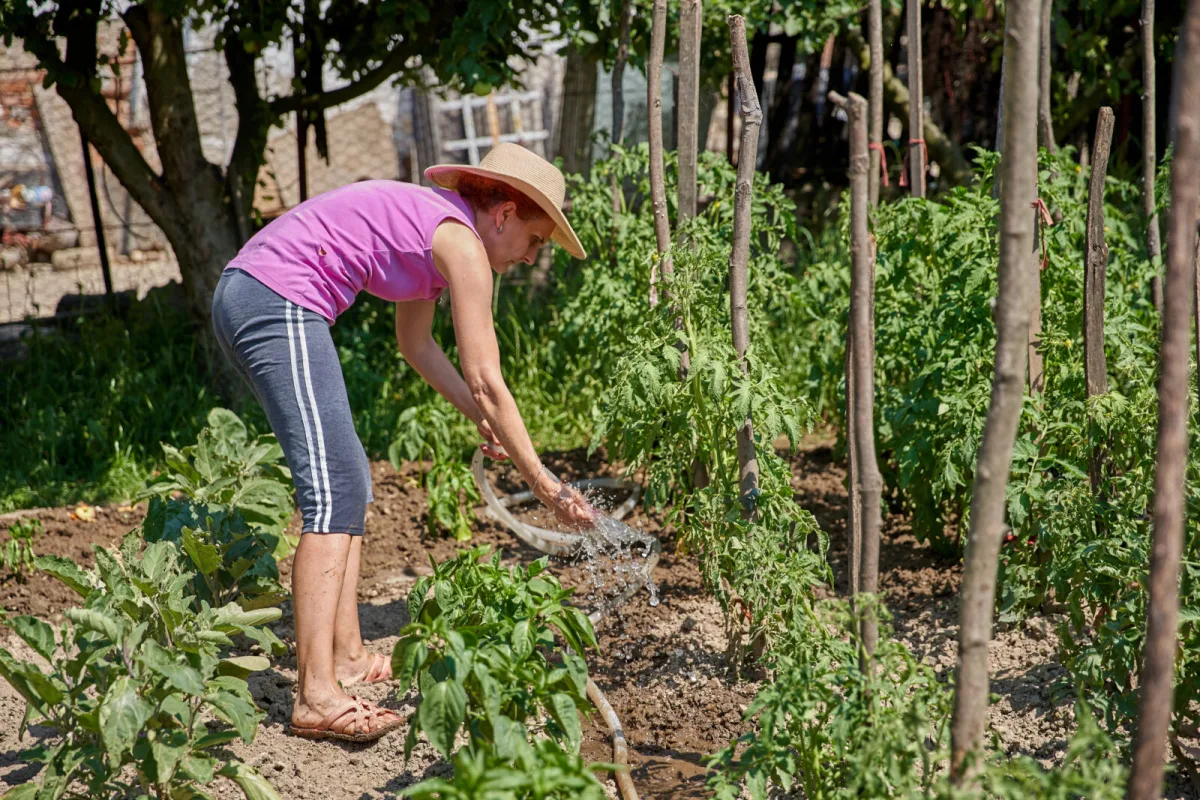
The highest risk is in containers, pots and grow bags, because roots have limited space and the compost dries out more quickly. As soon as it dries out and is then drenched all at once, water flow through the plant swings up and down and fruits may be left without a steady supply of calcium. By contrast, plants grown directly in a bed or in a greenhouse border tend to be more stable, because soil holds moisture more evenly.
Feeding into dry soil and an unbalanced nutrient mix
Excessively high humidity in the greenhouse
Very high humidity can also play a role, because it limits the plant’s natural water movement. In a greenhouse, it helps to ventilate regularly during the day so plants take up water better through the roots and internal flow is steadier.
What to do when the spots appear
Fruits that already have blossom end rot usually can’t be saved. The damaged tissue won’t regenerate and the fruit will be spoiled. It makes sense to focus on prevention for the next fruits that are still developing. Once conditions are stabilised, newly set fruits often develop without further problems.
Prevention is mainly about consistent watering
Keep the compost evenly moist at all times
The basic rule is not to let the soil or compost dry out during the season. On hot days you may need to water twice a day. It’s better to split watering into two smaller doses than to soak once with a large amount, because this keeps moisture steadier and water flow through the plant more continuous. With grow bags, once they dry out significantly, they’re very hard to re-wet evenly, which increases the risk even more.
Use technology or choose a more forgiving growing method
If you know you can’t water often, an automatic irrigation system can help, as can larger containers with a greater volume of compost, or switching to growing in the ground in a bed or greenhouse border. A practical step is also mulching the surface, as it reduces evaporation and keeps moisture more stable around the roots.
Feed cautiously and only into moist soil
Liquid feeds can be useful, but apply them only when the soil is already moist, and always follow the manufacturer’s instructions. That way you avoid an excessive concentration of nutrients in the soil water, which would stress the plant and limit water uptake.
Why calcium sprays usually don’t help
A common reaction is to try to supply calcium via a foliar spray. With blossom end rot, this usually doesn’t work because fruits take up calcium poorly through their surface and the movement of calcium from leaves to fruits is limited. What’s more, some products, for example nitrate-based ones, can encourage lush leafy growth, which then takes an even larger share of available calcium, leaving paradoxically less for the fruits.
What to take into next season
Blossom end rot isn’t a contagious disease, but a signal that the plant has experienced swings in water availability and therefore in calcium supply to the fruits. The best strategy is regular watering without extremes, sensible feeding without applying fertiliser to dry compost, enough space for roots, and in a greenhouse, ongoing ventilation as well. When these small adjustments are maintained, the next fruits usually ripen healthy and the harvest can continue without major losses.
Source: Rhs, Missouri Botanical Garden , Pestrazahrada.cz
Related articles
Next year you can harvest better if you don’t sow carrots where they won’t thrive
Carrot root fly can ruin carrots, parsley and celery from the inside out, often without obvious warning until harvest. Better site choice, rotation, later sowing and simple physical barriers can dramatically cut damage next season.

How to Propagate Roses from Cuttings at Home and Fill Your Garden with Blooms Almost for Free
Want more roses without paying for new plants? With a few healthy cuttings and a simple plastic-bottle mini greenhouse, you can root new bushes at home in just a few weeks.
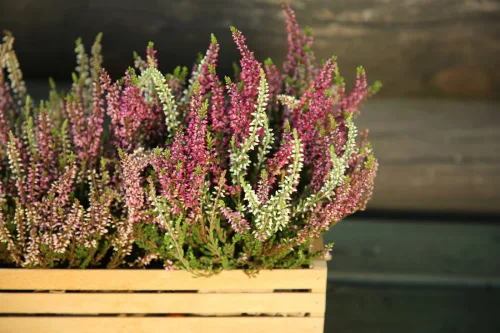
Heathers can cope where other plants won’t, but one soil detail decides everything
Heathers and heaths are tough evergreen shrubs that can flower across the seasons when you choose the right types. Success hinges on matching the plant to your soil pH and ensuring free drainage.
Comments (0)
Be the first to comment.