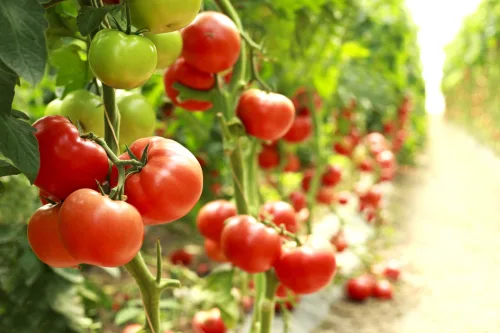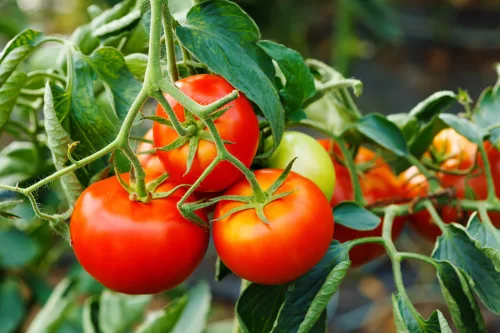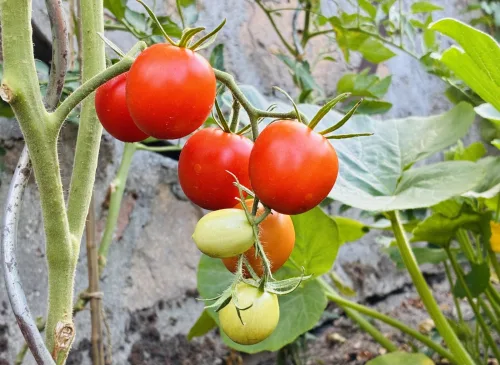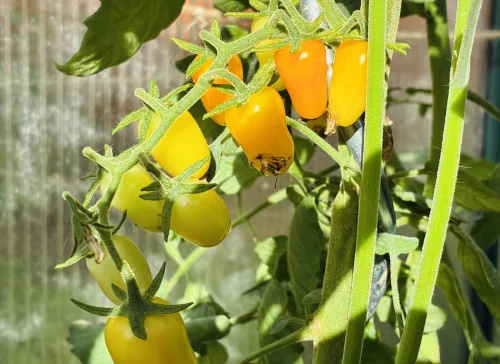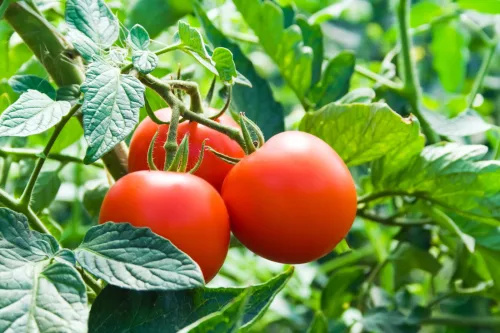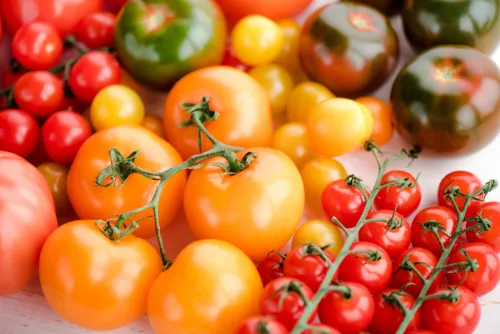


Green tomatoes will turn red in a few days with a simple trick
Cool nights slow tomato ripening just when late-season blight risk rises. A controlled root cut, paired with a few smart pruning steps, can push mature green fruit to colour up faster.
September doesn’t have to mean the end of tomato season. A few targeted tasks can help more fruit ripen and keep plants productive well into late autumn.
Tomatoes don’t have to stay green until late summer. With a few simple, chemical-free tweaks, you can push plants to ripen sooner and protect your crop from cool nights, wet weather and blight.
In August, a few timely jobs can make the difference between a mediocre tomato crop and a long season of sweet, well-ripened fruit. Focus on airflow, steady moisture, sensible feeding, and pest checks to keep plants productive into autumn.
In July, tomatoes shift from leafy growth to flowering and fruiting, and your routine care makes or breaks the crop. Keep watering even, feed consistently, pinch out side shoots, and support plants well—plus add shade during heatwaves.
Loved by some and avoided by others, tomatoes have a surprising backstory that reaches from botany and old myths to space-grown crops. Here are the most intriguing facts about their origins, varieties, and place on our plates.
Botanically, a tomato is a berry and therefore a fruit, but in the kitchen it’s treated like a vegetable. Here’s why both answers can be right, depending on whether you’re speaking as a botanist, a cook, or a lawmaker.