
 English
  Polski
  Deutsch
  Nederlands
  Svenska
  Norsk
Norsk  Dansk
Dansk  Français
  Italiano
  Español
  Português
  Slovenčina
  Suomi
Suomi  Gaeilge
 July Is When Your Tomato Harvest Is Decided
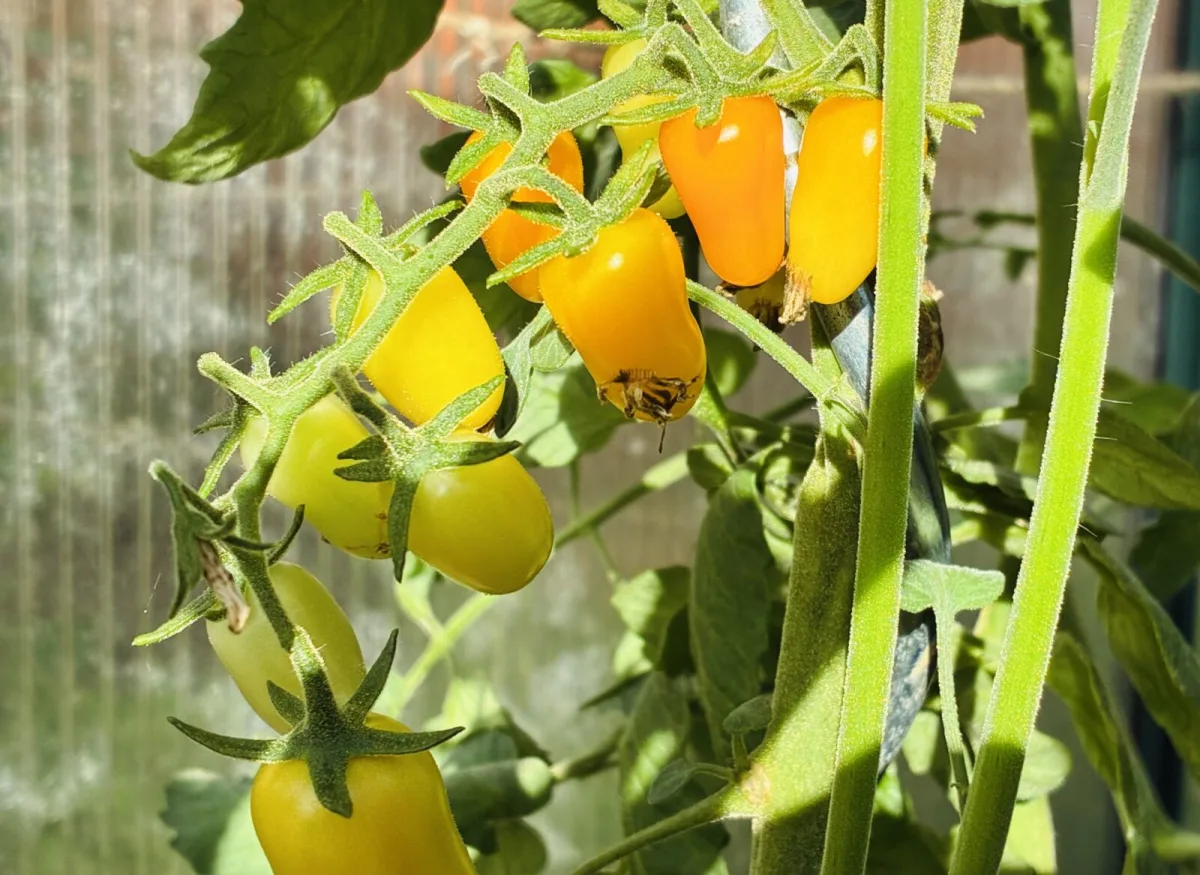
In July, tomatoes usually put on strength quickly, set flowers, and on earlier plants the first fruits begin to appear. Right now is when it’s decided how heavy and high-quality your later harvest will be. The plant gradually shifts energy from making leaves to developing and ripening fruit, so it needs steady conditions. The most important thing is regular, correctly done watering, but feeding, ongoing pinching out, and good support also make a big difference. On hot days, it also helps to think about protection from extreme heat, which can stress tomatoes unnecessarily.
Watch watering and keep it even
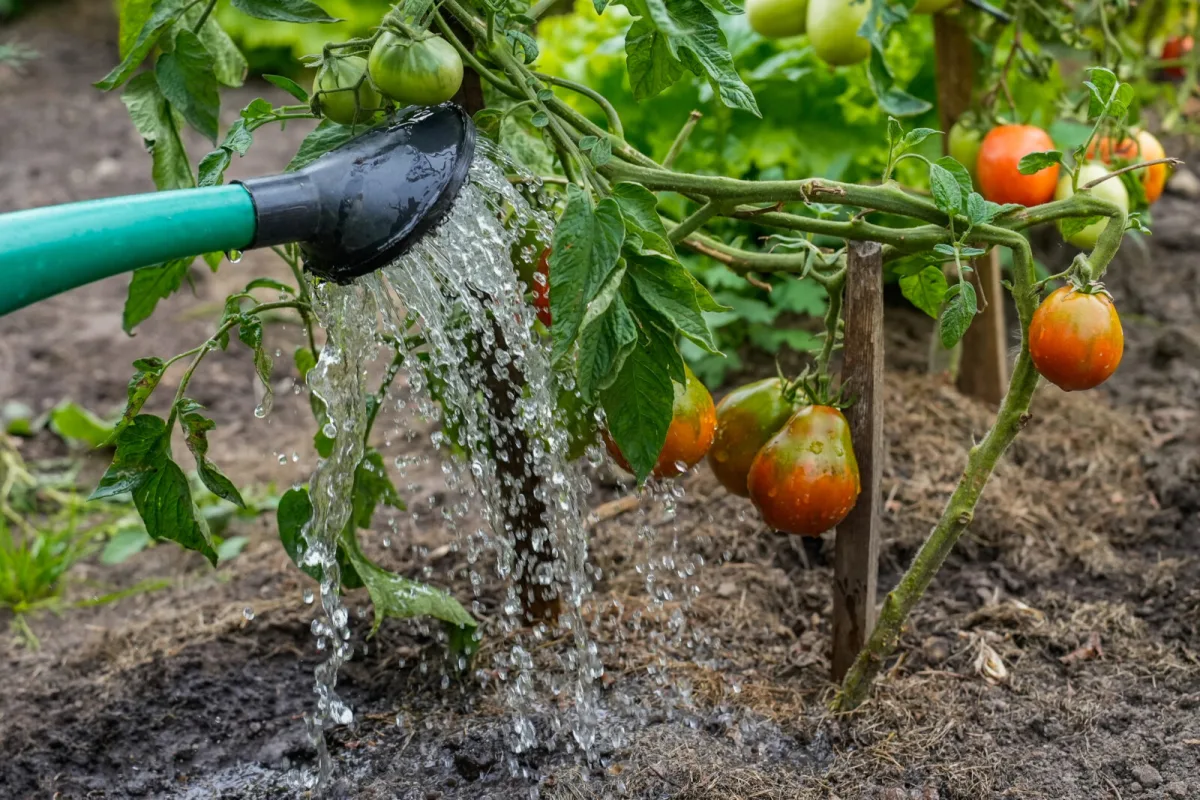
Tomatoes are thirsty plants. They typically need roughly a few centimetres of water a week, but during heatwaves consumption rises sharply, especially when the plant is flowering while also feeding small fruits. At this stage, fluctuating moisture is the most common cause of problems. If the compost or soil dries out completely, the plant may drop blossoms. On the other hand, alternating drought with sudden heavy watering often leads to fruit cracking and can encourage blossom end rot, because the plant can’t manage water and calcium steadily.
The most practical approach is to check moisture right in the root zone, not just on the surface. Simply push a finger about 1–2 cm below the surface, or use a moisture meter. If it’s dry at that depth, it’s time to water. In hot weather you may need to water daily; for container plants, even more often, because pots and grow bags dry out faster than a bed.
Aim water at the roots. Wetting the foliage increases the risk of fungal diseases, which spread more easily in warmth when leaves stay damp. It’s better to water slowly and deeply so roots stay lower down and the plant is more resilient. There’s no single “correct” amount of water, because it depends on the weather, soil type, plant size, and whether you’re growing in open ground, a greenhouse, or containers. The reliable guide is the condition of the soil and consistency—because that’s what makes the biggest difference with tomatoes.
Feed regularly for flowers and fruit
Once tomatoes start flowering, it pays to switch to feeding aimed at fruiting. The fertiliser should have a higher proportion of phosphorus and potassium, which support flowering, fruit set, and colouring up. Nitrogen is important too, but too much can lead to lush foliage at the expense of the crop—an all-too-common July mistake.
Liquid feeds are practical because they reach the roots quickly and make it easy to fine-tune the feeding rhythm. Frequency can be adapted to conditions. Plants in pots, grow bags, and generally any limited volume of compost benefit from more frequent feeding, typically once a week, because watering steadily leaches nutrients. In a bed you can use a weekly routine too, but often an interval of once every two weeks is enough, because soil holds nutrients more steadily than compost in containers.
Consistency matters. When tomatoes get nutrients irregularly, it shows up in growth and in fruit quality. July is exactly when steady care pays back best in the form of full trusses and tasty tomatoes without unnecessary defects.
Pinch out side shoots and open up the plant
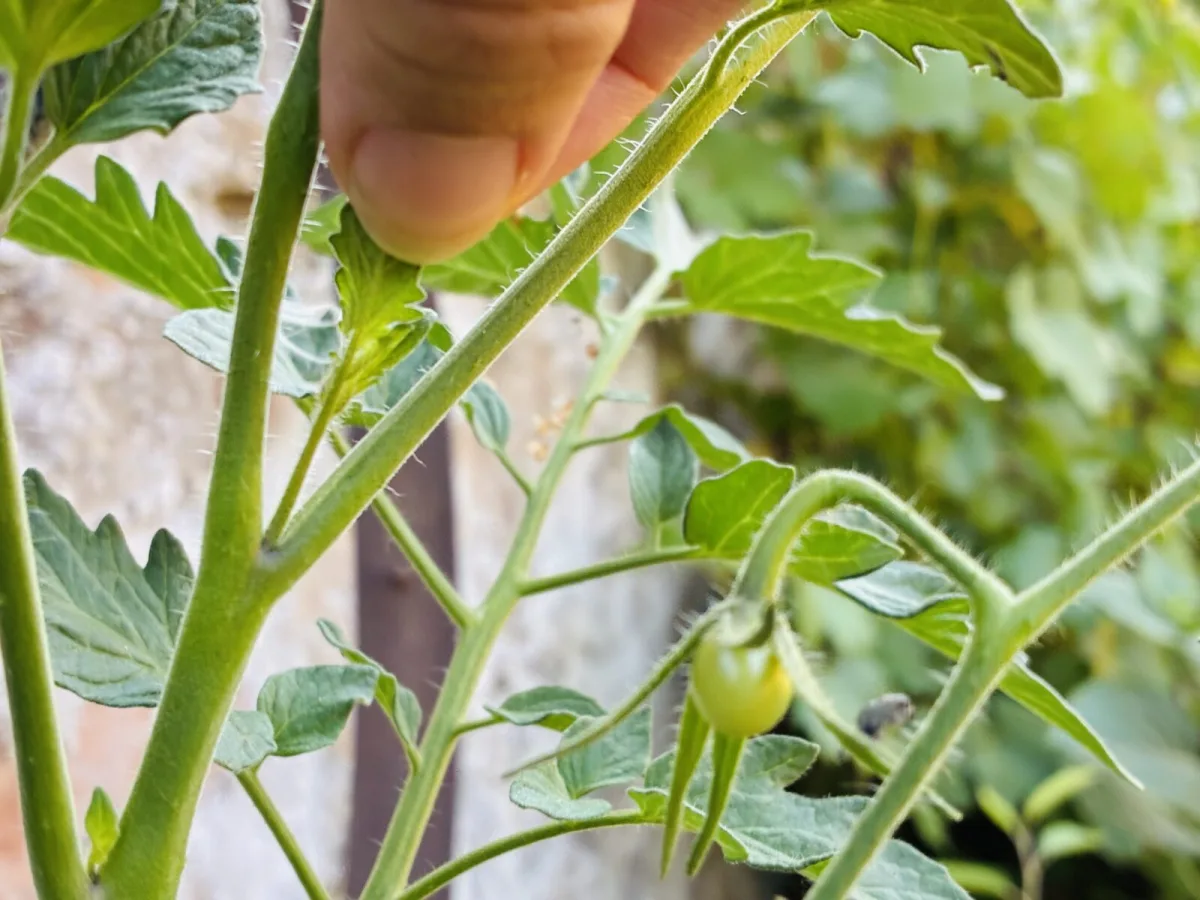
In warmth and sun, tomatoes can grow surprisingly fast. On cordon types, meaning indeterminate varieties, side shoots form in the leaf axils—commonly called suckers. If you let them grow, the plant invests energy into extra stems and leaves instead of directing it into flowers and fruit. In July, it’s worth checking plants at least once a week and snapping out small suckers early.
They’re easiest to remove while small, because you can do it with your fingers and the plant suffers less damage. Once a shoot thickens, it’s better to use clean, sharp snips so you don’t tear the wound. Overgrown shoots also mean a dense canopy that ventilates poorly. And poor airflow encourages disease, because leaves take longer to dry after watering or morning dew.
July care should also include removing the lowest leaves and any leaves that are yellowing or damaged. Lower leaves are closest to the soil, where soil-borne pathogens can splash onto the plant during watering. At the same time, you lighten the plant and improve airflow at ground level, which is a simple step with a big effect.
Give plants support and, in extremes, some shade
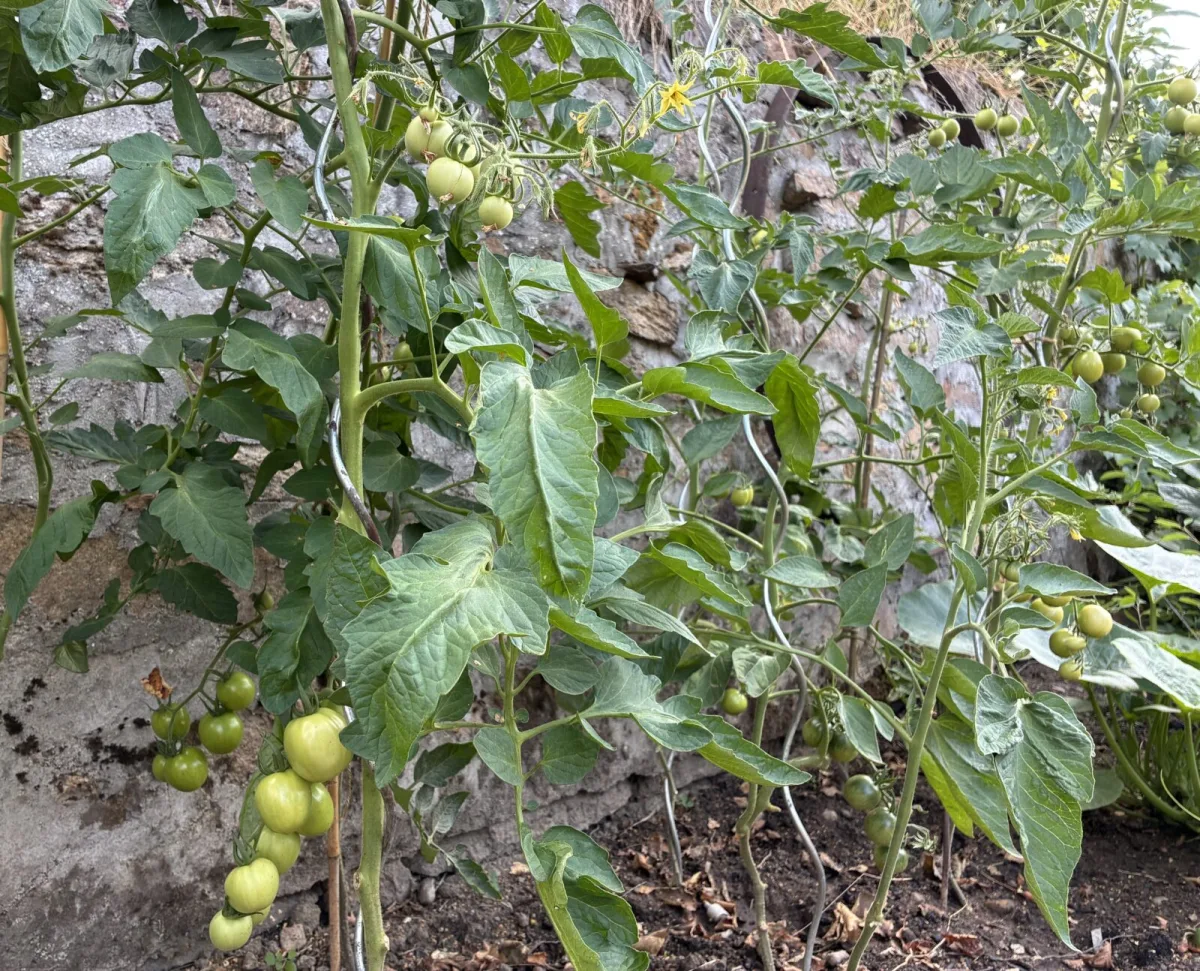
As soon as tomatoes start setting fruit, they gain weight quickly and shoots keep lengthening. Without support, stems bend, sprawl, and in worse cases can snap—meaning you lose part of the crop. Ideally, supports are in place at planting, but if you’ve put it off, July is the time to fix it. You can use stakes, bamboo canes, or a frame, and tie shoots in with a soft tie that won’t cut into the stem. An alternative is cages, which surround the plant and keep it upright.
During heatwaves it’s worth watching temperatures, especially in a greenhouse. Tomatoes like warmth, but at extreme readings they become stressed and may drop blossoms. If the temperature climbs into risky territory, temporary shading helps. Shade netting with light-to-moderate shading can reduce scorching and overheating of leaves and fruit without depriving plants of the light they need. In a greenhouse, it’s also important to ventilate and prevent the space from overheating, because a consistently overheated environment reduces plant vigour.
A July routine is the best route to a generous harvest
If you keep watering steady, feed regularly, pinch out side shoots as you go, and tie plants in well, you’ll end up with healthier plants and a much better chance of evenly ripening fruit that doesn’t crack. Tomatoes respond very quickly to care at this time of year, and small, timely interventions often prevent big problems later. In hot weather, consistency is what counts most, because it keeps plants in good condition even through the days when the sun is at its fiercest.
Source: Homes and Gardens, Envii , Pestrazahrada.cz
Related articles
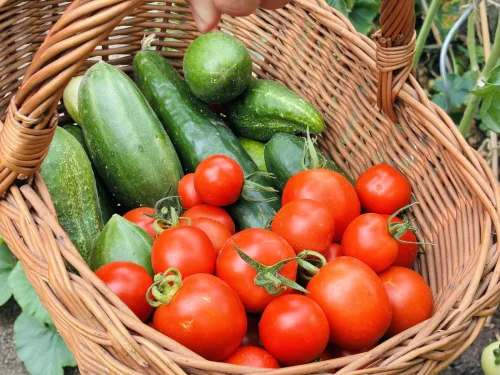
The More Often You Harvest, the Longer Plants Keep Cropping
With fruiting vegetables, frequent picking keeps plants flowering and producing for longer. A few crops, such as aubergines, are tastiest when harvested slightly earlier rather than fully mature.
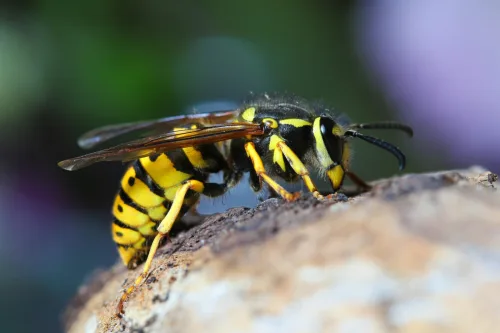
Wasps Aren’t Just a Barbecue Menace They Can Ruin Your Garden Woodwork Too
Weathering isn’t always the main culprit behind damaged outdoor timber. Wasps can scrape fibres from boards and beams surprisingly fast, leaving grooves that soak up water and accelerate decay.
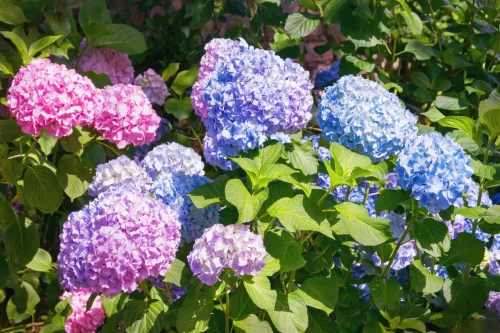
Why hydrangeas wilt in summer even when watered and how to save them fast
Hydrangeas can look limp in hot weather even if you’ve been watering faithfully. The key is to check what’s happening in the root zone, then adjust watering, shade and mulching so the plant can actually use the moisture available.
Comments (0)
Be the first to comment.