
 English
  Polski
  Deutsch
  Nederlands
  Svenska
  Norsk
Norsk  Dansk
Dansk  Français
  Italiano
  Español
  Português
  Slovenčina
  Suomi
Suomi  Gaeilge
 Sweet Carrots from a July Sowing This Method Is Worth Knowing
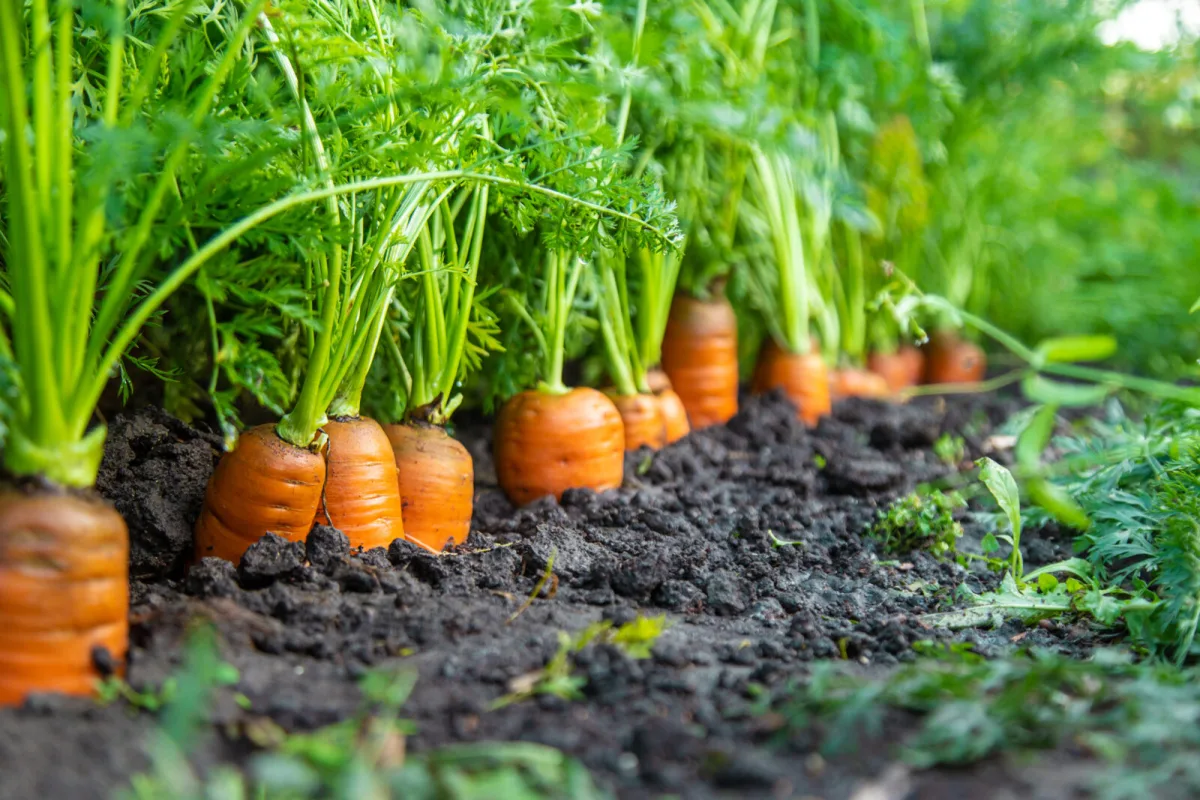
Once you harvest garlic and onions in summer, beds often free up space that would be a shame to leave empty until autumn. July is exactly the ideal time to put that spare patch of garden to work again. Many people don’t even think about sowing anything else at this point, but carrots can be a very pleasant surprise.
Carrots from a later sowing tend to have a much sweeter flavour than those harvested in spring. They’re ideal for using little by little in the kitchen, for salads, for snacking, and for soups. It’s worth bearing in mind, though, that these carrots usually aren’t meant for really long storage through the whole winter. It’s best to use them fresh over time.
What’s usually the biggest problem when sowing carrots
Carrots have tiny seeds that are hard to drop one by one. It’s easy to sow too thickly, the seedlings come up in clumps, and later there’s no choice but to pull some out. Thinning carrots is standard work, but it can be time-consuming and quickly puts people off, especially in summer when you’re also dealing with watering and other garden care.
With a July sowing, it also pays to speed the whole process up. When seeds get off to a slow start, you lose valuable time and, in hot weather, the soil surface can dry out fast. There is, however, a simple method designed to pre-condition the seed so that after sowing it sprouts much more quickly.
A cloth bag trick for faster germination
You’ll need a small, clean cloth bag that you don’t use for anything else. Tip in roughly half a handful of carrot seed. The key is not to overfill the bag; the seeds need space so they can take up moisture evenly and swell.
In the bed, or elsewhere in the garden, dig a hole about 30 cm deep. Put the tied bag of seed into it and cover everything with good soil. At this stage, the aim is to keep the seed in a naturally moist environment where it can gradually build strength and get ready to germinate. This kind of pre-treatment is why carrots often get going noticeably faster afterwards.
After about 10 days the seeds are usually visibly swollen, larger, and sometimes almost sprouting already, so they respond faster after sowing.
Starch as a helper for more accurate sowing without endless thinning
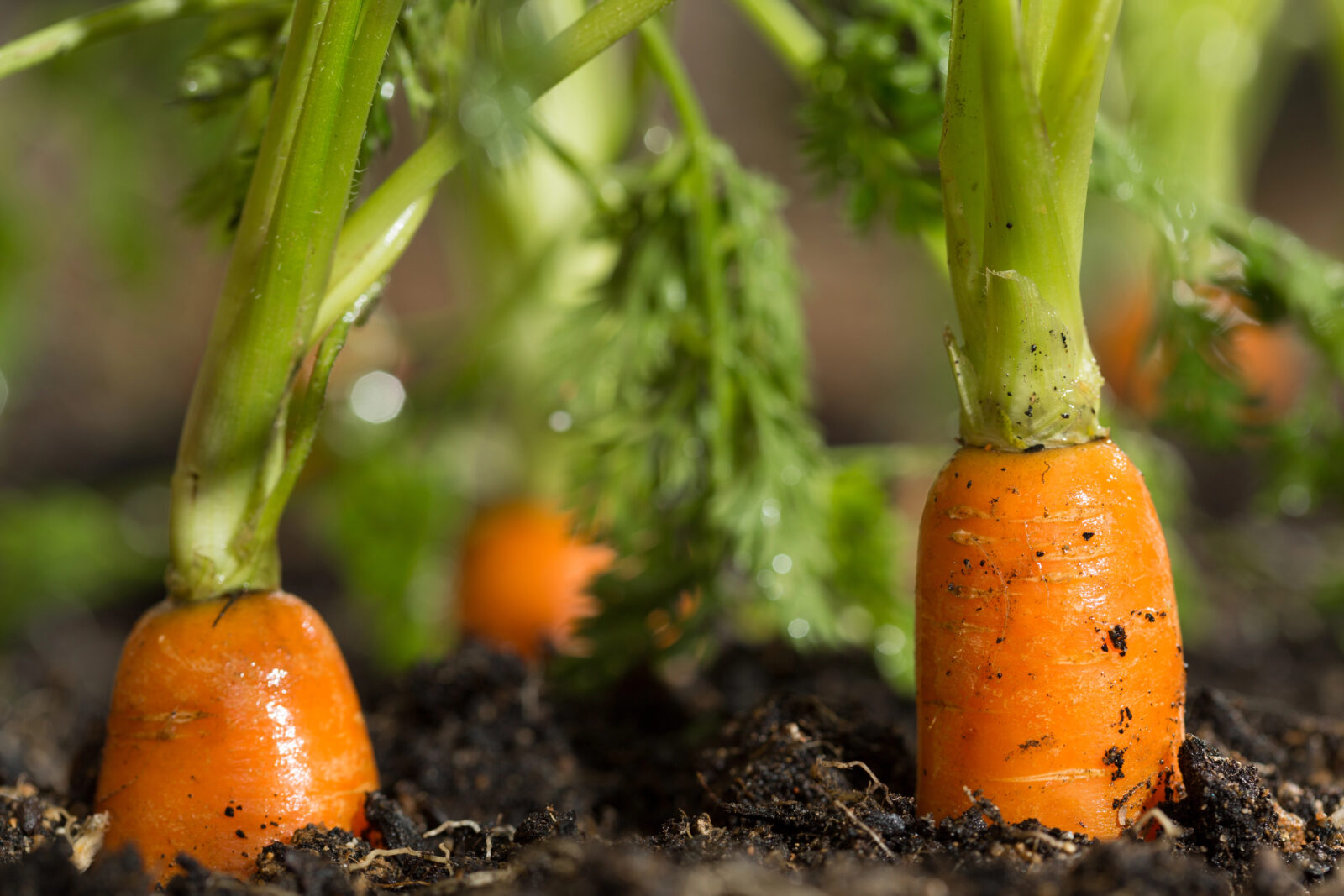
After roughly ten days, take the bag out and tip the seeds into a bowl. Add ordinary potato starch and mix everything so the seeds stop sticking to your fingers. This small step has two benefits. First, the seeds are easier to portion out and you can see them more clearly as you sow. Second, it reduces the risk of sowing them in thick clusters, which means less thinning later on.
Then sow in the usual way into prepared soil. If the ground is very dry, it’s better to water the bed before sowing, but it’s worth waiting until the water has soaked in and the surface has settled a little. Then place the seeds at regular spacing so the future carrots have room to grow straight and develop a good-sized root.
Watering after sowing and when to expect the first seedlings
After sowing, don’t overwater the soil unnecessarily. Frequent sprinkling can create a harder crust on the surface, which delicate shoots struggle to push through. If the seed has been started properly and the soil was reasonably moist beforehand, there’s usually no need to water again straight away.
With this method, the first shoots often appear very quickly, roughly 3 to 5 days after sowing, depending on temperature and soil conditions. After that, normal summer care is enough: keep an eye on the bed drying out and harvest the sweet late carrots as needed. The result is a tasty crop that’s quickly put to use in the kitchen and, thanks to its sweetness, is often a hit with children too.
Source: RHS, GrowVeg, MasterClass, Pestrazahrada.cz

A lover of nature, gardens, and everything that moves, blooms, or grows. He literally grows everything, from herbs to rare species, and he enjoys caring for animals just as much. In his work, he connects modern technology with tried-and-tested grandmotherly methods and is happy when both paths lead to the same goal.
Related articles
The More Often You Harvest, the Longer Plants Keep Cropping
With fruiting vegetables, frequent picking keeps plants flowering and producing for longer. A few crops, such as aubergines, are tastiest when harvested slightly earlier rather than fully mature.
Wasps Aren’t Just a Barbecue Menace They Can Ruin Your Garden Woodwork Too
Weathering isn’t always the main culprit behind damaged outdoor timber. Wasps can scrape fibres from boards and beams surprisingly fast, leaving grooves that soak up water and accelerate decay.
Why hydrangeas wilt in summer even when watered and how to save them fast
Hydrangeas can look limp in hot weather even if you’ve been watering faithfully. The key is to check what’s happening in the root zone, then adjust watering, shade and mulching so the plant can actually use the moisture available.
Comments (0)
Be the first to comment.