
 English
  Polski
  Deutsch
  Nederlands
  Svenska
  Norsk
Norsk  Dansk
Dansk  Français
  Italiano
  Español
  Português
  Slovenčina
  Suomi
Suomi  Gaeilge
 How to Cook Apricot Jam That Keeps Its Bright Color for Weeks
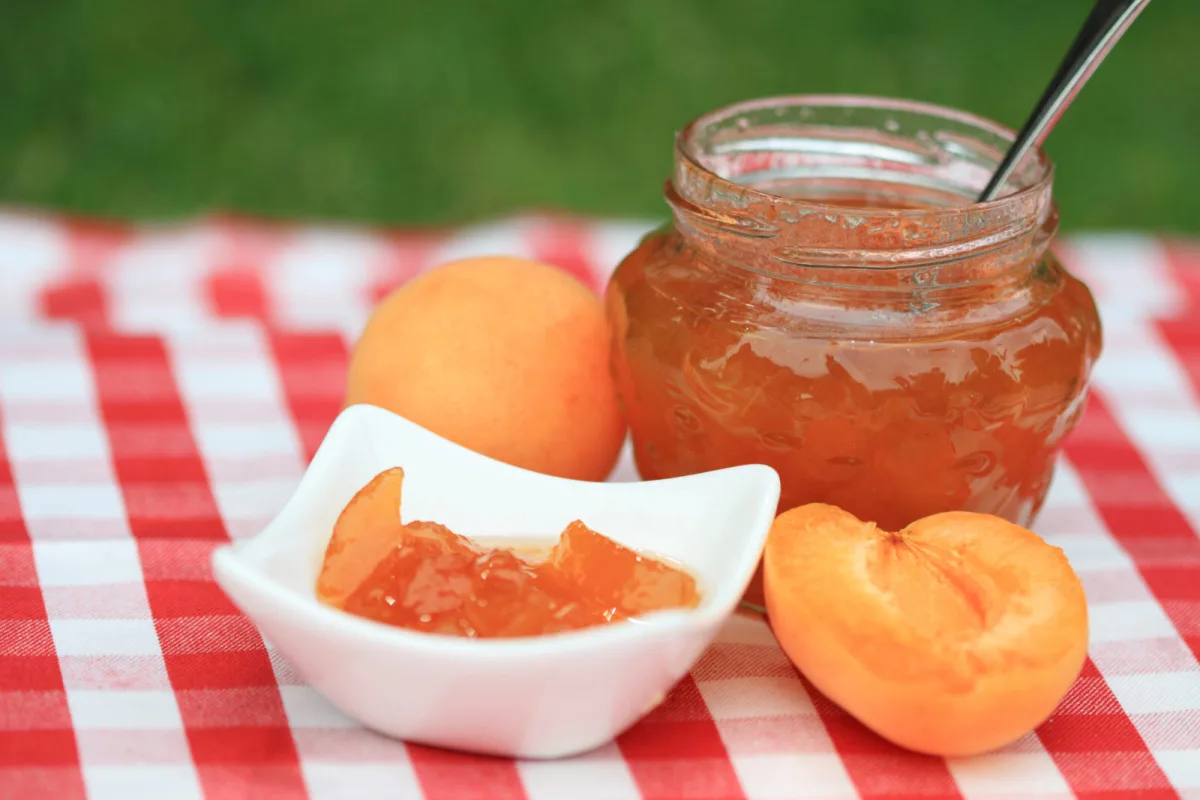
Much like strawberry jam, apricot jam often loses its fresh orange color after a few weeks in jars and can start to look unappealingly brown. That doesn’t automatically mean it has gone bad; browning is, in most cases, a natural process. What determines how quickly and how dramatically the color fades, however, comes down to small details that are easy to miss during preparation.
Apricots are prone to darkening shortly after they’re cut. As soon as the flesh comes into contact with air, the effects of oxidation begin to show on the surface. When making jam, this effect can be amplified—especially if the fruit sits around prepared in a bowl for too long, or if it’s cooked longer than necessary.
Long cooking and air in the jar are the most common culprits
One of the main reasons for color loss is cooking for too long. When you cook a large pot of jam all at once, it takes longer for the necessary amount of liquid to evaporate and for the mixture to thicken. The longer apricots are exposed to high heat, the faster they fade and brown, and they also lose some of their fresh, fruity flavor.
Another issue can arise even after preserving. Sometimes only the top layer in the jar turns brown, which you can simply spoon off after opening. Other times, the color darkens through almost the entire jar and the jam looks dull. The air trapped under the lid plays a big role here. If you leave too much headspace in the jar, you’re giving oxidation ideal conditions.
Methods that keep the jam a nice orange
The surest approach is to work in smaller batches. Instead of one big pot, it’s more practical to cook about 1.5 to 2 kilograms of apricots per batch. You’ll have better control over cooking time, and the jam won’t be overheated unnecessarily. Wash ripe, soft apricots, pit them, and cut into smaller pieces. Then mix with sugar—typically about 600 to 700 grams per 1 kilogram of fruit, depending on how tart the apricots are.
It also helps to let the sugared fruit rest until the next day in a cool place. The apricots release their juice, mash more easily into a pulp, and once heated the jam reduces faster. That means long cooking usually isn’t needed, and about 10 to 15 minutes is often enough to reach the right consistency. This short cooking time is one of the most important points for preserving color.
Citric acid or lemon as simple protection against oxidation
Before you start cooking, it’s a good idea to add lemon juice or citric acid. For 1 kilogram of fruit, people commonly add about 1/2 to 1 teaspoon of citric acid, or the equivalent amount of lemon juice. This helps slow oxidation, so the apricot jam keeps a brighter shade for longer.
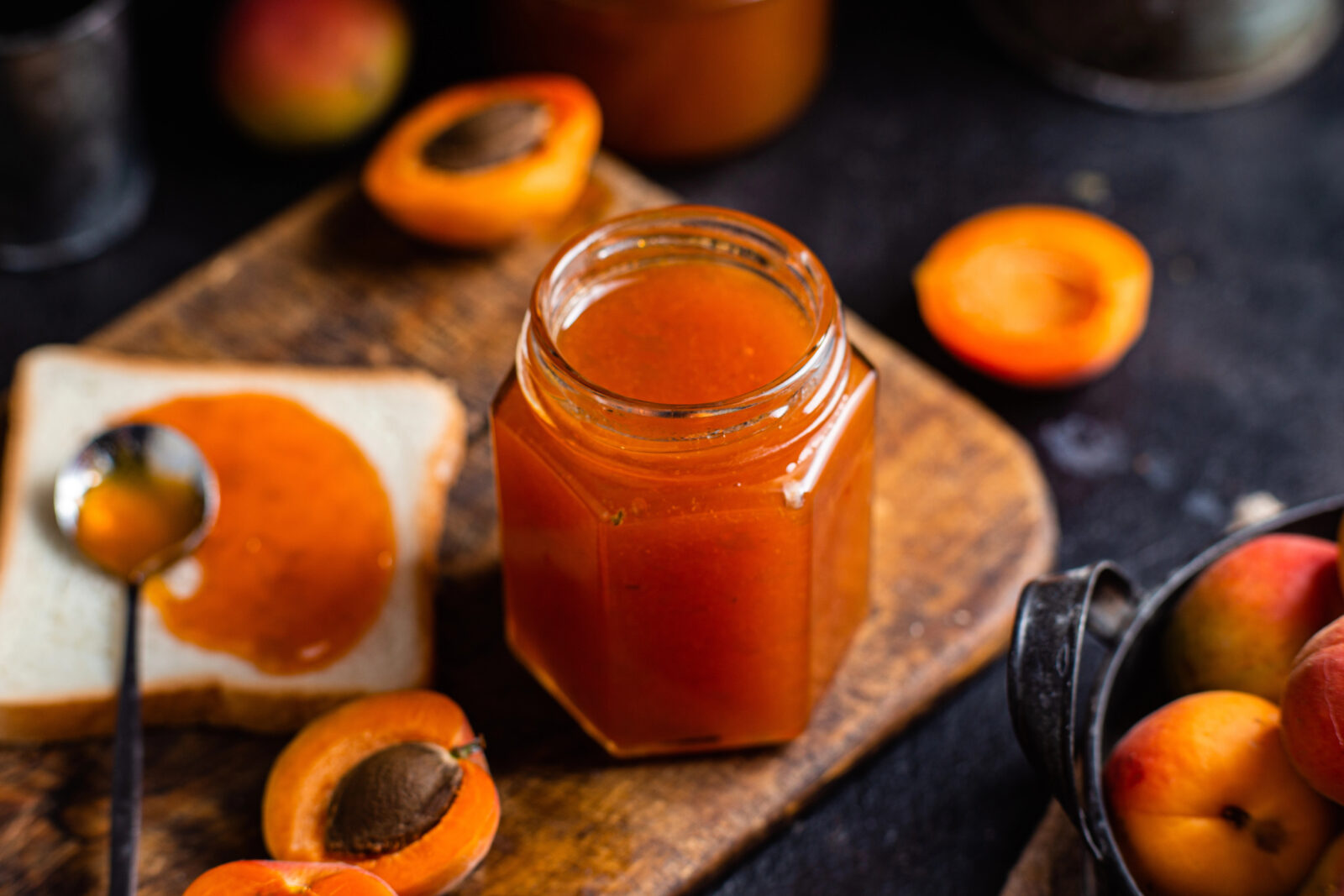
In some households, one more small trick is used. A pinch of citric acid is added directly into the jars, sprinkled over the surface of the filled jam. It isn’t essential, but it can help especially where jam usually browns fastest—right at the top layer.
Filling jars right to the top extends color and shelf life
Fill your jars properly. The headspace from the rim should be only about 0.5 to 1 centimeter. The less air left in the jar, the lower the risk that the color will darken later. Decorative jars filled only two-thirds may look nice in photos, but they aren’t ideal for jam quality and keeping, because too much air remains inside.
Proper storage protects pigments from light
Even perfectly made jam can lose color over time if it’s stored in light or warmth. The pigments responsible for that apricot orange are sensitive to light, which gradually breaks them down. That’s why finished jars belong in a cooler, dark pantry or cupboard. A more stable temperature and minimal light will help keep both color and flavor in their best condition for longer.
Source: Urob si sám, Jidlo.cz, Recept.sk, Pestrazahrada.cz

A lover of nature, gardens, and everything that moves, blooms, or grows. He literally grows everything, from herbs to rare species, and he enjoys caring for animals just as much. In his work, he connects modern technology with tried-and-tested grandmotherly methods and is happy when both paths lead to the same goal.
Related articles
Summer Lecho with Fresh Vegetables Tips for Perfect Flavor and Texture
Lecho is a simple summer staple built on ripe tomatoes, peppers, and onions. With the right ratio and gentle cooking, it turns into a juicy, vibrant dish that’s perfect fresh or preserved for later.
Zucchini flowers as a summer delicacy
Many zucchini flowers never set fruit and end up wilting on the plant. Yet they’re edible, delicately flavoured, and perfect for quick frying, stuffing, or baking.
Comments (0)
Be the first to comment.