
 English
 Polski
 Deutsch
 Nederlands
 Svenska
 Norsk
 Dansk
 Français
 Italiano
 Español
 Português
 Slovenčina
 Suomi
 Gaeilge
Snakes Overwinter Under Sheds and in Compost Heaps, There’s No Need to Fear Them and Their Work Is Priceless
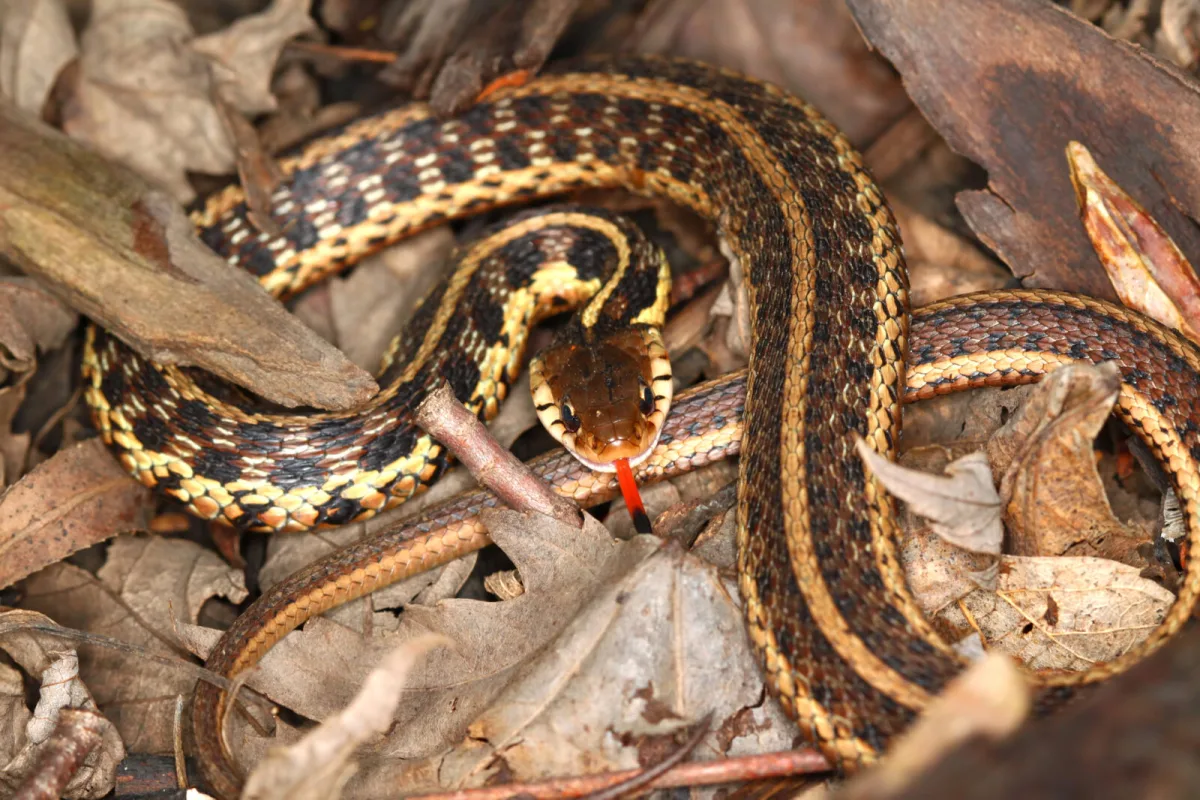
When autumn cools things down, many animals start to change their behaviour. Birds head for warmer regions, mammals grow thicker coats, and some creatures lay in food stores. Snakes, though, work differently. Even if they may be fairly common in gardens, meadows or along stony tracks in summer, once winter arrives it can seem as if they’ve vanished. In reality they don’t go far at all. They simply seek out a safe place to get through the cold spell.
Snakes are reptiles and are ectothermic, meaning they don’t produce body heat the way humans and other mammals do. Their body temperature depends on their surroundings. That’s why on warm days we can see them basking on stones, timber or along path edges. The sun gives them the energy they need for movement and digestion. But once frosts arrive, that kind of warming is no longer enough.
What snakes do when it turns cold
As temperatures fall, a snake’s metabolism, heart rate and breathing slow down. They stop being active and gradually reduce food intake. In cold conditions their bodies couldn’t process food properly anyway. So instead of hunting through winter, they focus on one thing: finding a hideaway with as steady a temperature as possible.
This winter slow-down is often compared to hibernation, but for snakes it’s more accurate to talk about a state similar to brumation. It isn’t a deep, uninterrupted sleep. The snake is heavily slowed, conserving energy and spending most of its time hidden, but on an unusually mild winter day it may briefly appear at the surface to warm up or drink, then retreat back into shelter.
A hibernaculum, snakes’ safe winter home
The place where snakes get through winter is known as a hibernaculum. It needs to be a space where temperatures don’t drop below freezing and where they’re protected from wind, damp and predators. In warmer areas, a rotting log, a woodpile or a compost heap may be enough. In colder regions they move deeper into the ground, often below the frost line.
Typical winter refuges include abandoned rodent burrows, rock crevices, dry-stone walls, spaces under sheds and terraces, or beneath old boards and piles of stored materials. A garden can offer snakes far more hiding places than most people realise. That doesn’t mean they’re dangerous or that they actively seek out houses. They’re usually looking for peace and quiet, dryness and stable conditions.
Why several snakes may share one shelter
Finding the perfect winter refuge isn’t easy. Well-protected spots with the right temperatures aren’t unlimited in the landscape, so it’s common for multiple snakes to share the same shelter. For some species this is completely normal. Overwintering together helps them make it through harsh conditions, and in spring it also makes it easier to find a mate.
That’s exactly why, in spring, you may occasionally come across a larger tangle of snakes. It can be frightening, but it’s simply natural behaviour linked to breeding. After winter, snakes perk up, bask, and take advantage of being close to other individuals.
Climate and species both make a difference
How long snakes remain inactive depends on climate, elevation, weather patterns and the species itself. In colder areas they may retreat as early as October and stay sheltered until early spring. In milder regions their winter routine is looser. When it warms up, they may appear briefly even mid-winter, then tuck themselves away again as soon as cold returns.
Some non-venomous species adapt well to living near people, while others prefer more remote natural habitats. In general, though, snakes aren’t attracted to humans—they’re attracted to suitable shelter and an adequate food supply during the active season.
Why snakes are useful in the garden
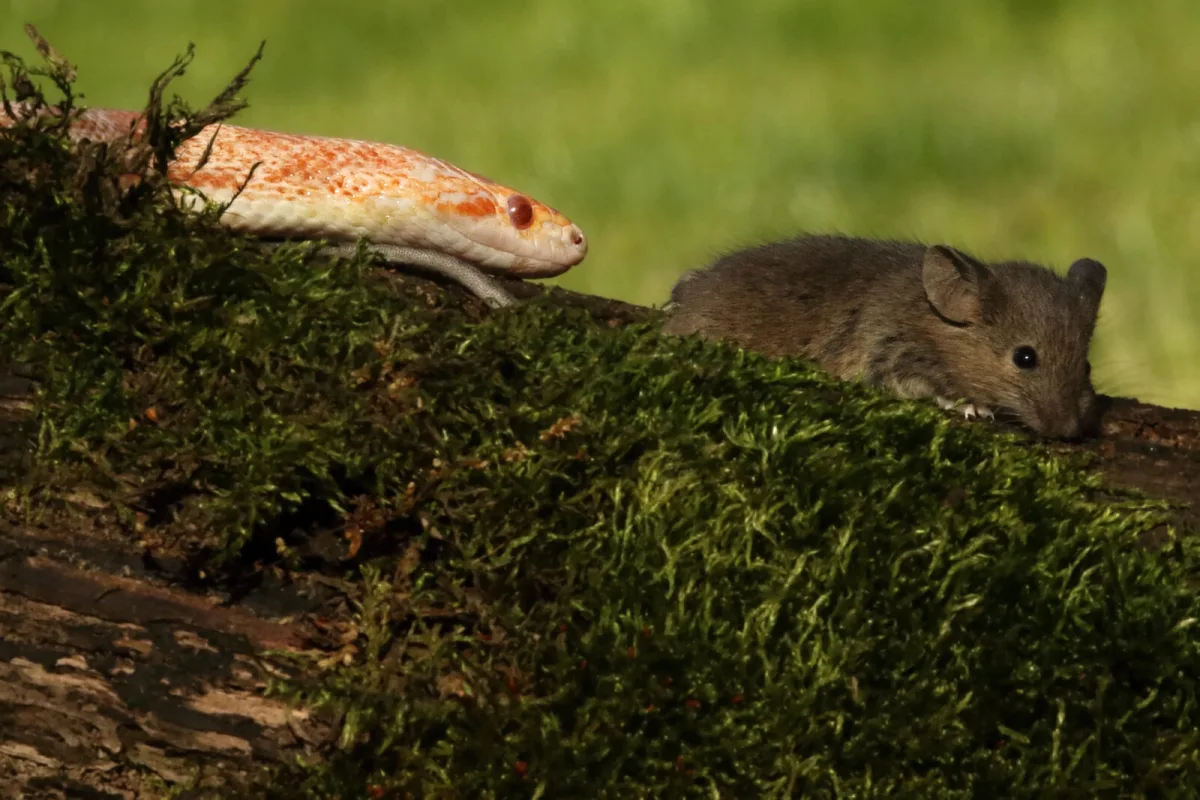
Even though many people are wary of snakes, they play a very important role in the ecosystem. They are natural predators and help keep in check animals that people often consider pests. Larger snakes hunt mice, voles and other small rodents. Smaller species may feed on slugs, insects or amphibians, depending on what’s natural for them.
By maintaining balance in prey populations, they benefit gardens, fields and the wider countryside. At the same time, they are part of the food chain themselves and become prey for birds of prey or other predators. A snake isn’t an extra intruder—it’s a fully fledged part of nature.
As soon as spring brings warmer weather, snakes return to their usual activity and once again help prevent small pests from multiplying around gardens and orchards.
Can you create a winter shelter for snakes?
If you want to support a natural balance in the garden, you can offer snakes a suitable refuge. The key is to choose a quiet spot and create a space that stays dry, includes cavities, and offers thermal stability. Stones, pieces of bark, branches or stacked logs can work well, arranged so that gaps remain between them. Better still is if part of the shelter extends below the depth the soil freezes in winter.
A spot like this won’t serve snakes alone. Frogs, lizards and beneficial insects often use it too. The aim isn’t to lure large numbers of animals right up to the house, but to offer nature a corner where it can function without unnecessary interference. Anyone who feels uneasy about snakes should remember that these reptiles generally want nothing to do with people, and when disturbed they try to disappear as quickly as possible.
When snakes reappear
There isn’t one exact answer to when snakes emerge in spring. It depends on how winter unfolds and on the location. In some places they begin to show up with the first longer sunny spells; elsewhere not until the warming is more consistent. But it’s always warmth that signals their return to an active life.
So if we don’t see snakes in winter, it doesn’t mean they’ve disappeared from the landscape. They’re simply riding out the harsh period safely tucked away. Once it warms up again, they’ll return to their favourite places and continue their role as unobtrusive but very useful residents of our countryside.
Source: Martha Stewart, Willys Wilderness , Pestrazahrada.cz

A nurse by profession, she is passionate about healthy living, nature, and everything that benefits both people and the world around them. In her free time, she enjoys gardening, cooking, sewing, and caring for her family. In her articles, she loves combining professional expertise with practical experience from the garden and everyday life.
Related articles
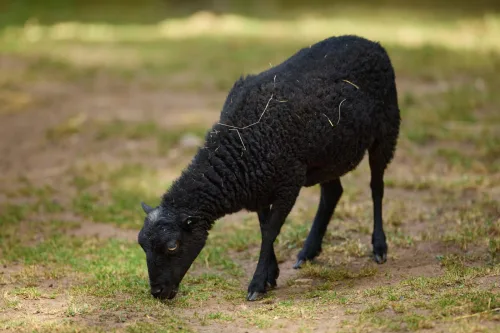
You Can Swap Your Lawn Mower for Sheep
If mowing the lawn is wearing you out, a few small sheep breeds can keep grass in check naturally. Ouessant, Cameroon (Djallonké) sheep and Skudde are hardy, relatively low-maintenance options for small-scale keeping.
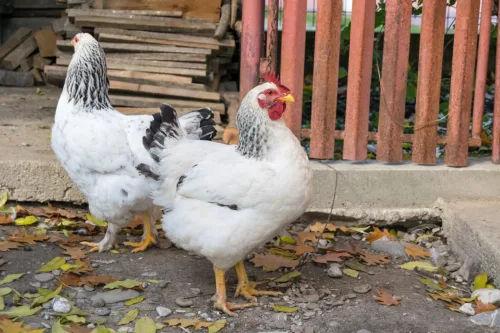
Hens Stop Laying in Winter Because of Feed Many Keepers Think Is Ideal Grain Alone Isn’t Enough
Egg production often drops in autumn and winter, but it doesn’t have to collapse. The key is a balanced layer ration, unfrozen water, adequate light, and a calm, dry coop rather than relying on grain alone.
How Much Water Does a Hen Drink in a Day The Number Surprises and Doubles in Summer A Pale Comb Is a Warning
Plenty of clean, fresh water is essential for a healthy flock, steady feed intake and reliable laying. An adult hen typically drinks around 500 ml a day, and in hot weather that amount can easily double.
Comments (0)
Be the first to comment.