
 English
 Polski
 Deutsch
 Nederlands
 Svenska
 Norsk
 Dansk
 Français
 Italiano
 Español
 Português
 Slovenčina
 Suomi
 Gaeilge
Feed Blueberries in Autumn with a Homemade Mix That Ferments for a Few Weeks and Shows Results in Spring

If you grow blueberries and want them to set more flowers and fruit next year, a simple homemade fertiliser made from everyday kitchen leftovers can help. You can use stale bread and used coffee grounds, things that often end up in the bin. Yet this combination can benefit both the soil and the bushes themselves, without the need to buy specialist feeds.
Blueberries are among the plants that are sensitive to soil composition. When they have the right conditions, they reward you with strong growth and a generous crop. That’s why it’s worth focusing not only on watering and pruning, but also on the right feeding at the time the bushes are getting ready for their winter rest.
Why acidic soil is so important for blueberries
These shrubs do best in a distinctly acidic environment, usually with a pH of roughly 3.8 to 4.5. In many gardens, though, the soil doesn’t naturally sit at those values, so blueberries often struggle, grow more slowly and crop less. This is exactly where a homemade mix can play a useful role.
Used coffee grounds are mildly acidic and can help nudge the soil reaction in a direction that benefits blueberries. They also add nitrogen, which is important for leafy growth and overall plant vigour. On their own they won’t solve every soil issue, but as a supplement they work very well.
What stale bread adds
Stale bread contains organic substances that break down gradually in the soil. As they decompose, nutrients are released and the activity of microorganisms is encouraged, which is essential for healthy soil. The starches in bread can serve as a food source for beneficial soil organisms.
Once broken down, soil structure improves too. It holds moisture better and becomes airier, which suits blueberry roots. Sometimes it’s said that even bread showing mould can work well, because it adds to the diversity of microorganisms in the decomposing material. It’s always important, however, to use a sensible amount and not apply the mix too often.
How coffee grounds help in the garden
Used coffee grounds have become popular with gardeners mainly for acid-loving plants. With blueberries they’re valued because they gently acidify the soil while also supplying some nutrients. Along with nitrogen, they add organic matter that supports soil life.
Combined with stale bread, they create a mix that can act as a simple natural fertiliser. It’s not a miracle overnight, but a gradual improvement of conditions around the roots. That long-term effect is especially valuable with blueberries.
How to prepare the mix at home
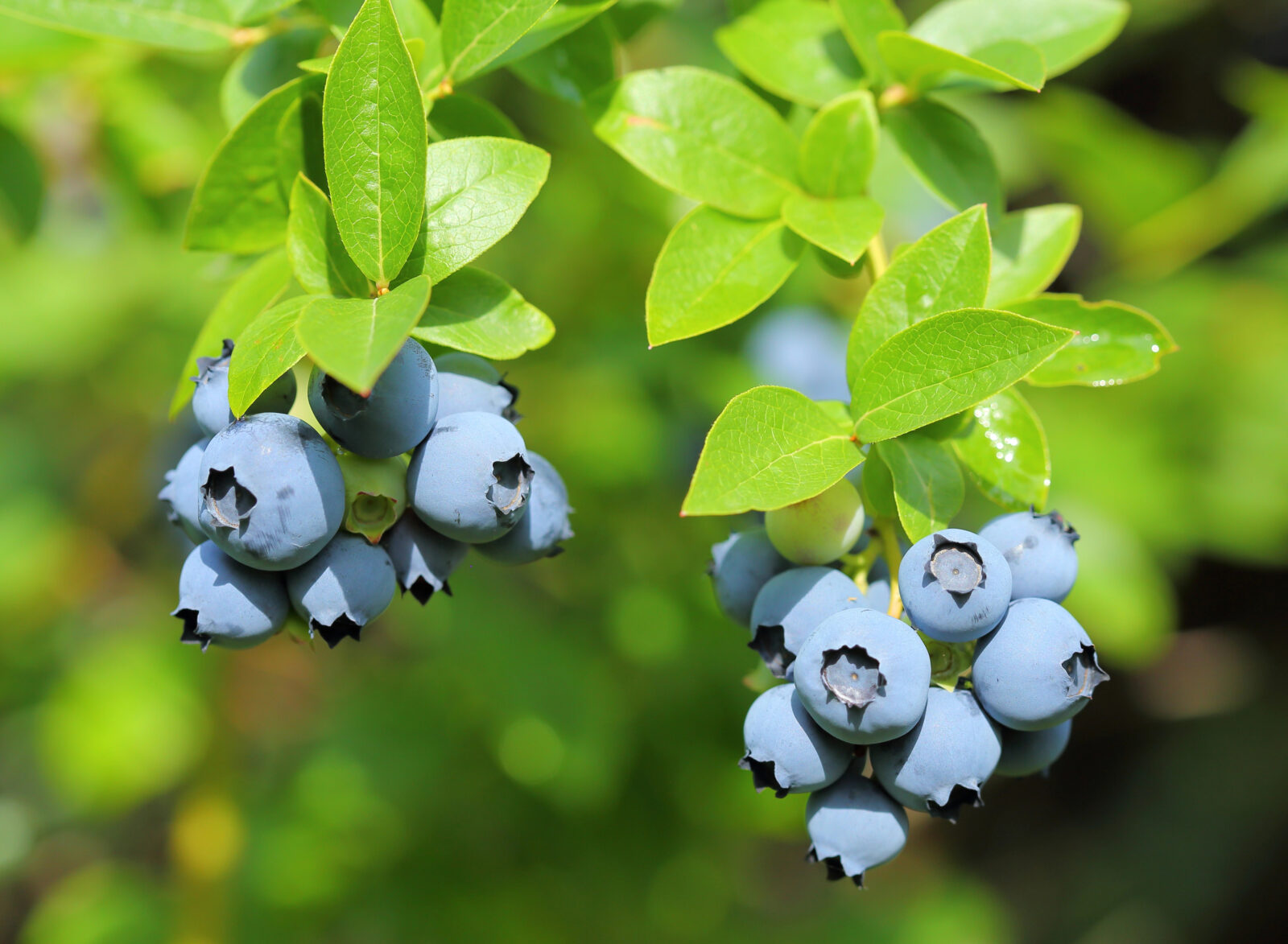
Preparation isn’t complicated. Break stale bread into smaller pieces, put it into a container and cover it with water. Then add used coffee grounds and leave everything in a warmer place so the mix can ferment for several weeks. During this time the ingredients begin to break down and form a nourishing material suitable for use in the garden.
The result may be a thicker material that you add to the bushes in small amounts, or a more liquid form suitable for diluting with water. In both cases, it’s important not to overdo it, because blueberries may like acidic soil, but they don’t tolerate overfeeding.
How to use the fertiliser correctly
You can apply roughly two heaped tablespoons of this prepared mix under each blueberry bush. Aim for the root zone, but not right up against the main stem. If you prefer a liquid option, the fermented mass can be diluted with water at about a 1:10 ratio and used as a drench.
This kind of feeding doesn’t act only as a source of nutrients. The organic component also helps the soil retain moisture and creates a more favourable environment around the roots for winter. That can be especially useful in periods with temperature swings, when the soil freezes through quickly.
When to fertilise
Autumn is a good time, as blueberries gradually settle into dormancy. Nutrients work into the soil over the colder part of the year, and in spring the plants will have them available as they start to break bud. That’s when it’s decided how strong the new growth will be and how abundant flowering can be.
Consistent care of acidic soil, plenty of organic matter and a restrained autumn feed can give blueberries a noticeably better start to the new season.
If you’re looking for an inexpensive, gentle way to strengthen your bushes, this homemade mix can be an interesting option. You’ll use up leftovers that would otherwise go to waste, while also supporting a healthier environment around the roots. The result can be stronger plants and, next year, a noticeably heavier crop.
Source: Express, Fryda, Gardening Know How, Pestrazahrada.cz

A lover of nature, gardens, and everything that moves, blooms, or grows. He literally grows everything, from herbs to rare species, and he enjoys caring for animals just as much. In his work, he connects modern technology with tried-and-tested grandmotherly methods and is happy when both paths lead to the same goal.
Related articles

How to Grow a Heavy Tomato Harvest Every Year in Twelve Simple Steps
A reliable tomato crop comes down to a handful of proven habits repeated through the season. Follow these 12 steps—from sowing and spacing to watering and picking—to harvest healthier plants and more fruit every year.

Why Isn’t Your Poinsettia Turning Colour
Poinsettias can be kept for another season, but poor handling in the cold and too much light in autumn often stop the bracts from colouring up. Learn how to choose a healthy plant, care for it through winter, and trigger colour again next year.

Brown Tips on Monstera Leaves Reveal the Winter Problem Plaguing Most Homes
Brown leaf tips on Monstera adansonii are most often a sign of dry indoor air in winter. With the right light, watering routine and a more humid microclimate, Monkey Leaf stays lush and grows quickly.
Comments (0)
Be the first to comment.