
 English
 Polski
 Deutsch
 Nederlands
 Svenska
 Norsk
 Dansk
 Français
 Italiano
 Español
 Português
 Slovenčina
 Suomi
 Gaeilge
You Can Swap Your Lawn Mower for Sheep
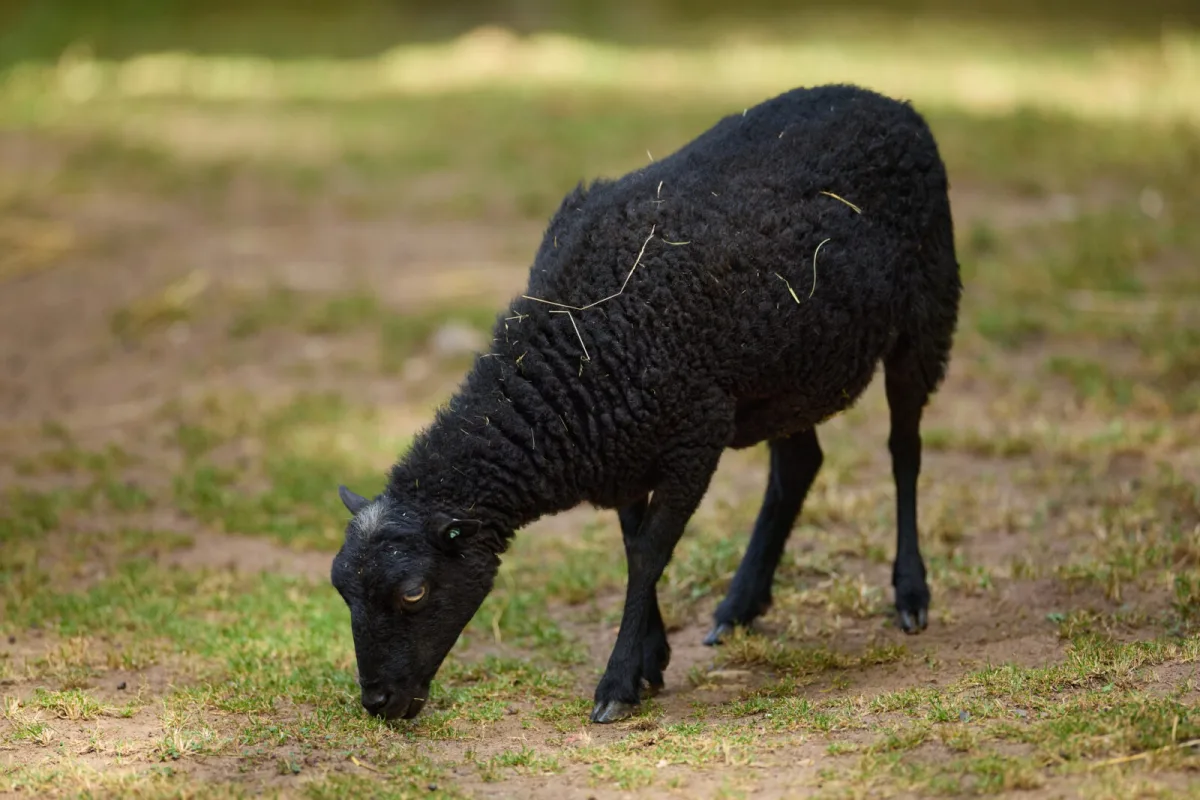
If regular lawn mowing is wearing you out, small sheep breeds can be an interesting alternative. It’s not only about helping with property maintenance, but also about keeping hardy, relatively undemanding animals. The key thing to remember is that sheep are flock animals, so it’s best to keep at least two. Among the most commonly recommended smaller breeds are the Ouessant sheep, the Cameroon sheep and the Skudde.
The Ouessant sheep is tiny and tough
Ouessant sheep are among the smallest in the world. Adult ewes are very light and short, with rams a little larger, but it’s still a genuinely small animal suitable even for smaller grazing areas. The breed originates from an island off the coast of Brittany, where for generations it had to withstand wind, rain and sparse conditions. That’s exactly why it’s valued today for its hardiness and its ability to live outdoors year-round.
The typical colour is black, but white or brown animals can also occur. Rams often have prominent horns that curl out to the sides, while ewes are usually polled. Ewes most often produce a single lamb, and pregnancy lasts around five months.
What conditions Ouessants need
This breed manages with a smaller area and grazes grass very well, including plants that other animals often ignore. In addition to grazing, they need hay, constant access to water and a mineral lick. Outdoor keeping with an open-sided shelter is ideal, so they can get out of bad weather. Fencing should be sturdy and, preferably, lower woven wire. Electric fencing is not recommended; especially with horned rams there’s a risk of dangerous entanglement.
The Cameroon sheep is affectionate, but lively
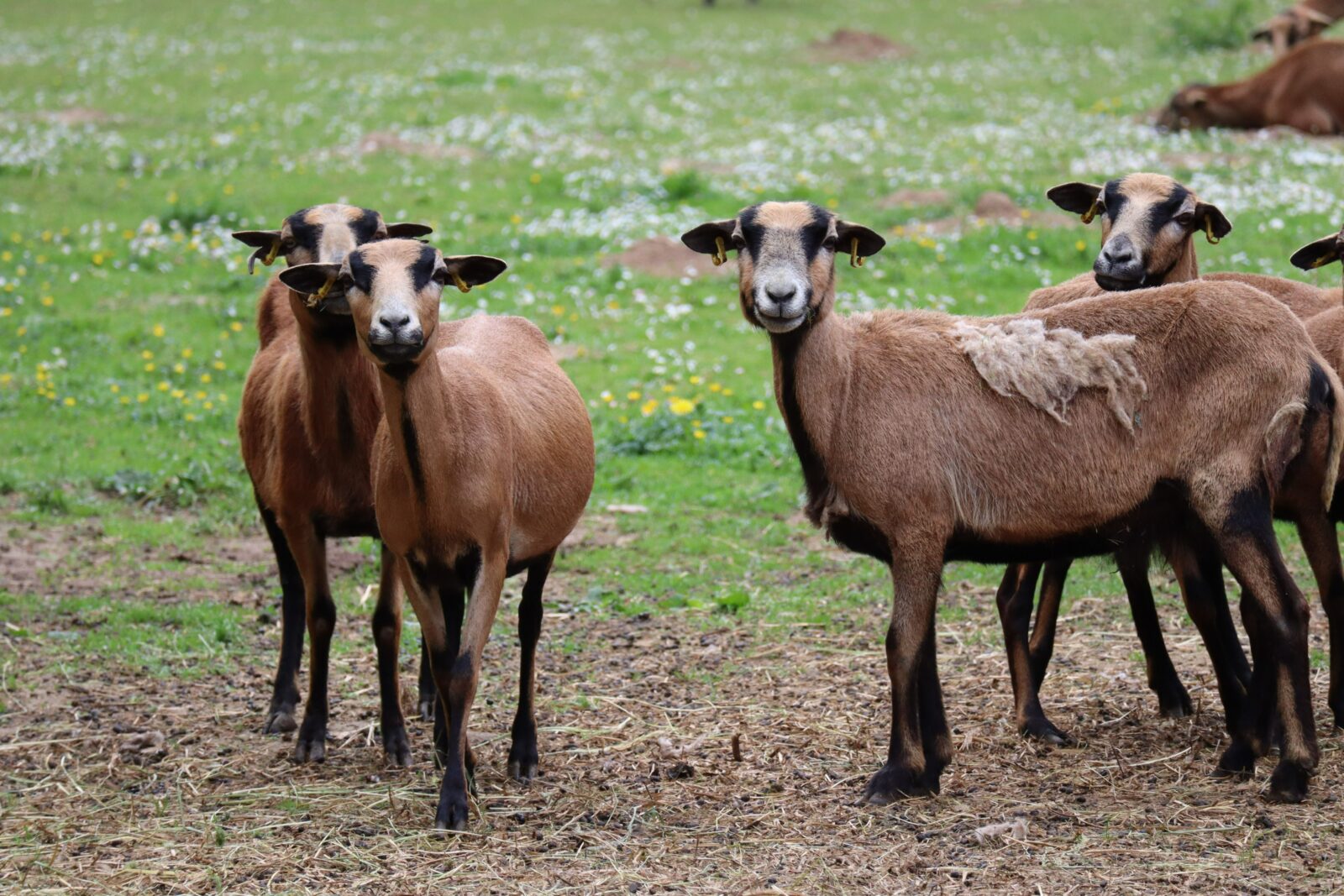
The Cameroon sheep, also known as Djallonké, is fairly widespread here. Compared with the Ouessant, it’s a bit larger, but it still falls among the smaller breeds suitable for hobby keeping. Its special feature is that it doesn’t have classic wool, but hair. That means it doesn’t need shearing, which makes care significantly easier for many keepers.
Ewes are usually polled, while rams have horns and often a striking mane. The breed is considered calm and easy to tame, but it’s also more vocal and can be very nimble. Cameroon sheep can rear up on their hind legs and browse leaves or fruit from trees, so you need to factor that in when choosing an enclosure. Ewes often have one to two lambs, sometimes even twice a year. In winter, they benefit from supplemental feed such as carrots, beetroot or potatoes.
Skudde can cope with harsher conditions
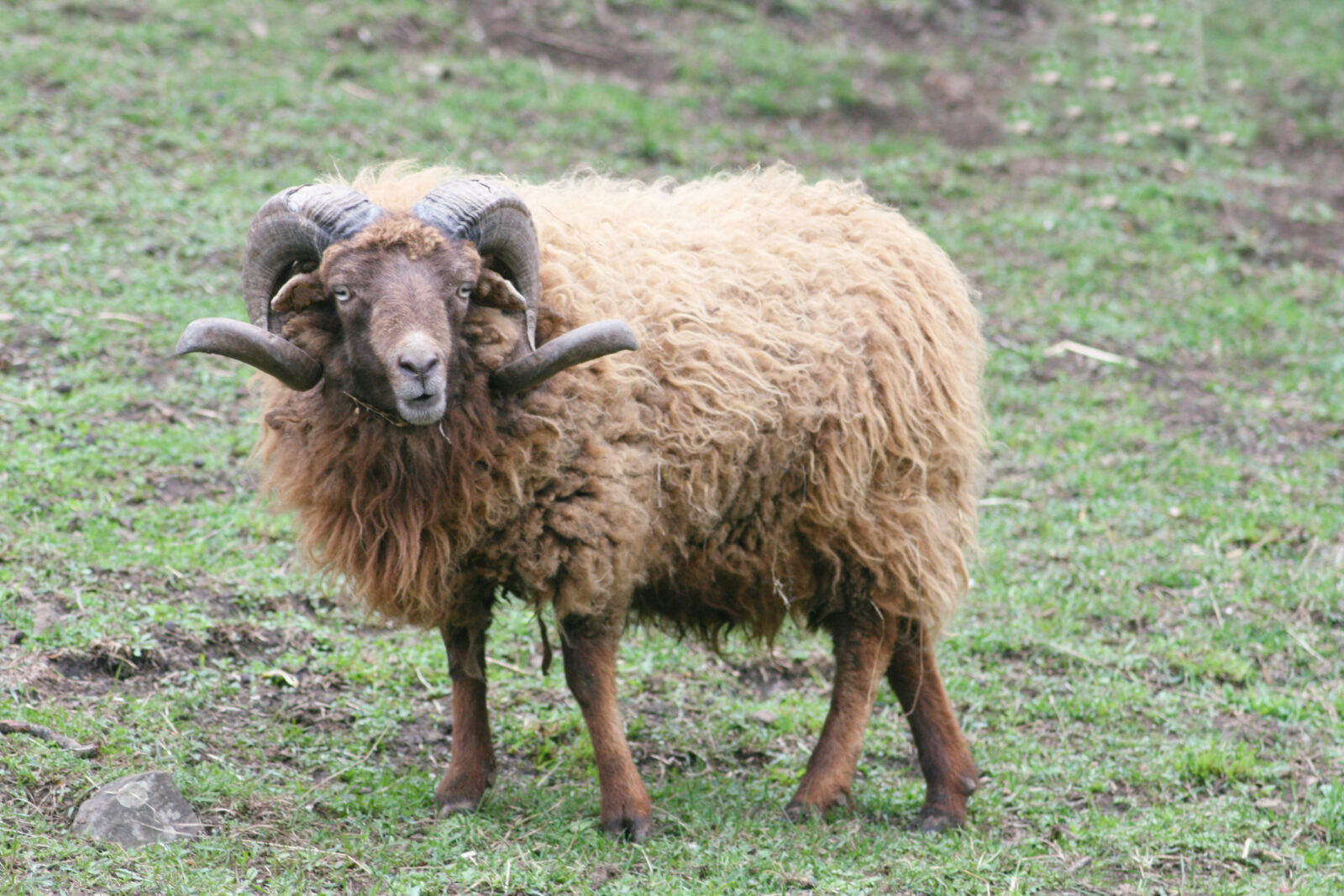
Skudde is a lesser-known breed originating from East Prussia and the Baltic region. It’s a hardy, cold-tolerant sheep that suits less favourable areas as well. Females are usually polled or have only small horn stubs, while rams stand out with large spiral horns and a mane around the neck.
This breed grazes very thoroughly and non-selectively, often even better than other small breeds. Ewes usually have two to three lambs. Skudde is kept not only for grazing, but also for its quality wool and valued meat with a milder flavour. For safe keeping, denser and taller woven wire fencing is suitable, ideally around one metre.
What to think through before getting sheep
Mini sheep can be practical helpers and charming companions, but they’re still livestock animals with their own needs. They need the company of other sheep, a secure enclosure, shelter and regular health checks. If you provide the right conditions, you’ll gain not only a natural way to maintain the garden, but also resilient animals that can bring enjoyment all year round.
Source: WNDU, Bluff City Micro Farms, Tiny Ouessant Sheep, Kamerunská ovce, Pestrazahrada.cz

A lover of nature, gardens, and everything that moves, blooms, or grows. He literally grows everything, from herbs to rare species, and he enjoys caring for animals just as much. In his work, he connects modern technology with tried-and-tested grandmotherly methods and is happy when both paths lead to the same goal.
Related articles
Hens Stop Laying in Winter Because of Feed Many Keepers Think Is Ideal Grain Alone Isn’t Enough
Egg production often drops in autumn and winter, but it doesn’t have to collapse. The key is a balanced layer ration, unfrozen water, adequate light, and a calm, dry coop rather than relying on grain alone.
Snakes Overwinter Under Sheds and in Compost Heaps, There’s No Need to Fear Them and Their Work Is Priceless
When the weather turns cold, snakes don’t disappear from the landscape—they simply retreat to frost-safe shelters to ride out winter. In a garden, that may be under a shed, in a stone wall, or even in a compost heap, where they remain valuable allies against rodents and other pests.
How Much Water Does a Hen Drink in a Day The Number Surprises and Doubles in Summer A Pale Comb Is a Warning
Plenty of clean, fresh water is essential for a healthy flock, steady feed intake and reliable laying. An adult hen typically drinks around 500 ml a day, and in hot weather that amount can easily double.
Comments (0)
Be the first to comment.