
 English
 Polski
 Deutsch
 Nederlands
 Svenska
 Norsk
 Dansk
 Français
 Italiano
 Español
 Português
 Slovenčina
 Suomi
 Gaeilge
Experienced Houseplant Growers Put a Kitchen Staple in the Pot and Fungus Gnats Avoid the Compost
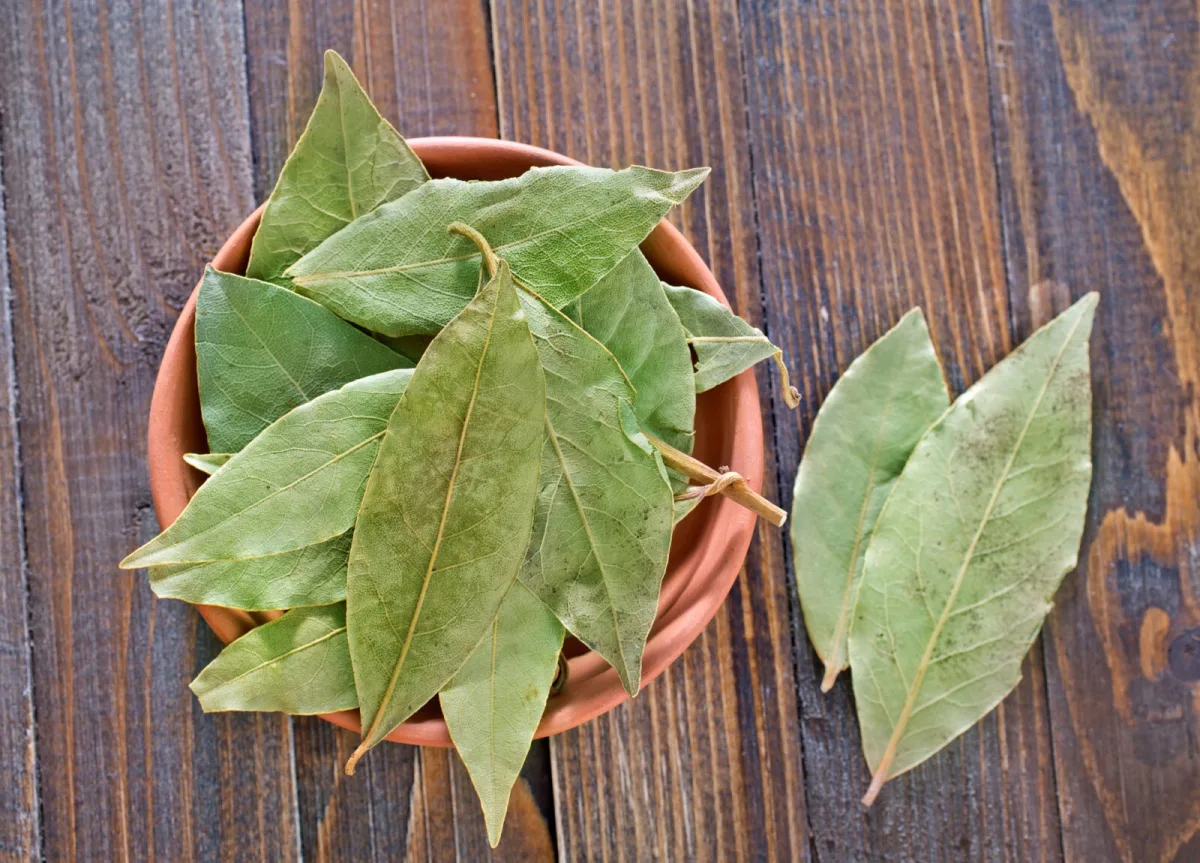
Anyone who wants to avoid unnecessary chemicals when caring for houseplants can rely on a very simple home remedy. An ordinary bay leaf, which most people use mainly for cooking, can also be used as a gentle support for indoor plants. It can serve as a natural tonic, a boost when a plant is struggling, and even as a deterrent to certain pests.
That’s exactly where its charm lies. It’s not an expensive product from the garden centre, but an easy-to-find ingredient that many households already keep in the kitchen cupboard. More experienced growers swear by it because it offers a low-effort way to give plants a lift and improve their overall condition.
What bay leaves can do for plants
Bay leaves contain a range of compounds that can be beneficial for houseplants. They include B vitamins, as well as vitamins A and C, along with important mineral elements. These include potassium, magnesium, calcium, phosphorus, iron, sodium and zinc. This combination is what makes bay leaf an interesting base for a homemade natural infusion.
Beyond nutrients, bay leaves are also valued for their antiseptic and antibacterial properties. That means they don’t act only as a mild feed, but can also contribute to better plant protection. With regular but modest use, they can support healthier-looking foliage, sturdier growth and overall vitality.
A versatile option for most houseplants
A major advantage of bay leaf tea is how versatile it is. It suits a range of houseplants and can be used both on the leaves and around the roots. If a plant looks tired, loses colour or isn’t growing as it should, this home remedy may help it regain better condition.
There’s no need for complicated methods, either. Preparation is quick, and even someone new to at-home plant care can manage it. The key is simply to stick to sensible amounts and not apply it too often.
How to make a bay leaf infusion
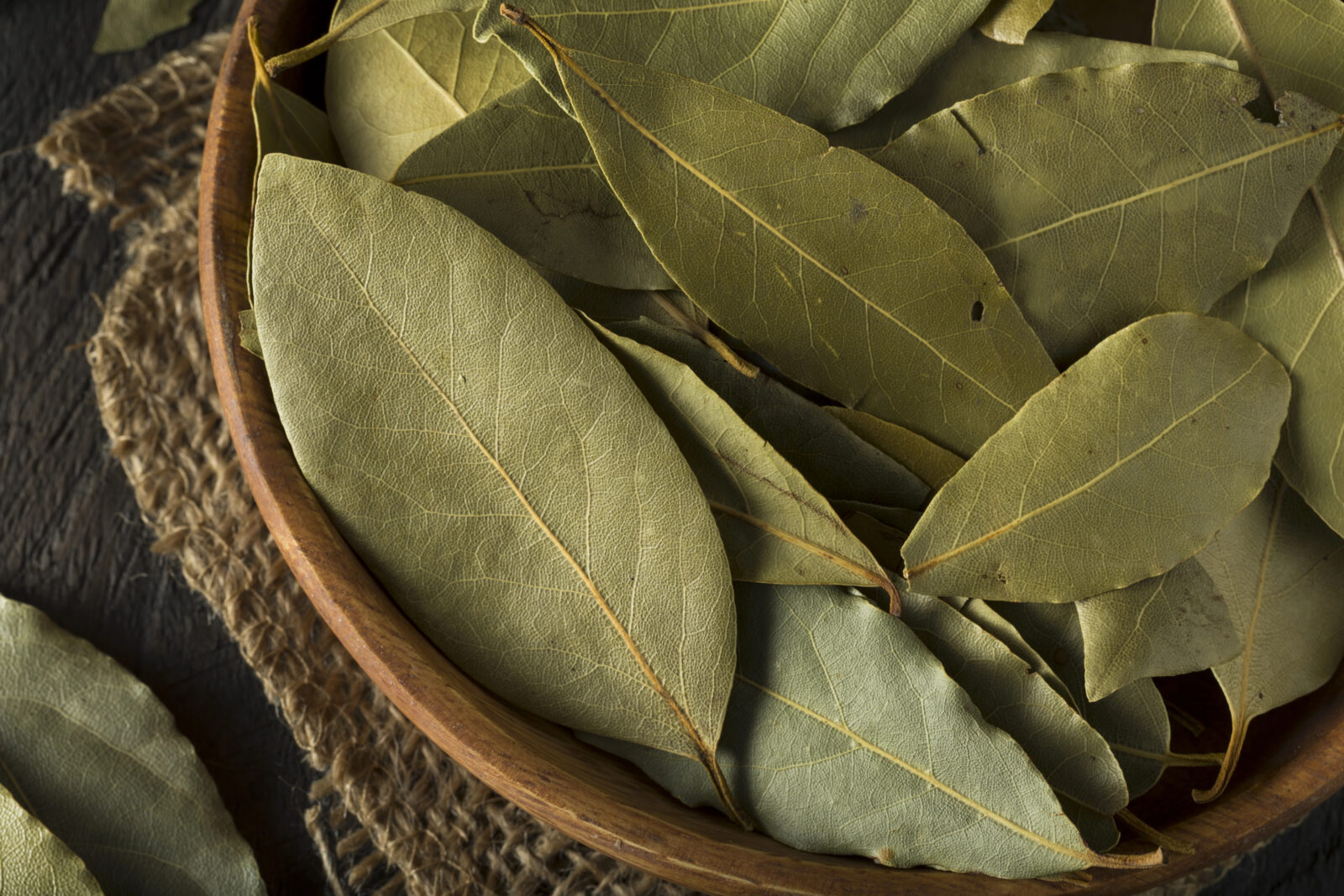
All you need is roughly 10 to 12 bay leaves and 1 litre of water. Put the leaves into a container and pour boiling water over them. Then it’s best to cover it and leave to steep until the liquid has cooled completely. Finally, strain the infusion.
You can pour the prepared liquid into a spray bottle and mist it onto plant leaves. It also works well for a careful drench around the root zone. A sensible interval is to use it about once a month.
Help for weakened plants and added resilience
Bay leaf is interesting for more than just feeding. The infusion can also be useful when a plant looks limp or its foliage is deteriorating. Regular care in this way can support its natural resilience and improve its overall appearance. Plants often develop firmer leaves, look fresher and grow more strongly.
Another advantage is its potential effect against some pests and fungal issues. It’s not a miracle cure for everything, but as a gentle household aid it can play a helpful role, especially if you want to keep houseplant care as natural as possible.
Simple prevention right in the pot
Bay leaves can also be used without making an infusion. Another option is to tuck a few dried leaves directly into the pot. This approach is most often linked with a preventative effect against fungus gnats and other tiny pests that commonly show up in potting compost or around houseplants.
It’s very easy and takes almost no time. Still, it’s wise to keep monitoring your plants and, if an infestation gets worse, tackle the problem with other suitable methods as well. Bay leaf works best as support and prevention, not as a replacement for all plant care.
Bay leaf can be an understated but effective helper for anyone who wants to give houseplants gentle care without unnecessary chemicals.
A cheap trick for healthier indoor greenery
If you’re looking for a simple way to help your houseplants while spending very little, bay leaf is well worth a try. It combines easy availability, straightforward use and a wide range of applications. It can serve as a mild natural fertiliser, a boost to vitality and a helpful extra in the fight against pests.
That’s why this unassuming kitchen staple has become popular well beyond the stove. A few leaves, a bit of hot water and consistency are all it takes. Your houseplants may repay that care with healthier growth, sturdier leaves and a fresher look.
Source: BBC Gardeners World, Gardenettes, Pestrazahrada.cz

A lover of nature, gardens, and everything that moves, blooms, or grows. He literally grows everything, from herbs to rare species, and he enjoys caring for animals just as much. In his work, he connects modern technology with tried-and-tested grandmotherly methods and is happy when both paths lead to the same goal.
Related articles

Brown Rings on Apricots Mean One Thing: A Fungus Lurks in the Branches and Will Ruin Even Healthy Fruit in Spring
Brown spots with pale spore pads on cherries and apricots are usually a sign of brown rot (Monilinia). Remove mummified fruit and infected shoots promptly, and time any sprays to flowering to stop the disease cycling back each spring.
Rose black spot spreads when you water the leaves in the evening and the culprit is often the one holding the watering can
Rose black spot is one of the most common diseases of garden roses, quickly spoiling foliage and weakening plants. In warm, humid weather it spreads easily, especially when leaves are wetted by evening watering.
Plants are dying from mould and pests, the spice you already have at home can help if you use it correctly
Cinnamon isn’t just for baking. Used correctly, it can help protect seedlings and cuttings, discourage some fungal problems, and deter a range of common garden pests.
Comments (0)
Be the first to comment.