
 English
 Polski
 Deutsch
 Nederlands
 Svenska
 Norsk
 Dansk
 Français
 Italiano
 Español
 Português
 Slovenčina
 Suomi
 Gaeilge
Hens Stop Laying in Winter Because of Feed Many Keepers Think Is Ideal Grain Alone Isn’t Enough
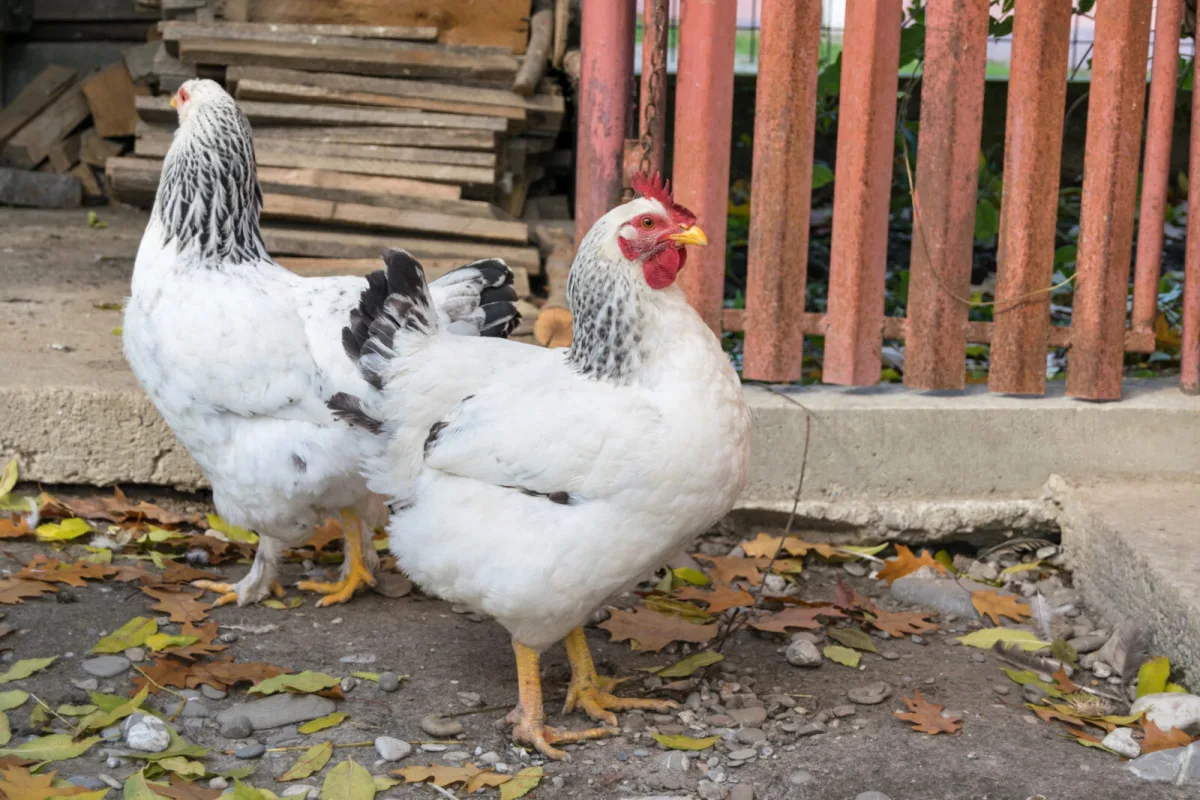
In the warmer months, laying is often very regular, but as autumn and winter arrive, things change. Shorter days, lower temperatures, and limited access to natural green feed mean hens have less energy and their bodies function differently than in summer. That doesn’t mean a drop in egg production is inevitable or that there’s nothing you can do about it.
Feed quality plays a major role, along with enough water, suitable lighting, and the conditions inside the coop. If you want eggs through the colder months, don’t rely on grain alone—think in terms of overall balanced care.
A complete layer feed is the foundation
Many keepers feed hens mainly wheat, maize (corn), or barley in winter. This provides energy, but on its own it doesn’t meet all the needs of laying hens. Egg production also depends on protein, fats, vitamins, and minerals in the right proportions.
That’s why the main part of the winter diet should be a high-quality complete feed formulated specifically for layers. Grain can be offered as an extra, but it shouldn’t replace the balanced base ration. One-sided feeding is one of the common reasons for weaker winter laying.
Vegetables as a sensible supplement
In winter, hens usually don’t get fresh grass or other greens, so it’s worth enriching the diet with vegetables. Grated carrots, chopped cabbage, pumpkin with any damaged parts removed, or a small amount of fodder beet all work well. Vegetables should be clean, fresh, and offered in sensible quantities.
They’re not a replacement for the main feed—rather a bit of variety that adds nutrients and supports flock condition. Any leftovers need to be removed in time so they don’t spoil.
Calcium and protein determine egg quality
If eggs have weak, thin, or soft shells, a lack of calcium is often to blame. Hens should therefore have a suitable calcium source available separately, such as oyster shell grit or a coarse poultry calcium supplement. This lets them top up minerals according to their own needs.
Protein is just as important. Without enough of it, the body struggles to form eggs. Quality feed mixes contain protein in a balanced formulation, often from soybean or sunflower components. However, it’s not a good idea to try to boost laying by adding excessive amounts of oily seeds, because too many calories can lead to overfeeding and fat hens.
Warm mash, yes—but with common sense
In many households, a winter mash is prepared for hens from ground grain, vegetables, and warm water. This can be a useful supplement if it’s fresh and offered only in an amount the hens will eat quickly. It shouldn’t be hot, and it shouldn’t sit in the feeder for long.
Don’t put salty table scraps, spoiled food, or mouldy bread into the mix. Anything that can harm poultry health will quickly show up in egg production, too.
No water, no eggs
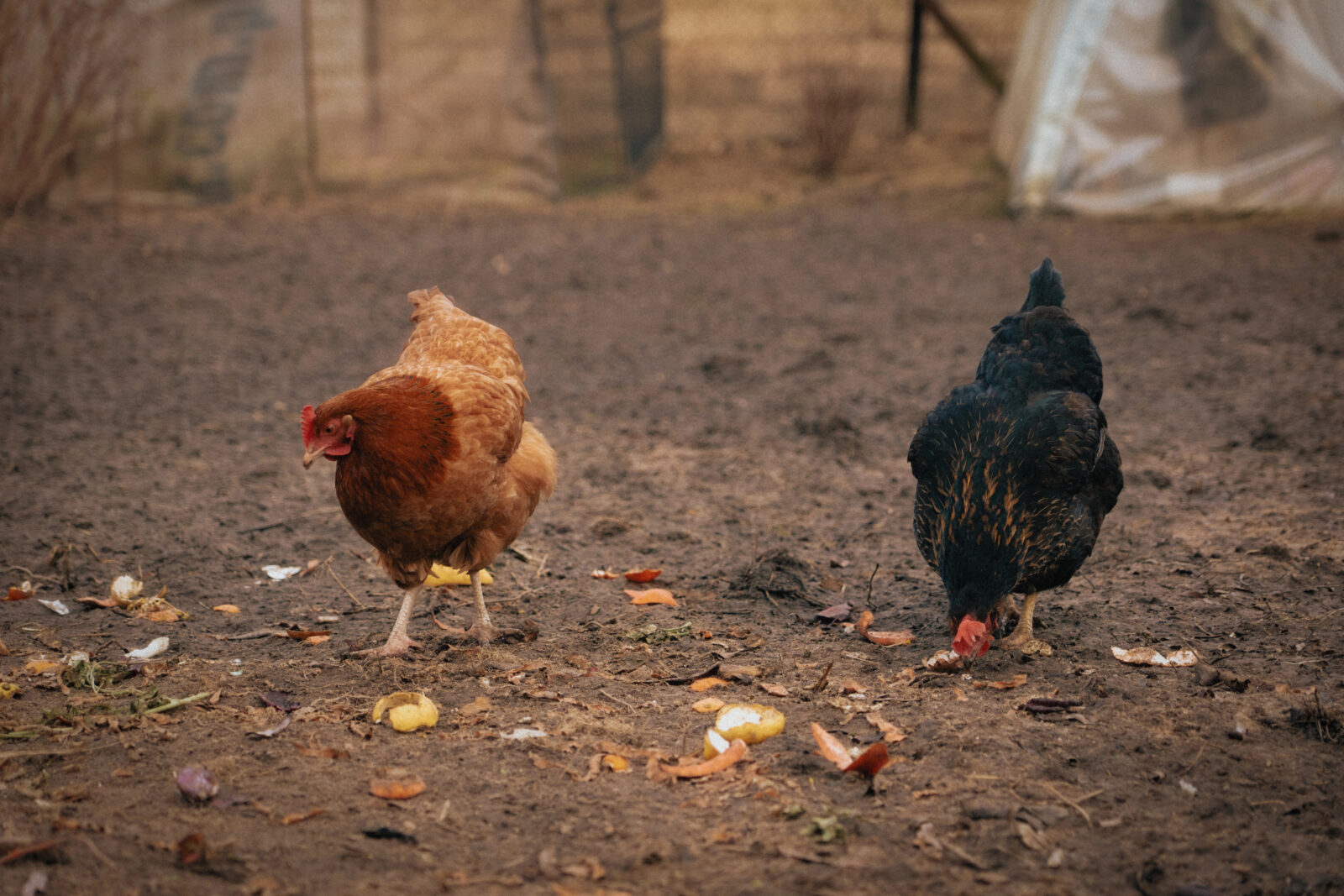
Clean water is absolutely essential in winter. As soon as hens don’t get enough fluids, laying can drop quickly. Drinkers must have water available all day, and it must not freeze. Unheated coops in particular need close checking, because problems can develop very fast.
Light, calm in the coop, and the moult
Feed alone isn’t enough. As days shorten, laying naturally weakens. For better results, hens generally need about 14 to 16 hours of light per day. Supplemental lighting with a timer can help, but poultry still need part of the day in darkness to rest.
The coop should be dry, free of draughts, with clean bedding, and also well ventilated. Autumn is also a common time for moulting. During this period, the body uses a lot of nutrients to replace feathers, so laying may stop temporarily. It’s a natural state that no miracle supplement can bypass.
A simple winter feeding routine
A regular daily rhythm works well. In the morning, offer the main portion of complete layer feed, around 70 to 80 g per bird. Around midday, you can offer a small serving of vegetables, about 10 to 15 g per hen. In the afternoon, a small extra of grain—such as wheat or maize (corn)—can follow, again roughly 10 to 15 g per bird.
Total daily intake for an adult layer is typically around 110 to 120 g of complete feed, depending on breed, size, activity, and coop temperature. In the evening, it’s worth checking that hens have enough feed, unfrozen water, and a separately available calcium source.
Don’t expect a miracle from one single food
Winter success doesn’t hinge on one ingredient, but on overall balance. The best results come from combining quality feed, enough protein and calcium, a steady water supply, suitable lighting, and good coop conditions. When hens get everything they need, they come through the cold season in much better condition and laying stays more stable outside the peak season.
Source: Dine-a-Chook, To je nápad, Pestrazahrada.cz

A lover of nature, gardens, and everything that moves, blooms, or grows. He literally grows everything, from herbs to rare species, and he enjoys caring for animals just as much. In his work, he connects modern technology with tried-and-tested grandmotherly methods and is happy when both paths lead to the same goal.
Related articles
You Can Swap Your Lawn Mower for Sheep
If mowing the lawn is wearing you out, a few small sheep breeds can keep grass in check naturally. Ouessant, Cameroon (Djallonké) sheep and Skudde are hardy, relatively low-maintenance options for small-scale keeping.
Snakes Overwinter Under Sheds and in Compost Heaps, There’s No Need to Fear Them and Their Work Is Priceless
When the weather turns cold, snakes don’t disappear from the landscape—they simply retreat to frost-safe shelters to ride out winter. In a garden, that may be under a shed, in a stone wall, or even in a compost heap, where they remain valuable allies against rodents and other pests.
How Much Water Does a Hen Drink in a Day The Number Surprises and Doubles in Summer A Pale Comb Is a Warning
Plenty of clean, fresh water is essential for a healthy flock, steady feed intake and reliable laying. An adult hen typically drinks around 500 ml a day, and in hot weather that amount can easily double.
Comments (0)
Be the first to comment.