
 English
 Polski
 Deutsch
 Nederlands
 Svenska
 Norsk
 Dansk
 Français
 Italiano
 Español
 Português
 Slovenčina
 Suomi
 Gaeilge
Cutting Down Thuja in Your Own Garden May Not Pay Off Without a Permit You Could Face a Fine of Tens of Thousands
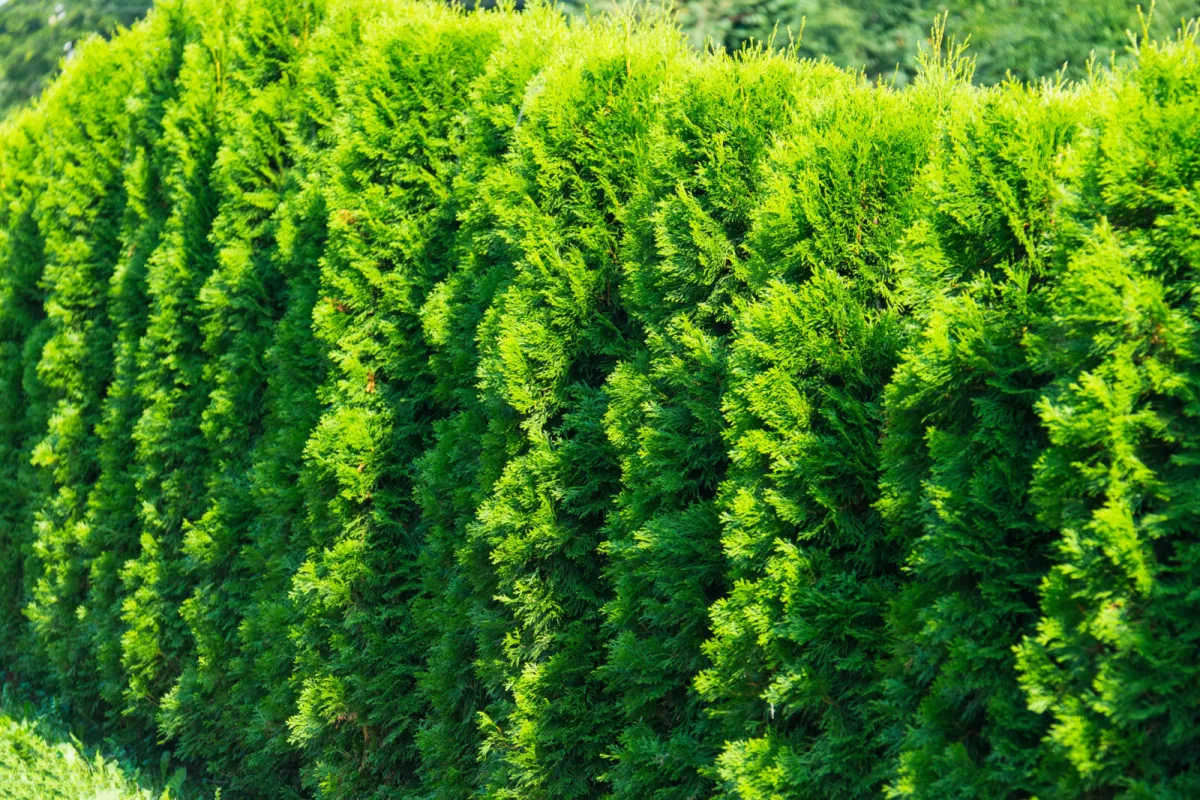
Many people feel they can decide freely about woody plants on their own property. But once it comes to removing trees or mature thuja, the situation is not so straightforward. Even an intervention that may seem routine and harmless can, under Czech rules, fall under the obligation to obtain the authorities’ consent. If a garden owner underestimates this duty, they may expose themselves to a significant penalty.
Why thuja are so often a problem
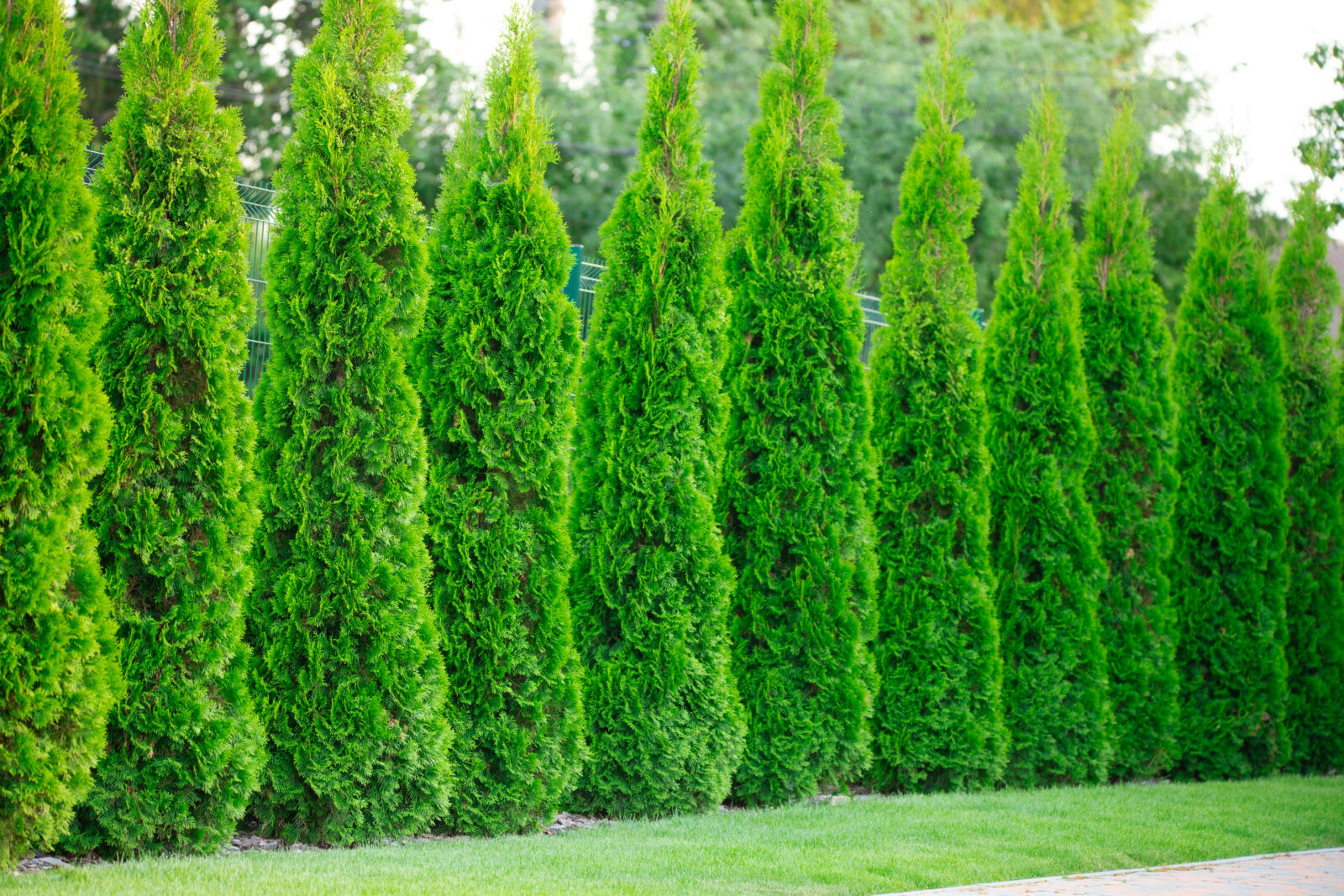
Thuja are popular mainly because they are often used as hedges, a screen from neighbours’ views, or wind protection. After years, however, they can outgrow their space, cast too much shade, take up valuable room, or complicate further garden changes. That is exactly when owners decide to remove them. The catch is that even in such a case you cannot automatically assume you can simply grab a saw and fell the planting without anything further.
When a permit is needed and when it isn’t
In general, for woody plants growing outside woodland, felling often requires a permit. The law, however, also recognises exceptions. Without consent, you can usually remove woody plants whose trunk circumference, measured at a height of 130 cm above the ground, does not exceed 80 cm. At the same time, the plant must not be part of an avenue or a significant landscape feature.
Another special regime applies to fruit trees on plots within built-up areas that are registered as garden land. Even there, complete freedom does not apply. The correct timing of the work is also important. Felling is normally carried out during the dormant season, from 1 November to 31 March. Outside this period, the rules may be stricter and the intervention can be problematic even when a permit would not otherwise be required.
How the rules apply directly to thuja
With thuja, what matters is their actual condition and size. It is not enough to say it is “just a shrub” or part of a hedge. If they fall within the dimensions covered by the legal exemption and at the same time are not within a protected or otherwise significant landscape feature, it is often possible to remove them without a prior permit. Even so, you need to be cautious, because specific circumstances can play a crucial role.
What can be decisive, for example, is whether the thuja are planted individually, form a continuous stand, or have the character of woody plants that the authority will assess more strictly. That is why it does not pay to rely only on your own judgement. What looks like routine garden maintenance can be officially assessed as unauthorised felling.
Fines can be surprisingly high
Unauthorised removal of woody plants can lead to a fine in the tens of thousands of koruna. The level of the penalty depends on how serious the offence the authority considers it to be. The number of felled woody plants, their importance, location, and whether they were part of a landscape element under increased protection all play a role. In some cases, then, it may not be a symbolic amount but a very unpleasant hit to the household budget.
Even woody plants on your own property can be subject to rules, and breaking them can lead to a hefty fine.
What to do in advance if you’re not sure
The safest approach is simple. As soon as you have doubts, contact your local municipal office or the relevant environmental department before you start felling. They can tell you whether a permit is required in your case, how the woody plant should be assessed correctly, and during which period the work can be carried out. A brief consultation can prevent unnecessary problems, neighbour disputes, and financial penalties.
Caution pays off more than a quick decision
Removing overgrown thuja can be understandable from a practical point of view, but legally it is not always a given. Czech rules in this area are fairly strict and require an assessment of the specific parameters of the woody plants as well as the place where they grow. Every garden owner should therefore first verify whether they can proceed without a permit. What takes only a few minutes to check can save lengthy explanations and a very unpleasant fine.
Source: Public administration service, Deník, CIZP, Pestrazahrada.cz

A lover of nature, gardens, and everything that moves, blooms, or grows. He literally grows everything, from herbs to rare species, and he enjoys caring for animals just as much. In his work, he connects modern technology with tried-and-tested grandmotherly methods and is happy when both paths lead to the same goal.
Related articles
Pantry Moths Won’t Be Wiped Out by Vinegar or Bleach
Finding pantry moths in flour or cereal is unpleasant, but it’s usually fixable without drastic measures. The key is to locate the source, discard infested foods, and clean and store staples so the moths can’t return.
Saffron Costs More Than Gold and Will Grow in a Czech Garden, but You Need 200 Flowers for a Single Gram
Saffron is among the world’s most expensive spices because harvesting and processing it is painstakingly done by hand. Even at home, the real challenge is the sheer number of flowers needed to produce just a tiny amount of dried saffron.
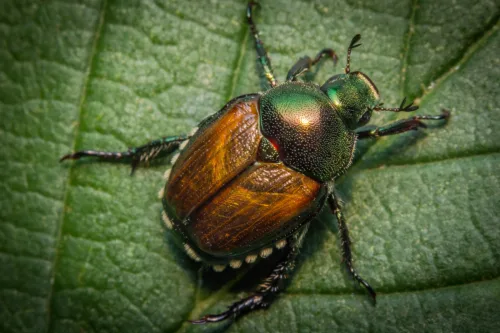
An invasive pest is reaching Czechia it can devour hundreds of plant species and has no natural enemies here and the tell-tale sign is white spots
The Japanese beetle is an invasive pest spreading into Czechia, capable of damaging gardens, orchards and ornamental plantings. Learn how to recognise it and what to do at the first signs of feeding damage.
Comments (0)
Be the first to comment.