
 English
  Polski
  Deutsch
  Nederlands
  Svenska
  Norsk
Norsk  Dansk
Dansk  Français
  Italiano
  Español
  Português
  Slovenčina
  Suomi
Suomi  Gaeilge
 Soap Has Surprisingly Many Uses in the Garden
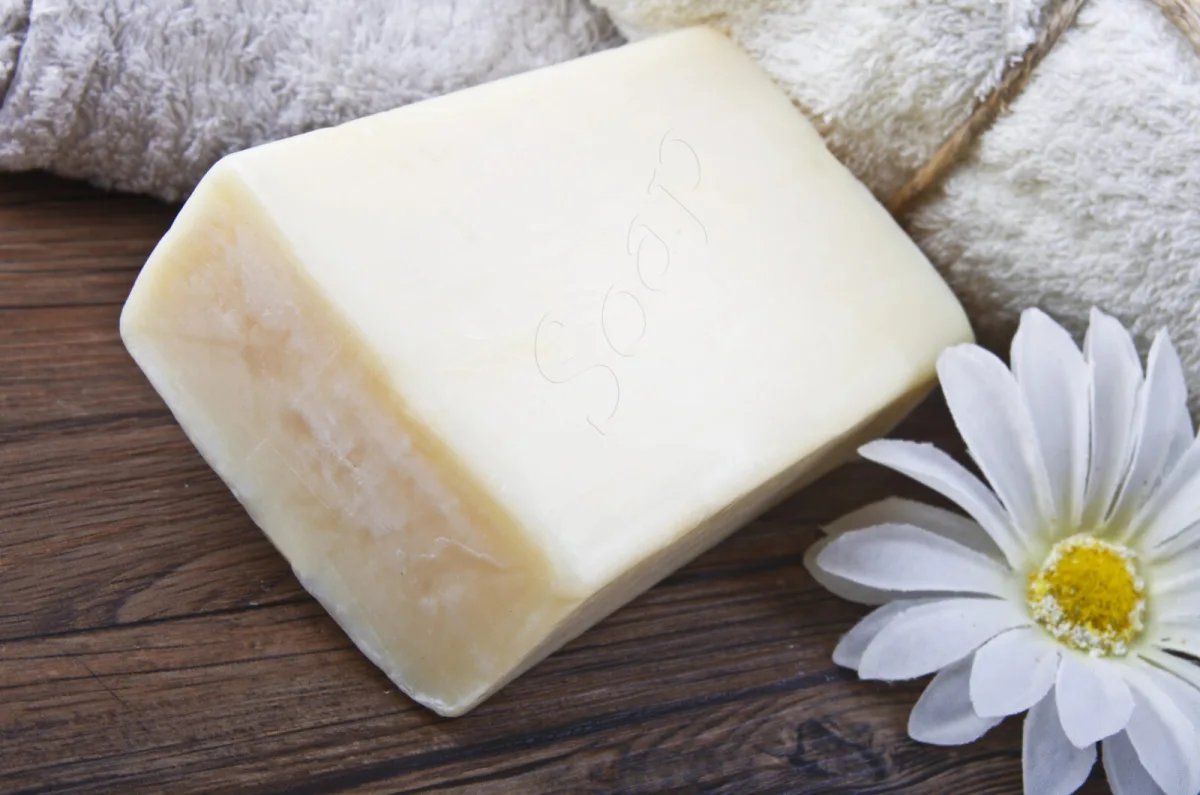
Bar soap is a normal household staple for many people, while others have long since switched to liquid versions. And that’s exactly when the question often comes up: what to do with older bars left at home in a cupboard, in a linen drawer, or ones that simply aren’t suitable for everyday washing. You don’t have to throw them away. Even an ordinary bar of soap can be surprisingly practical in the garden—not only as a helper against insects, but also for cleaning and small fixes.
A fragrant bar as a simple pest deterrent
The scent of soap is pleasant to us, but it bothers many pests. That can be put to use if you want to reduce insect problems on plants gently. Soap has traditionally been used as the base for a homemade spray that may help when plants are attacked by aphids, whiteflies, tiny mites, and other insects that cling to leaves and weaken plants. The goal isn’t to perfume your plants, but to create conditions pests dislike and struggle to thrive in.
How to make a soap spray and when to apply it
Shave the bar into fine slivers or grate it finely. Then stir it into water—ideally lukewarm to warm—so it dissolves faster. A tried-and-tested ratio is about two tablespoons of grated soap per 1 litre of water. Before using the mix, let it cool so the temperature doesn’t unnecessarily stress the plants.
It’s best to apply the spray outside the midday heat—morning or evening. It’s important to treat not only the upper surface of the leaves but also the undersides, because that’s where pests often hide. If the problem returns, repeat the process—always with regard to the sensitivity of the particular plants.
Soap against ants and as a handy helper in the garage
Soap shavings or soapy water can also be used where you want to discourage ants from using their regular routes. It’s useful near thresholds, around entrances to the house, or in spots where ants repeatedly show up and you need to disrupt their activity. It’s not a miracle cure for every nest, but as simple prevention, soap can help change their behaviour and reduce repeat visits.
It’s also worth remembering soap when cleaning up in the garage, shed, or workshop. Some small pests and rodents may find the smell of soap unpleasant, so it can make sense to place pieces of soap in selected areas where you want to lower the risk of future activity. It works best when positioned thoughtfully along possible entry points.
Protection from wildlife when your garden borders nature

Not every garden is protected from visitors from the surrounding area. If you live near woodland, fields, or scrubby margins, you may encounter roe deer as well as various rodents. Such visits are often irregular, but all the more surprising—especially when animals take a liking to a particular part of the fence or a specific bed.
A bar of soap can be used as a discreet scent barrier. It’s practical to put the soap into a breathable bag and hang it in several places on the side of the fence where animals come from. If you don’t have a bag, you can simply thread string through the bar and hang it on its own. The scent will be released gradually and may help reduce how often they visit—particularly if you’re focusing on prevention rather than an acute problem.
A soapy solution as a cleaner for outdoor furniture
Soap has another very useful role in the garden. It works well as the base of a simple cleaning product for outdoor furniture and other items. Grated soap diluted with water makes a solution you can use to scrub plastic surfaces, various frames and structures, and even upholstery—if the material allows it. On patios or under a pergola, dust, pollen, and greasier everyday grime often build up, and soapy water with a brush can make a real difference.
While a soapy solution doesn’t always deliver ideal results as a replacement for laundry detergents, it’s very well suited to garden cleaning. It’s simple, inexpensive, and you stay in control of what you’re putting on your surfaces.
A trick for zips on covers
If your garden seating has zippered covers, you may find the slider starts to drag or snag. In that moment, a simple trick helps: run the bar of soap along the zip the full length. A fine layer remains on the teeth, making the slider move more easily, so the zip opens and closes more smoothly. It’s a small thing, but it extends the comfortable use of your covers and saves frustration during maintenance.
One bar, more uses
Bar soap has more uses in the garden than you might think. It can serve as the base for a homemade pest spray, as a simple way to discourage ants, and as a preventative measure to limit the presence of small unwanted visitors in the garage. It’s also a practical helper for cleaning outdoor furniture—and even for maintaining zips on covers. So if you find older bars at home that would otherwise end up in the bin, try giving them a second life outdoors.
Source: Gardening Know How, House Digest, Pestrazahrada.cz

A lover of nature, gardens, and everything that moves, blooms, or grows. He literally grows everything, from herbs to rare species, and he enjoys caring for animals just as much. In his work, he connects modern technology with tried-and-tested grandmotherly methods and is happy when both paths lead to the same goal.
Related articles
You’ll Notice Mice in the House Before You See Them
Mice and rats rarely appear out of nowhere—there are telltale clues long before you spot one. Learn the key warning signs and the simplest garden and household changes that keep rodents from moving in.
The Most Overlooked Shrub in the Czech Landscape Sloe Feeds Bees Shelters Birds and Bears Fruit Few People Know
Blackthorn (sloe) is an unassuming, thorny shrub that supports wildlife early in the season and yields dark, frosted fruits in autumn. Once touched by frost, its astringent sloes become a valued ingredient for preserves, drinks, and traditional remedies.
How to Choose a Sack for Storing Potatoes So They Don’t End Up in the Compost in a Few Weeks
The right storage sack helps protect potatoes from light and excess moisture, two common reasons they spoil. Learn when to choose a jute sack or a paper sack and how to keep your crop sound for months.
Comments (0)
Be the first to comment.