
 English
  Polski
  Deutsch
  Nederlands
  Svenska
  Norsk
Norsk  Dansk
Dansk  Français
  Italiano
  Español
  Português
  Slovenčina
  Suomi
Suomi  Gaeilge
 Grandma’s Favourite Flower Is Back and It’s Surprisingly Easy to Grow
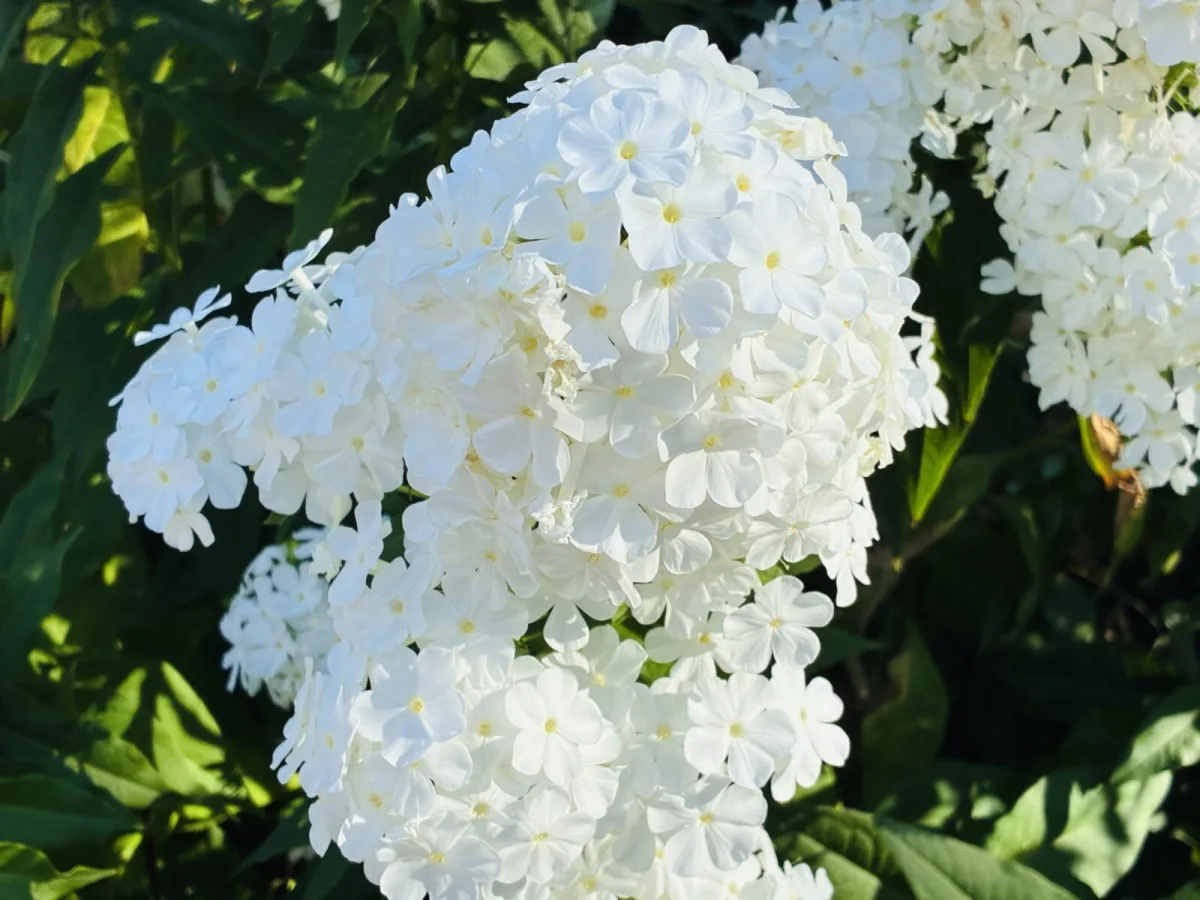
Phlox in the genus Phlox are popular perennials that can turn a border into a colourful backdrop throughout the season. Some species make a low, flowering carpet in spring; others shoot up in summer and carry large flower heads, often pleasantly scented. Beyond looks, phlox has another practical advantage: its flowers draw bees, butterflies, and other pollinators, while wildlife usually leaves it alone. That stronger floral fragrance is often the reason deer tend not to bother it.
When to plant phlox so it roots in well
The most reliable time to plant is in spring, once the risk of harder frosts has passed. The second option is autumn planting, but it needs to be done with time to spare, ideally at least a month before the first frosts. That gives the plant time to form roots and get off to a faster start in spring.
Choosing a site by type and light conditions
There’s no single sun-or-shade rule for phlox, because it depends on the specific type. Taller border phlox usually flower best in full sun, where they make sturdier stems and set more buds. Woodland species, on the other hand, appreciate partial shade to dappled light, where the soil doesn’t overheat. The beauty of phlox is that in many gardens there’s a form that will suit both a sunny bed and the edge of planting under trees.
Soil and bed preparation for healthy growth
Phlox thrive in soil that’s fertile and holds even moisture, but it must not stay waterlogged. Standing water encourages rot and, later on, disease. Before planting, it’s worth loosening the bed thoroughly to a depth of about 30 to 40 cm. Then work in a layer of compost, roughly 5 to 10 cm, to improve soil structure and nutrient levels. You’ll usually notice the difference most in leaf density and the strength of flowering.
How to plant phlox and what to watch out for
The easiest route to success is planting young plants or rooted cuttings, because growing from seed is slower and less predictable. Even so, older plants may lightly self-seed in the garden. When planting, it’s important to keep spacing in line with the expected size, because overcrowded clumps have poorer airflow and are more prone to mildew.
If you’re transplanting phlox from a pot, dig a hole about twice as wide as the root ball. Set the plant so the top of the root ball sits level with the surrounding soil. Backfill, firm gently, and water very thoroughly so the soil settles around the roots and no air pockets remain.
Watering through the season and keeping moisture in
Phlox like regular moisture, especially during summer heat. If you don’t get around 2 to 3 cm of rainfall in a week, it’s best to top it up with watering. Water at the base rather than over the foliage, because wet leaves encourage fungal diseases. For plants in full sun, it’s crucial not to skimp on watering as buds are forming, since drought stress often results in smaller flowers.
Compost and mulch as simple annual care
In spring, a thin layer of compost around the plants helps replenish nutrients gradually. Follow that with mulch to a depth of about 5 cm. Mulch suppresses weeds, slows soil drying, and stabilises root temperatures. Just be careful not to pile it directly against the crown, as that can encourage rot.
Deadheading for longer flowering
As soon as a flower head starts to fade, it pays to cut it off. The plant then puts less energy into seed production and more often produces another flush of flowers. Some growers also lightly shorten parts of the plant during the season to encourage branching and extend the bloom period. Do it gently, though, and with the specific cultivar and growth stage in mind.
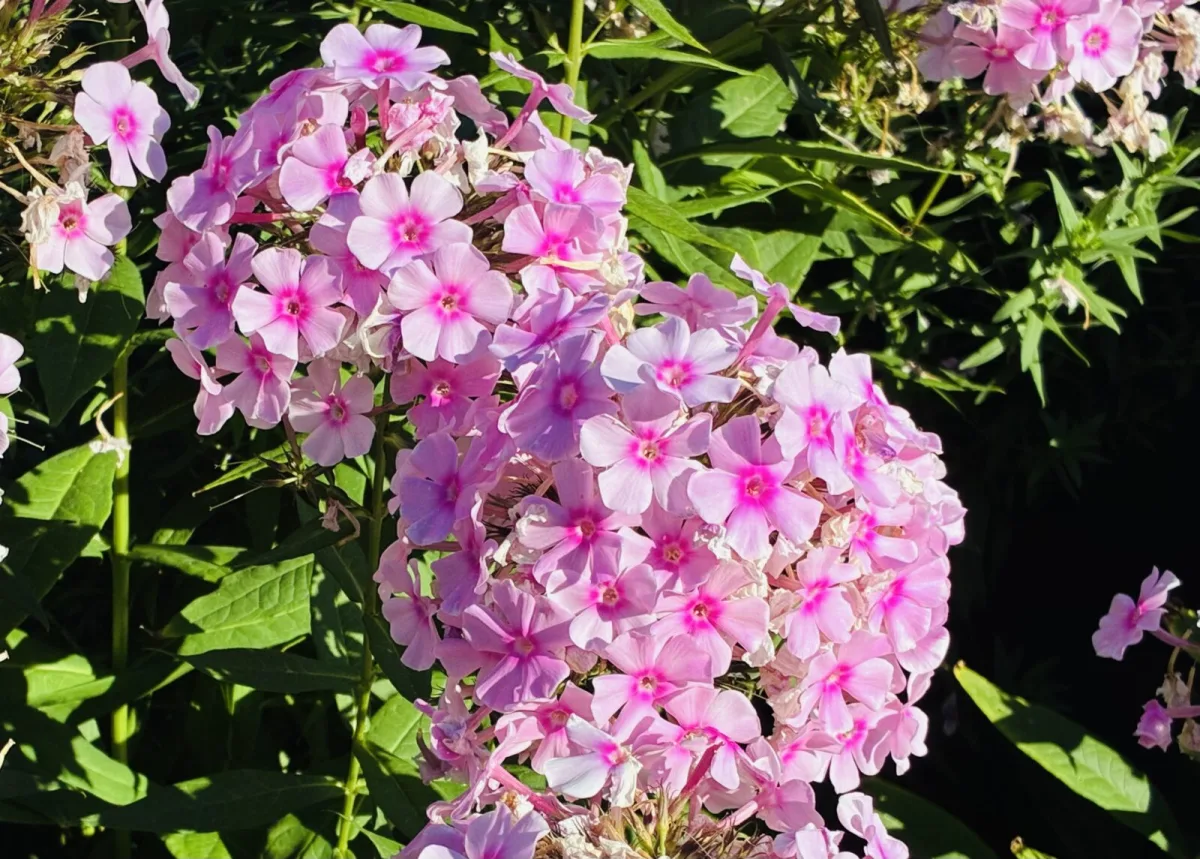
Autumn cutting back and dividing clumps
After the first harder frosts, it’s practical to cut taller phlox down low, about 2 to 5 cm above the ground. This tidies the bed, reduces the risk of diseases overwintering, and helps clumps reshoot better in spring. At the same time, it’s recommended to divide and rejuvenate taller border phlox every 2 to 3 years. Division boosts vigour, improves flowering, and limits the issues that arise in older, overly congested clumps.
Most common problems and how to prevent them
Phlox are generally low-maintenance, but with poor airflow, overwatering, or during periods of muggy, humid weather, they can start to struggle. The key prevention is correct spacing, avoiding overwatering, and not watering over the leaves. It also helps to thin a little as needed so the planting dries more quickly after rain.
Powdery mildew and other diseases
One of the most common diseases is powdery mildew, which shows as a white, floury coating on leaves and stems. It spreads mainly in warm, humid weather. You can reduce it with proper spacing, watering at the base, and cutting back after flowering. It also helps to choose cultivars with better mildew resistance. Other issues include leaf spot diseases that reduce ornamental value, rust with orange-brown spores, or stem diseases that can cause wilting and dieback. In heavy, persistently wet soils, you may also see rapid collapse at the base of plants, typical of soil-borne infections.
Pests that may show up
Occasionally phlox are attacked by small pests. Some nematodes damage stems and leaves and lead to deformities. Larvae that mine within leaves leave visible pale trails and weaken growth. Caterpillars can chew leaves and flowers too. With light infestations, regular checks and removing affected parts is often enough, but the most important thing is keeping plants in good condition and not growing them in an overcrowded mass.
Types of phlox and how to use them in the garden
There are many kinds of phlox, differing in height and flowering time, usually from spring into summer depending on the species. Low, creeping phlox is excellent as ground cover in sunny spots, where it makes a continuous flowering carpet. Woodland phlox stays fairly low and suits partially shaded areas with light filtered through tree canopies. Mid-height garden phlox are a reliable feature in perennial borders because they fill space and bring colour at mid-level. Tall border phlox work as a bold backdrop or at the back of the bed and often offer a stronger flower fragrance as well.
Why phlox deserves a place in your planting
If you want a perennial that brings saturated colour, supports pollinators, and isn’t a typical target for browsing wildlife, phlox is a very practical choice. Give it fertile soil, sensible moisture, enough room for airflow, and regular deadheading, and it will reward you with a long flowering season and steady growth. Thanks to the wide range of species, it’s easy to choose a phlox for sun or light shade and match it to almost any garden style.
Source: Almanac, Rhs , Pestrazahrada.cz
Related articles
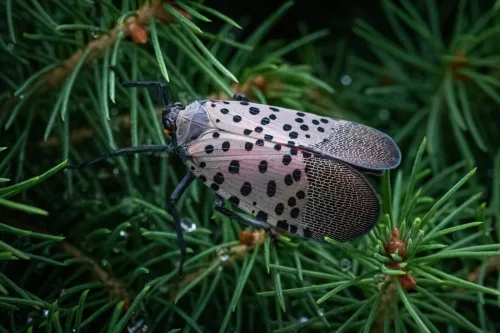
A feared pest from China has reached Europe and it has no Czech name and it devastates everything from grapevines to orchards
Hungary has confirmed the first European detection of Lycorma delicatula, a highly destructive invasive pest known for severe damage to grapevines, fruit trees and many other plants. Authorities have launched quarantine measures to prevent it from establishing and spreading further.
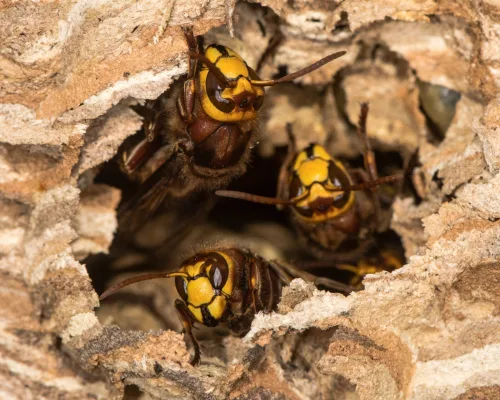
You Can Remove a Hornet Nest Without a Permit If You Meet Legal Conditions
Home and garden owners often worry whether removing a hornet nest could put them on the wrong side of the law. In the Czech Republic, the European hornet is generally protected, but it is not a specially protected species, so removal is usually possible when there is a genuine safety risk.
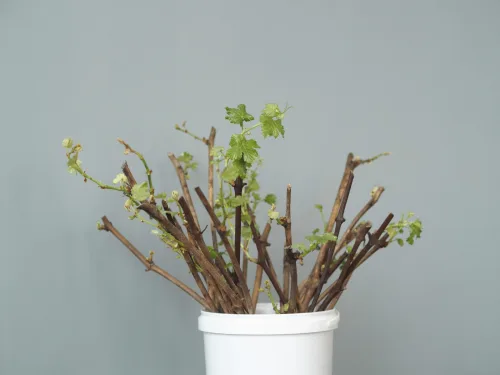
A Simple Plant Propagation Trick That Will Fill Your Garden With Cuttings
Propagating plants can be surprisingly easy when you keep cuttings consistently moist without letting them dry out. This simple plastic-bag method creates a humid microclimate that encourages fast rooting using everyday household items.
Comments (0)
Be the first to comment.