
 English
  Polski
  Deutsch
  Nederlands
  Svenska
  Norsk
Norsk  Dansk
Dansk  Français
  Italiano
  Español
  Português
  Slovenčina
  Suomi
Suomi  Gaeilge
 September Cuttings Can Save a Planting Winter Would Wipe Out
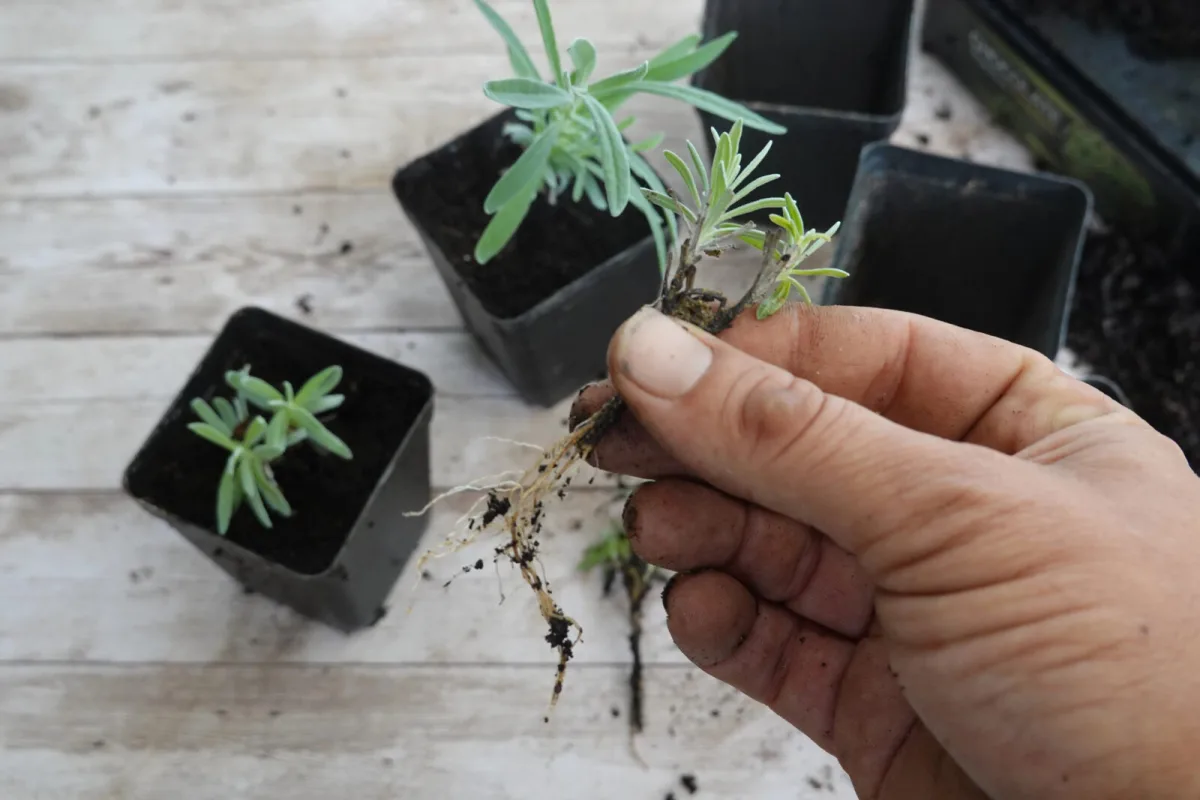
September is one of the best times to propagate a whole range of plants from cuttings. Many ornamentals, especially more tender perennials and sensitive small shrubs, may not come through winter unscathed in our conditions. If you prepare cuttings in autumn, you create your own insurance policy and, come spring, you’ll have young, vigorous plants on hand without having to buy replacements.
Autumn propagation has another advantage: it’s an easy way to build up your stock of favourite cultivars. If you grow interesting varieties that are hard to find, a few well-rooted cuttings can save you worry and money should you suffer losses over winter.
Which cuttings to take in September
At this time of year, the most common approach is to use so-called semi-ripe cuttings taken from this season’s growth. Typically, the base is already firmer and beginning to mature, while the tip remains softer and actively growing. This combination is often ideal for rooting.
In autumn, plants tend to be physiologically primed for root formation, and the semi-ripe portion of the cutting is also less prone to rotting. With a clean cut and the right environment, you can achieve excellent results even with plants that are risky outdoors in winter.
Ten plants worth propagating in September
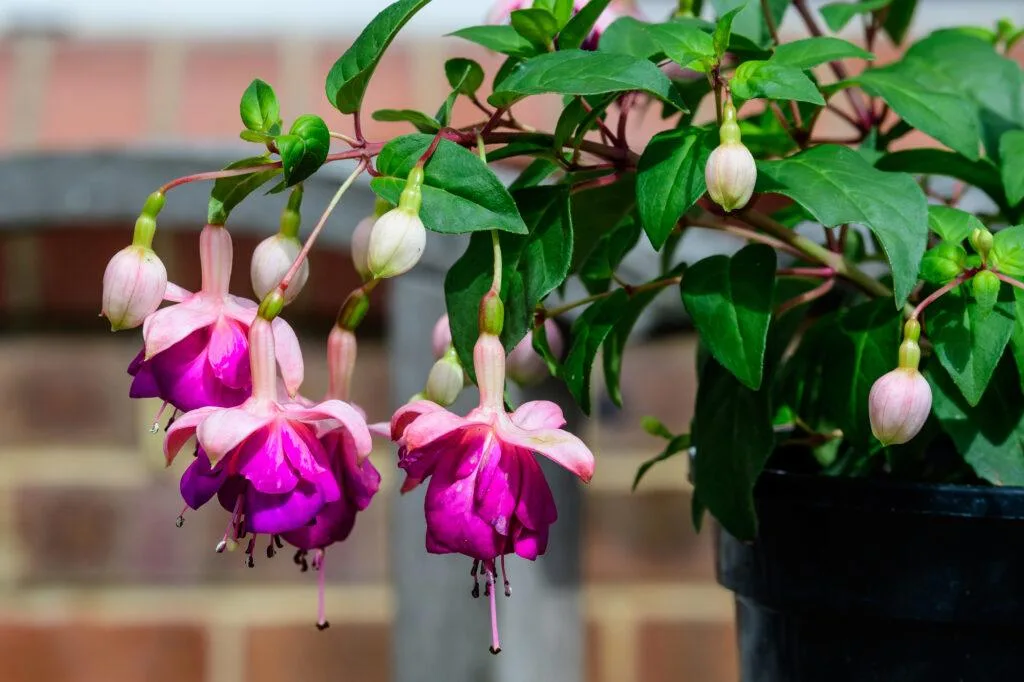
Fuchsia
Fuchsias are wonderfully reliable for autumn cuttings, whether you grow hardier types or more tender, perennial forms. They usually root readily, and once established it’s worth encouraging a compact shape by pinching out the growing tips. You can repeat the same step next spring to help the plant bush out and flower better.
Hebe
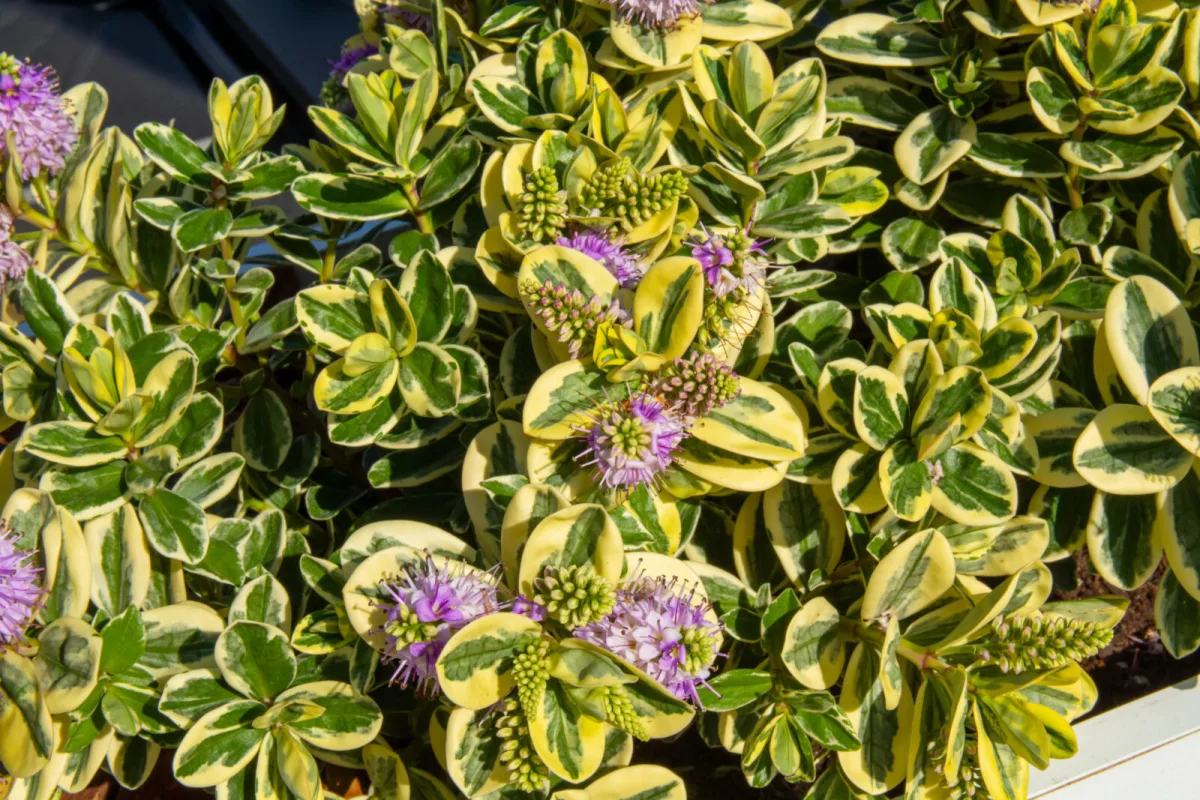
With hebes, the most vulnerable are often variegated forms, along with cultivars with narrow leaves or striking spike-like, brush-style flowerheads. These can suffer in poor weather and may cope less well with winter. By taking cuttings, you secure replacements in advance in case the original shrub is killed by frost or damaged.
Lavender
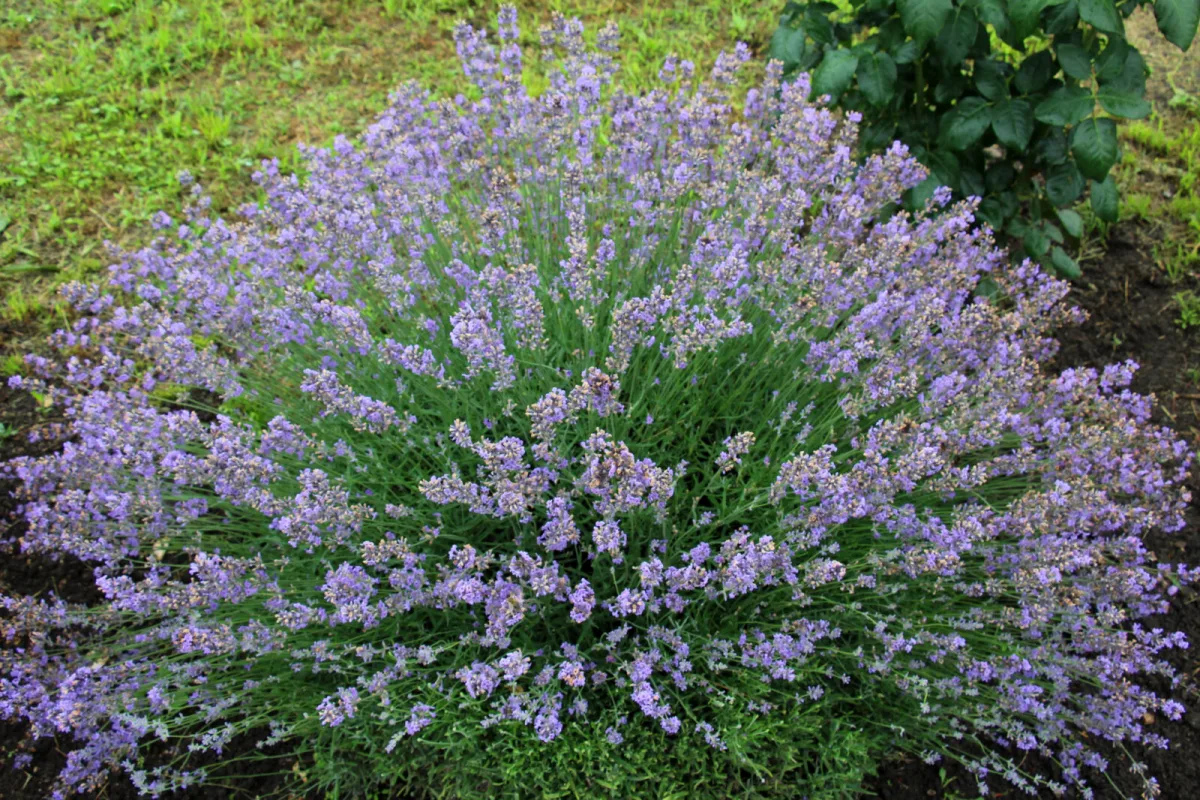
Many lavenders struggle with the combination of cold and winter wet. Modern compact varieties grown in containers can be particularly susceptible, as can French lavender, known botanically as Lavandula stoechas. September is an excellent time to take a few cuttings so your favourite plant can be easily replaced if it doesn’t make it through winter.
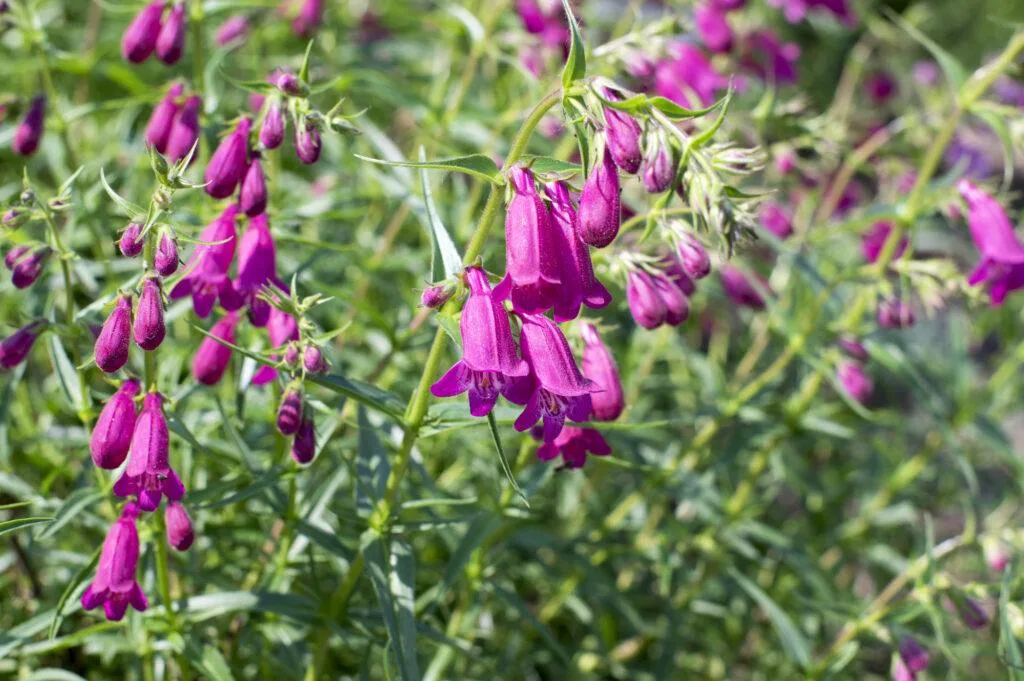
Penstemon
Penstemons often overwinter outdoors without major trouble, but a harsher winter can take its toll. Older plants also become woody over time, lose vigour and recover less readily. Autumn cuttings are therefore a sensible back-up, helping you keep favourite varieties even when the parent plant starts to decline.
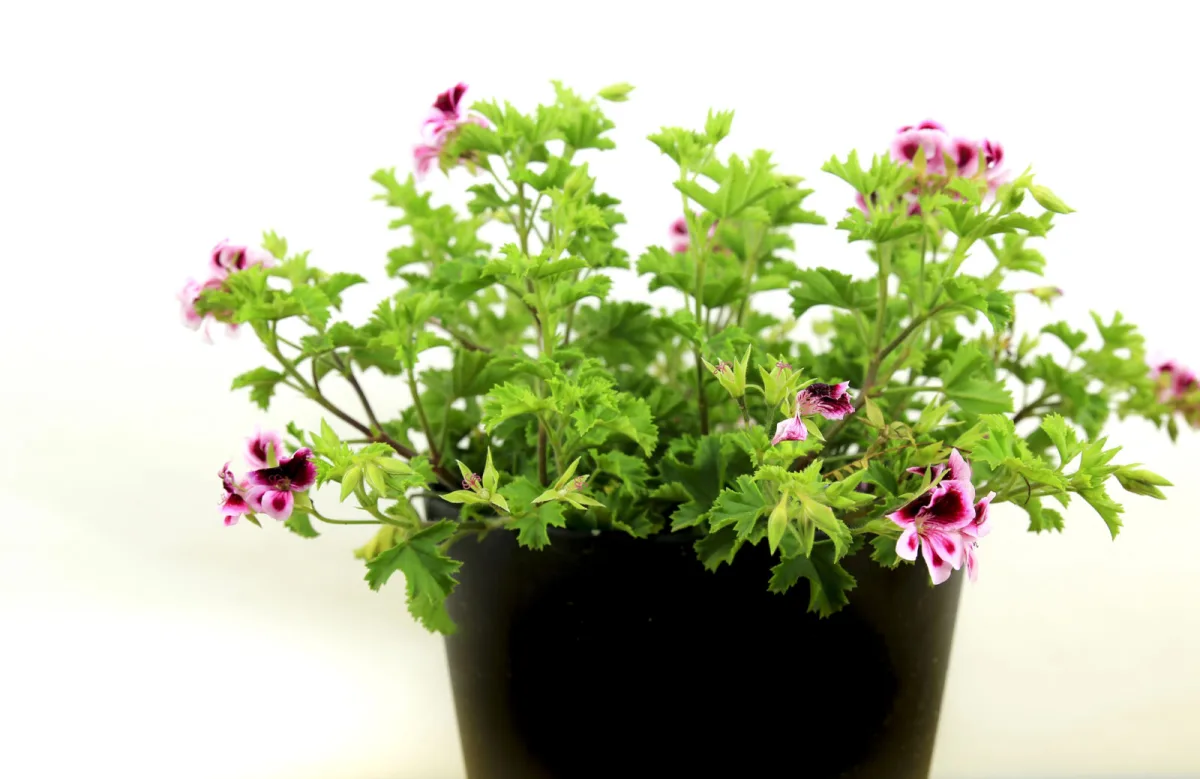
Geranium (Pelargonium)
Taking pelargonium cuttings in autumn is a tried-and-tested way to keep zonal, large-flowered, miniature, trailing and scented types. Most root reliably at this time of year, and it’s often easier than replacing plants annually, especially if you grow less common, collector cultivars. Rooted cuttings can then be overwintered indoors and will spring into growth quickly when temperatures rise.
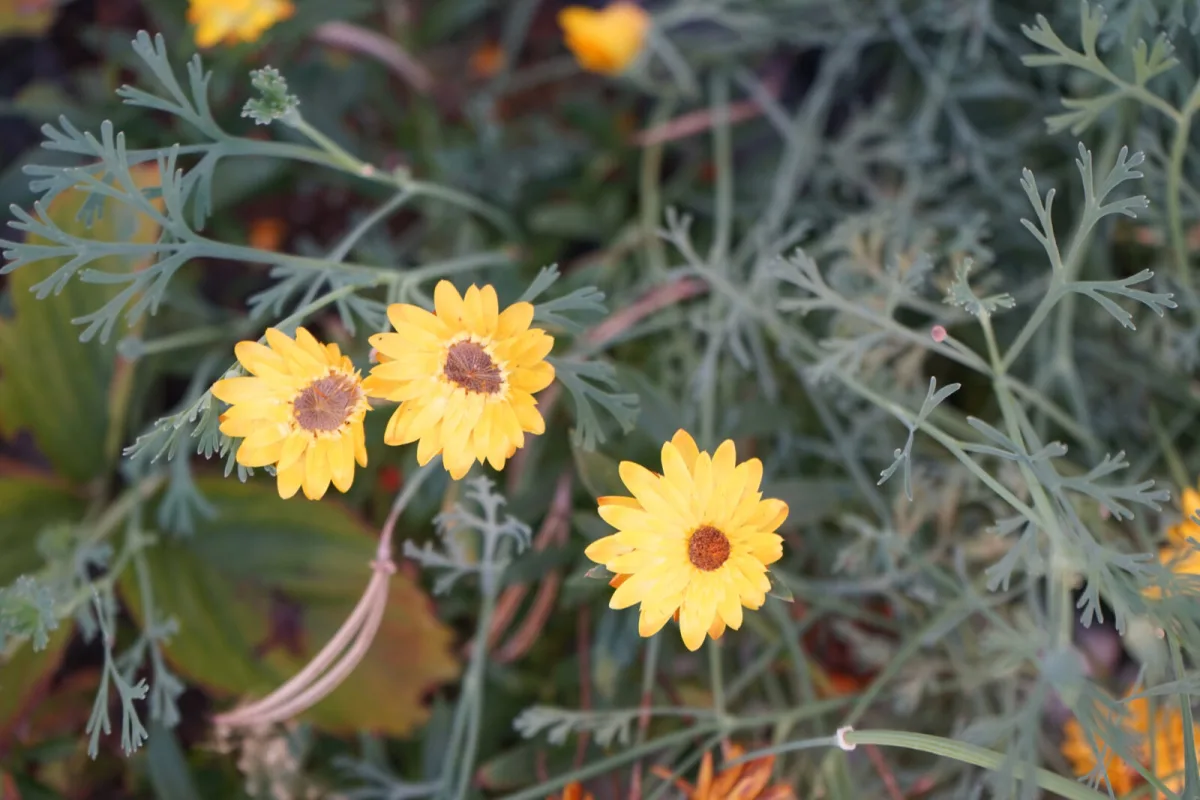
Felicia (blue daisy)
Felicia is a charming plant with vivid blue flowers and a yellow centre, and it deserves far more attention. If you can get hold of a variegated form it’s even more striking, but it tends to be rarer. For plants like this, cuttings are ideal, because they allow you to maintain your own stock rather than hunting down replacements.

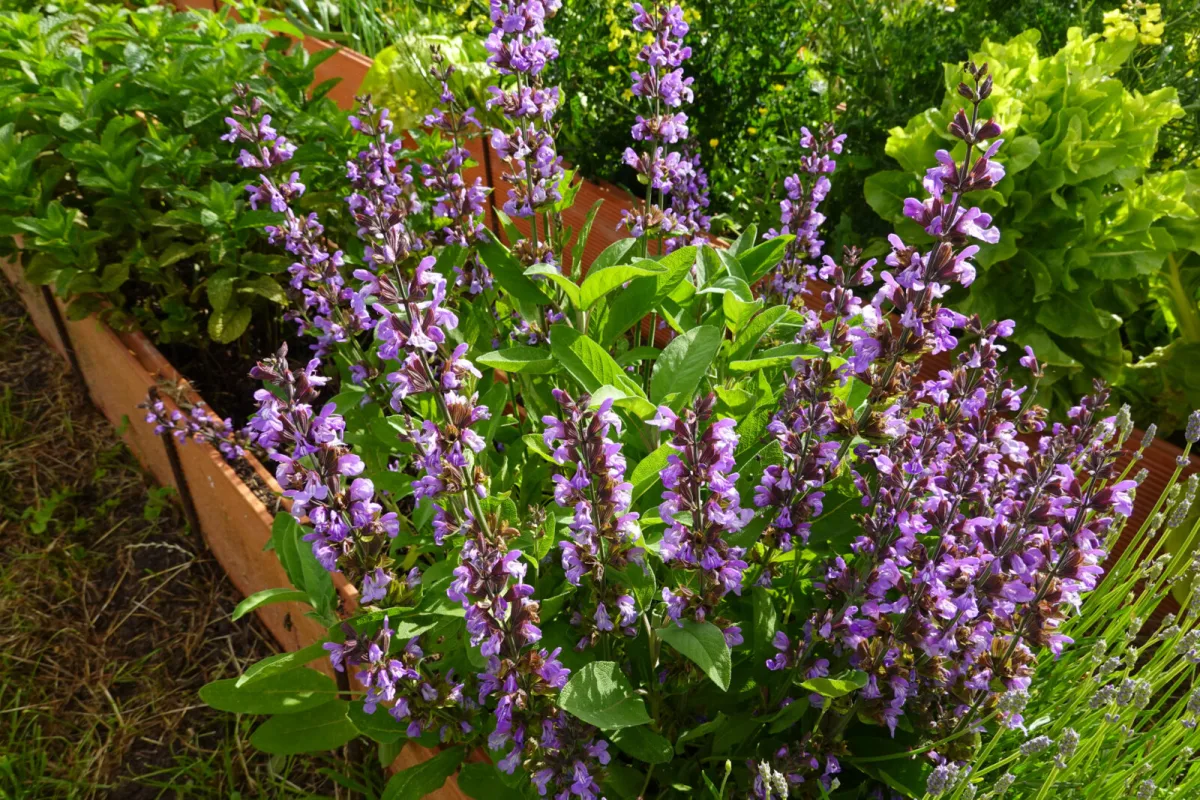
Sage
Not all sages are fully hardy, and some cultivars can also be difficult to source. Taking cuttings in autumn is a practical way to keep plants going year after year. Any spare rooted plants can be given away, creating a useful reserve among fellow gardeners in case your own plant fails to make it through winter.
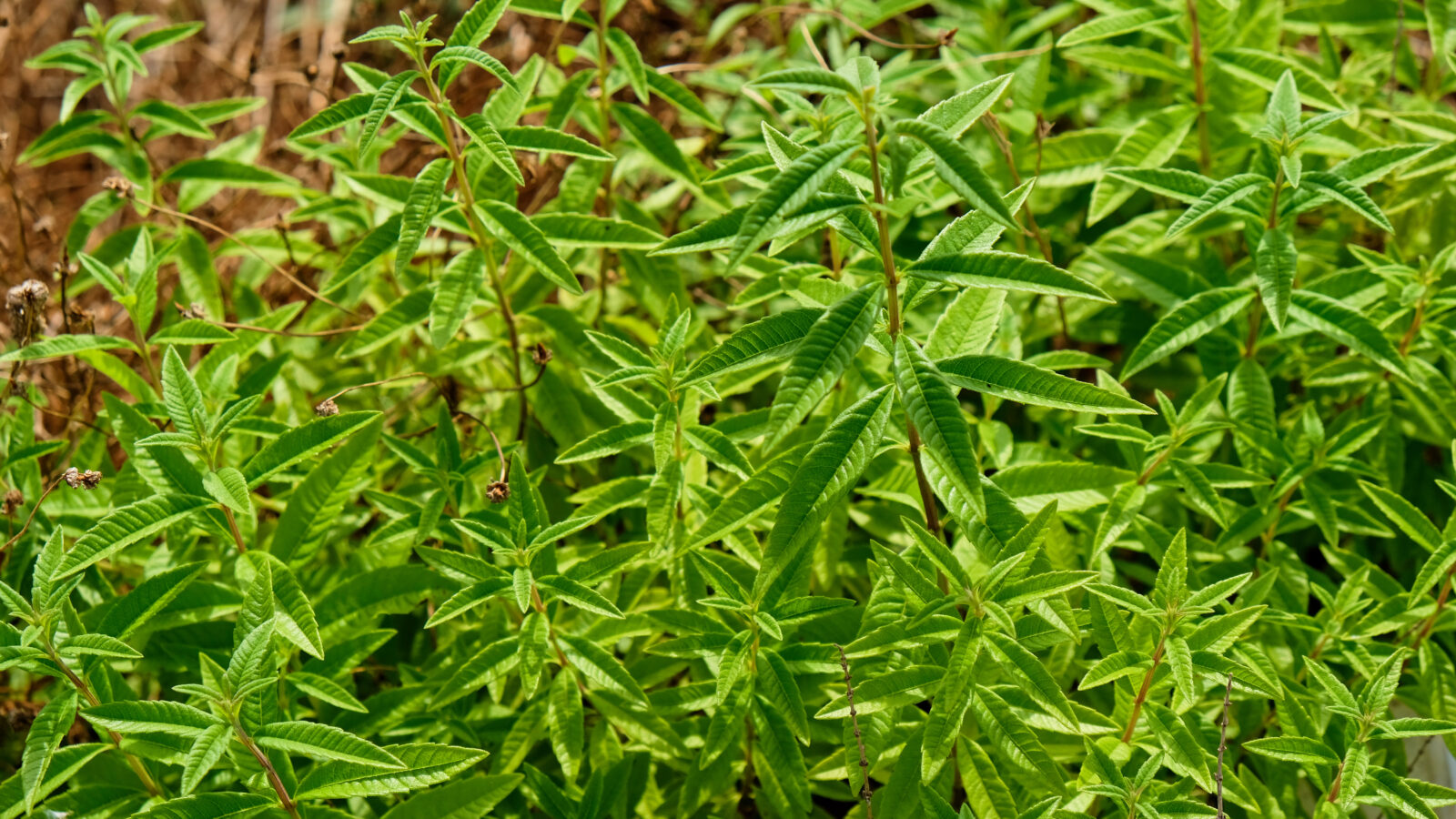
Lemon verbena
Lemon verbena, botanically Aloysia citrodora, is useful in the kitchen and for herbal teas, it’s also used in potpourri, and it stands out for its fresh lemon flavour. But it is very frost-tender, so it’s not usually left outdoors. It’s safer to overwinter it as rooted cuttings in a bright, warmer spot indoors, such as a windowsill.
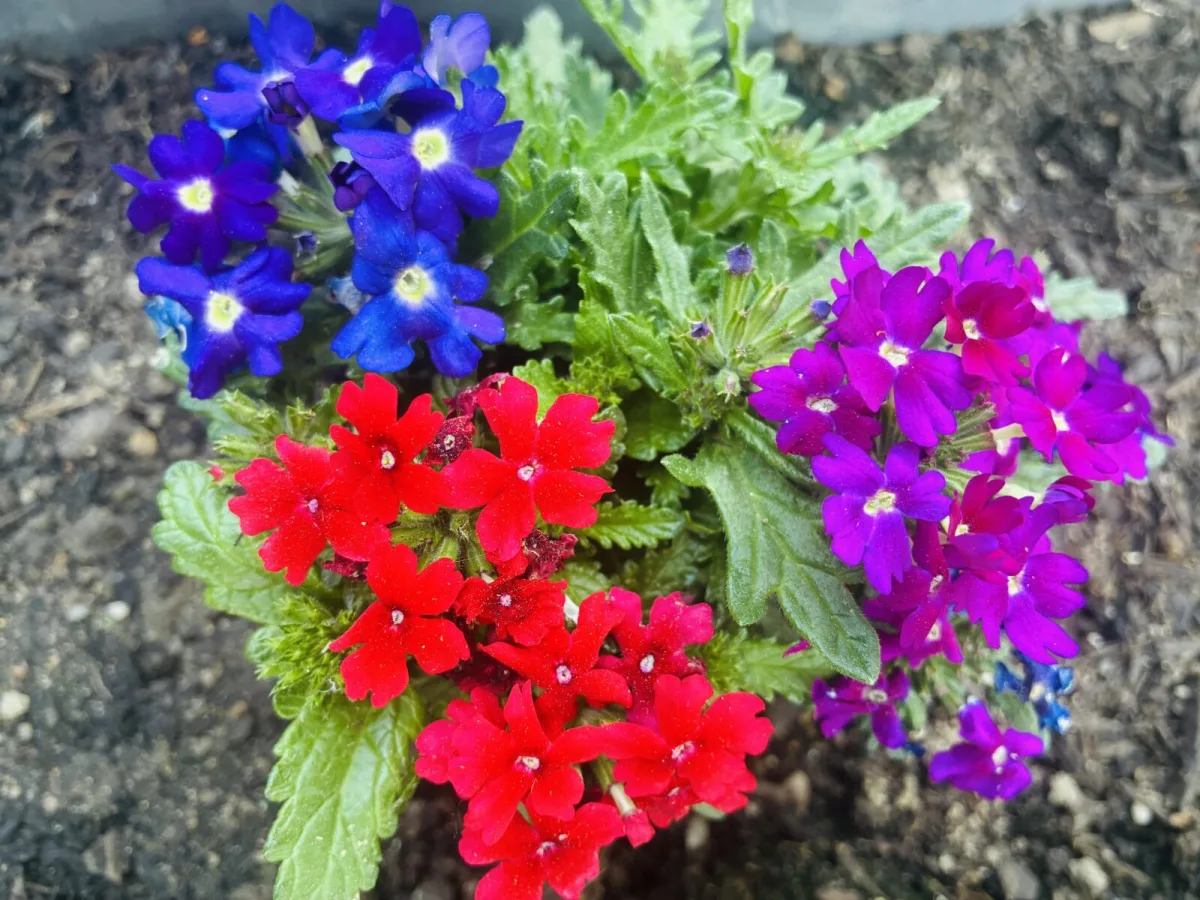
Verbena
With verbenas, whether trailing or upright, overwintering in a greenhouse often isn’t very successful. Better results usually come from taking cuttings in autumn, rooting them, and then keeping them through winter indoors in warmer conditions. A steadier temperature on a windowsill can significantly increase the chances of plants staying in good shape until spring.
Helichrysum (licorice plant)
Trailing helichrysum tends to become leggy, and over time it can look sparse and less tidy. In September it’s worth taking shorter cuttings, then shaping young plants in spring by pinching out the tips. If you want a really full look, you can pinch again once the side shoots have grown a little, encouraging the plant to branch more freely.
Autumn cuttings as simple insurance
September offers a great opportunity to build up a stock of plants for next season with very little expense. Semi-ripe cuttings tend to be more resistant to rot, and many popular plants root well at this time of year. If you have plants in the garden or on the balcony that you worry may be lost over winter, a handful of cuttings could save your entire planting next year.
Source: Gardeners World, Homesand Gardens , Pestrazahrada.cz
Related articles
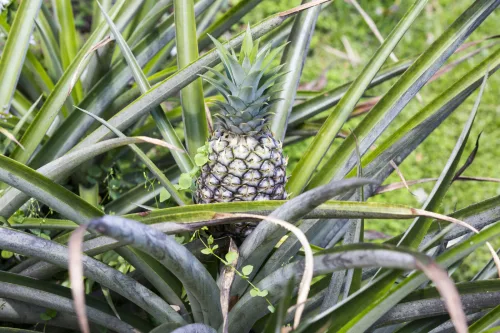
A Pineapple Top Will Root in Two Weeks, but Success Depends on the Step Most People Skip
Don’t throw away the leafy crown when you cut a pineapple. With the right prep, light, warmth and careful watering, you can root it and grow a houseplant that may eventually fruit.
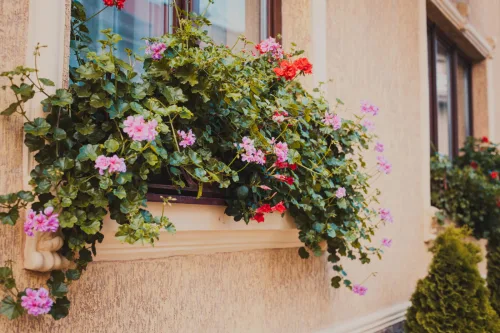
Overwintering Geraniums in a Box Ensures Stronger Growth and More Abundant Spring Bloom
Many people throw balcony geraniums away after the season, even though they can overwinter very well. Stored correctly in a box in cool, dark, dry conditions, they’ll come back stronger and flower generously in spring.
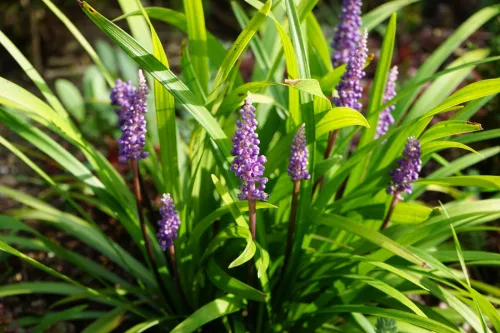
This perennial flowers when others are finishing, thrives in shade and is still little known in the Czech Republic
Liriope is a tough, evergreen perennial with grassy foliage that comes into its own at the end of summer, when many other plants are fading. It thrives in partial shade to shade, needs little care, and adds structure to borders year-round.
Comments (0)
Be the first to comment.