
 English
  Polski
  Deutsch
  Nederlands
  Svenska
  Norsk
Norsk  Dansk
Dansk  Français
  Italiano
  Español
  Português
  Slovenčina
  Suomi
Suomi  Gaeilge
 Why Blackcurrants Are Pruned Differently from Red and White Currants and How It Boosts Yield
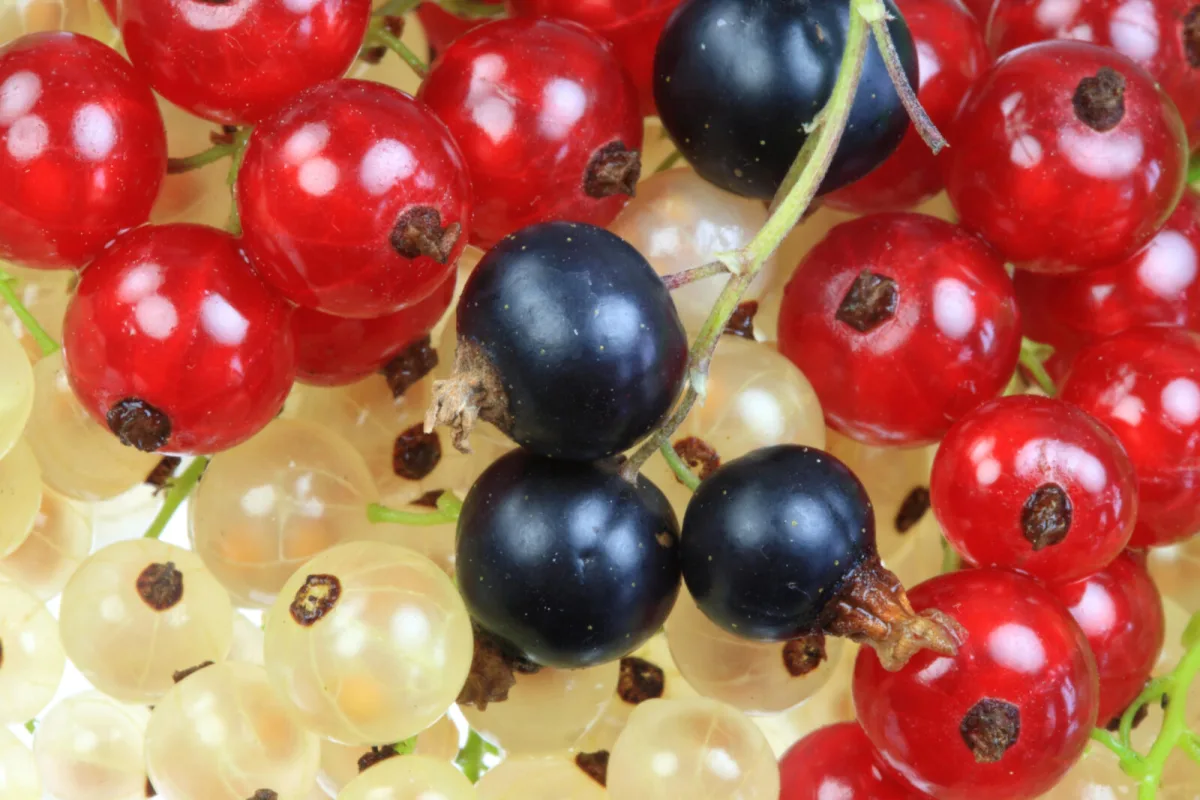
Currants in the garden may look similar at first glance, but there is a key difference between blackcurrants and red or white currants: which wood carries the most flowers and fruit. That alone determines when to prune and how hard. The most common mistake is a “one-size-fits-all” approach: a gardener prunes every bush the same way and then wonders why blackcurrants decline while red and white currants lose part of their crop.
A sensitive period comes shortly after harvest. In the summer weeks, the buds are forming the beginnings of next year’s flower trusses, and at the same time the bush must feed new shoots and ripen its wood. Pruning at that moment is not just about looks, but a direct intervention in next season’s yield.
Blackcurrants fruit mainly on young wood
Blackcurrants crop predominantly on one-year-old and two-year-old shoots. The younger and better ripened the shoot, the higher the chance of strong flower buds and good-quality bunches. Once a branch ages, it starts doing the opposite of what you want: it shades the centre of the bush, takes up space, and productivity drops. Typically, branches older than three years are more of a drain on nutrients than a worthwhile return in fruit.
With blackcurrants, the aim is continuous renewal: old out, young into the light.
That is why blackcurrants are pruned more firmly, and pruning right after harvest is often recommended. By removing the oldest shoots as low to the ground as possible, you make space for young canes that can thicken up by autumn and set buds for next year. At the same time, remove weak, diseased, crossing, and low-lying shoots that only thicken the bush and increase disease pressure.
Red and white currants also use older wood
Red and white currants have a different strategy. They fruit not only at the base of last year’s shoots, but also on so-called fruiting spurs on older wood. That means some older branches are still valuable and will crop repeatedly. If you cut them out as hard as you would with blackcurrants, you will remove a large share of the potential fruiting sites.
With these colours, the main shaping prune is usually done during dormancy, when the framework of the bush is easy to see and the cut disrupts the balance between growth and cropping less. Immediately after harvest, a sanitary and thinning prune is usually enough: remove dead, damaged, or clearly overcrowded parts so air and light can reach the centre. A more open bush dries faster after rain, suffers less from fungal diseases, and ripens its wood better.
What happens if you choose the wrong pruning method
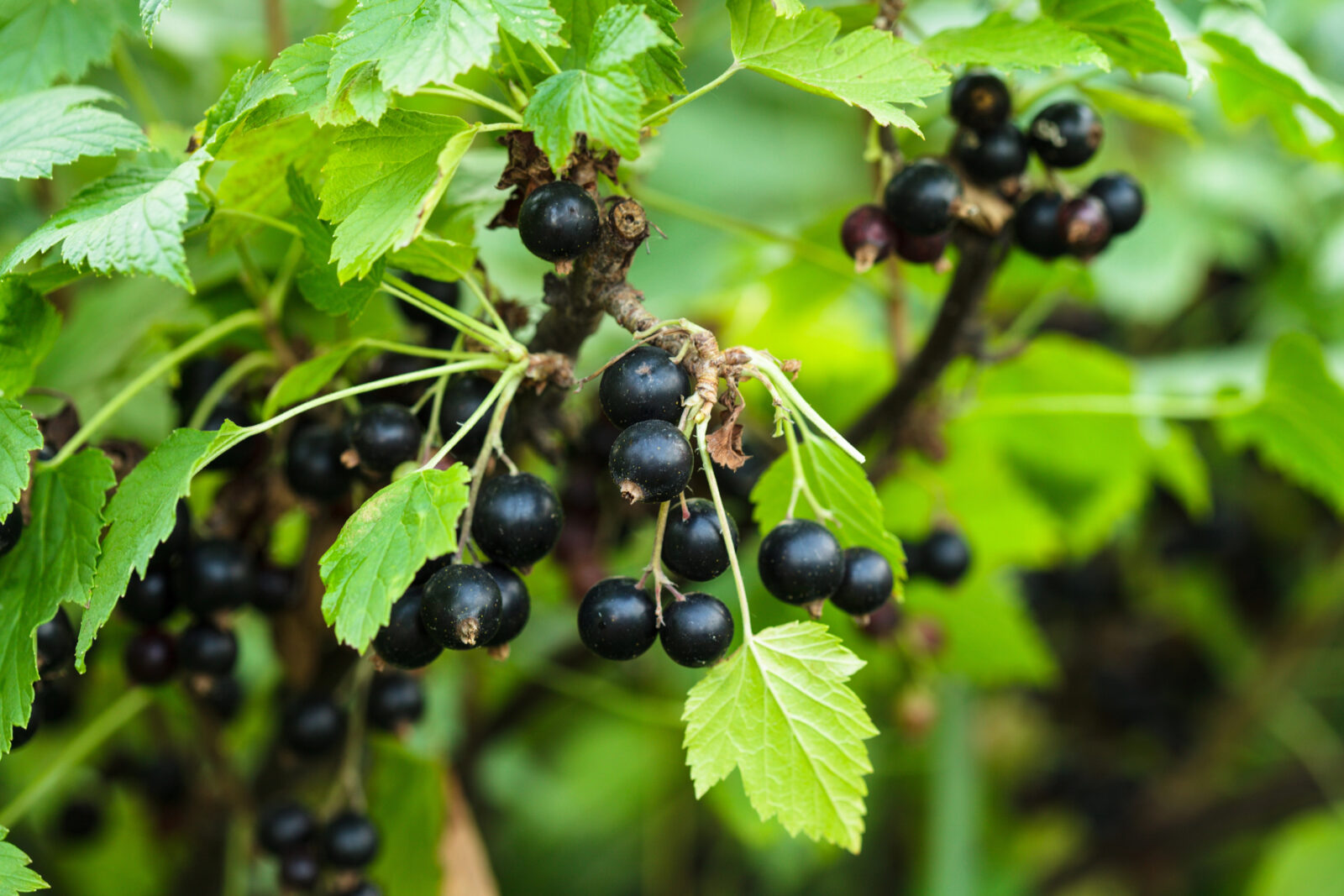
If you go easy on blackcurrants and leave lots of old branches, the bush may look substantial, but it gradually becomes “clogged”. New canes are pushed into the shade, berries get smaller, and disease increases. On the other hand, if you radically “rejuvenate” a red or white currant after harvest as you would a blackcurrant, you will remove a large portion of the fruiting spurs and the bush will respond the next season more with leafy growth than with a full crop.
Correct timing after harvest determines next year’s bunches
After harvest, it makes sense to act quickly mainly with blackcurrants, because you need young shoots to get a head start and be well nourished. With red and white currants, the summer timing is useful mainly for hygiene and improving the microclimate within the bush. In both cases, clean cuts, plenty of light, and an unclogged centre are the best prevention for problems in the next season.
At the same time, it is a good moment to check plant health. In summer you can spot leaf-spotting diseases, damage from sap-sucking pests, and the typical bud deformities seen on blackcurrants. Infected material does not belong in a home compost heap, because you are simply bringing diseases and pests back to the bed.
Pruning alone is not enough, the bush needs resources to regenerate
Pruning creates space, but without moisture and nutrients, young wood will not build properly and buds will not form at full strength. After harvest, it is therefore practical to add organic matter and keep soil moisture steady, especially in dry periods. Compost or well-rotted manure in a thin layer helps the soil and roots, and also acts as a mulch against rapid evaporation. Elements that support fruiting matter too, especially phosphorus and potassium; on the other hand, it does not pay to overdo nitrogen after harvest, so the bush does not grow lushly at the expense of ripening its wood.
Conclusion: the logic of pruning comes from where the bush actually fruits
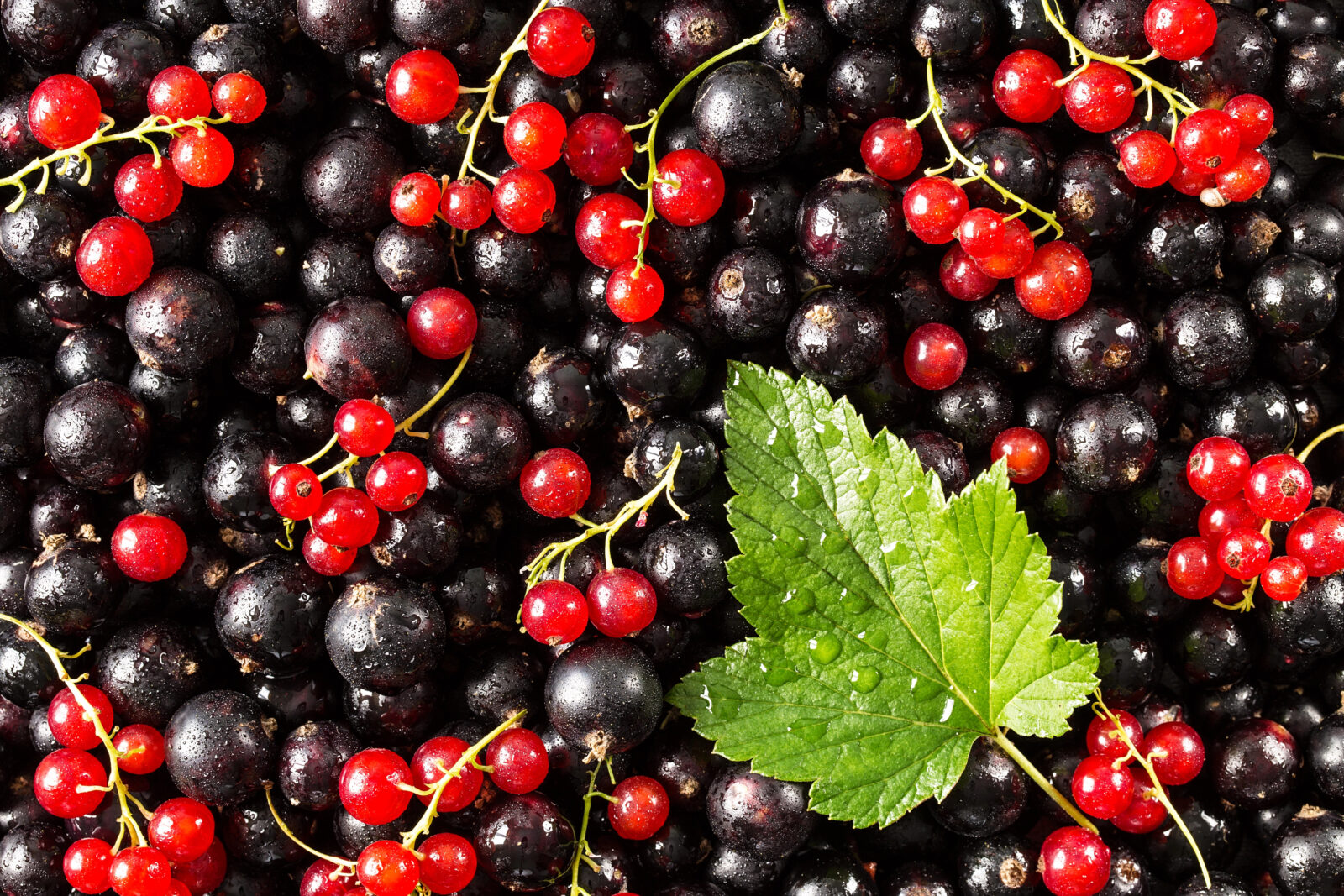
The difference between blackcurrants and red or white currants is not the colour, but the fruiting biology. Blackcurrants need regular removal of old branches and a consistently youthful bush because they crop most heavily on one-year-old and two-year-old wood. Red and white currants, by contrast, carry part of their crop on older wood as fruiting spurs, and therefore need a lighter summer tidy-up and a considered shaping prune outside the growing season. Anyone who adopts this simple rule usually gains not only a higher yield, but also healthier, more manageable bushes with lower disease pressure.
Source: Pestrazahrada.cz

A lover of nature, gardens, and everything that moves, blooms, or grows. He literally grows everything, from herbs to rare species, and he enjoys caring for animals just as much. In his work, he connects modern technology with tried-and-tested grandmotherly methods and is happy when both paths lead to the same goal.
Related articles
Autumn strawberry care takes an hour and you will be rewarded with plants laden with fruit with just three steps
After fruiting, strawberries benefit from a few timely autumn jobs that help them winter well and bounce back strongly in spring. A simple trim, the right feed, and a protective mulch can mean bigger, tastier berries next season.
Christmas cactus will bloom again even after years if you avoid one common mistake
A Christmas cactus can look perfectly healthy yet refuse to flower for years. With the right light, temperature, watering, and a gentle boost, it can set buds again and bloom reliably.
Take care with pruners on ornamental grasses Some are best cut back in autumn others in spring
Ornamental grasses bring movement and structure, but not all of them should be left standing until spring. For several warm-season and self-seeding types, an autumn cut-back keeps borders tidier and helps limit spread.
Comments (0)
Be the first to comment.