
 English
  Polski
  Deutsch
  Nederlands
  Svenska
  Norsk
Norsk  Dansk
Dansk  Français
  Italiano
  Español
  Português
  Slovenčina
  Suomi
Suomi  Gaeilge
 A Dangerous Lookalike of Black Elder Grows Here Too and Is Easily Confused
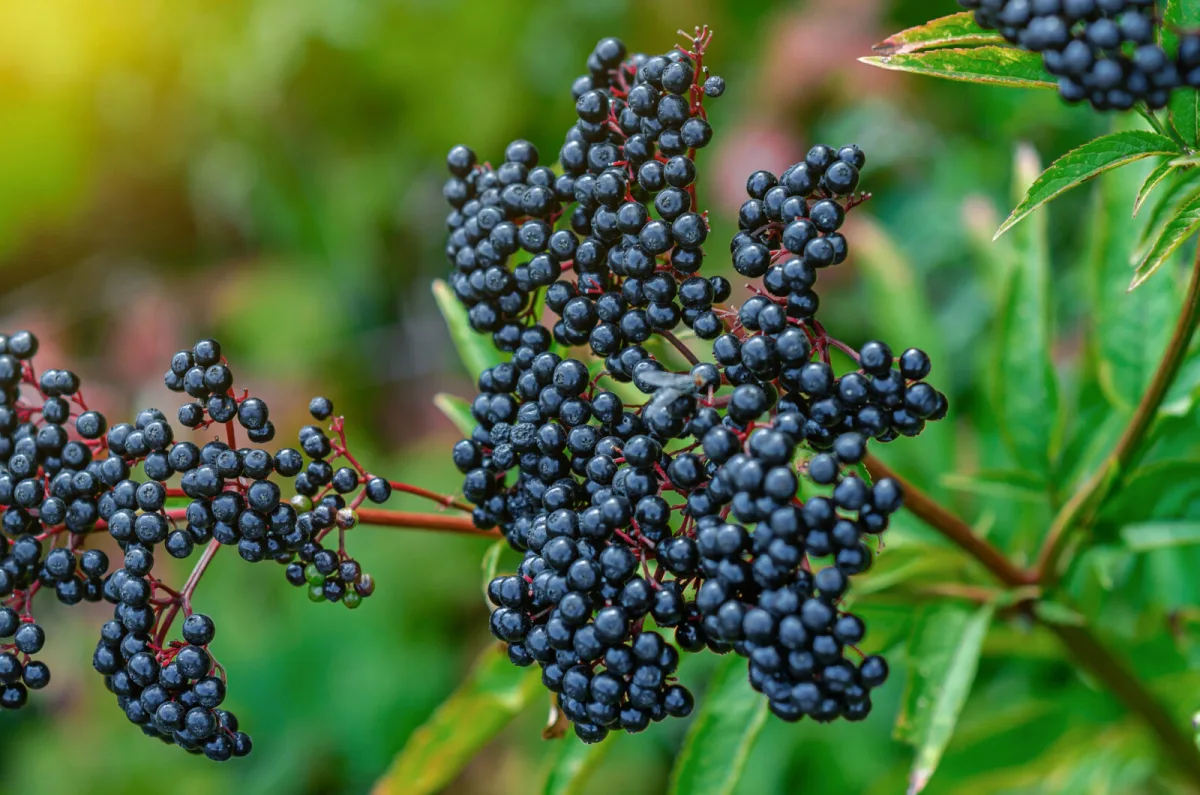
Black elder (Sambucus nigra) is one of the best-known plants people forage for cordials, lemonades, and other home preserving. When it’s in flower and later when the berries ripen, you’ll see it along road verges, at the edges of scrub, and on field margins. That’s exactly when a common mistake happens: a very similar-looking plant can be growing among it that is unsuitable for picking. It’s dwarf elder (Sambucus ebulus), a dangerous lookalike whose berries are considered toxic.
At first glance, the two plants can look almost identical, with similarly shaped leaves and small white flowers in clusters. If you only give the plant a quick look, the mix-up is surprisingly easy. That’s why it’s so important to know a few reliable features that help you tell black elder from dwarf elder before anything ends up in your basket.
The key difference is the plant type and the stem
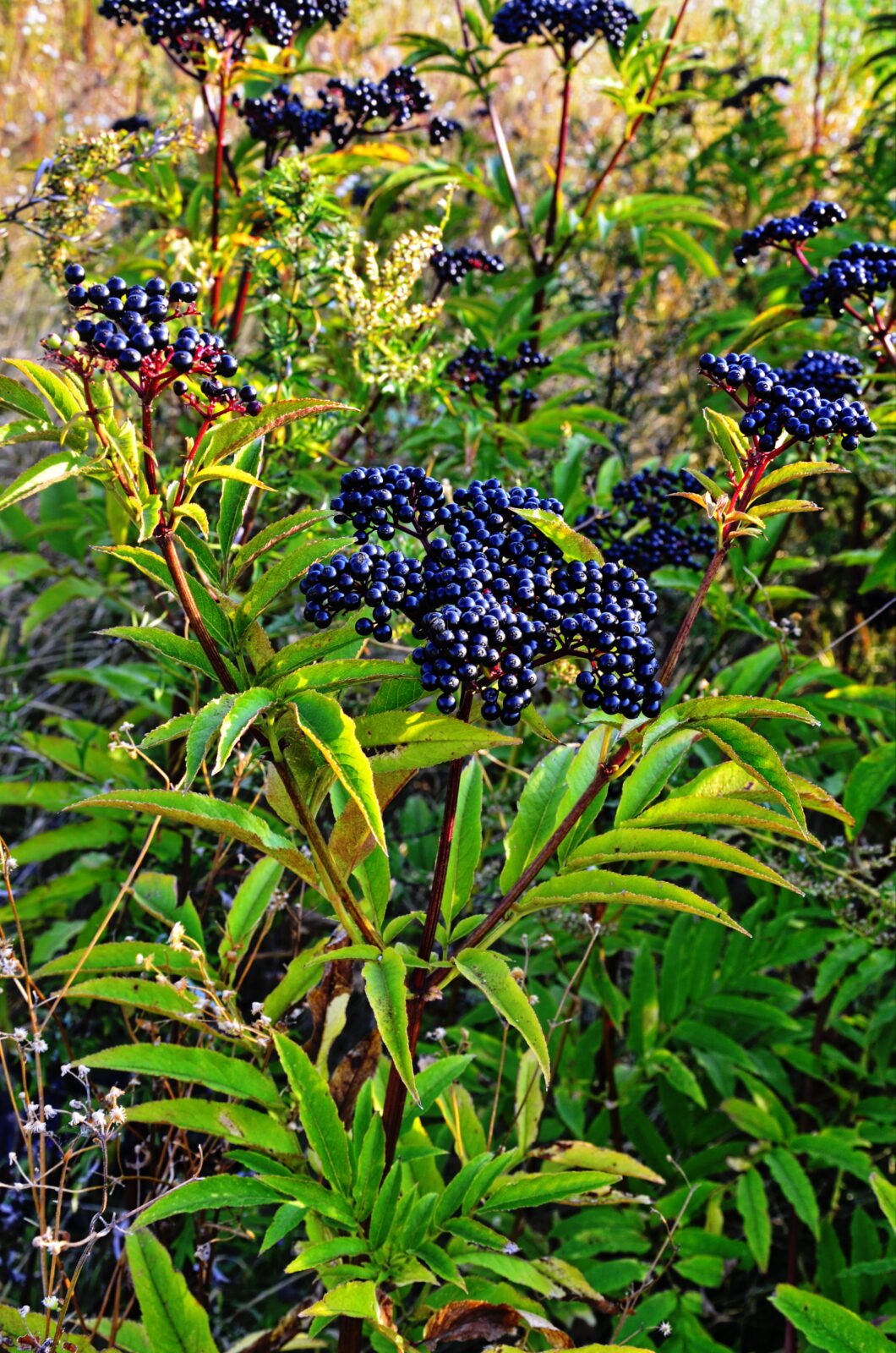
Black elder is a woody shrub that can grow several metres tall. It has sturdy, branching shoots and looks like a typical shrub in the landscape. By contrast, dwarf elder is a perennial herb. It’s usually shorter, commonly reaching around 2 m, and instead of woody branches it has a green, herbaceous stem. This dies back in autumn, and the plant resprouts in spring from its underground parts, not from a woody trunk.
This feature is very practical for identification: if a plant resembles elder but doesn’t form a woody shrub and you’re seeing tall, herbaceous stems instead, caution is warranted. Both plants have pinnate leaves and flowers arranged in showy white clusters, so leaves and flowers alone may not be enough.
The most reliable clue is the berries and the direction the clusters face
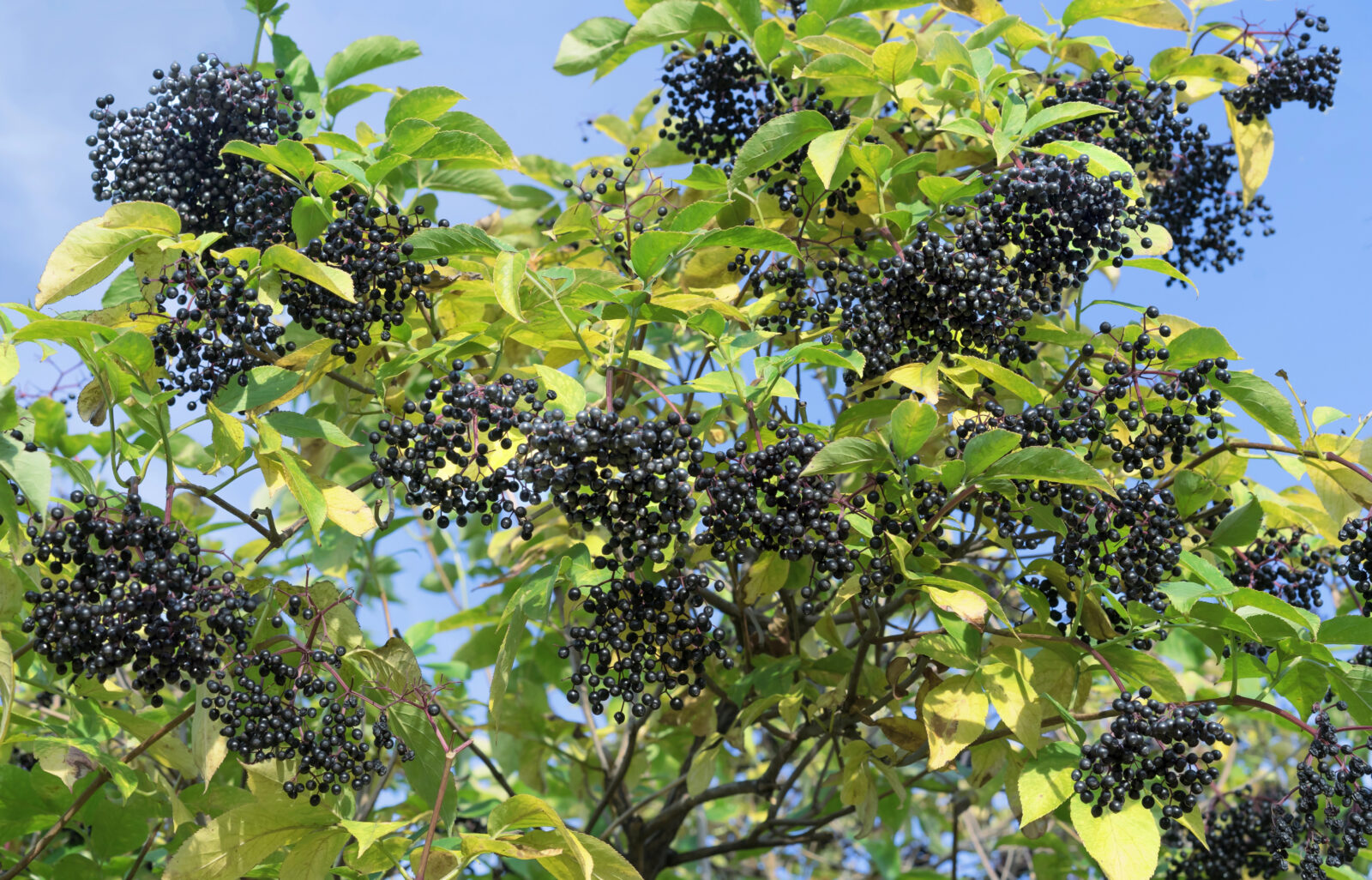
A very good distinguishing feature is how the fruit clusters sit once ripe. Black elder produces dark, almost black berries in bunches that typically bend and hang down. Dwarf elder, on the other hand, holds its berries conspicuously upright, with clusters pointing upwards and staying more erect.
This detail is often decisive when foraging because it’s easy to see even from a short distance. So if you spot black berries that don’t droop but stand up, it’s sensible to leave the plant alone and check other features. Combined with an herbaceous stem, it’s often dwarf elder.
Scent can help, but it shouldn’t be the deciding factor
Some foragers also rely on smell. Black elder flowers have a distinctive, widely recognised fragrance that people associate with elderflower cordial. With dwarf elder the scent can be noticeably less pleasant to downright unpleasant, especially if you rub the leaves between your fingers.
However, it isn’t safe to rely on scent as the only identification feature. Our sense of smell is subjective, and it can also vary with weather or growth stage. It’s far more reliable to assess the plant’s overall habit, the type of stem, and above all the direction of the fruit clusters.
Why you shouldn’t pick or taste dwarf elder
With dwarf elder, the problem is toxicity. Research confirms the presence of cyanogenic glycosides and other biologically active compounds. Raw berries can cause digestive upset, nausea, and vomiting. That’s why it’s never a good idea to taste unknown berries “just to try”, even if they resemble fruits of commonly foraged species.
For the home kitchen, the safest approach is not to consume dwarf elder at all and to focus on clearly distinguishing it from black elder when foraging. If you’re unsure, the right course is not to pick, and to verify the plant using multiple sources or with someone experienced.
Black elder also needs proper handling
Even with black elder, not everything is suitable to eat straight from the bush. Raw berries and some other parts of the plant contain cyanogenic glycosides, so ripe berries are used only after appropriate heat treatment, which significantly reduces the amount of these compounds.
The most popular harvest from black elder remains the flowers, used to make cordials, drinks, or even elderflower fritters. But the basic rule of foraging is always the same: identify the plant with certainty first, then pick and process it.
Quick field check: black elder is a woody shrub with drooping clusters of fruit, while dwarf elder is a perennial herb with upright fruit and an herbaceous stem that dies back in autumn.
Source: Zahrádkár, Gardening Know How, Pestrazahrada.cz

A lover of nature, gardens, and everything that moves, blooms, or grows. He literally grows everything, from herbs to rare species, and he enjoys caring for animals just as much. In his work, he connects modern technology with tried-and-tested grandmotherly methods and is happy when both paths lead to the same goal.
Related articles
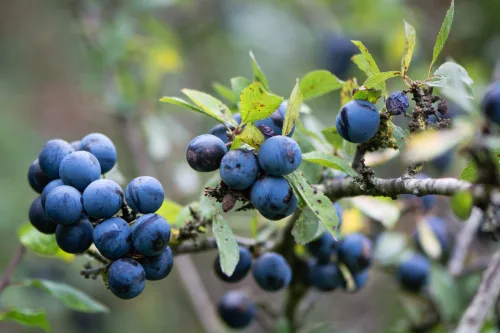
The Most Overlooked Shrub in the Czech Landscape Sloe Feeds Bees Shelters Birds and Bears Fruit Few People Know
Blackthorn (sloe) is an unassuming, thorny shrub that supports wildlife early in the season and yields dark, frosted fruits in autumn. Once touched by frost, its astringent sloes become a valued ingredient for preserves, drinks, and traditional remedies.
How to Choose a Sack for Storing Potatoes So They Don’t End Up in the Compost in a Few Weeks
The right storage sack helps protect potatoes from light and excess moisture, two common reasons they spoil. Learn when to choose a jute sack or a paper sack and how to keep your crop sound for months.
Silverfish Appear at Night and Vanish into Cracks Get Rid of Them with One Change Not a Spray
Silverfish thrive in dark, damp corners and often show up only at night. Long-term control comes from drying the space and removing hiding places, not just spraying chemicals.
Comments (0)
Be the first to comment.