
 English
  Polski
  Deutsch
  Nederlands
  Svenska
  Norsk
Norsk  Dansk
Dansk  Français
  Italiano
  Español
  Português
  Slovenčina
  Suomi
Suomi  Gaeilge
 A Simple Plant Propagation Trick That Will Fill Your Garden With Cuttings
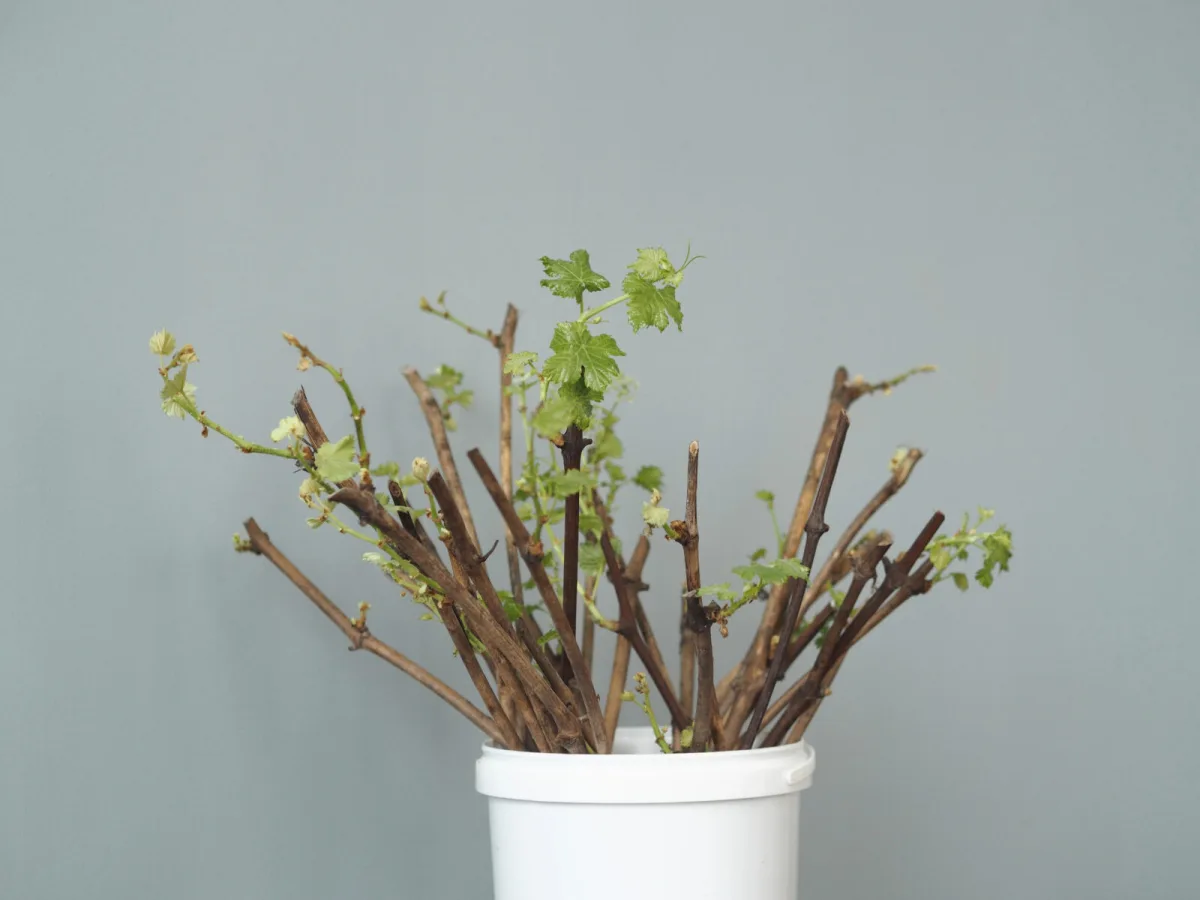
Propagating plants can be surprisingly easy if you create conditions where a cutting doesn’t dry out and still has constant access to moisture. The following method uses a simple principle of a closed, humid environment, thanks to which many kinds of plants can form roots faster than you’d expect. The advantage is that you don’t need any special products or plant pots, just ordinary items from around the home.
The plastic bag and water method
1. Prepare a suitable cutting
Snip off a piece of the plant about 10 to 15 cm long. Remove the leaves from the lower part so that a bare stem remains that will sit in the water. Work cleanly and ideally use disinfected scissors or secateurs to reduce the risk of rot.
2. A bag and a small amount of water
Take an ordinary plastic bag, even a sandwich bag or a clean reused one. Pour in about 2 to 3 cm of water, ideally rainwater, water that has been left to stand, or filtered water so it isn’t unnecessarily hard.
3. Securing it and creating a microclimate
Place the end of the cutting into the water. Gather the open edge of the bag and secure it with an elastic band around the stem so the bag seals. This prevents moisture escaping and creates a stable, slightly warm and humid environment inside. You can lay the bag on a windowsill or hang it so the cutting stays in the correct position.
4. Put it in the right place
Set the cutting in a bright spot, but out of direct sun, which could overheat the plant inside a sealed bag. With many plants, the first root initials can appear in as little as 2 to 4 days; other times it takes longer depending on the species and temperature.
Why this works
The sealed bag holds humidity, the stem stays continuously hydrated, and the plant doesn’t suffer from drying out.
The water is in direct contact with the cutting’s tissues, so it’s easy to maintain a balance between uptake and evaporation. The elastic band helps stabilise both humidity and temperature, which are conditions that strongly support root formation.
Other at-home ways to speed up rooting
Rooting in a potato
Make a hole in the tuber and insert the cutting. The potato holds moisture and also supplies basic nutrients, which often helps with plants such as roses, geraniums (pelargoniums) or grapevine.
A damp towel in a bag
Wrap the cutting in a moistened paper towel or a coffee filter, place it in a bag and seal it. This creates a simple mini greenhouse that keeps the cutting safely moist in a bright place.
Aloe vera as a natural growth aid
Aloe contains compounds often linked with supporting regeneration. You can soak the end of the cutting in the gel for a few hours and only then place it in water, or put it straight into potting mix.
Honey as a natural rooting booster
Honey is known for its antiseptic properties and is also used in practice for rooting. Just lightly dip the end of the cutting in honey and then place it in water or into compost.
Important tips to finish
Always use clean, ideally sterile tools, because a dirty cut is a common cause of rot. Young, soft growth usually roots faster than heavily woody shoots. Also keep an eye on water quality: hard water can slow the process, so rainwater, filtered water or water that has been left to stand is better.
Source: RHS, To je nápad, The Spruce, Pestrazahrada.cz

A lover of nature, gardens, and everything that moves, blooms, or grows. He literally grows everything, from herbs to rare species, and he enjoys caring for animals just as much. In his work, he connects modern technology with tried-and-tested grandmotherly methods and is happy when both paths lead to the same goal.
Related articles
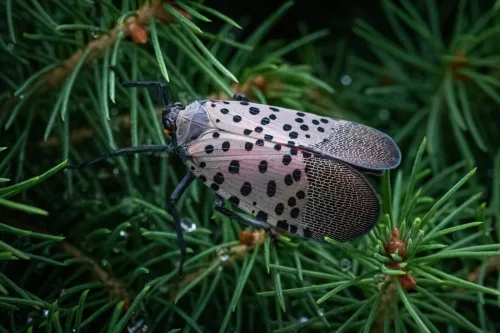
A feared pest from China has reached Europe and it has no Czech name and it devastates everything from grapevines to orchards
Hungary has confirmed the first European detection of Lycorma delicatula, a highly destructive invasive pest known for severe damage to grapevines, fruit trees and many other plants. Authorities have launched quarantine measures to prevent it from establishing and spreading further.
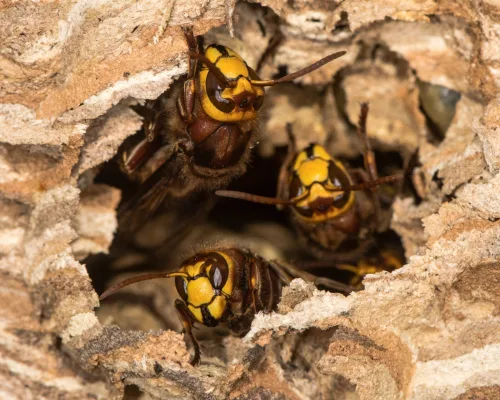
You Can Remove a Hornet Nest Without a Permit If You Meet Legal Conditions
Home and garden owners often worry whether removing a hornet nest could put them on the wrong side of the law. In the Czech Republic, the European hornet is generally protected, but it is not a specially protected species, so removal is usually possible when there is a genuine safety risk.
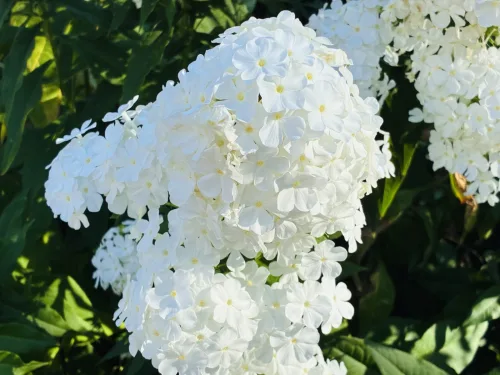
Grandma’s Favourite Flower Is Back and It’s Surprisingly Easy to Grow
Phlox is a classic cottage-garden perennial that brings rich colour, fragrance, and pollinators into the border with minimal fuss. Choose the right spot for the species, keep moisture even, and you’ll be rewarded with weeks of bloom.
Comments (0)
Be the first to comment.