
 English
  Polski
  Deutsch
  Nederlands
  Svenska
  Norsk
Norsk  Dansk
Dansk  Français
  Italiano
  Español
  Português
  Slovenčina
  Suomi
Suomi  Gaeilge
 Green tomatoes will turn red in a few days with a simple trick
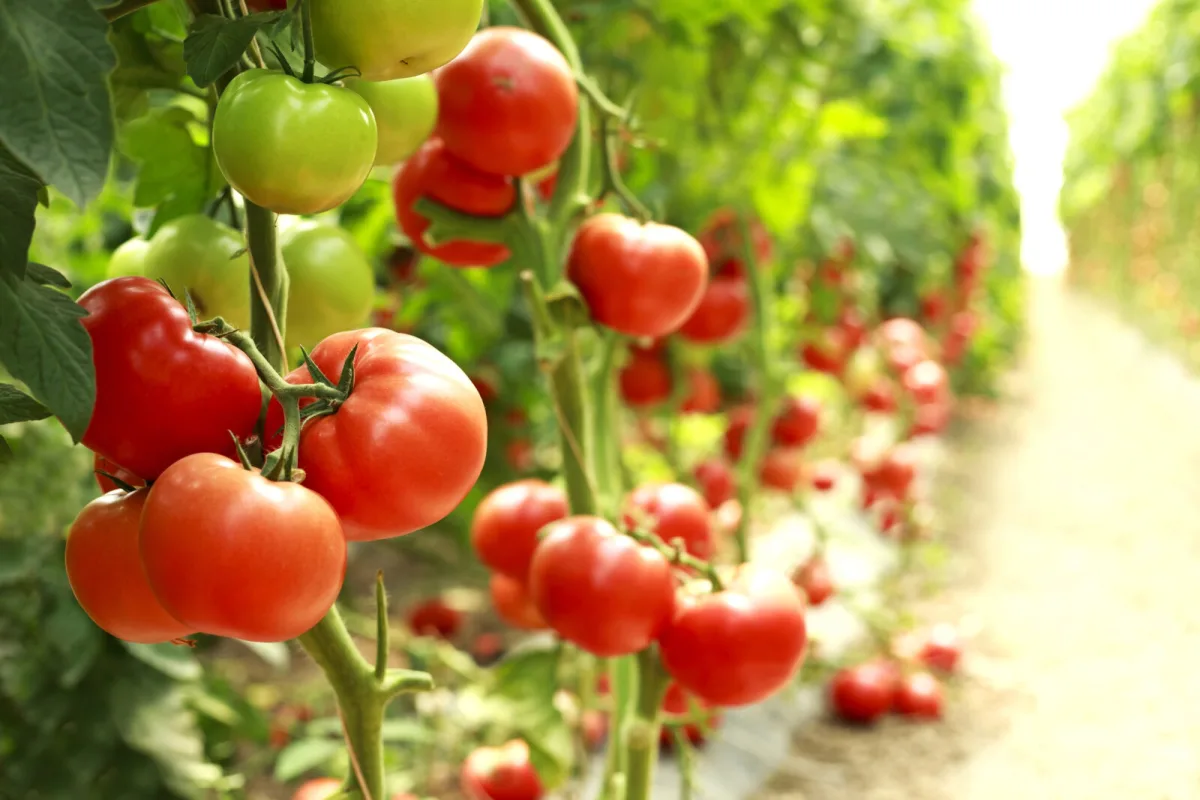
At the beginning of September, beds often look the same: plants are loaded with large fruit, but it’s still stubbornly green. From flower pollination, a tomato typically needs roughly six to eight weeks to reach full ripeness. The trouble is that late summer and early autumn in the Czech Republic often bring cooler nights, sometimes around 12 to 13 °C, and that significantly slows colouring up. Fruit ripens best at about 21 to 24 °C, while repeated lower temperatures slow the formation of red pigments and keep tomatoes longer in that “almost, but not quite” stage.
On top of that comes damp weather and rainfall, which are common at the turn of summer into autumn. High humidity and cooler nights create ideal conditions for tomato blight to develop. Growers then feel pressure from both sides: fruit ripens slowly, but the risk of disease rises quickly.
The mild root-shock trick and why it can work
One lesser-known technique uses a simple principle: late in the season, you slightly restrict root function to create controlled stress. The plant then more often redirects energy away from further lush growth and into finishing the fruit it has already set. In practice, this means partially disturbing the roots with a sharp spade or knife drawn through the soil so that the root system is only partly severed, not completely destroyed.
This behaviour is also driven by hormonal balance. Mild stress similar to drought or reduced nutrient availability supports ripening-related processes and can speed up the onset of colour change in fruit that has already sized up and is ready to ripen. It’s not an instant miracle for rock-hard, fully green tomatoes, but for fruit at the mature-green stage the effect can show within a few days.
How to make the cut safely without unnecessary damage
The cut is made as a curved slice through the soil about 15 to 30 cm from the stem. It’s important to do it with one confident movement of a sharp spade, without lifting soil out and without dragging roots up to the surface. The aim is not to yank or wobble the plant, but simply to sever part of the finer roots and send a mild signal that the season is ending.
This method makes sense mainly on healthy plants with fruit that has already reached full size. If the plant is weakened, badly affected by blight, or clearly declining, additional stress can be the last straw and may speed up collapse rather than ripening.
What else to do so the plant truly focuses its strength on the fruit
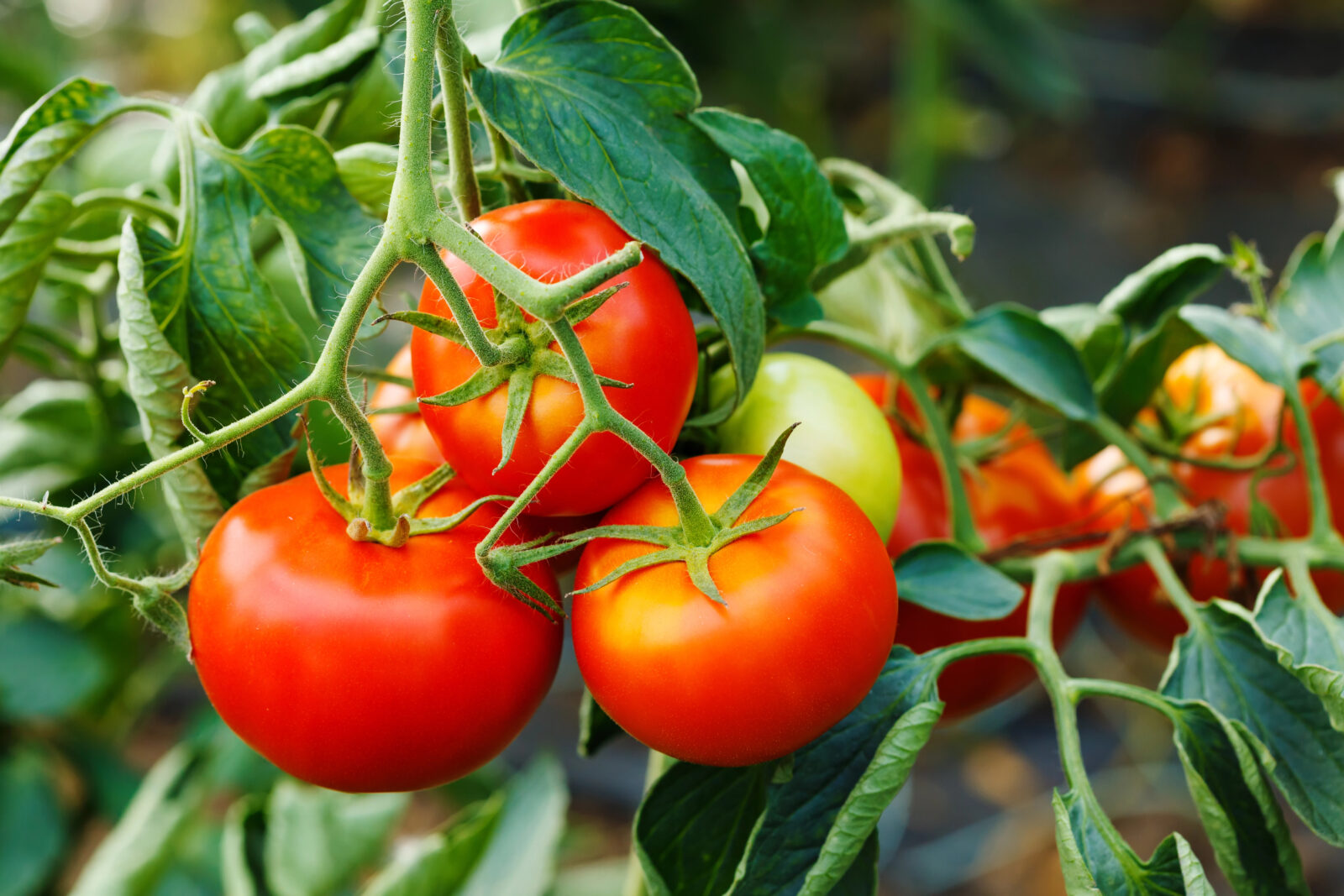
A root cut works best as an add-on to other steps that follow the same logic: stop unnecessary investment in new shoots and flowers and let the plant finish what it has already set. First, it helps to remove any new flowers and tiny fruitlets that appear in early September. These late additions usually have little realistic chance of ripening before the first cold nights, but they steal energy from fruit that still could ripen.
Another practical step is to pinch out the growing tip of the main shoot. This limits further elongation and the production of new leaves, so the flow of nutrients and sugars is directed more into existing fruit. It also makes sense to reduce watering sensibly. The goal isn’t to let tomatoes dry out completely, but rather not to overwater, because waterlogging encourages lush growth, worsens aeration, and most importantly increases the risk of blight at a time when the air is naturally more humid.
When to leave tomatoes on the plant and when it’s better to harvest
In early September, daytime temperatures are often still favourable for colouring, but what matters most is night-time conditions, humidity, and the overall health of the crop. A practical tipping point comes when fruit reaches the stage where it starts to change colour, meaning the first pink blush or paler tone appears, and at the same time the weather turns or suspicious spots show on the leaves. In that situation, leaving fruit on the plant no longer brings enough benefit to outweigh the risk that blight will ruin the crop within a few days.
Once fruit is just starting to colour, you can let it ripen indoors with little loss of quality. Room temperature works well, as does a paper bag with an apple, which releases ethylene and speeds ripening. Depending on how unripe the tomatoes are, the change often happens within a few days to about a week. It’s important to avoid temperatures that are too low, because longer periods below roughly 12 to 13 °C can worsen both flavour and the texture of the flesh.
Who this method suits and when to skip it
The root cut is a late-season accelerator for situations where the fruit is large, the plant is otherwise vigorous, and the weather suggests time is running short. If the plant is struggling with disease, is drought-stressed, or conversely is waterlogged and weakened, it’s better to focus on protecting healthy fruit and harvesting in time. A well-timed, gentle intervention can help, but it’s always about balancing useful stress against unnecessary weakening.
Source: Garden.org, LifeHacker, Pestrazahrada.cz

A lover of nature, gardens, and everything that moves, blooms, or grows. He literally grows everything, from herbs to rare species, and he enjoys caring for animals just as much. In his work, he connects modern technology with tried-and-tested grandmotherly methods and is happy when both paths lead to the same goal.
Related articles
Don’t Prune Hydrangeas in October
Tidying the garden in autumn is tempting, but October pruning can cost your hydrangeas next year’s flowers. Only two light interventions make sense this time of year; everything else is best left until the right season.
A Pineapple Top Will Root in Two Weeks, but Success Depends on the Step Most People Skip
Don’t throw away the leafy crown when you cut a pineapple. With the right prep, light, warmth and careful watering, you can root it and grow a houseplant that may eventually fruit.

Overwintering Geraniums in a Box Ensures Stronger Growth and More Abundant Spring Bloom
Many people throw balcony geraniums away after the season, even though they can overwinter very well. Stored correctly in a box in cool, dark, dry conditions, they’ll come back stronger and flower generously in spring.
Comments (0)
Be the first to comment.