
 English
  Polski
  Deutsch
  Nederlands
  Svenska
  Norsk
Norsk  Dansk
Dansk  Français
  Italiano
  Español
  Português
  Slovenčina
  Suomi
Suomi  Gaeilge
 Lemongrass perfumes the kitchen and tea and anyone can grow it at home
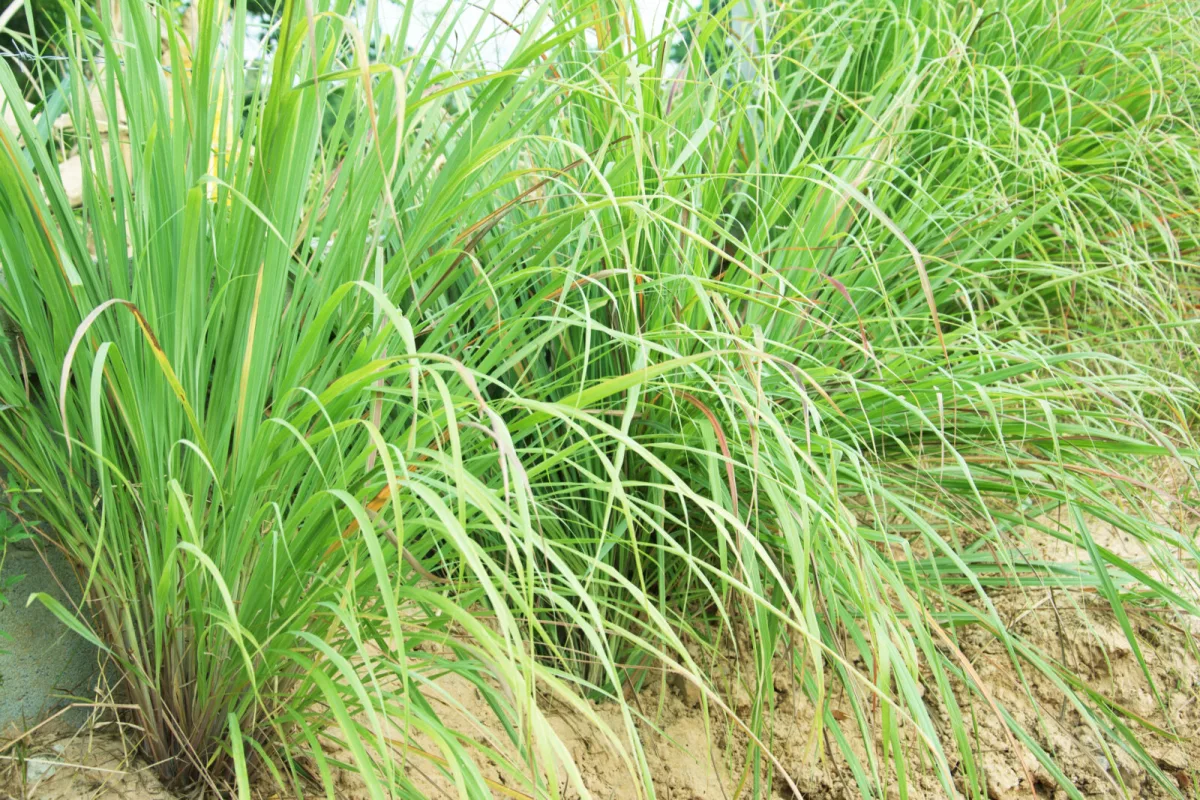
Lemongrass is best known from Asian cooking, but its uses go far beyond that. It’s great in dishes, for making a gently uplifting yet calming tea, and it can also serve as a fragrant ingredient in homemade cleaning products or as a natural air freshener. On top of that, it looks decorative, so it can brighten up a balcony or terrace.
Botanically, it’s lemon grass (Cymbopogon citratus). It’s a warmth-loving tropical grass native to Asia, now grown in many parts of the world. In our conditions, you have to bear in mind that it won’t tolerate frost, which is why it’s usually grown here as a portable, container plant.
Growing in a pot and safe overwintering
Lemongrass can stay outdoors only during the warm part of the year. As soon as temperatures drop noticeably in autumn, it’s best to move the pot to its winter quarters. A bright, rather cool place is ideal, where the plant won’t suffer from lack of light or excessive heat. In winter, simply reduce watering so the compost isn’t wet for long periods, but also doesn’t dry out completely to dust.
When lemongrass has good conditions, it forms dense clumps of narrow grey-green leaves that can reach up to about 1 m. The most intense lemon scent is usually in the lower part of the leaves, where the aroma is most concentrated.
Why it’s talked about as a useful herb
The leaves contain a range of natural compounds, so lemongrass is also mentioned in some sources as a medicinal plant. Its traditional use as a tea for minor ailments is often highlighted, as well as the fact that its broader potential is being researched. At home, though, it’s most practical to treat it as an aromatic herb that makes everyday life and the household more pleasant.
You can make the tea very simply: pour boiling water over fresh or dried leaves and let it steep for about 10 minutes, then allow it to cool slightly.
The scent of lemongrass is useful beyond the kitchen, too. It can be added to homemade air fresheners, scented blends, or your own cleaning solutions. It’s also often mentioned for use in DIY cosmetics, where its fresh aroma is valued.
Position, potting mix, and watering during the season
It will grow best in a sunny, warm spot. The potting mix should be free-draining, ideally neutral to slightly acidic. Drainage is important because roots that stay waterlogged don’t suit this plant. Put a layer of drainage material in the bottom of the pot, such as expanded clay, to help excess water drain away.
In summer, water regularly and fairly generously, especially on hot days. At the same time, make sure the surface and part of the potting mix can dry slightly between waterings. Constantly wet soil and overwatering are common mistakes that lead to a decline in the plant’s condition.
Feeding for a dense clump and stronger aroma
If you want to encourage new leaf growth and a thicker clump, give lemongrass an organic feed. During the growing season, it works well to feed about once every two weeks, for example as a liquid feed with watering. The plant then grows more vigorously and is often more aromatic, which you’ll appreciate in cooking.
Where to place the pot and why it suits a seating area
A practical tip is to place the pot where you most often sit in summer. Lemongrass is known for having a scent that can be unpleasant for persistent insects, so it’s often positioned near terraces and balcony seating. It’s not a guarantee of a mosquito-free space, but as a fragrant addition it makes sense.
Propagation by division and by seed
If the plant works well for you and you’d like more of it, the easiest method is dividing larger clumps in spring. Carefully lift the plant, split it into several sections with roots attached, and pot them up separately. This gives you strong new plants quickly.
It’s also possible to grow it from seed, which is readily available. You can sow outside the main season as well, ideally shallowly into seed compost. At temperatures around 20 to 22 °C, seeds usually germinate in about 10 to 20 days, depending on conditions and seed freshness.
Its biggest benefit in the kitchen and how to use it
Lemongrass is an important ingredient in Thai, Indonesian, Malaysian, and Indian cooking. Use it to flavour soups, sauces, vegetable and rice dishes, marinades, fish, and meat. It has a gently citrusy, lightly spicy taste that pairs well with ginger, garlic, chilli, and coconut milk.
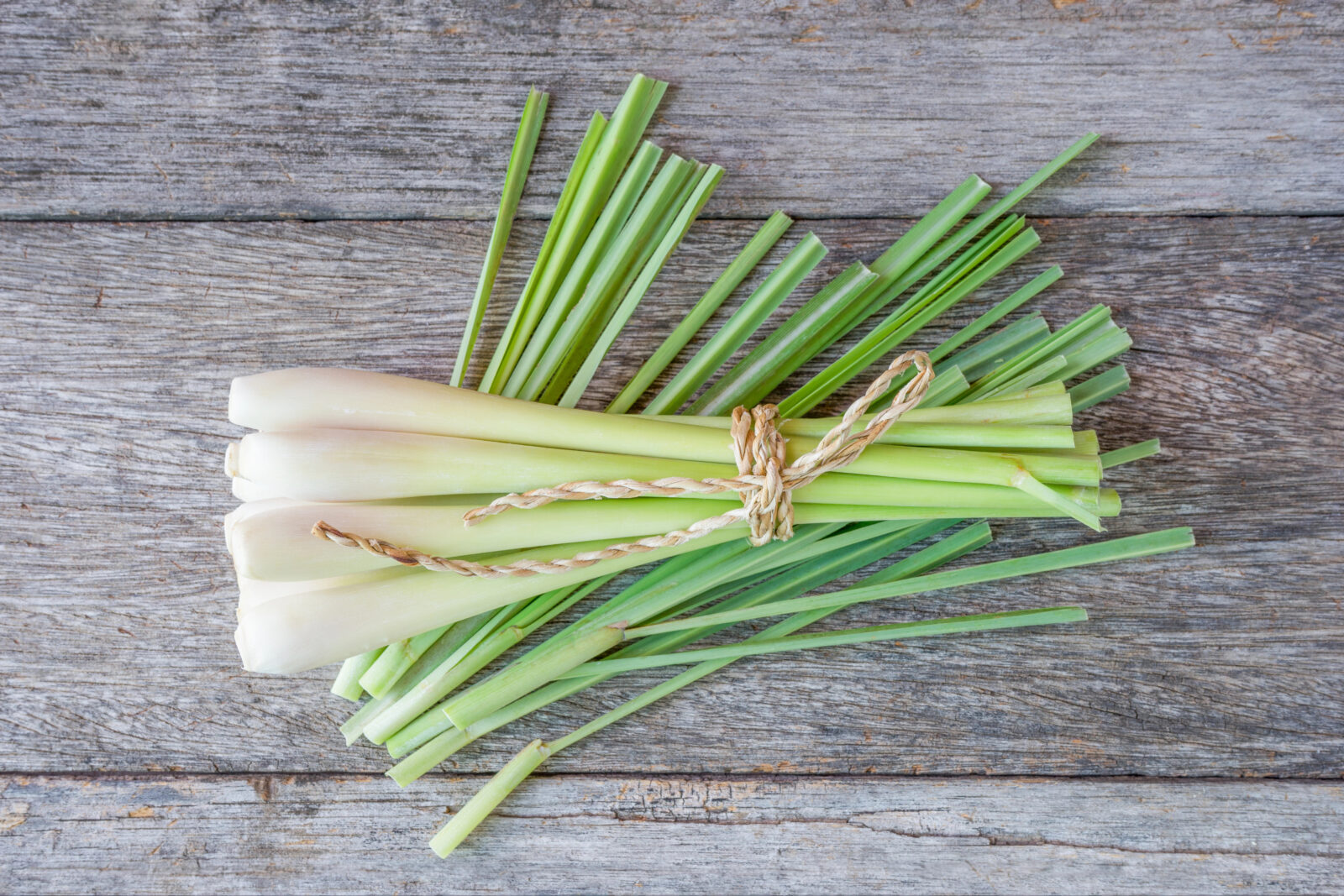
In the kitchen it’s mainly used fresh, often the lower parts of the leaves or the stalks, which are bruised before use to release the aroma. You can also use dried lemongrass, which is convenient, though it’s usually less punchy than freshly harvested. If you grow it at home, you gain the advantage of constant access to fresh, fragrant leaves exactly when they’re at their best.
Source: Záhrada, The Spruce, Pestrazahrada.cz

A lover of nature, gardens, and everything that moves, blooms, or grows. He literally grows everything, from herbs to rare species, and he enjoys caring for animals just as much. In his work, he connects modern technology with tried-and-tested grandmotherly methods and is happy when both paths lead to the same goal.
Related articles
When Other Flowers Fade Asters Are Just Getting Started
Asters step in just as summer colour starts to wane, flooding borders with late-season blooms. They’re also a valuable nectar source for pollinators and later a seed larder for birds.
Drought tolerant fruit trees for Czech gardens that handle heat and winter frosts
Warmer summers and longer dry spells are changing what can be grown in Czech gardens. With the right variety and a sunny, sheltered spot, olives, pomegranates and figs can cope with heat, drought and even winter cold.
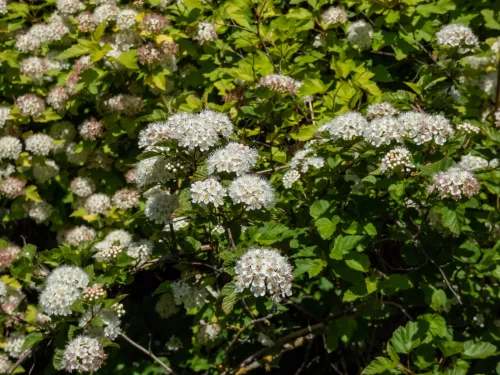
Thuja hedges are on the way out gardeners are choosing a shrub that shrugs off frost and drought and never looks dull
Thuja may be a long-standing classic, but today’s hedges are increasingly built from more varied shrubs that look better through the seasons. One standout choice is ninebark, prized for its toughness, colour and easy care.
Comments (0)
Be the first to comment.