
 English
  Polski
  Deutsch
  Nederlands
  Svenska
  Norsk
Norsk  Dansk
Dansk  Français
  Italiano
  Español
  Português
  Slovenčina
  Suomi
Suomi  Gaeilge
 Grow this plant and you get a decoration, a spice and a natural remedy
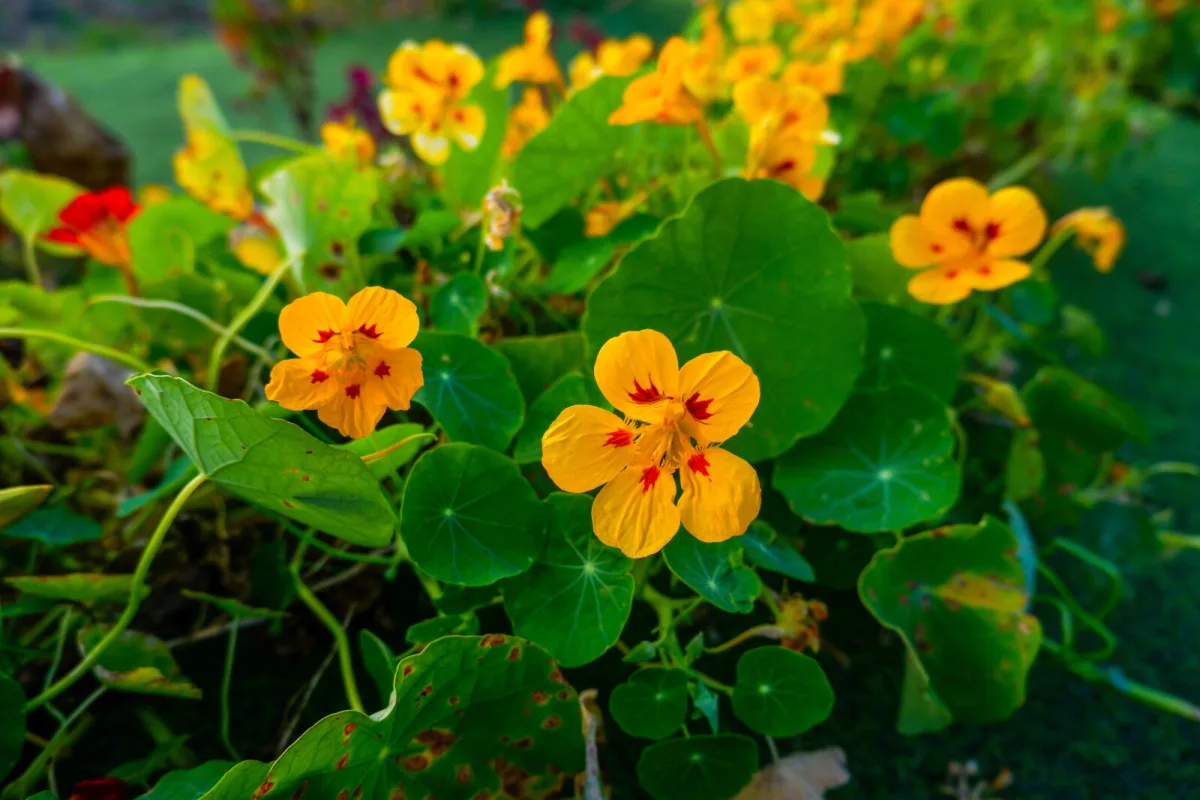
Commonly called nasturtium, botanically garden nasturtium (Tropaeolum majus), also known as Indian cress, is a plant many people see mainly as a bold ornamental for borders and window boxes. In reality, it offers much more. It’s edible, full of character on the plate, and has also been used traditionally as a supportive medicinal herb, especially for issues linked to the respiratory and urinary tracts. That’s why it’s often described as a 3‑in‑1 plant. It originates from South America and spread to Europe around the 17th century; since then, many new cultivars have been bred, differing in habit and flower colour.
Position and care: what nasturtium really needs
It does best in a sunny spot sheltered from wind. It grows quickly and, with basic care, is very reliable even for beginners. At the same time, it’s best not to pamper it with heavy feeding, because that can encourage lots of leaf at the expense of flowers.
What nasturtiums do require is regular watering. Don’t forget them during hot spells, and especially when growing in containers, where compost dries out faster. For window boxes and pots, low, compact cultivars are usually the best fit.
Sowing and raising plants: when to start and what to watch out for
You can start nasturtiums in April in a greenhouse, cold frame or indoors on a bright windowsill. If you’re not raising plants, sow them directly outdoors in early May. The key is not to rush, because nasturtiums don’t tolerate even a light ground frost.
It’s practical to sow into peat or plastic pots, as the seedlings can then be transplanted with less stress. Also decide in advance how much space you can give them. Some varieties produce shoots several metres long, while compact bush types typically reach around 25 cm tall.
Growing in containers and in the ground
A window box or a pot on the patio
For containers, choose shorter varieties that form a neat, compact mound and won’t sprawl uncontrollably. Recommended cultivars often include ‘Baby Rose’, ‘Bijou Double’ or ‘Tom Pouce’, flowering in yellow, orange, salmon or crimson shades.
Although nasturtiums love sun, extreme scorch in containers can be harmful. If your patio bakes and the pot overheats, a little light shade or placing it where it gets mainly morning sun will help.
Open ground and larger beds
In borders you can weave them in among herbs, vegetables and ornamental flowers. If space is limited, choose less vigorous types. For larger areas, climbing and trailing forms work well too, such as the colourful ‘Grande’ mix or ‘Out of Africa’ with its striking variegated leaves.
Nasturtium as a decorative feature along edges and on supports
Low varieties can be used to edge beds or as a colourful accent in window boxes. Long-stemmed types can be grown as trailers or as climbers, but keep in mind they don’t cling by themselves. For the best effect, provide a support and tie the shoots in as they grow.
Harvesting flowers, leaves and seeds
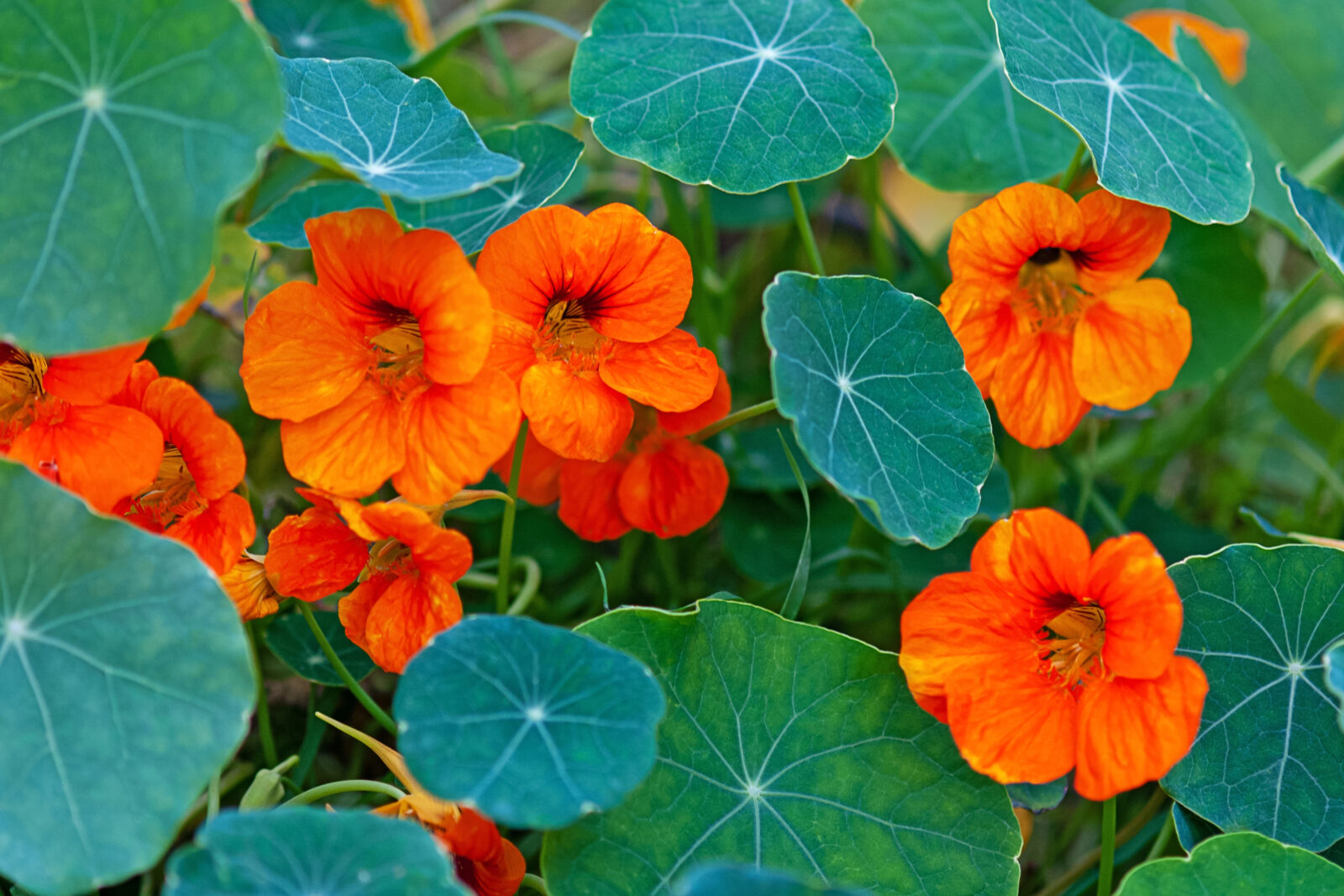
Flowers and leaves are harvested throughout summer. You can pick flowers as unopened buds or only partly open ones, even with a short stem attached. With fully open blooms, check for insects hiding inside and rinse them thoroughly in cold water before using.
Ideally, harvest leaves in the morning once the dew has dried. They’ll keep briefly in the fridge, but their flavour is best straight from the plant. After flowering, you can also harvest fruits and seeds. If you want to save your own seed, leave some flowers on the plant. You’ll recognise ripeness by a creamy colour; fully ripe seeds often drop on their own. Then dry them further and store in a paper bag in a dark place until spring.
Nasturtium as natural support for colds
Beyond its culinary use, nasturtium is valued for effects described as naturally antibiotic and antiseptic. Traditionally it’s used for colds and as a supportive remedy for inflammation of the respiratory and urinary tracts. Activity against some viruses is also mentioned, which is why it’s often spoken of as a broad-spectrum plant.
Fresh leaves and flowers are used most often. The seeds can be dried, crushed and infused with hot water as a herbal tea. Tinctures made from buds are also popular. The above-ground parts contain, among other things, vitamin C and other natural compounds such as flavonoids and carotenoids, as well as minerals including phosphorus and iron.
In the kitchen it shines in salads and as homemade “capers”
Nasturtium may tempt you to use it on sweet desserts, but its flavour is bold, lightly peppery and reminiscent of radish. That makes it better suited to savoury dishes, with vegetables and meat. Young leaves and colourful flowers are excellent in fresh salads, and the blooms also work as an edible garnish on open sandwiches.
Young shoots with leaves can be chopped into spreads or added to an omelette. Larger leaves can be used for unusual wraps. Nasturtium can be preserved in oil or vinegar and then used as a homemade pantry staple. Unopened buds are often pickled like capers, in a salty, spiced vinegar brine.
Source: Gardener’s World, RHS, Záhrada, Pestrazahrada.cz

A lover of nature, gardens, and everything that moves, blooms, or grows. He literally grows everything, from herbs to rare species, and he enjoys caring for animals just as much. In his work, he connects modern technology with tried-and-tested grandmotherly methods and is happy when both paths lead to the same goal.
Related articles
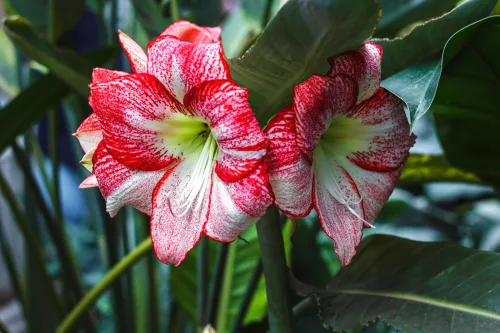
The Christmas Amaryllis That Can Bloom for Years but Most People Throw It Away After Flowering
Hippeastrum is a spectacular winter-blooming bulb that, with the right care, will flower again year after year. Learn how to plant it correctly, look after it after flowering, and bring it into dormancy so it reliably reblooms.
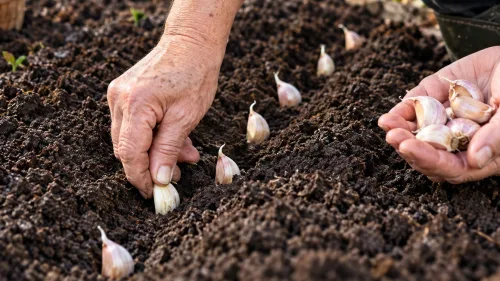
How to Grow Winter Garlic for a Much Bigger Harvest
Autumn planting is the key to strong, healthy winter garlic, but the details make all the difference. With the right timing, bed choice, seed-clove treatment and a simple bicarbonate trick, you can noticeably boost yield.
A tree or shrub planted properly in autumn can outpace spring stock and improve fruiting
Many fruit trees and soft-fruit shrubs establish better when planted in autumn, because roots keep growing while the top is dormant. Done well, this head start means stronger spring growth, less watering, and a healthier first year.
Comments (0)
Be the first to comment.