
 English
 Polski
 Deutsch
 Nederlands
 Svenska
 Norsk
 Dansk
 Français
 Italiano
 Español
 Português
 Slovenčina
 Suomi
 Gaeilge
Stonecrop is the easiest perennial for lazy gardeners but one common mistake ruins it
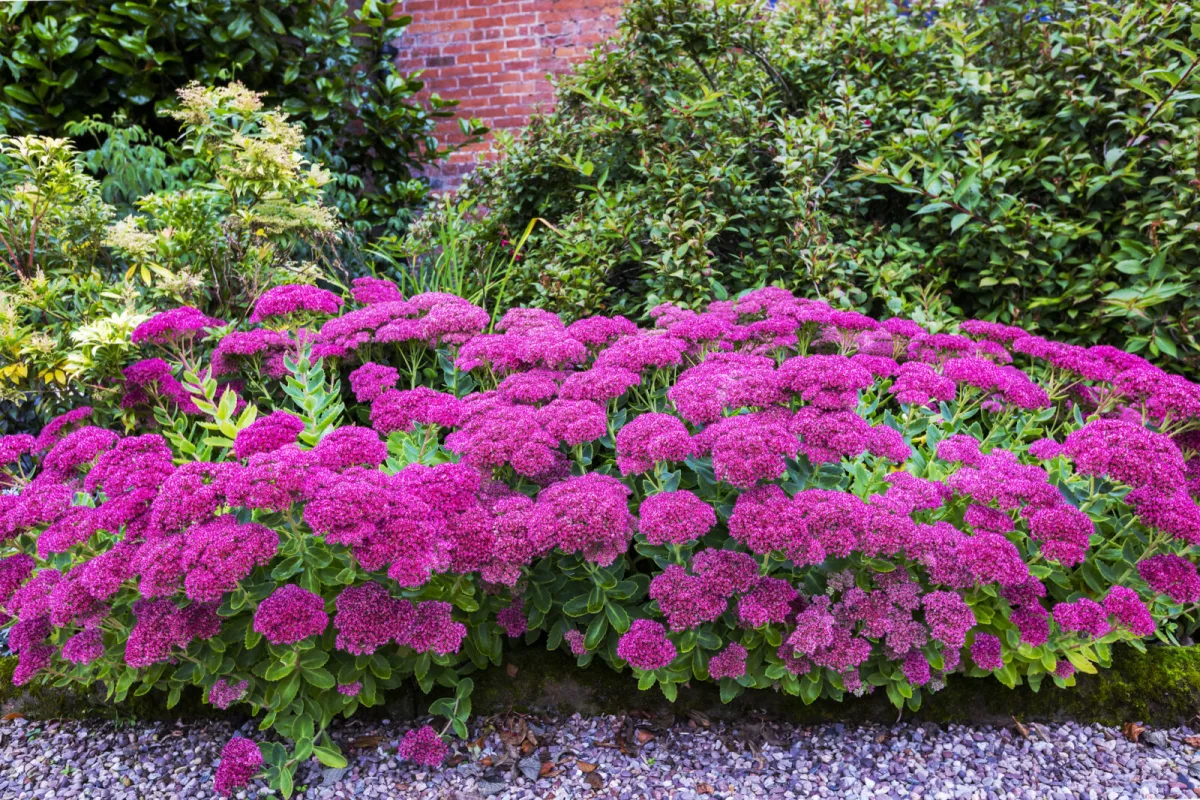
Stonecrop (Sedum) is one of those plants even people with little experience can grow successfully. It’s undemanding, copes well with drought, and can thrive where other perennials struggle. Even so, it doesn’t pay to treat it as a plant that will survive absolutely anything. To stay compact, healthy, and flower generously, it needs above all the right position and excellent drainage.
The most important rule is not to overwater. Stonecrop stores water in its leaves, so it handles short dry spells far better than constantly wet soil. It’s also worth remembering that low, creeping types and taller, upright forms don’t behave in quite the same way. They differ in appearance, growth habit, pruning needs, and how they look through winter.
How stonecrop grows and what to expect
Stonecrop is a succulent plant, which means it builds up a reserve of moisture in its leaves. Thanks to that, it copes well with heat and drier periods. There are many species and cultivars. Some form low mats suited to groundcover, while others grow taller and earn their place in mixed perennial borders.
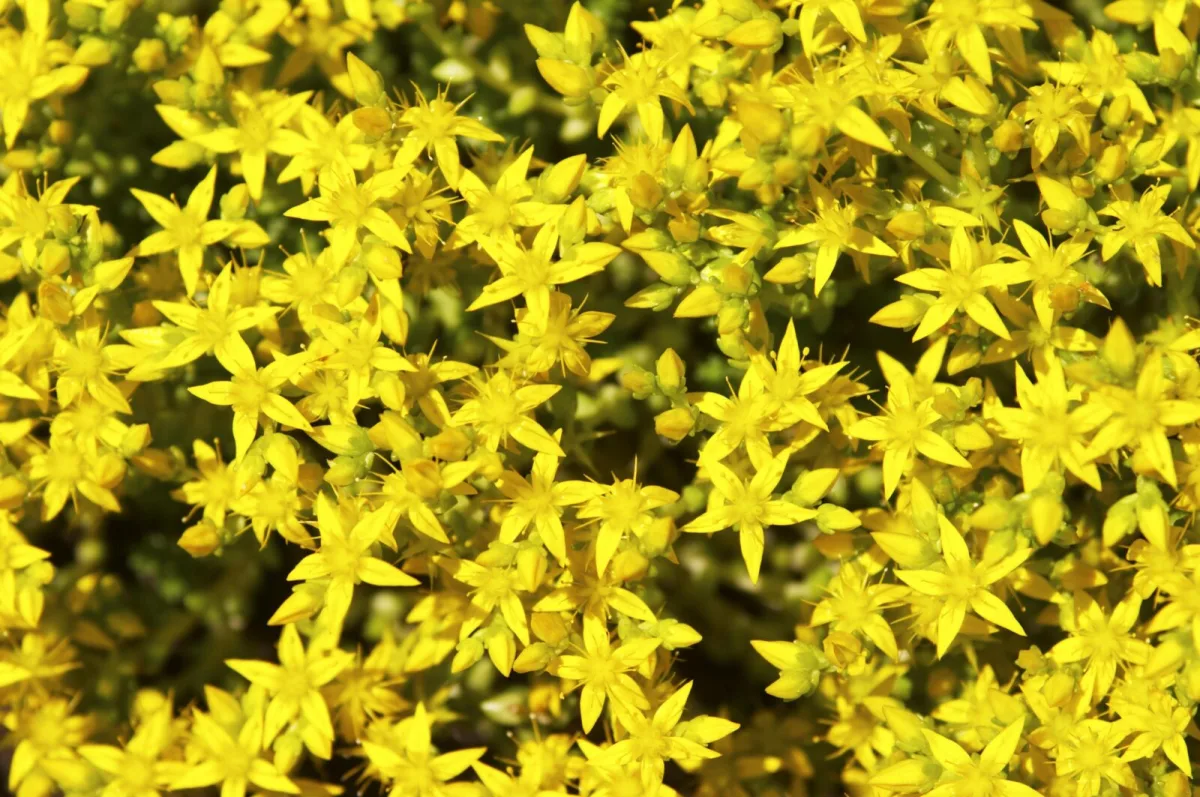
A common feature is the small, star-shaped flowers arranged in showy clusters. Colours vary by variety, from yellow through red to soft shades of pink. Precisely because of this growth habit, stonecrop is cared for a little differently than typical garden perennials.
Basic conditions for successful growing
Light and the right spot
Stonecrop thrives with plenty of sun. It performs best where it gets at least six hours of direct light a day. A sunny position encourages dense growth, sturdy stems, and heavier flowering. If there’s too little light, the plant stretches, becomes sparse, and blooms less.
Ideal sites are open places such as rock gardens, bed edges, slopes, or the drier parts of the garden. Only rarely does it need protection from scorching sun, and that depends more on the particular cultivar and local conditions than on any general rule.
Soil and drainage
If there’s one thing that decides success, it’s soil permeability. Stonecrop cannot tolerate long-term waterlogging. It grows best in lighter, airy soil that dries quickly. In heavy clay, it’s best to improve drainage before planting by adding coarse material, or plant into raised areas.
Interestingly, stonecrop doesn’t need rich soil. In an overly fertile mix, growth tends to be soft, loose, and less sturdy. That’s also why this plant does so well in rock gardens and in low-maintenance plantings.
Watering without unnecessary mistakes
Watering matters most after planting, until the plant has rooted in. Once established, it prefers thorough but less frequent watering. Let the compost or soil dry out between waterings. In the cooler part of the year, it’s best to reduce watering even further.
Plants in containers need more attention than those planted in the ground, because potting mix dries out faster. Even so, the rule still stands: constantly wet conditions are far more dangerous than a brief dry spell.
Most common growing mistakes
Waterlogging
Overwatering is one of the most frequent reasons for failure. In waterlogged soil the roots begin to rot, and the plant can quickly lose its firmness. If the soil stays wet for a long time after rain or watering, take it as a warning sign.
Too little sun
In shade or part shade, stonecrop will usually survive, but it won’t look as it should. It often makes weaker shoots, flowers less, and loses its compact shape. Sun is the key to a good-looking plant.
Overfeeding
Stonecrop doesn’t need heavy feeding. Too many nutrients lead to lush but soft growth that can flop and lose stability. In most gardens it does perfectly well in ordinary conditions without significant supplemental feeding.
Planting too close together
When plants are packed tightly side by side, airflow is reduced and moisture lingers on the leaves longer. This can encourage fungal problems, especially in wetter climates. Good spacing helps keep the planting healthy.
Care through the year
Spring
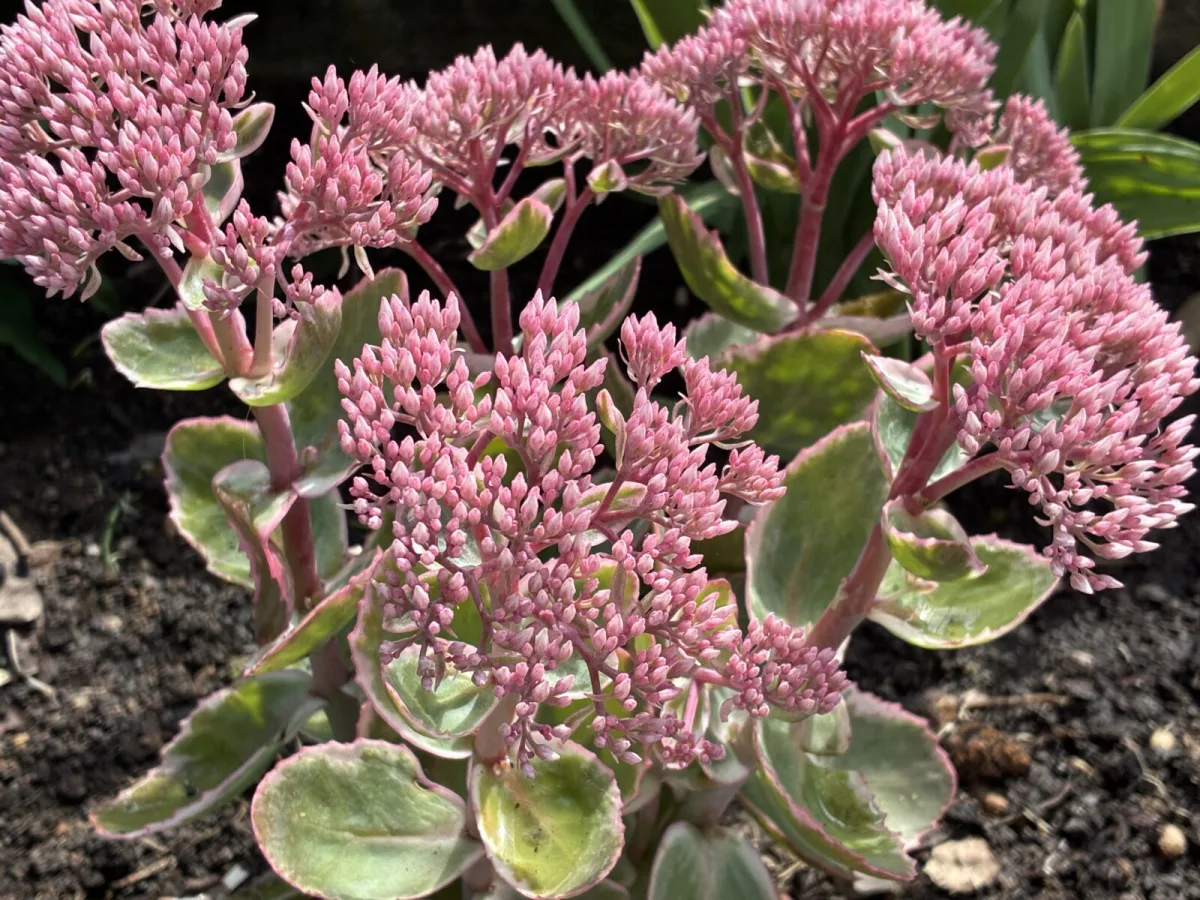
In early spring, new shoots appear, and that’s the right time to check the plant over. Remove any dry or damaged parts from the previous season, tidy the area lightly, and make sure the soil is still draining well. This simple step prepares stonecrop for the season ahead.
Summer and the flowering period
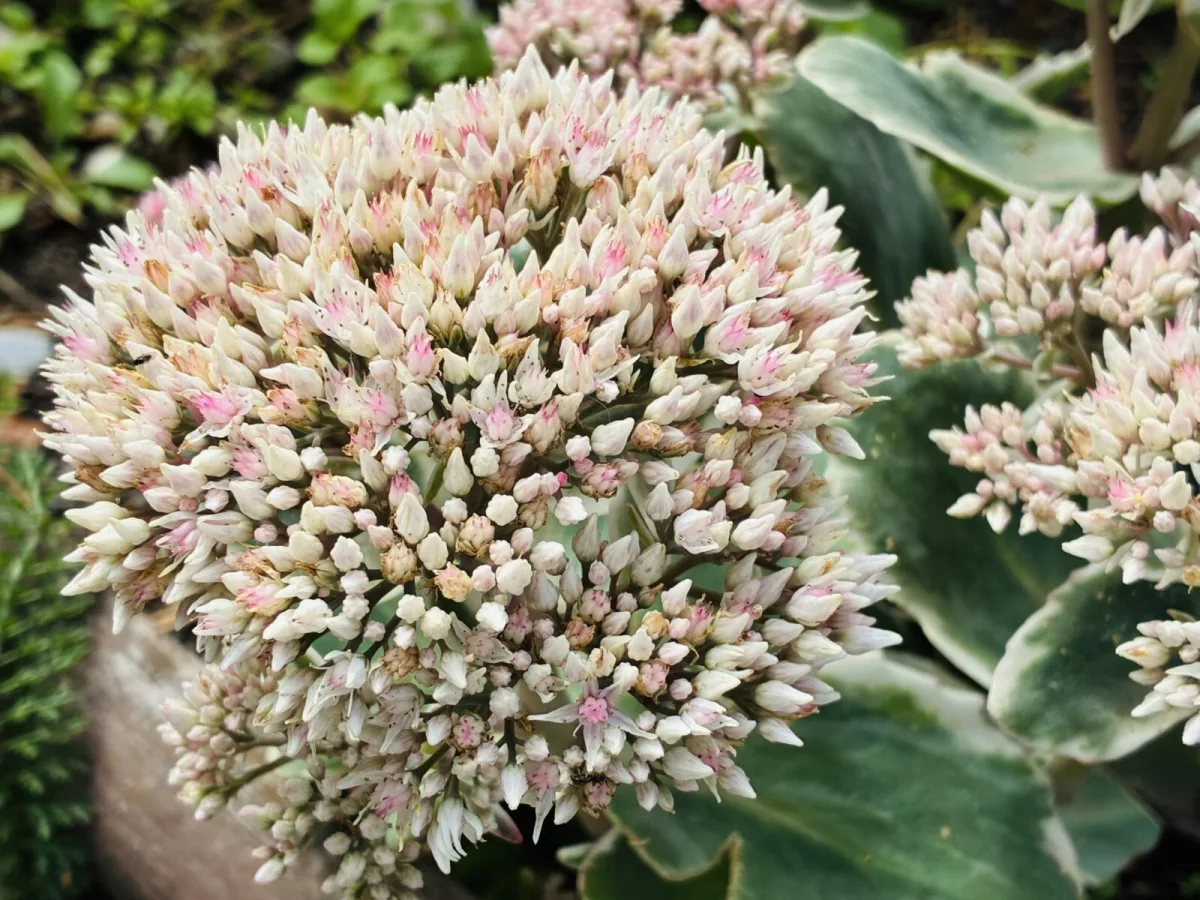
In the warmer months, stonecrop is usually at its best. Many varieties bloom from early summer into autumn, forming flower clusters in yellow, red, or pink tones. Once well rooted, it needs very little intervention. Deadheading is possible, but not necessary. The spent flowerheads are often left in place for their look and structure.
Autumn
In autumn it’s best to cut back watering and not encourage fresh growth with fertiliser. The plant is gradually preparing for dormancy, and too much care can do more harm than good. Dry flowerheads can be left where they are, as they look decorative and also keep the garden interesting after the season ends.
Winter
In winter, stonecrops behave differently depending on species and climate. Some die back completely to the ground, while others keep dry stems and flowerheads that remain ornamental through the colder months. In general, it’s better not to disturb plants too much and to leave any major cutting back until late winter or very early spring.
In winter, the most important thing is to protect stonecrop from prolonged damp, not from the cold itself.
With container plants, keep a close eye out for excess water, because the risk of waterlogging is highest in pots.
Keeping stonecrop healthy long term
Long-term growing isn’t complicated if you stick to the basics. The key is choosing the right spot from the start, not overdoing watering, and dividing plants from time to time if they become too crowded. This boosts vigour and encourages better flowering.
You can also choose different varieties for different parts of the garden. Low, creeping types suit rock gardens, dry walls, or as a green carpet between stones. Taller, upright cultivars work well in perennial borders and can create a strong autumn effect.
What to remember at the end
Stonecrop thrives where it has sun, free-draining soil, and a light touch. It’s low-maintenance, but it does need the right foundations. Once you avoid overwatering, overfeeding, and a poorly chosen site, it will reward you with sturdy growth, reliable flowering, and an attractive look for much of the year.
For beginners it’s an excellent choice, because it quickly proves that less is sometimes more. With stonecrop, that’s doubly true.
Source: Annies Annuals, Gardenia , Pestrazahrada.cz

A nurse by profession, she is passionate about healthy living, nature, and everything that benefits both people and the world around them. In her free time, she enjoys gardening, cooking, sewing, and caring for her family. In her articles, she loves combining professional expertise with practical experience from the garden and everyday life.
Related articles

Feed Blueberries in Autumn with a Homemade Mix That Ferments for a Few Weeks and Shows Results in Spring
If you want your blueberries to flower and fruit more heavily next year, try a simple homemade feed made from stale bread and used coffee grounds. Left to ferment for a few weeks, it can gently support soil life and the root zone going into winter.
Lift cannas for winter: mistiming can ruin them and one extra week can decide next season
Cannas are spectacular summer plants, but in colder regions their rhizomes won’t survive hard frost in the ground. Lift them at the right moment, dry them properly, and store them cool and dry for replanting in spring.
Peonies Can Thrive for Decades, but an Autumn Cut to Ground Level Determines Whether You Lose Next Year’s Blooms
Peonies can sit happily in one spot for years, but what you do in autumn has a big impact on their winter survival and spring flowering. Learn when to cut back, how to divide, and what to feed—depending on the type of peony you grow.
Comments (0)
Be the first to comment.