
 English
 Polski
 Deutsch
 Nederlands
 Svenska
 Norsk
 Dansk
 Français
 Italiano
 Español
 Português
 Slovenčina
 Suomi
 Gaeilge
Brown Rings on Apricots Mean One Thing: A Fungus Lurks in the Branches and Will Ruin Even Healthy Fruit in Spring
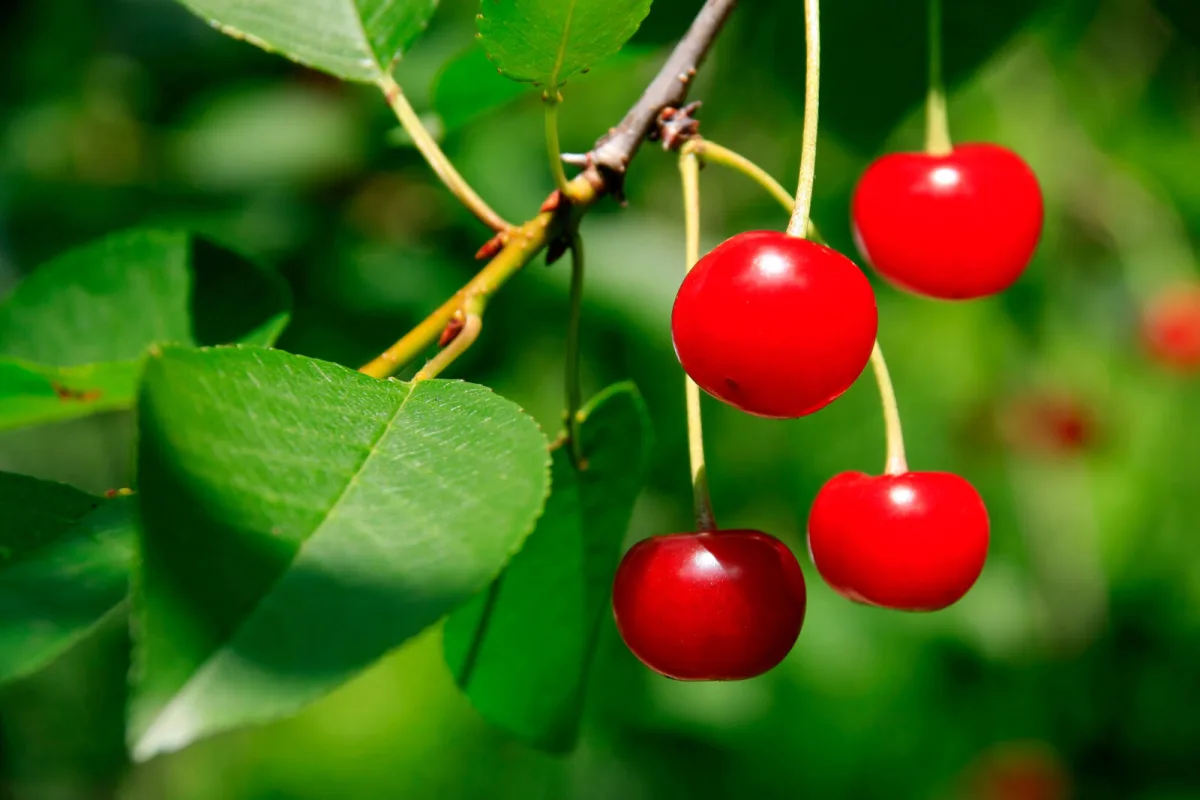
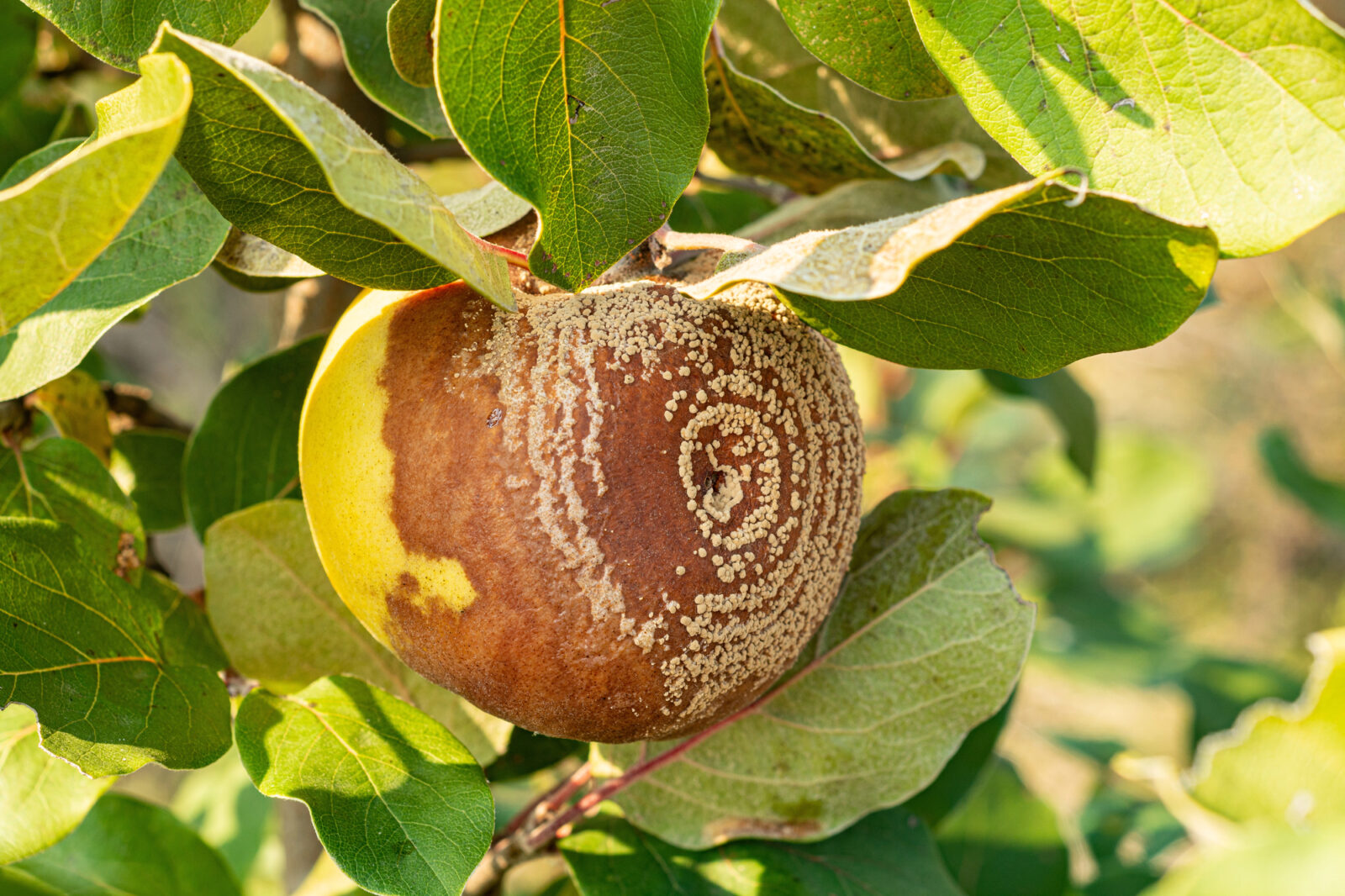
As soon as brown spots appear on cherries or apricots, with pale, cushion-like pads on top, it is very often brown rot (Monilinia). It spreads quickly through the fruit, especially if a few rainy days arrive just before harvest. The fruit softens, darkens, and either drops to the ground or stays hanging on the tree, gradually turning into a hard, dried “mummy”.
It is important to know that the problem does not start in summer. The fungus overwinters in these dried fruits and in infected twigs. In spring it becomes active again and attacks the blossoms. Visible damage on fruit is therefore only a late sign that the infection has been present in the orchard for some time.
Two forms of the disease on stone fruit
Monilinia shows up on trees in two main ways. The first is fruit rot. A brown patch develops on the skin and expands, and whitish to creamy spore tufts form on the surface. Fruit affected this way is unusable and can become a source of further infection.
The second form is blossom blight on flowers and young shoots. Blossoms wilt, turn brown, and dry out, often remaining attached to the branches along with the leaves. The damage then moves into fruiting spurs and new growth, where dieback develops and gum can sometimes ooze. This condition is often mistaken for frost damage.
Unlike frost, blossom blight continues to spread from the flower into the wood and leaves necrotic patches on the branches.
Where the fungus survives and when it attacks most strongly
The biggest source of infection is mummified fruit left in the canopy or under the tree. Alongside that, the fungus also survives in infected branches, fruiting spurs, and wounded wood. In spring it produces spores that are carried by wind and insects into open blossoms.
Risk rises sharply in cooler, wet weather during bloom. If blossoms stay wet for a long time and humidity remains high, infection has ideal conditions. On fruit, the fungus takes advantage of any injury. Common entry points are rain-split cracks, hail damage, or skin breaks caused by insects and birds.
In recent years, stone fruit also tends to bloom earlier than it used to. That means you need to monitor tree health from early spring onward, especially with apricots and early varieties.
How to act without unnecessary delay
Infected fruit and dried shoots will not recover on their own. The foundation of protection is pruning and thorough clean-up. Remove all dried twigs back to healthy wood. Just as important is collecting every mummy from the tree and from the ground, and not leaving them lying around the garden.
The best times to check the canopy are after harvest, in autumn, and again before bud break. The fewer sources of infection left on the tree, the lower the disease pressure will be in spring. An open, airy canopy that dries quickly after rain also helps, along with sensible feeding without overdoing nitrogen.
Regular watering during dry spells matters too. Fruit is then less likely to split after sudden downpours, giving the fungus fewer chances to get inside.
Sprays only help if timed correctly
Chemical control works mainly as prevention. Against blossom blight, treatments are applied at the start of flowering when only a smaller portion of blossoms are open, and in continued wet conditions the spray is repeated at full bloom and again as flowering finishes. Against fruit rot, sprays are applied before ripening, taking the product’s pre-harvest interval into account.
The spray must cover the entire canopy, including inner areas and twig tips. On small garden trees, the problem is often inadequate wetting of all high-risk spots. Always check the current registration of the product and follow the label.
Variety choice only helps to a point
Tree susceptibility is not the same. Sour cherries and apricots are usually more prone to blossom blight than some sweet cherries. With sweet cherries, skin resistance to cracking also plays a major role, because damaged fruit succumbs to rot more quickly. Even a more tolerant variety, however, will not guarantee a trouble-free harvest if a long rainy spell arrives.
With apricots, experience of resistance is often inconsistent. So you cannot rely on cultivar choice alone. What remains decisive is keeping the tree clean, pruning regularly, and correctly timing protection during bloom.
Rotten fruit does not belong on the table
Fruit affected by rot or mould should not be “saved” by cutting away the damaged part. In soft fruit, fungal threads and harmful substances can penetrate deeper than what you can see on the surface. It is therefore best to discard such fruit entirely.
If a tree is to enter the new season in better condition, not a single shrivelled mummy can be left on it over winter. It is often autumn and winter hygiene that decides whether Monilinia will flare up strongly again in spring.
Source: PlantVoice, Davey, Gardening Know How, Pestrazahrada.cz

A lover of nature, gardens, and everything that moves, blooms, or grows. He literally grows everything, from herbs to rare species, and he enjoys caring for animals just as much. In his work, he connects modern technology with tried-and-tested grandmotherly methods and is happy when both paths lead to the same goal.
Related articles
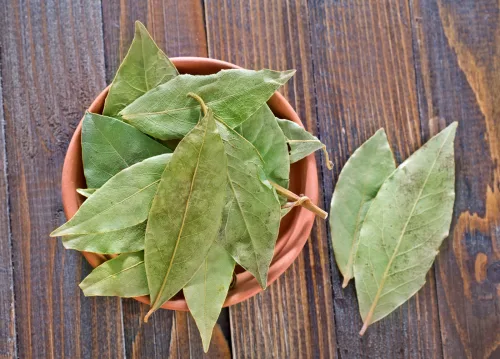
Experienced Houseplant Growers Put a Kitchen Staple in the Pot and Fungus Gnats Avoid the Compost
If you’d rather avoid unnecessary chemicals, bay leaves can be a simple, gentle helper for indoor plants. Used as a cooled infusion or placed dry in the pot, they can support growth and help deter pests such as fungus gnats.
Rose black spot spreads when you water the leaves in the evening and the culprit is often the one holding the watering can
Rose black spot is one of the most common diseases of garden roses, quickly spoiling foliage and weakening plants. In warm, humid weather it spreads easily, especially when leaves are wetted by evening watering.
Plants are dying from mould and pests, the spice you already have at home can help if you use it correctly
Cinnamon isn’t just for baking. Used correctly, it can help protect seedlings and cuttings, discourage some fungal problems, and deter a range of common garden pests.
Comments (0)
Be the first to comment.