
 English
  Polski
  Deutsch
  Nederlands
  Svenska
  Norsk
Norsk  Dansk
Dansk  Français
  Italiano
  Español
  Português
  Slovenčina
  Suomi
Suomi  Gaeilge
 Late Feeding Weakens the Whole Colony and Beekeepers Know the Deadline They Must Not Miss
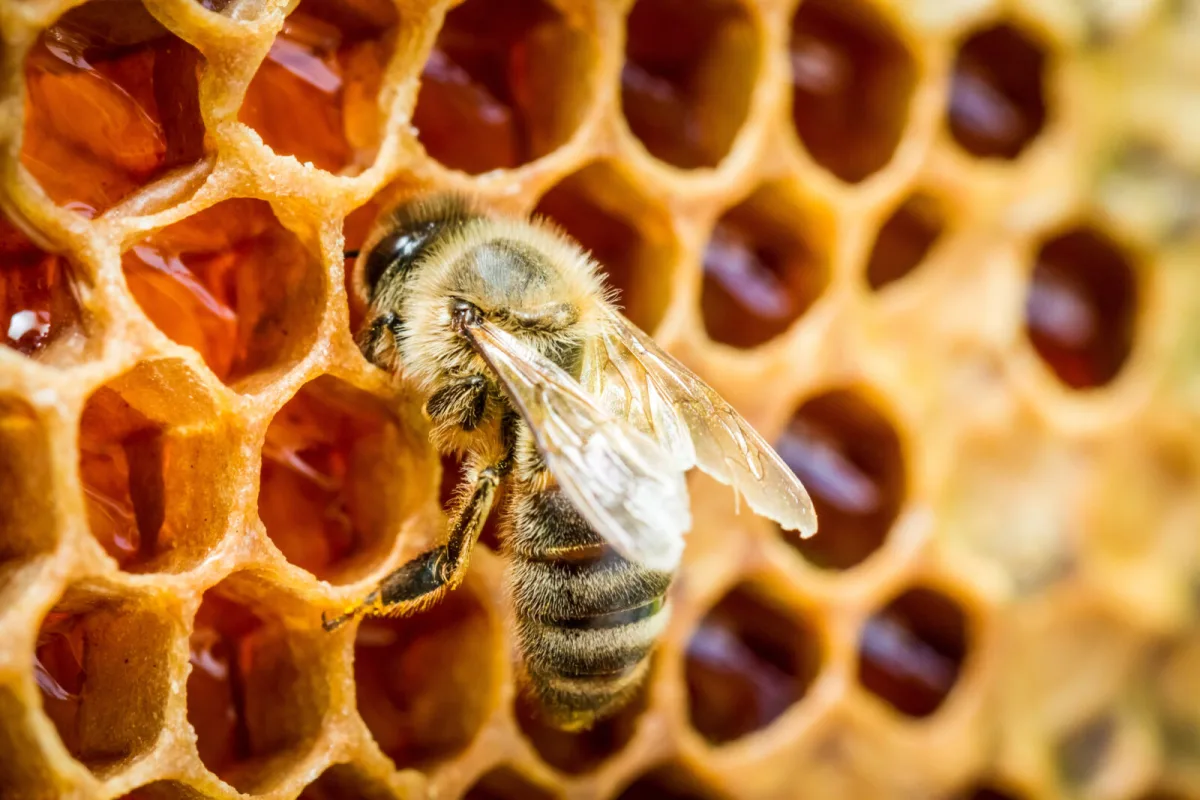
Successful overwintering of a bee colony depends above all on whether there are enough high-quality stores in the hive. Bees use a considerable amount of energy during the year, and the honey the beekeeper harvests needs to be replaced. If this is neglected, the colony may weaken during the winter months, or even die from starvation. Strong, well-provisioned bees build up faster in spring and are ready to take advantage of the first nectar flow.
A single colony can consume dozens of kilograms of stores over the season. That’s why it’s not enough to think only about extracting honey, but also about what remains in the hive for the bees themselves. Sensible supplementation of feed is one of the basic steps of responsible beekeeping.
The best time to feed
Timing is crucial. It’s best to top up stores at the beginning of August, or shortly after the last major honey harvest. The reason is simple. This is when winter bees begin to emerge, differing from the summer generation in their longer lifespan and ability to get through the demanding months of cold. These bees should not be worn out by processing large amounts of sugar syrup.
If a beekeeper feeds late, a large share of the work is pushed onto the winter generation. That can weaken the whole colony even before the first hard frosts. Timely feeding, on the other hand, allows most of the processing to be handled by summer bees, which would soon die off anyway.
How much stores bees need
The amount of feed depends on colony strength, hive type and the course of the winter, but in general you should count on roughly 30 kg of stores per colony. Part of this should be a natural honey reserve, ideally around 15 kg of good-quality blossom honey. The remainder can be made up with sugar syrup.
It’s very important to distinguish the type of honey. Blossom honey is suitable for overwintering, while honeydew honey can be problematic. It contains more hard-to-digest substances that burden the bees’ digestion. In winter, when bees cannot take cleansing flights as usual, this can cause trouble and soil the hive.
Which sugar to use and what ratio to choose
For winter feeding, most commonly white sugar dissolved in water is used. Granulated sugar is suitable, the key is that it dissolves well. Brown sugar is generally not recommended because it contains more impurities and indigestible substances than white sugar.
The most commonly recommended ratio for topping up autumn stores is 3 parts sugar to 2 parts water. This syrup is concentrated enough and bees accept it well. Sometimes a ratio of 2 to 3 in favor of sugar is also given, with practically the same principle, meaning a thicker syrup intended to build winter stores.
By contrast, in spring, when the goal is more about stimulating brood rearing than creating large stores, a thinner mix at a 1:1 ratio is used. It stimulates the colony into activity and mimics a steady inflow of nectar from nature.
Preparing sugar syrup in practice
Small-scale beekeepers can manage by preparing syrup at home in a pot or smaller containers. With a larger number of hives, it’s more practical to use a barrel, jerrycan or another larger container in which the sugar can be mixed all at once in a bigger volume. The syrup can be prepared in warm or cold water; what matters is thorough mixing and complete dissolution of the sugar.
After preparation, it’s best to let the mix cool to an acceptable temperature. Some beekeepers add a small amount of vinegar or herbal infusions because the mix smells better and the water is partially treated hygienically. The basis, however, remains a simple, clean syrup without unnecessary additives.
For winter feeding, the most important things are timeliness, sufficient stores, and the use of easily digestible feed.
How to add syrup to the hive safely
When feeding, it’s necessary to prevent robbing between colonies. If foreign bees gain access to the feed, a weakened hive can be attacked and heavy losses may occur. The feeder must therefore be positioned so that only bees from that colony can access it.
A traditional option is inverted feeder jars with a lid fitted with tiny holes. Once filled, they are turned upside down and placed above the colony so the bees can take the syrup gradually. Another option is plastic feeders or top feeders placed directly inside the hive.
Some beekeepers also use buckets with a float made from straw or another suitable material. The float prevents bees from drowning and makes it possible to feed a larger dose at once. This saves time and reduces the number of visits to the apiary. The key, however, is always that feeding is safe, clean, and without the risk of access by foreign bees.
Overwintering on honey and on sugar stores
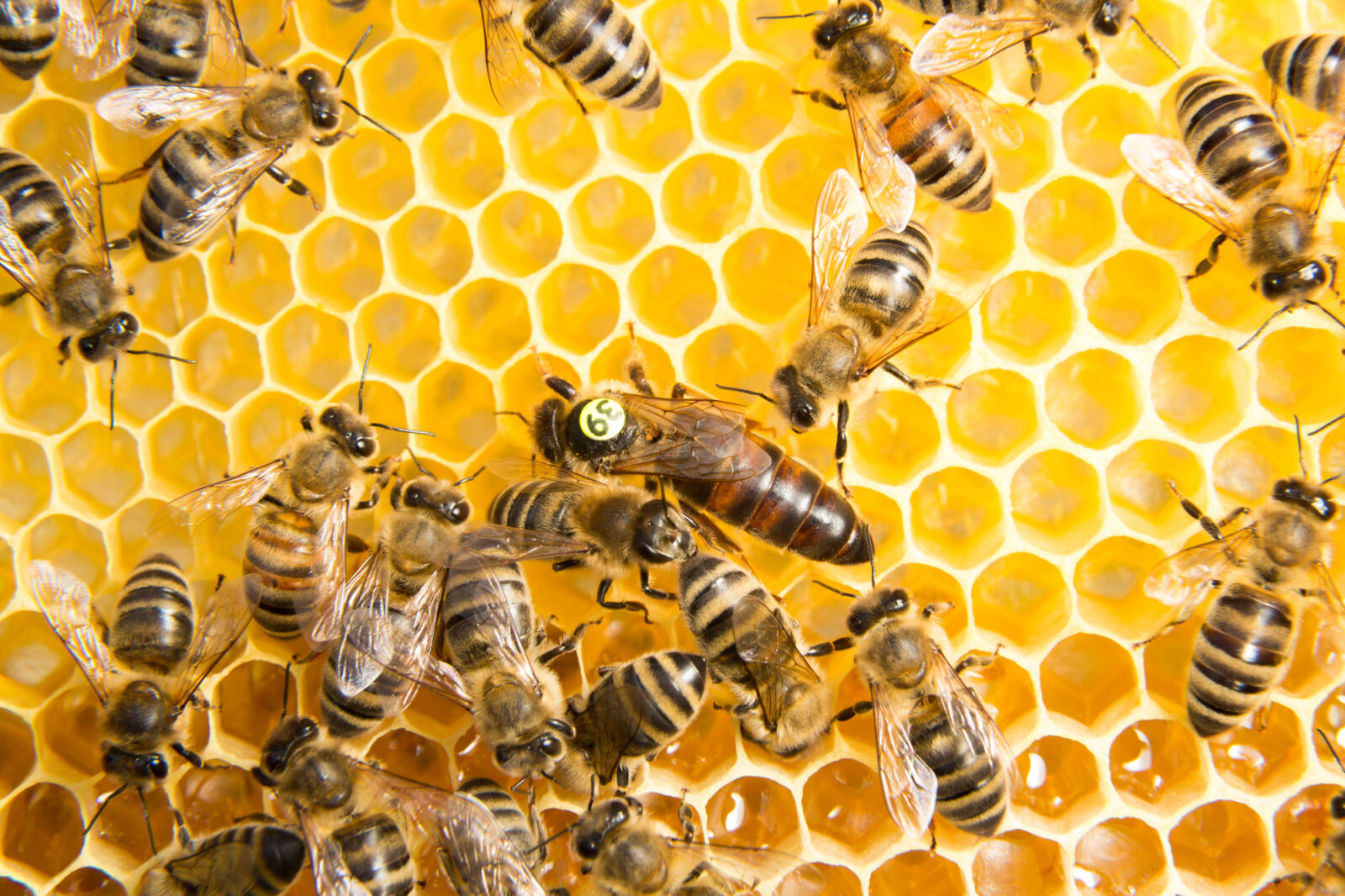
The most natural option is to leave the bees part of their own honey. It contains additional substances that simple sugar syrup does not. In practice, however, it’s common to combine retained blossom honey with supplemental sugar stores. This approach is often economically sensible and still works well for the bees.
The bees themselves enzymatically process the sugar syrup and store it in the comb cells as an energy reserve. During winter it then mainly serves to maintain warmth and the life of the winter cluster. If the syrup is prepared correctly and fed in time, it is a common and proven method of winter feeding.
Spring stimulation and how it differs from autumn feeding
It’s good to distinguish two things. Autumn feeding is used to create stores for a long period without a nectar flow, while spring stimulation is meant to support colony development. In spring, smaller and more frequent doses are given, usually at a 1:1 ratio, or honey-sugar fondant is used.
Regular small inflows of syrup create the impression of an ongoing nectar flow. The queen responds with more intensive egg-laying and the colony develops faster. This method is especially useful for nucs or where spring forage is limited.
What to watch out for when feeding
Common mistakes include feeding too late, providing an insufficient amount of stores, or leaving unsuitable honey in the hive. Using lower-quality ingredients or dirty containers is also risky. In addition, each colony needs to be assessed individually, because occupancy strength and consumption can vary.
Well-executed feeding is one of the decisive prerequisites for bees to survive the winter in strength and expand quickly in spring. That’s when it becomes clear that careful autumn preparation is crucial for the entire beekeeping year that follows.
Source: National Bee Unit, Perfect Bee, Pestrazahrada.cz

A lover of nature, gardens, and everything that moves, blooms, or grows. He literally grows everything, from herbs to rare species, and he enjoys caring for animals just as much. In his work, he connects modern technology with tried-and-tested grandmotherly methods and is happy when both paths lead to the same goal.
Related articles
Egg Laying Drops in Autumn and Keepers Return to a Generations-Old Trick
As the days shorten and temperatures dip, many hens naturally slow down on egg production. A simple, traditional add-in of garlic with a tiny pinch of black pepper can help support the flock’s overall condition as autumn sets in.
How to Choose a Chicken Feeder That Keeps Feed Dry, Clean and Pest-Free
A good chicken feeder should keep feed dry, reduce waste, and make access difficult for rats and wild birds. The right design and placement can save money and keep your coop cleaner year-round.
How to Feed Laying Hens So They Stay Healthy, Lay Steady All Year and Produce Strong Shells
A well-balanced diet is the key to healthy hens, strong eggshells and consistent laying. Learn what to feed, what to top up, and what to avoid through the seasons.
Comments (0)
Be the first to comment.