 English
 Polski
 Deutsch
 Nederlands
 Svenska
 Norsk
 Dansk
 Français
 Italiano
 Español
 Português
 Slovenčina
 Suomi
 Gaeilge
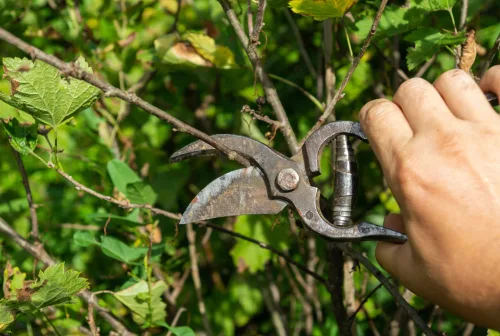
Ten Minutes in Autumn Decide Your Currant Crop
Currants crop best on younger wood, while old stems drain the plant and shade out productive new growth. A quick autumn prune keeps the bush open, healthy, and reliably fruitful next season.
5 min read

Currants crop best on younger wood, while old stems drain the plant and shade out productive new growth. A quick autumn prune keeps the bush open, healthy, and reliably fruitful next season.
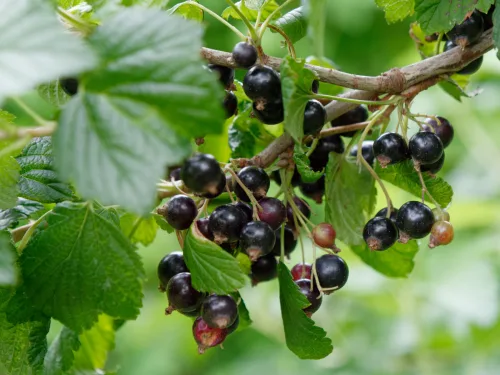
October is the best time to set currant bushes up for a strong spring and a heavy crop. With the right pruning, protection and autumn feeding, you’ll encourage more flower buds and better winter hardiness.
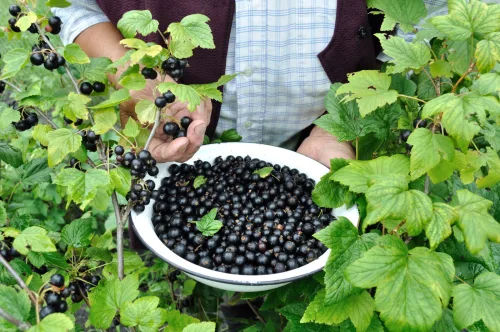
The size of next year’s currant harvest is often decided in autumn. With timely pruning, the right feed, and a protective mulch, bushes overwinter better and fruit far more heavily.
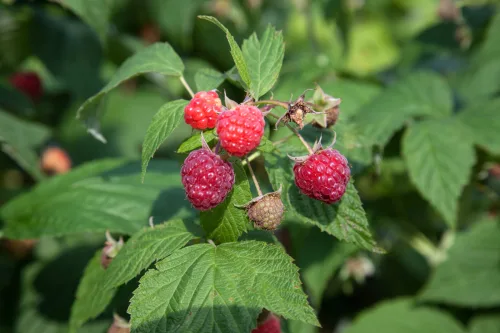
Autumn pruning is the key moment for raspberries, blackberries and currants. Remove old, weak or diseased wood now and you’ll get healthier plants and a bigger crop next season.
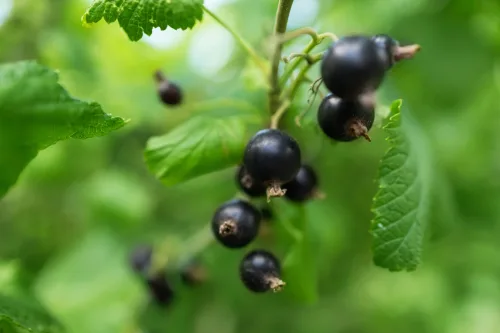
Currants are easy to propagate from hardwood cuttings taken during autumn pruning. With the right cut orientation, planting depth, and steady moisture, one shoot can become several new bushes.
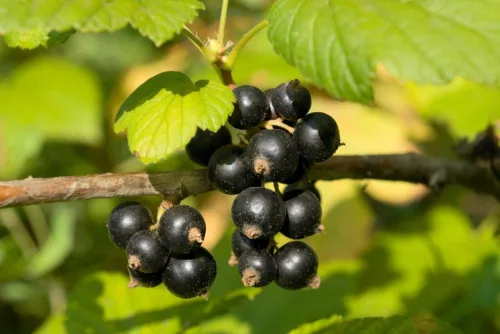
Autumn currant pruning isn’t about cutting out all old wood at once. Learn how to thin and renew black, red, and white currants correctly so you don’t sacrifice next year’s harvest.
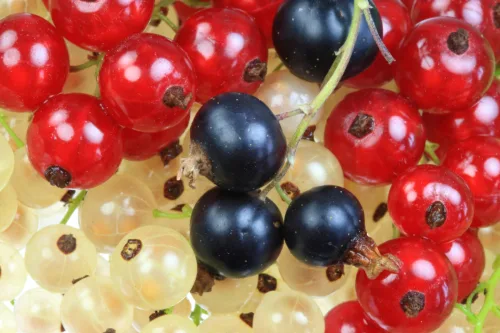
Blackcurrants crop mainly on young wood, while red and white currants carry a good share of their fruit on older spurs. Understanding this difference tells you exactly when and how hard to prune for better harvests and healthier bushes.
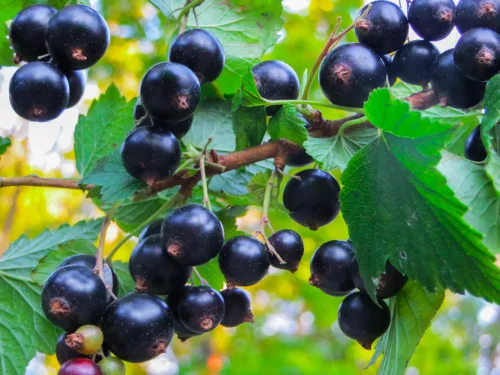
Currants need attention after harvest, not just in spring. Smart pruning, steady watering, balanced feeding and simple prevention now set up stronger bushes and a heavier crop next season.
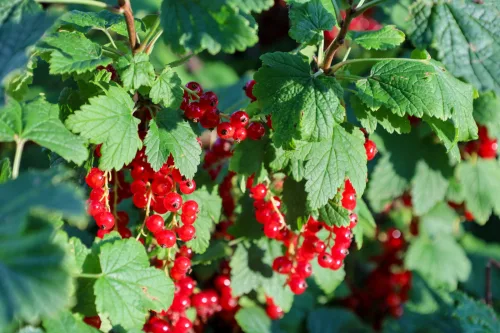
Post-harvest care makes a real difference to next year’s currant crop. Timely pruning, steady watering, sensible feeding and basic hygiene help bushes set more buds and stay healthier.
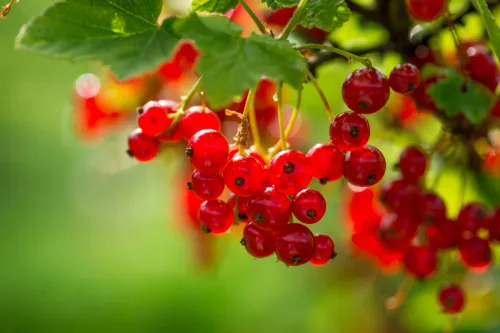
Once you’ve finished picking currants, a little targeted aftercare helps the bushes set strong buds for next season. Prune, water, feed and prevent disease now for a healthier plant and a heavier crop with larger berries next year.
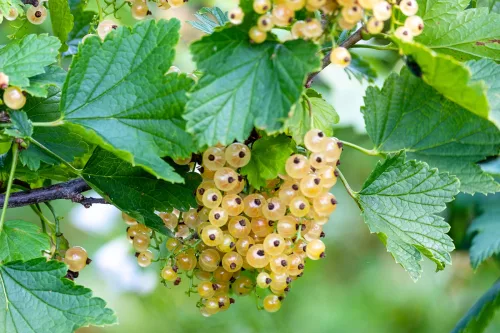
If you have a currant bush that crops well and tastes great, you can easily make new plants from cuttings in late summer and early autumn. With a few simple steps, you’ll have strong young plants ready to move on next spring.

Currants can ripen fast and flood the kitchen with bowls of berries. Here are practical, tasty ways to use them up—from jam and jelly to juice and even homemade vinegar.
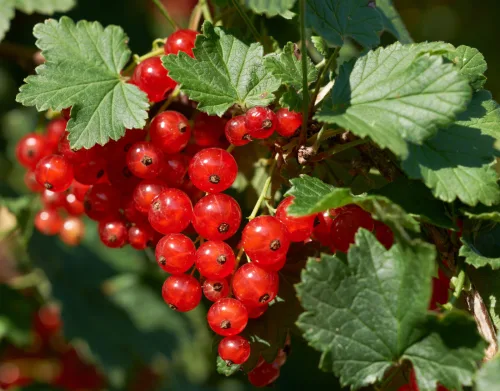
Once you’ve found a currant variety that crops reliably and tastes great, it’s worth multiplying it. Early summer is ideal for taking softwood cuttings and raising a few new plants for your garden or family.

Juicy, pleasantly tart currants are versatile in the kitchen and easy to grow. With sensible pruning and feeding, they’ll reward you with heavy crops for many years.

Currants crop reliably when the soil is well supplied with humus and balanced nutrients. Here’s when to fertilise through the season and what to use for bigger, sweeter, better-coloured berries.

Currants are dependable, productive shrubs, but pests and diseases can take hold fast if you miss the early signs. With timely checks, good pruning and a few targeted, gentler treatments, you can keep plants healthy and crops high through harvest.

Currants are usually easy-care shrubs, but prolonged dry spells in May can quickly cut yield and berry quality. With targeted watering, mulching, timely aphid control and potassium feeding, you can hold onto the fruit set right through to harvest.