
 English
  Polski
  Deutsch
  Nederlands
  Svenska
  Norsk
Norsk  Dansk
Dansk  Français
  Italiano
  Español
  Português
  Slovenčina
  Suomi
Suomi  Gaeilge
 July Isn’t Too Late These Crops Can Still Deliver a Big Harvest
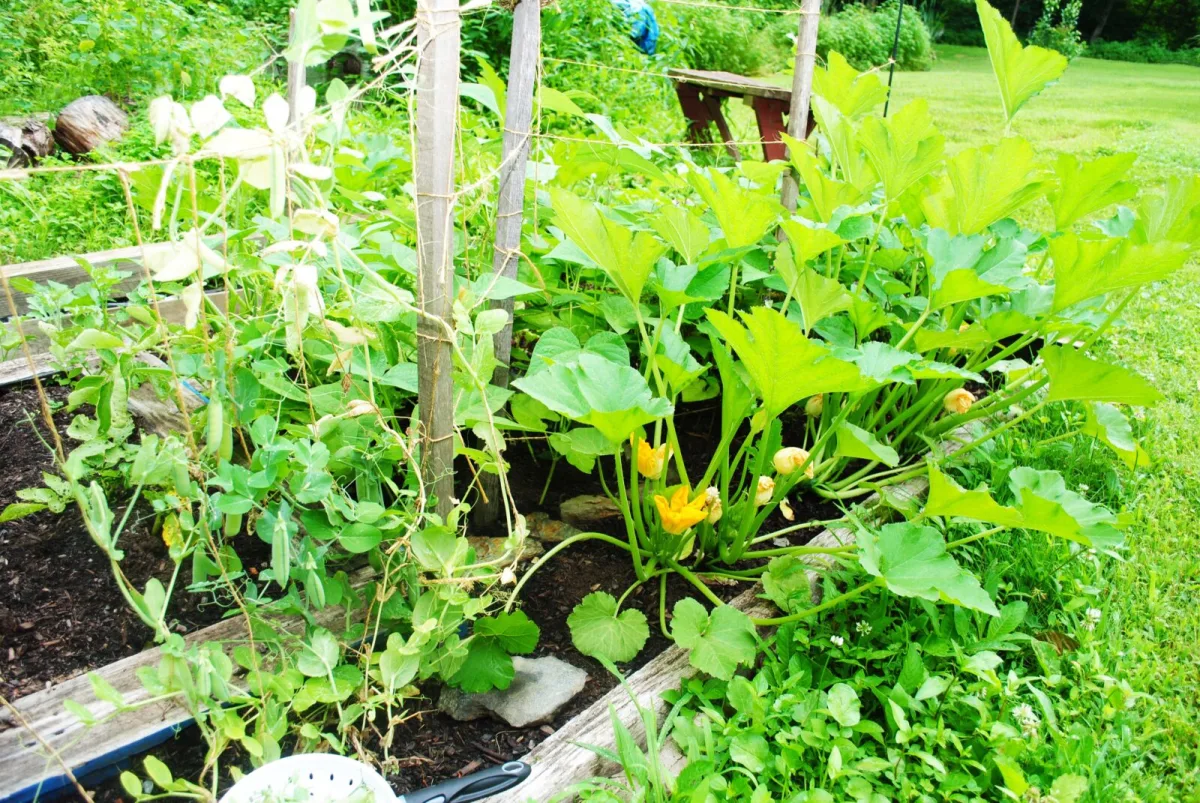
Most gardeners feel in July that the sowing season is long behind them and now it’s all about harvesting. But this is exactly when the second round opens up—one that many people give up on for no good reason. If you sow the right crops at the right time, you’ll be enjoying fresh harvests long after your neighbours’ beds have emptied.
Why you definitely shouldn’t give up on the garden in July
In July the soil is at an ideal temperature, the days are long, and seeds germinate faster than they do in spring. That’s a huge advantage—one you can simply make use of. While spring sowings struggle with cold soil and a slow start, summer sowing takes off within a few days and plants grow almost before your eyes.
The secret to a successful late harvest comes down to two things. The first is choosing quick-growing crops that can mature before the first frosts arrive. The second is choosing crops that actually benefit from the cooler end of the season and taste even better once temperatures drop. Combine the two and the beds freed up after garlic, onions or early potatoes turn into a new wave of fresh vegetables.
A bed that’s free in July isn’t an ending—it’s an opportunity. In a single warm month you can still grow another full, worthwhile harvest.
Fast veg that’s ready in just a few weeks
If you want results as quickly as possible, back crops with a short growing period. The absolute classic is radishes, which are ready to harvest about three to four weeks from sowing. They grow fast in summer—just keep them evenly watered so they don’t turn woody and overly hot.
Leafy salads do brilliantly now too, especially cut-and-come-again types where you harvest leaves little and often. Rocket, spinach and Asian greens such as pak choi also get going quickly. These crops will appreciate light partial shade in the hottest spells; otherwise they tend to bolt prematurely.
Give salads and spinach a cooler corner
Leafy greens hate scorching sun and dry soil. In July it pays to sow them where there’s a little shade at midday—next to taller plants, for example, or on the east side of a bed. Keep the soil consistently moist, and repeat sowings at two-week intervals so you have fresh leaves steadily right through to autumn.
Root vegetables for autumn and winter stores
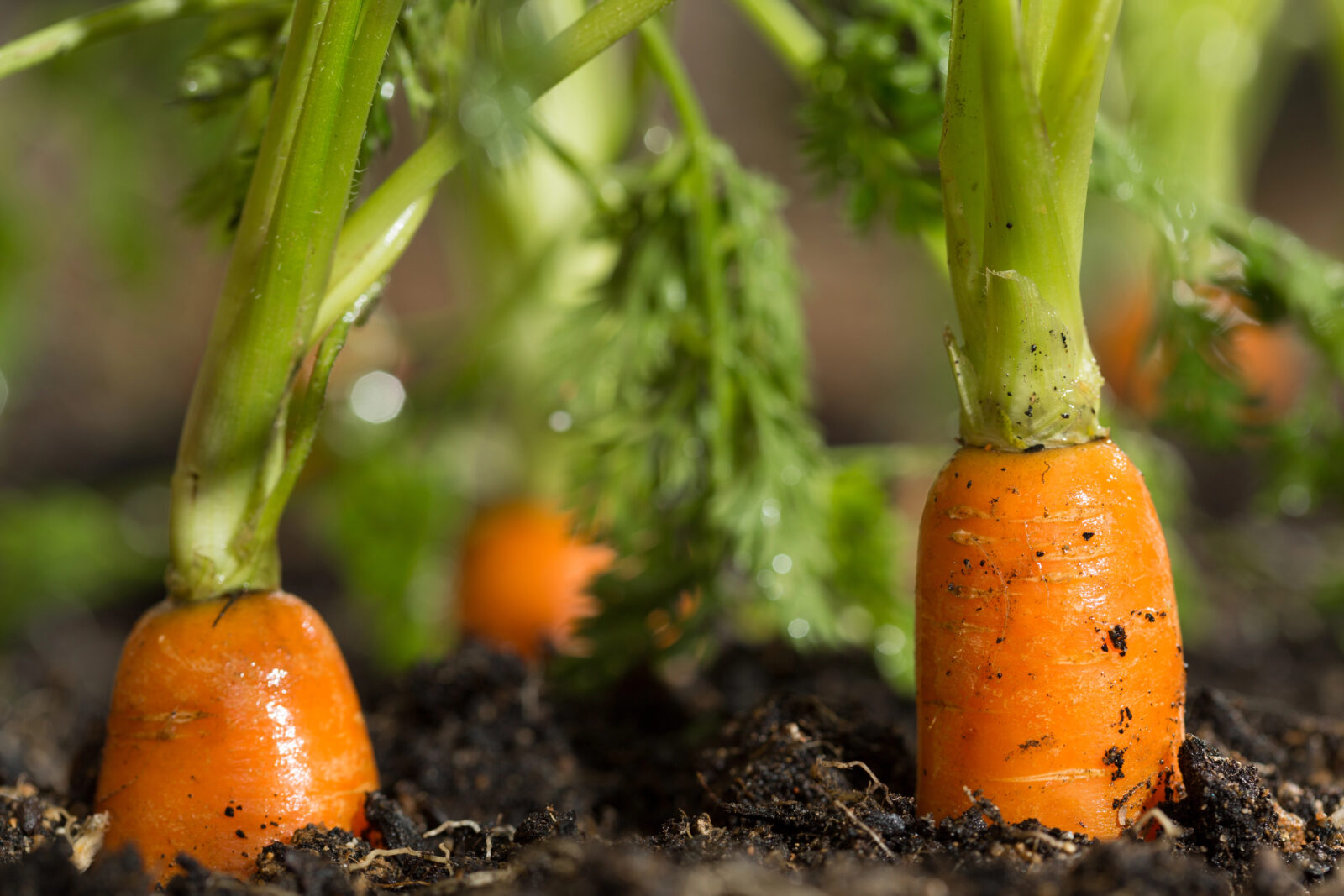
Early July is the last suitable window to sow carrots for winter storage. The roots take longer to grow, but they’ll still mature by the end of the season and keep in a cellar right through to spring. You can also still sow beetroot, which will form good-sized roots by autumn that are ideal for storing.
A true summer speciality is daikon-type radish and so-called winter turnips. These need shortening days to develop properly, so spring isn’t suitable for them—their moment is right now. Sown in July, you’ll get crisp, punchy roots that are perfect for autumn and winter cooking.
Beans and peas as a second summer crop
Not many people realise that dwarf French beans can still be sown in the first half of July. They’re quick, undemanding, and will still set a respectable crop of pods before the season ends. All they need is warm soil and plenty of moisture—both of which are usually available at this time of year.
A second sowing of peas also suits a bed that’s just been cleared. If you choose an early variety, you’ll be picking fresh, sweet pods in autumn—just when most of the garden is past its peak. Peas also benefit from the fact that autumn weather is typically cooler and damper than mid-summer conditions.
Cabbages and kohlrabi love a summer sowing
For many brassicas, July is ideal. This is especially true for Chinese cabbage, which readily bolts from a spring sowing but, when sown in summer, forms firm, juicy heads right on time for autumn. Kohlrabi also does very well now, quickly swelling into tender bulbs.
If you like vegetables that can handle the first light frosts, sow kale. It positively thrives in the cold, and after the first touch of frost its leaves become milder and sweeter. You can harvest it deep into autumn—often even when the rest of the garden has been cleared.
Keep an eye on brassicas for pests
Summer sowings of cabbages and their relatives have one downside: higher pest pressure. Watch especially for white butterfly caterpillars and aphids, which multiply quickly on young plants. Regularly check the undersides of leaves and act early so pests don’t wreck the crop before it has even had a chance to grow.
Herbs that shoot up in warmth
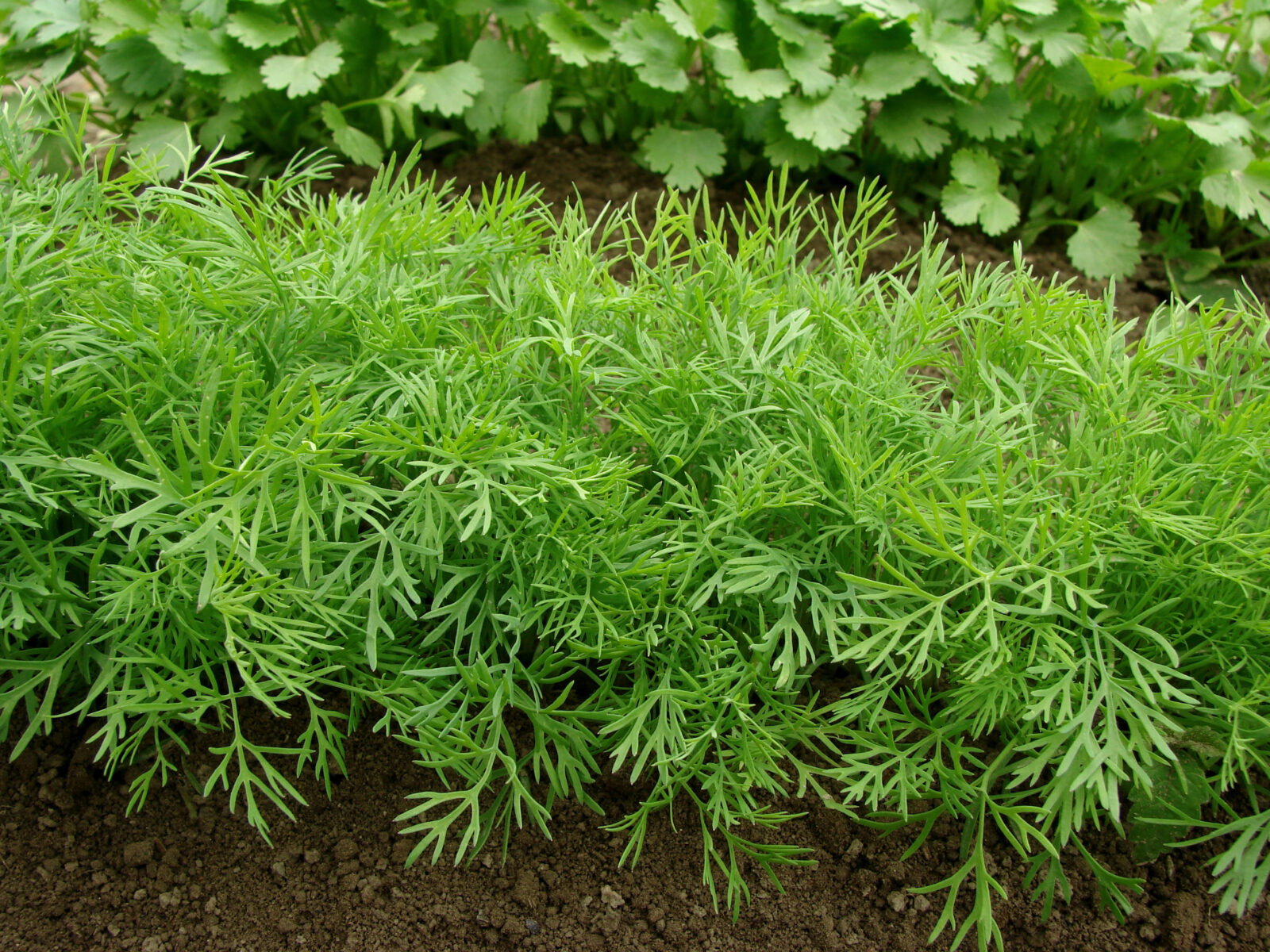
As well as vegetables, July is a great time to top up with fast herbs. Dill and coriander come up within days and provide fresh leaves for summer and autumn cooking. It’s also an excellent time to start another batch of parsley for leaves, so you’re not short of fresh greenery well into winter.
If you grow in window boxes or containers, you have an advantage. You can place herbs where they get morning sun and afternoon shade, so they suffer less in peak heat and stay in good condition for longer.
What not to forget with July sowings
Summer sowing comes with one pitfall: drought. Seeds and young seedlings need steady moisture, otherwise they germinate poorly or dry out before they properly establish. So water regularly, preferably in the morning, when less evaporates and plants have all day to make use of it.
Mulch is another big help. A layer of grass clippings or straw keeps the soil cooler and moister, suppresses weeds, and smooths out temperature swings. Mulching often makes the difference between a summer sowing surviving the first heatwave—or not. And don’t forget to watch the calendar: each crop has a latest safe sowing date, after which it simply won’t have time to mature before the season ends.
What to take away
July is far from the end of the growing season—it’s the start of its second half. If you sow quick leafy greens, storage roots, dwarf French beans or Chinese cabbage into cleared beds, you can look forward to fresh homegrown harvests well into autumn. The key is choosing suitable crops, keeping moisture consistent, and not letting good soil sit idle. Your garden will repay you with full baskets at a time when nobody expects it.
Source: Gardening Know HOw, GrowVeg, Almanac, Pestrazahrada.cz

A lover of nature, gardens, and everything that moves, blooms, or grows. He literally grows everything, from herbs to rare species, and he enjoys caring for animals just as much. In his work, he connects modern technology with tried-and-tested grandmotherly methods and is happy when both paths lead to the same goal.
Related articles
The More Often You Harvest, the Longer Plants Keep Cropping
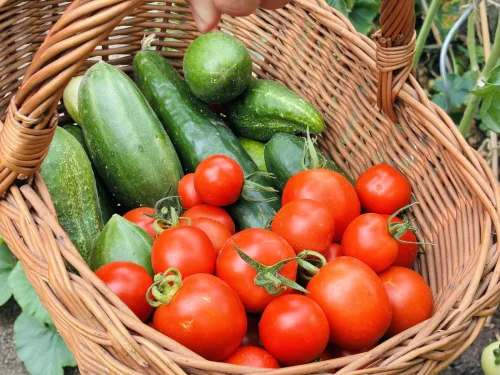
With fruiting vegetables, frequent picking keeps plants flowering and producing for longer. A few crops, such as aubergines, are tastiest when harvested slightly earlier rather than fully mature.
Wasps Aren’t Just a Barbecue Menace They Can Ruin Your Garden Woodwork Too
Weathering isn’t always the main culprit behind damaged outdoor timber. Wasps can scrape fibres from boards and beams surprisingly fast, leaving grooves that soak up water and accelerate decay.
Why hydrangeas wilt in summer even when watered and how to save them fast
Hydrangeas can look limp in hot weather even if you’ve been watering faithfully. The key is to check what’s happening in the root zone, then adjust watering, shade and mulching so the plant can actually use the moisture available.
Comments (0)
Be the first to comment.