
 English
  Polski
  Deutsch
  Nederlands
  Svenska
  Norsk
Norsk  Dansk
Dansk  Français
  Italiano
  Español
  Português
  Slovenčina
  Suomi
Suomi  Gaeilge
 August treasures most people walk past without noticing
August is the point when summer tips into its late phase and the countryside quickly fills with edible treasures. Fruits ripen in hedgerows and along woodland edges, herbs are bursting with flavour, and some plants are already starting to set seed. If you enjoy foraging, this is a brilliant time to make the most of what’s available before autumn properly arrives. Whether you’re walking near the railway line, along farm tracks, in parks or by the woods, most of the species mentioned can be found without any long expeditions.
Safety first: always identify the plant with complete certainty, harvest away from polluted areas, and take only what you need so there’s plenty left for wildlife and other foragers.
Blackberries and other late-summer fruits
Blackberries
Blackberries are among the easiest August fruits to find, because the brambles grow almost everywhere—especially in hedgerows, at woodland margins and along paths and lanes. The best fruits are glossy, plump and deep black, and they come away from the stem easily. Leave any firm or reddish berries to ripen. In the kitchen they’re perfect in crumble desserts, stirred into porridge or blended into smoothies; you can also steep them in vinegar or gin to make a seasonal maceration. It’s practical to pick earlier in the day, when the berries haven’t softened in the heat, and to bear the thorns in mind when handling the canes.
Nutritionally, blackberries are valued for their vitamin C, fibre and antioxidants, including anthocyanins. These help protect cells from oxidative stress, and blackberries are often mentioned in connection with supporting memory and overall vitality.
Elderberries
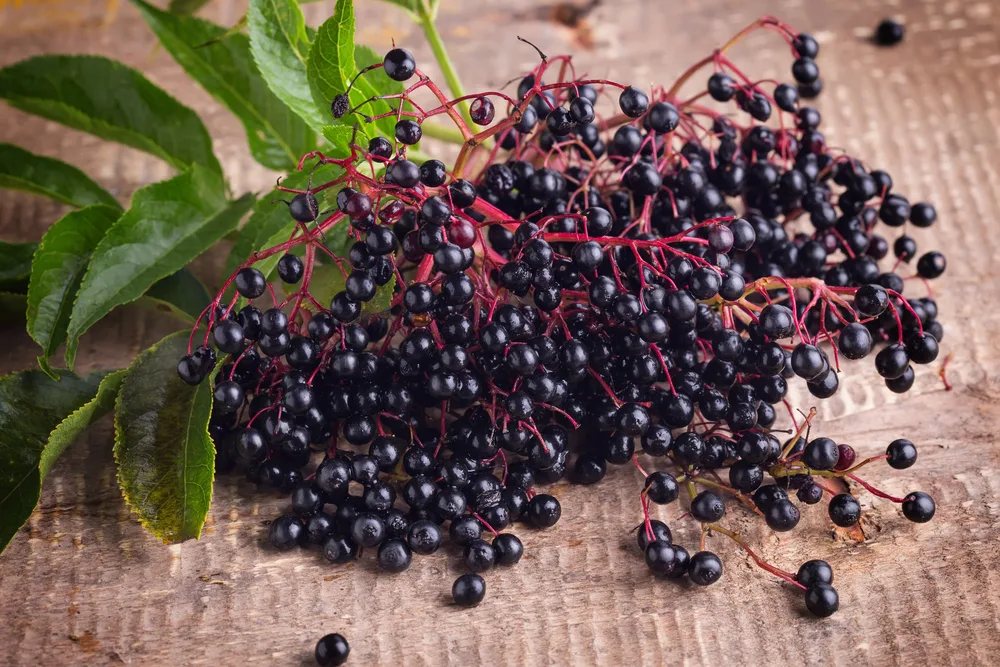
Elderberries from black elder are picked once they’re a rich dark purple. Green or red berries aren’t suitable, as they can irritate digestion when raw. Elderberries are traditionally processed with heat, most commonly into syrup, jam, wine or a homemade concentrate. Flavour-wise they pair beautifully with apples and blackberries too, for example in cakes and crumbles.
Elderberries hold a firm place in folk tradition during cold season. They contain vitamin C and a range of antioxidants, often noted for quercetin and anthocyanins. In practice they’re used mainly to support immunity and the respiratory system, usually in syrup form.
Simple elderberry syrup
You’ll need roughly 500 g of fresh elderberries and 1 litre of water, spices such as cinnamon and cloves, a piece of ginger and lemon to taste. First strip the berries from the stalks, discard any unripe ones and rinse everything well. Then simmer them in a pan with the water, ginger and spices for about 30–40 minutes, until the liquid reduces by roughly half. Once slightly cooled, strain through a fine sieve or cloth and gently squeeze the fruit to release the juice. It’s best to stir in honey or another sweetener only once the liquid is warm rather than hot, so the valuable compounds in raw honey aren’t unnecessarily damaged. Pour the finished syrup into sterilised jars and store in the fridge, or freeze some in smaller portions.
Rowan berries
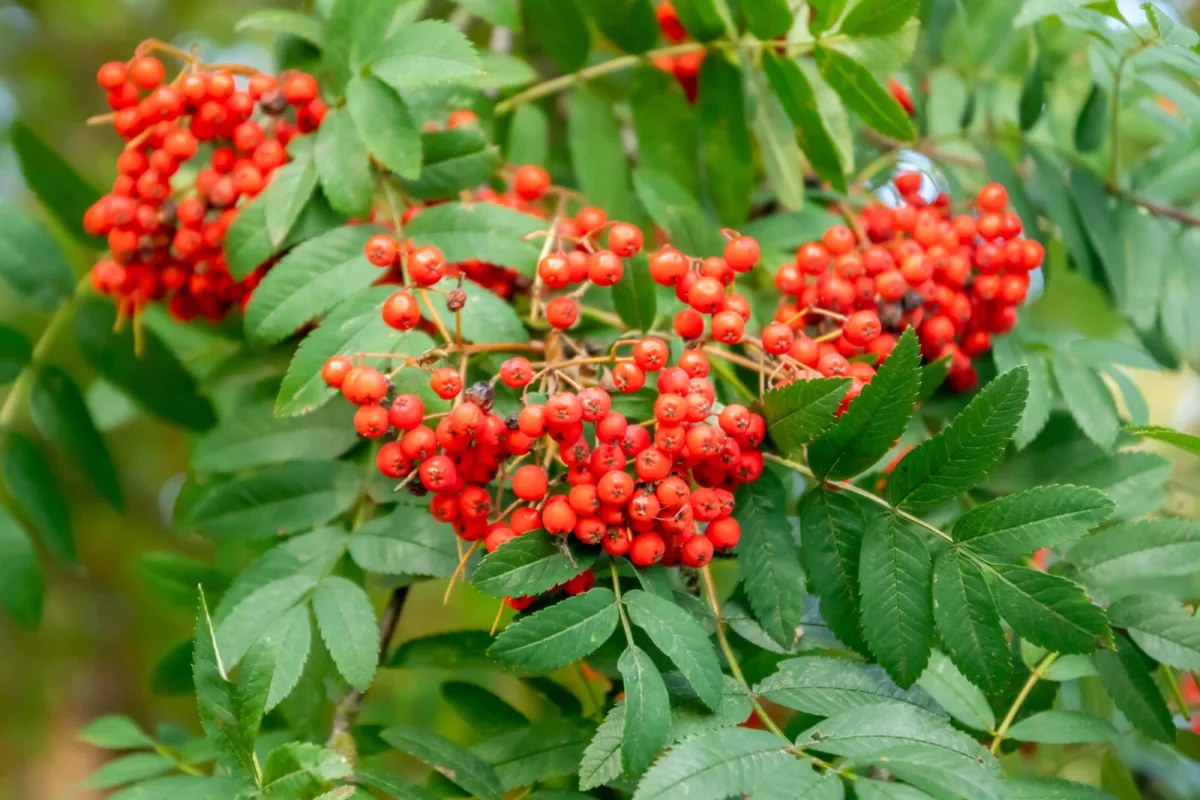
Rowan (mountain ash) is easy to recognise by its clusters of bright red berries hanging on trees in parks, by roadsides and along woodland edges. Rowan berries are picked ripe, but they’re almost always cooked, because raw berries are notably bitter and contain compounds that break down more readily with cooking. In the kitchen they make a jelly that’s excellent with cheese or game, and they can also be used in chutneys and infused vinegars.
In terms of benefits, rowan berries are appreciated for vitamin C and their traditional link with supporting digestion. Once cooked, they’re also credited with mildly astringent and soothing effects.
Crab apples
Wild or small apple trees turn up in copses, by old orchards, in hedgerows and along roads. The fruits are usually small, hard and very sharp, but they’re ideal for preserving. Thanks to their high pectin content, they set readily into jelly, and they also work well in chutneys or as an addition to mixed “hedgerow” jams. Part of the crop can be sliced and dried, or used to make homemade apple cider vinegar.
Crab apples naturally contain pectin, commonly associated with supporting digestion and, of course, helping preserves thicken and set. You’ll also find polyphenols, and typically vitamin C and potassium.
Nuts and greens for the kitchen
Hazelnuts
Hazel shrubs along woodland edges and in field margins begin offering the first nuts in green husks in August. It’s worth picking in good time, because once the nuts ripen, squirrels often find them quickly. You can eat hazelnuts raw, toast them for a deeper flavour, grind them into flour or use them in baking, granola and homemade nut butters.
Hazelnuts are known for their high proportion of quality fats, especially monounsaturated fats. They also contain vitamin E, magnesium, B vitamins and fibre, and they’re often mentioned for their potential benefit to cholesterol levels.
Ground elder
Ground elder shows up in gardens, parks, along path edges and in the understorey, and many people know it as a persistent weed. For the kitchen, though, you can use the young leaves, before they become tough or bitter. They’re lovely lightly wilted like spinach, added to soups, omelettes or savoury bakes, or mixed with other leaves in green blends.
In traditional herbal use, ground elder is associated with supporting joints and a mildly diuretic effect. It also contains vitamin C and minerals, with potassium and calcium often mentioned.
Quick garlicky ground elder with lemon
Heat olive oil or butter in a pan, gently warm the chopped garlic briefly, then add the washed, roughly chopped young ground elder leaves. Stir now and then and let them wilt for a few minutes until softened. Finish with salt, pepper and lemon juice. If you like bolder flavours, add a pinch of chilli or a little nutmeg.
Flowers and herbs for tea and home care
Primrose
Cowslip (primrose) is typically a spring plant, but in cooler areas or after heavy rain it can sometimes flower again later on. You may find it along woodland edges, in damper lawns and on grassy banks. The pale yellow flowers and young leaves are harvested. The flowers are often used fresh to decorate salads, desserts or drinks, or they can be candied. The leaves can be added to spring greens mixes, although they can be slightly hairy.
Traditionally, primrose is mentioned for a gently calming effect and its connection with tension, headaches or poor sleep. It contains saponins and flavonoids, which are credited with potentially anti-inflammatory activity.
Yarrow
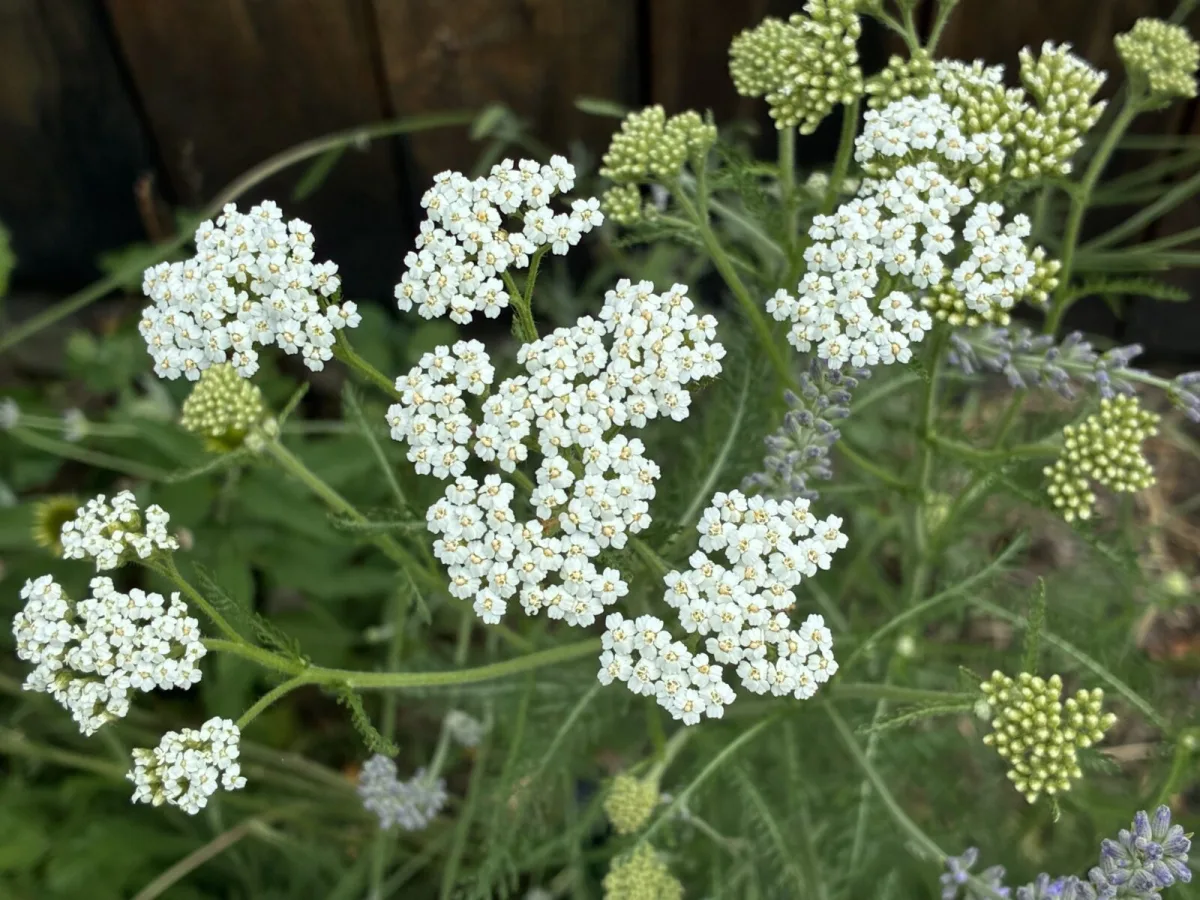
Yarrow grows in meadows, field margins, by arable land and in drier grassy places. You’ll recognise it by its finely feathery leaves and flat clusters of tiny white to pinkish flowers. For eating, it’s mainly the young leaves that are picked, ideally before flowering, while the flowers are used for teas, tinctures or infused oils. Only a small amount is needed in salads, as the flavour is strong. In summer it’s also popular combined with mint and elderflower in a refreshing blend.
Yarrow has a long history in folk use, often linked with digestion, supporting circulation and skin care. It’s commonly described as anti-inflammatory and antiseptic; used externally it’s traditionally mentioned for minor wounds, and in herbal blends it also appears in connection with support during colds.
Yarrow infusion
Pick the flowers in dry weather from a clean area and dry them out of direct sun so they stay aromatic. For one mug, use about 1 tablespoon of dried flowers, or 2 tablespoons fresh. Pour over boiling water, cover and steep for around 10–15 minutes. Then strain and add honey or a slice of lemon to taste.
How to enjoy your August finds later on
Late summer is ideal for bottling and preserving, drying, freezing, and making syrups and infused vinegars. That way, you can keep the taste of August for weeks or even months ahead. Each walk can also become a small reminder of seasonality, because foraging directly connects your kitchen to what’s happening outdoors in the landscape.
Forage considerately: choose clean locations, always identify plants safely, and don’t damage the habitat. If you leave part of the harvest behind, nature will reward you next time—and you’ll also support local wildlife, for whom fruits and seeds are an important food source.
Source: The National Allotment Society, Veronica ecological institute , Pestrazahrada.cz
Related articles
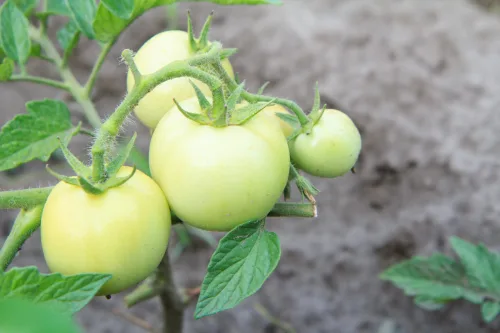
Not all green tomatoes will ripen. Experienced growers know which to pick and which to leave
As the tomato season winds down, it pays to judge green fruit by maturity and the forecast rather than the calendar. Size, skin colour and a quick seed check will tell you what can finish ripening indoors and what won’t.
Don’t Throw Away Green Tomatoes They’ll Ripen Indoors and the Rest Belongs in the Pan
As temperatures drop at the end of summer, tomatoes often struggle to finish ripening on the plant. With a few simple tweaks you can help them colour up, ripen the rest indoors, and use any stubborn green ones in delicious recipes.
Walnuts will keep until next year’s harvest, but one post-harvest mistake can ruin them with mould
Home-grown walnuts can stay delicious for months—often right up to the next harvest—if you dry and store them properly. Moisture trapped in the kernel is the quickest route to musty flavour, rancidity and mould.
Comments (0)
Be the first to comment.