
 English
 Polski
 Deutsch
 Nederlands
 Svenska
 Norsk
 Dansk
 Français
 Italiano
 Español
 Português
 Slovenčina
 Suomi
 Gaeilge
Ten smart companion plants for peppers that naturally boost healthy growth and higher yields
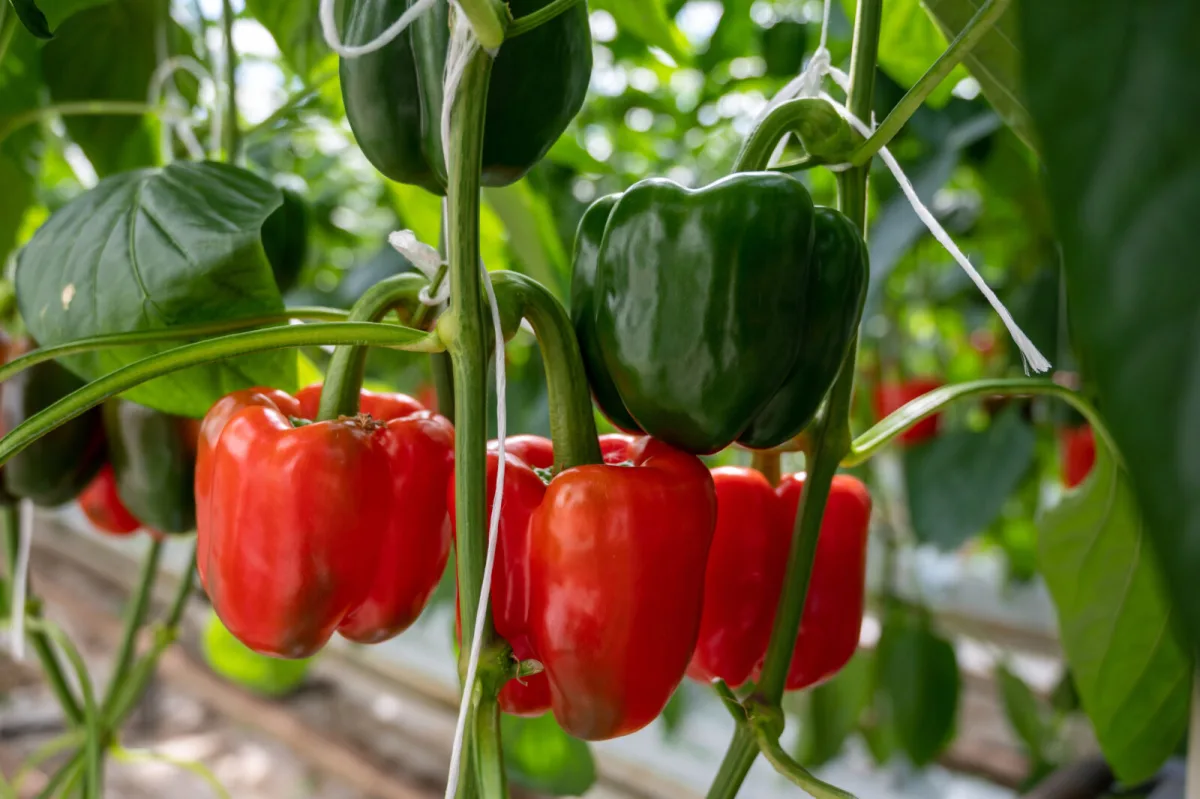
Peppers, whether sweet or hot, do best alongside well-chosen companion plants. Mixed planting helps reduce pest pressure, encourages healthier growth, and often leads to a bigger harvest. Some species repel troublesome insects with their scent, while others draw in pollinators or beneficial predators that help keep the bed in balance without unnecessary chemicals.
In recent years, companion planting has become increasingly popular, and many traditional recommendations are supported by newer findings as well. The added advantage is that this approach works in standard beds, raised planters, and containers. It’s also important to know which neighbours to avoid. Peppers generally don’t appreciate being planted close to tomatoes and other nightshades such as potatoes, aubergines, or cape gooseberries, because they share similar diseases and pests.
Plants that help peppers the most
Alliums, or onion-family crops
Chives, onions, leeks, and other members of this group are very useful neighbours. Their aroma helps deter aphids and other sap-sucking insects that cause yellowing and leaf distortion. If you let chives flower, their showy blooms will also attract pollinators, which can improve fruit set on peppers.
Basil
Basil is well known as a great partner for tomatoes, but it works beautifully next to peppers too. Its strong scent can help reduce thrips and other common pests. At the same time, peppers provide a little afternoon shade, so basil’s tender leaves suffer less in harsh sun. It’s a pairing that’s both practical and useful in the kitchen.
Beans and peas
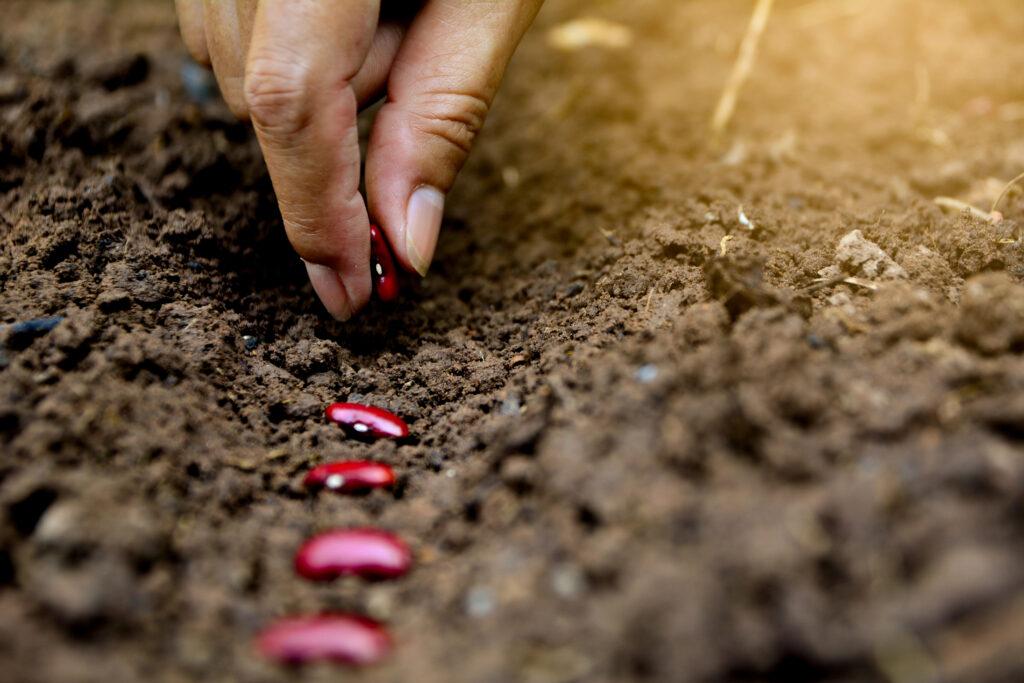
Legumes can enrich the soil with nitrogen thanks to their partnership with soil bacteria, improving overall soil condition. This gives peppers a natural nutritional boost and helps them grow more vigorously. If you don’t want climbing types to take over, provide support or choose bush varieties that stay more compact.
Pak choi as a trap crop
Peppers are often attacked by flea beetles, which chew tiny holes in the leaves and can also spread disease. Pak choi can serve as an effective decoy because it attracts these pests more strongly than peppers do. The insects then concentrate on it, leaving the main crop better protected.
Coriander
Coriander is useful for more than just salsa. Once it flowers, it attracts a whole range of beneficial insects, including lacewings, ladybirds, and tiny parasitic wasps. These help reduce aphids and other pests that commonly show up on peppers, making crop protection far more natural.
How to use space and protect the soil
Cucumbers and squash
The low, spreading growth of cucumbers or squash helps cover the soil surface. This keeps the ground from overheating, slows moisture loss, and makes it harder for weeds to establish. If you let cucumbers trail along the ground, it’s worth adding an organic mulch so the fruit and stems aren’t sitting directly on bare soil, where they can rot more easily.
Hot cherry peppers
An interesting option is to plant hot cherry peppers near sweet varieties. Some pests prefer them and then cause less damage to the other plants. Using them as a trap crop can lower the risk of fruit damage and subsequent rotting on the plant.
Lettuce
Lettuce grows quickly, has modest needs, and fits nicely between young pepper plants. It helps you make use of empty bed space while peppers are still small. Later on, peppers offer partial shade, which can slow bolting and extend the leaf harvest.
Root vegetables
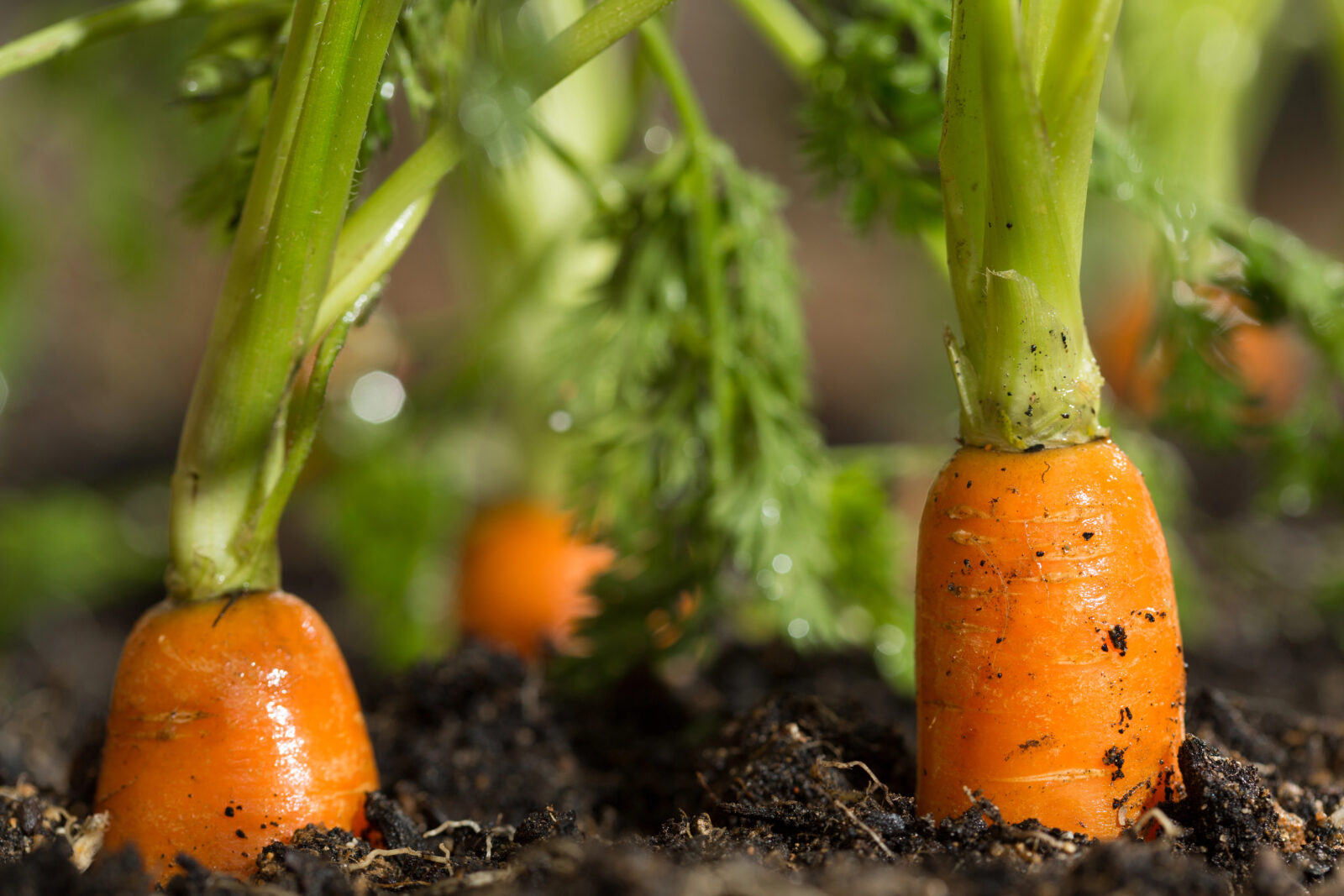
Carrots, beetroot, or radishes stay low and won’t steal light from peppers. Planting them between peppers is a smart way to get the most from your bed. Fast-growing radishes, in particular, can be harvested within a few weeks—well before peppers fully size up and take more space.
Sunflowers
Large sunflower blooms strongly attract bees and other pollinating insects. If pollinators spend more time around your peppers, it can improve flower set and the final yield. In smaller gardens, it pays to choose dwarf varieties, which offer the same benefit without taking up as much room.
A simple route to a better harvest
The right companions can make a real difference to peppers without complicated interventions. Some help with pest control, others boost pollination, improve the soil, or cover bare ground. It’s not only about a bigger yield, but also a healthier, more resilient crop. When you plan your bed by pairing peppers with aromatic herbs, legumes, leafy greens, and root vegetables, you can harvest more from the same space while reducing problems the natural way.
Source: Better Homes and Gardens, Pestrazahrada.cz

A lover of nature, gardens, and everything that moves, blooms, or grows. He literally grows everything, from herbs to rare species, and he enjoys caring for animals just as much. In his work, he connects modern technology with tried-and-tested grandmotherly methods and is happy when both paths lead to the same goal.
Related articles
The Most Unusual Garden Visitor Isn’t Always the Biggest One
A garden can become a surprising meeting place between people and wildlife. Sometimes the most unusual visitor is a quiet, elusive animal you may not notice for years.
You Can’t Do Everything on Your Own Garden Four Situations Where Simple Neglect Becomes a Costly Mistake
A garden may feel like a private world, but it still comes with legal responsibilities. Neglected weeds, burning green waste, invasive plants, or unmanaged boundary trees can all lead to complaints and hefty fines.
Cutting Down Thuja in Your Own Garden You Could Face a Fine of Tens of Thousands if You Don’t Check One Key Detail
Many homeowners assume they can remove trees and hedging on their own land without restrictions. But even common thuja can fall under rules that require notification or a permit, and the fines for getting it wrong can be steep.
Comments (0)
Be the first to comment.