
 English
 Polski
 Deutsch
 Nederlands
 Svenska
 Norsk
 Dansk
 Français
 Italiano
 Español
 Português
 Slovenčina
 Suomi
 Gaeilge
The Most Unusual Garden Visitor Isn’t Always the Biggest One
A garden isn’t only a place for growing tomatoes, sitting on a bench, or children’s games. It often turns into a living space where people encounter nature in its unexpectedly wild forms. Many assume the most they’ll meet is a blackbird, a hedgehog, or the neighbour’s cat. In reality, even an ordinary garden can attract creatures you’d expect nearer woodland, a pond, or an abandoned meadow. What seems unusual is often simply the result of changing weather, a search for food, or the need for a quiet refuge.
The most unusual animal in a garden doesn’t have to be the biggest or the rarest. Sometimes it’s a small creature you only notice after a long time. Other times, a visitor appears whose presence sparks both amazement and respect. What matters is understanding that a garden can act as a transition zone between the human world and the wilder countryside.
When a night-time visitor turns up
One of the most fascinating animals you might encounter in a garden is a pine marten. Many people associate it mainly with lofts or barns, but it can just as easily move through shrubs, along fences, or around the compost heap. Martens are highly intelligent, cautious, and most active after dark. They’re drawn to gardens by eggs, scraps of food, small rodents, and safe places to hide. Anyone lucky enough to spot one is usually struck by its agility and speed.
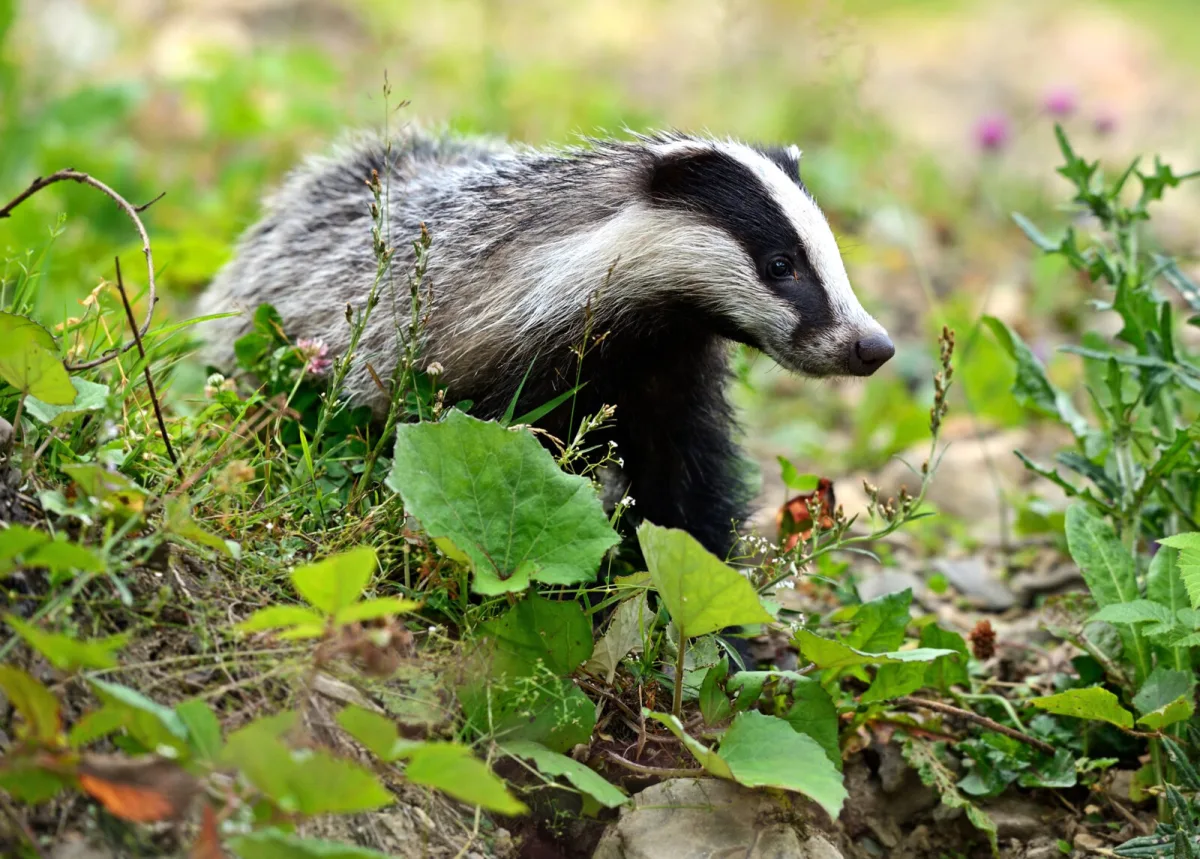
An equally surprising guest can be a badger. At first glance it seems almost unbelievable, because most people connect badgers with deep woodland. Yet they can wander into the edges of villages and towns, especially when searching for earthworms, larvae, or fallen fruit. Badgers are shy and will usually avoid people, but freshly dug beds in the morning can be a clear sign that someone has been thoroughly investigating the garden overnight.
Birds that stand out with their looks
An unusual encounter can also be a visit from a bird you don’t see in an everyday garden very often. A typical example is the jay—not rare, but always striking in a smaller garden thanks to its colouring and loud calls. Even more surprise comes from a woodpecker, especially if it starts drumming on a tree or wooden structure. Its presence shows the garden offers insects, older wood, or suitable trees.
Occasionally, a tawny owl or another owl may appear. That’s an experience you don’t forget. In the evening you might hear its call, and with a bit of luck you’ll catch a glimpse of its silent flight between the trees. Owls are attracted to gardens with plenty of small rodents and quiet corners. The presence of a night-time hunter like this is proof that even an unassuming garden can be part of a complex natural food chain.
Reptiles and amphibians as a surprise by the pond and compost heap
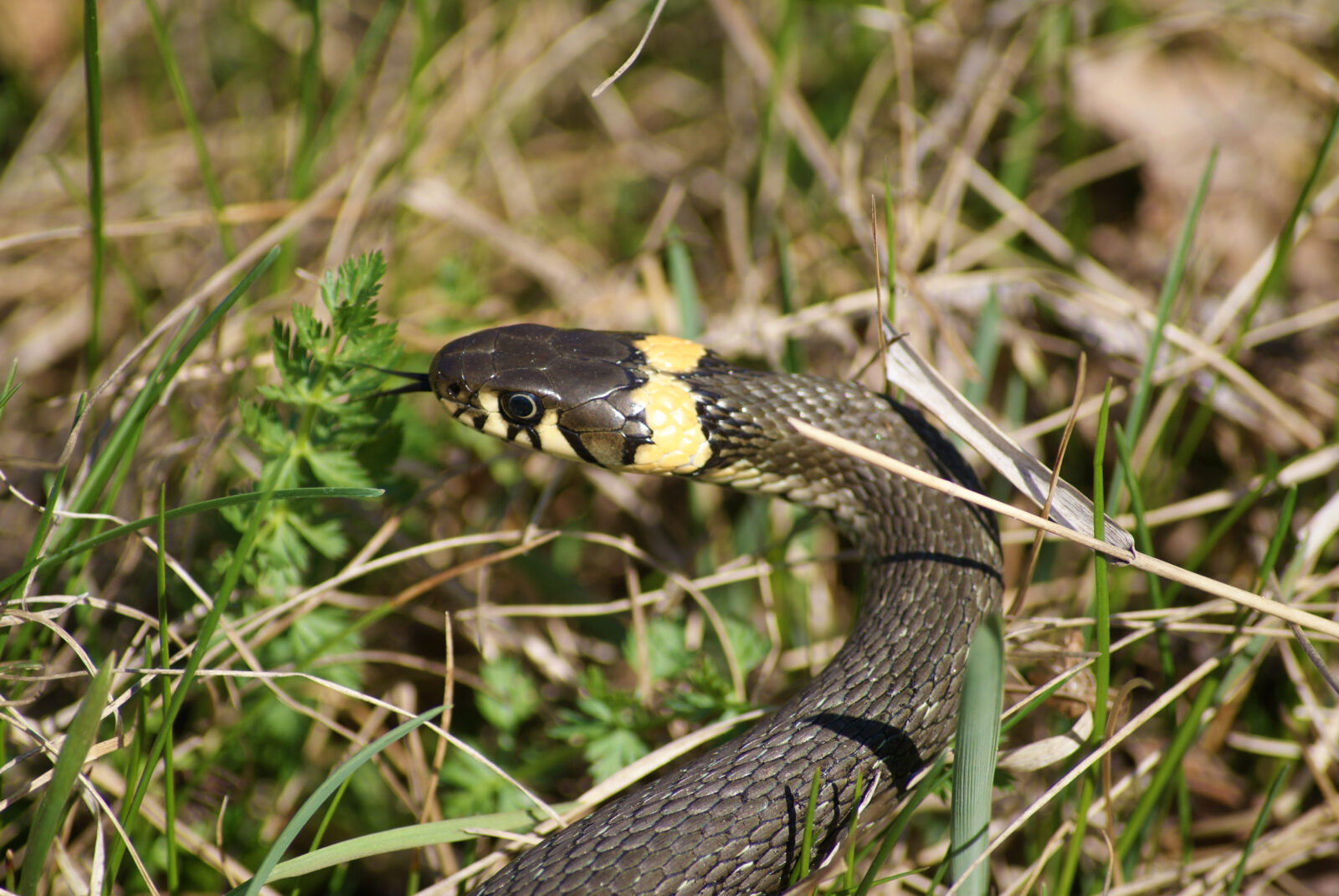
Many people consider an encounter with a snake highly unusual. A lot of gardeners are frightened of snakes, even though in most cases there’s no reason to panic. Grass snakes are non-venomous and would rather avoid people. In a garden, they may be drawn to a pond, damp corners, a pile of stones, or the compost heap. They’re beneficial because they hunt small animals, and their presence often suggests the garden isn’t overloaded with chemicals and is still maintaining a natural balance.
A toad or a newt can also be an unexpected visitor. Especially after rain, these animals set off on the move and may turn up where you’d least expect them. While they don’t look showy, they’re extraordinarily interesting in the way they live—and they’re also very sensitive to environmental quality. Their presence is more a piece of good news than a problem.
Small mammals hardly anyone ever sees
A truly unusual garden resident can be a shrew. This tiny mammal is often mistaken for a mouse, but it’s quite different. It has a longer, pointed snout, is extremely active, and feeds mainly on insects. Seeing a shrew in daylight is rather rare, because it moves quickly and hides under leaves, boards, or along low walls. Still, it’s one of those creatures that can bring a garden to life in a way most people barely notice.
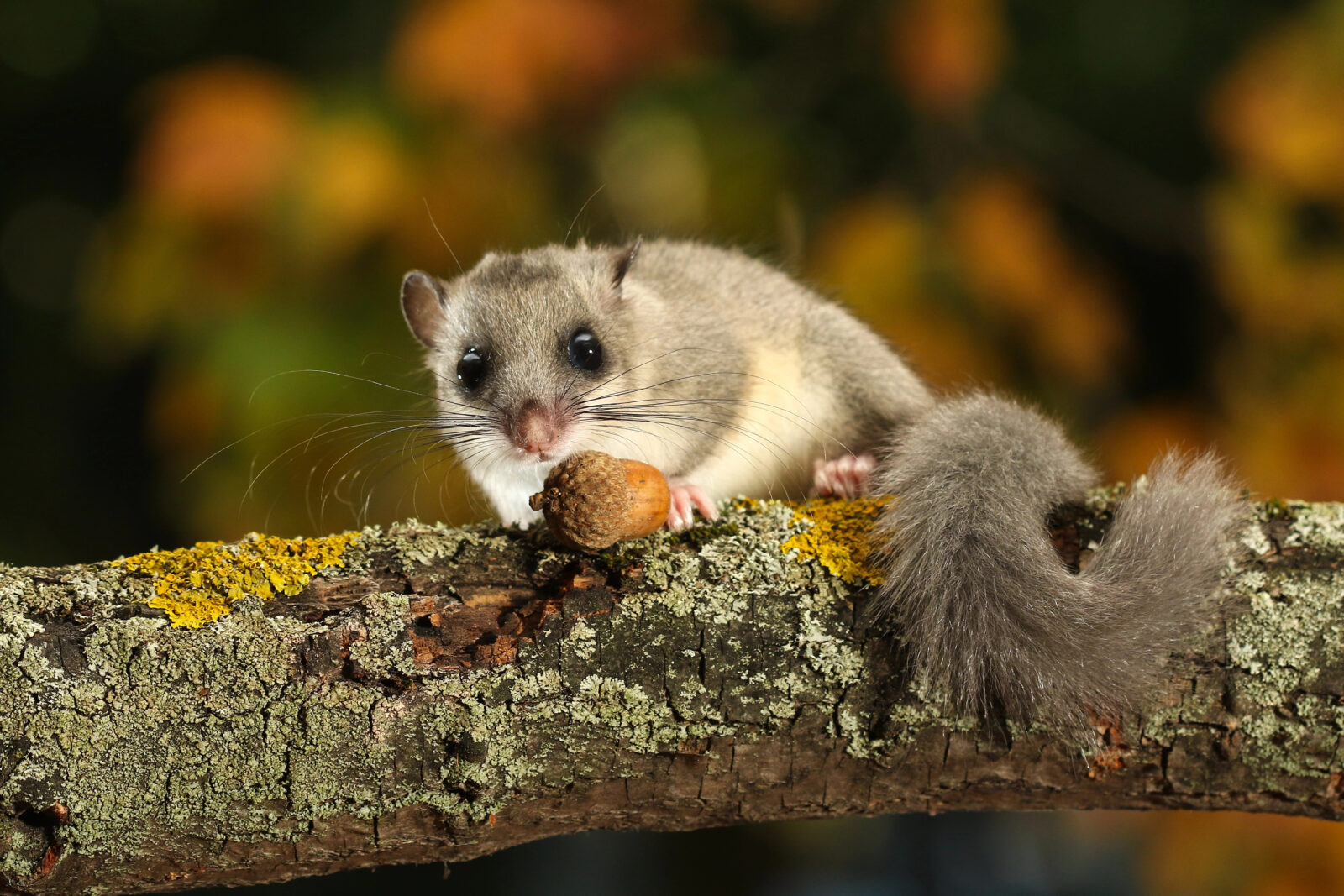
Even more surprising can be a dormouse, especially in areas near orchards and older trees. It’s an animal many people know more from books than from experience. If the garden has tree cavities, dense growth, and peace and quiet, it may appear at least temporarily. But its nocturnal habits mean its presence is often revealed only by sounds or nibbled fruit.
What it means when an unexpected animal appears in your garden
The presence of an unusual animal doesn’t have to mean danger or disorder. More often, it’s a sign that the garden offers variety, shelter, and food. Modern landscapes are poor and fragmented for many species, which is why private gardens are becoming important islands of life. An old tree, an unmown corner, a dish of water, or a compost heap can matter to wildlife far more than we realise.
What people perceive as an unusual animal is often simply a reminder that nature is still finding its way into places we think of mainly as our own.
How to behave during an unexpected encounter
The best response is calm and keeping your distance. Don’t try to catch the animal, chase it off by shouting, or deliberately block its escape route. Most of these visitors don’t want contact with people and will disappear on their own. If it’s a protected species or an injured animal, it’s better to contact specialists. Unnecessary interference can harm the animal and create more trouble for you than it’s worth.
A garden can be a surprisingly rich place to meet creatures that awaken curiosity, respect, and joy. That’s where its magic lies. You never quite know who will dart beneath a tree at dusk, who will hide by the pond, or who will choose your hedge as a safe stopping point on a quiet journey through the landscape.
Source: Nature, Blíž přírodě, Myslivost, Pestrá zahrada, Pestrazahrada.cz

A lover of nature, gardens, and everything that moves, blooms, or grows. He literally grows everything, from herbs to rare species, and he enjoys caring for animals just as much. In his work, he connects modern technology with tried-and-tested grandmotherly methods and is happy when both paths lead to the same goal.
Related articles
You Can’t Do Everything on Your Own Garden Four Situations Where Simple Neglect Becomes a Costly Mistake
A garden may feel like a private world, but it still comes with legal responsibilities. Neglected weeds, burning green waste, invasive plants, or unmanaged boundary trees can all lead to complaints and hefty fines.
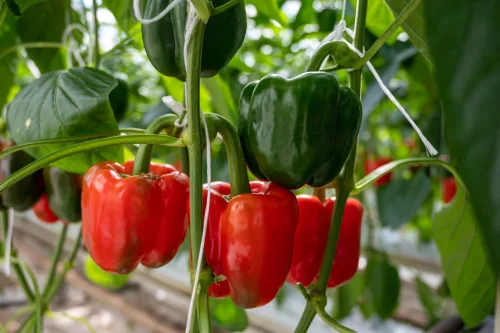
Ten smart companion plants for peppers that naturally boost healthy growth and higher yields
Sweet or hot peppers thrive with the right neighbours. Companion planting can reduce pest pressure, support healthier growth, and often deliver a heavier harvest—without relying on unnecessary chemicals.
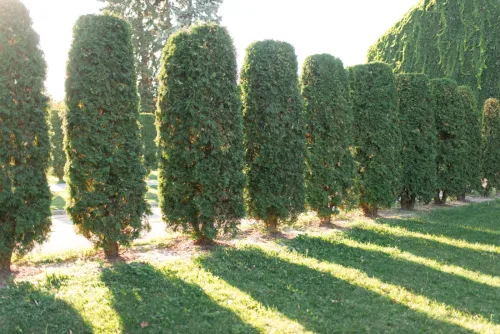
Cutting Down Thuja in Your Own Garden You Could Face a Fine of Tens of Thousands if You Don’t Check One Key Detail
Many homeowners assume they can remove trees and hedging on their own land without restrictions. But even common thuja can fall under rules that require notification or a permit, and the fines for getting it wrong can be steep.
Comments (0)
Be the first to comment.