
 English
 Polski
 Deutsch
 Nederlands
 Svenska
 Norsk
 Dansk
 Français
 Italiano
 Español
 Português
 Slovenčina
 Suomi
 Gaeilge
When to Plant a Cherry Tree in Your Garden for Strong Roots and Heavy Crops
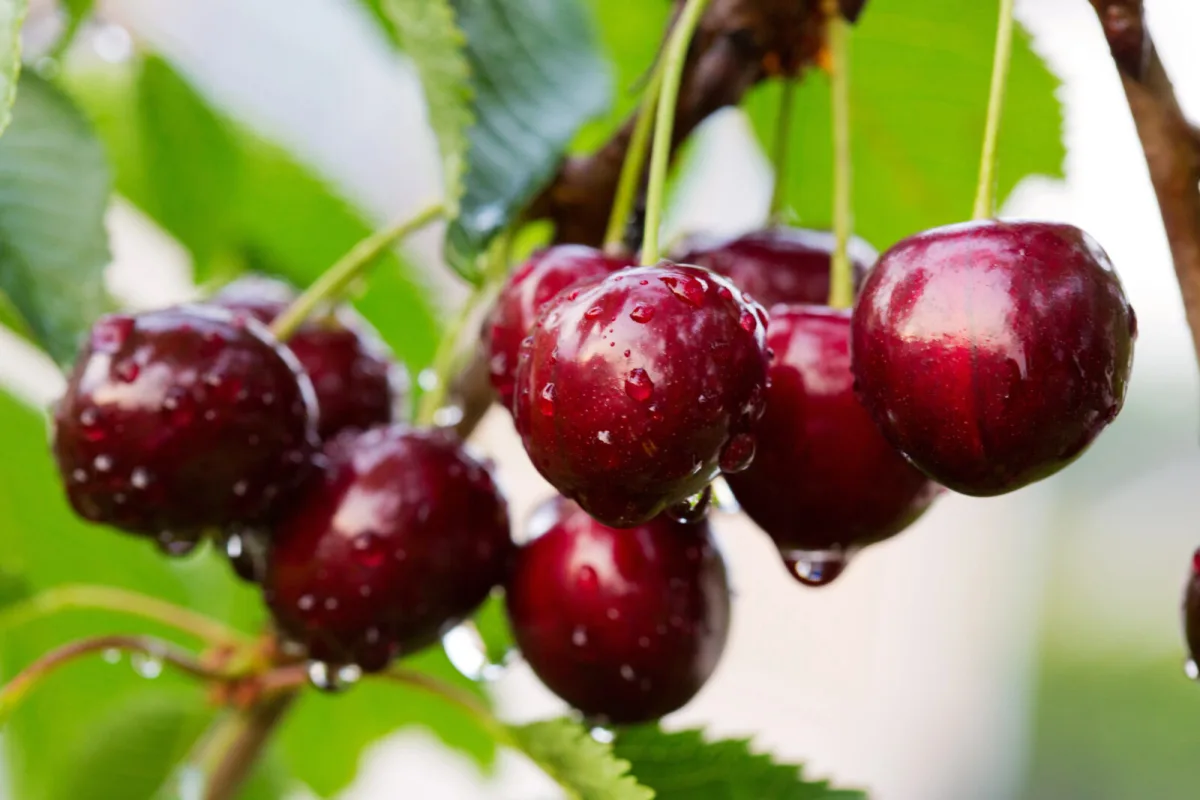
Cherry trees are most often planted during dormancy, meaning in autumn after the leaves have fallen or in early spring before bud break. Either option can work well as long as the soil is not frozen, waterlogged, or overly heavy. The right timing is not decided by the calendar alone, but also by the weather, your garden’s position, and the condition of the young tree itself.
The type of tree also plays an important role. Bare-root trees are best planted during the dormant period. Container-grown trees offer more flexibility, but even with them it still holds true that milder conditions without extreme drought or heat are an advantage.
Autumn planting and its advantages
Autumn is often an excellent time for cherry trees, especially bare-root stock. After summer, the soil is still relatively warm and often naturally moist, so the roots can start working before the top growth really gets going in spring. This helps the tree enter the new season better established.
After planting, water thoroughly and protect the base of the tree from hard frost. In colder areas or exposed, windy sites, it pays to be more cautious. If there is a risk of early severe frosts, prolonged waterlogging, or rapid soil freezing, it is usually wiser to wait until spring.
Spring planting as a safer choice in colder areas
In spring, plant cherry trees as soon as possible after the soil has thawed and dried slightly. Avoid planting into mud or very wet ground, as compacted soil reduces air access to the roots. The tree should be planted before it begins to break strongly into growth and put on new shoots.
Spring planting is particularly suitable where autumn turns quickly into winter and frosts arrive early. The advantage is a lower risk of winter damage to a newly planted tree. The downside is a greater need for watering. If a dry spell follows planting, a young cherry with insufficiently developed roots will feel the lack of water very quickly.
Can you plant a cherry tree in summer
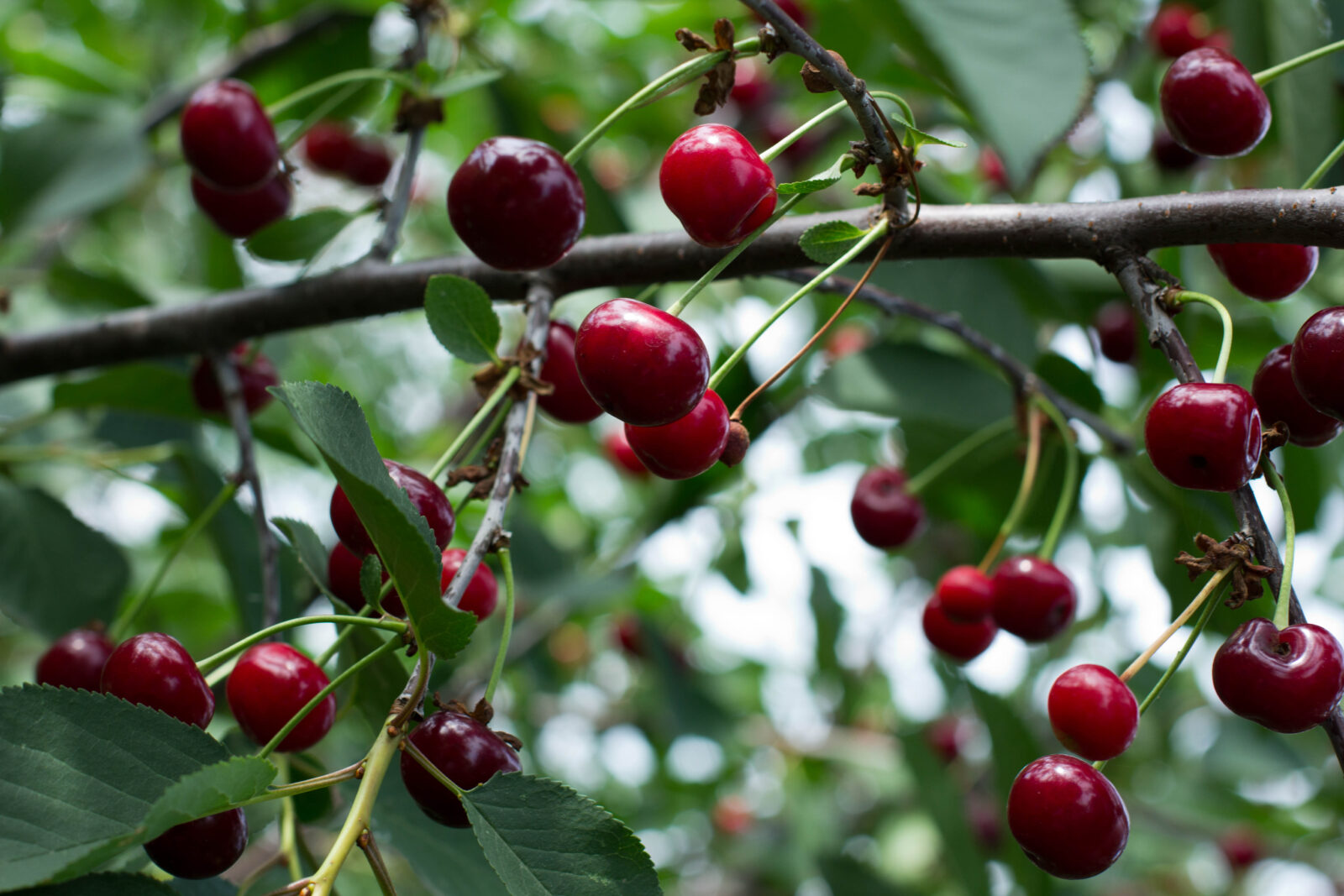
In summer, only container-grown trees can be planted. Even then, it is not an ideal time because heat and dry soil increase the risk of wilting and stress. It’s best to choose a cooler or overcast day and avoid disturbing the root ball. After planting, thorough watering is essential, and a layer of mulch can also help by retaining moisture.
Bare-root trees should not be planted in summer, because their roots dry out easily and the plant is fully active at that time.
How to choose the right spot for a cherry tree
A cherry tree needs plenty of light, warmth, and shelter. It performs best in a sunny position protected from strong winds. Unsuitable are frost pockets where cold air collects and where spring blossoms can be damaged by late frosts.
The soil should be fertile, free-draining, and evenly moist. Cherry trees do not tolerate prolonged waterlogging, so they are not ideal for heavy clay soils or wet ground. Before planting, it’s worth removing perennial weeds and loosening the soil over a wider area, not just in the planting hole itself.
What to look for when choosing a young tree
When buying, check the roots, the trunk, and the graft union. Roots should be fresh, firm, and free of rot or severe drying out. The trunk should not have deep wounds, cracks, or suspicious oozing. With bare-root trees, it’s important to plant as soon as possible after purchase and protect the roots from drying out until then.
Choosing the variety also matters. Some sweet cherry varieties need a pollinator, meaning another suitable variety that flowers at the same time. Without this, the crop may be poor even if the tree is healthy and well planted.
The correct planting method step by step
The planting hole should be spacious enough for the roots to spread naturally without bending or forcing them in. If the roots are slightly dry, a short soak in water will help. For container-grown plants, it’s best to water the entire root ball well before planting.
Set the tree so the root collar sits level with the surrounding ground. The graft union must remain clearly above the soil surface. Backfill gradually and firm the soil lightly so no large air pockets remain around the roots. Finally, water the cherry tree generously, even if the soil seems moist.
You can mulch around the trunk with organic material, but the mulch must not touch the trunk directly. In a windy site, a support stake helps; tie the young tree so it is stable, but the tie does not damage the bark.
Aftercare determines whether the tree establishes
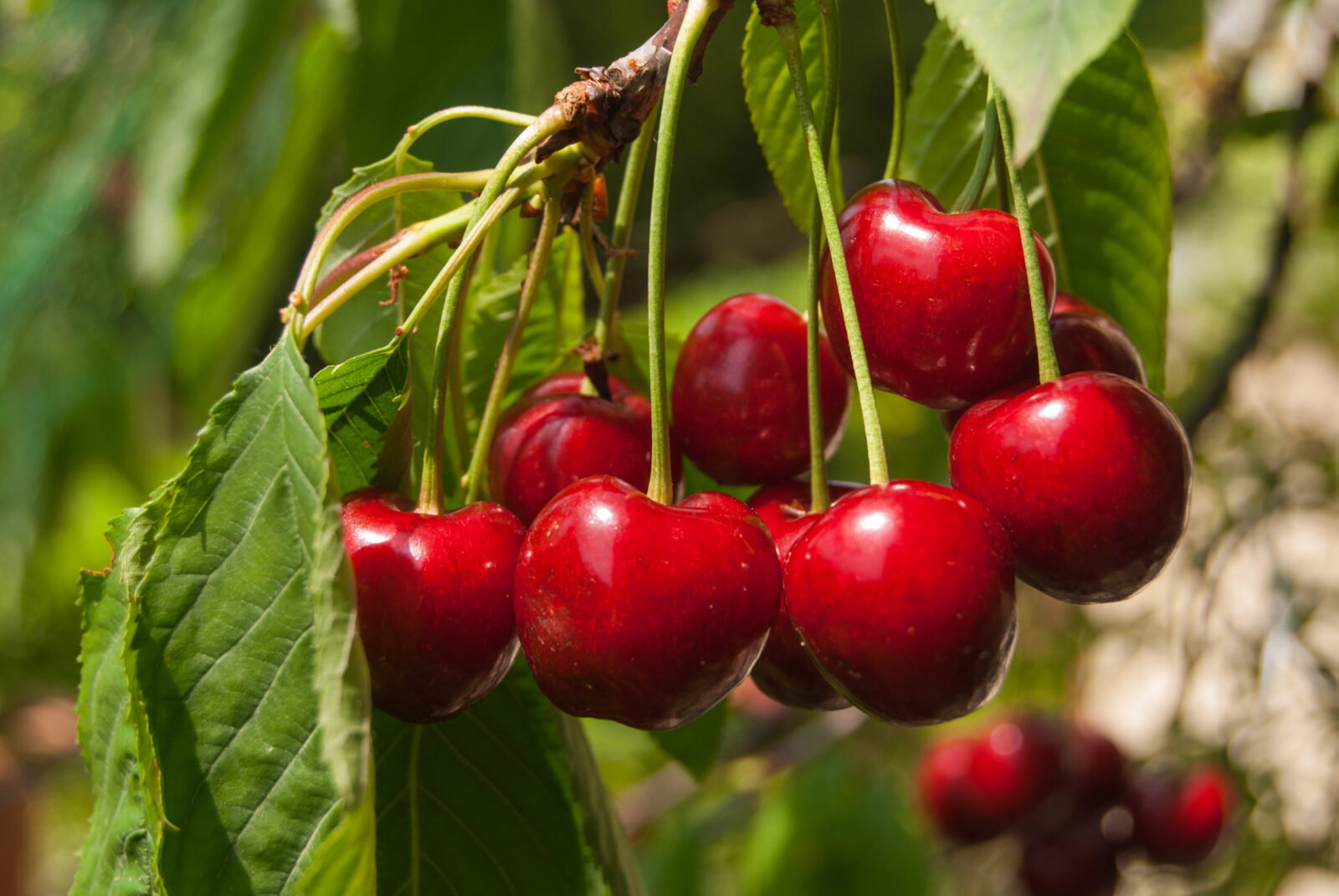
In the first year after planting, the most important things are regular checks of soil moisture, protecting the trunk, and keeping the area free of weeds. It’s better to water less often but thoroughly than to just dampen the top layer of soil. In autumn, protect the lower part of the young tree from frost and also from browsing by wildlife.
In spring, check that frost hasn’t heaved the tree out of the soil and that the graft union is still above ground. There’s no need to rush fertilising. Fertiliser applied too early or too heavily, especially nitrogen, can damage young roots or encourage growth at the wrong time.
What to remember before planting
Cherry trees are most often planted in autumn or early spring. Autumn supports rooting, while spring is usually more reliable in cooler regions and exposed locations. But success isn’t decided by timing alone. Equally important are a healthy young tree, a sunny and free-draining site, correct planting depth, and follow-up watering. If you meet these conditions, you’ll give your cherry tree the best foundation for healthy growth and future harvests.
Source: Kiedy Sadzic, Pestrazahrada.cz

A lover of nature, gardens, and everything that moves, blooms, or grows. He literally grows everything, from herbs to rare species, and he enjoys caring for animals just as much. In his work, he connects modern technology with tried-and-tested grandmotherly methods and is happy when both paths lead to the same goal.
Related articles
Plant Garlic Now Cool Soil Protects It From Rot Depth and One Small Mistake Matter
November may be quieter in the garden, but it’s prime time to prep beds and plant garlic. Cooler soil helps reduce rot, and correct planting depth plus good technique make all the difference.
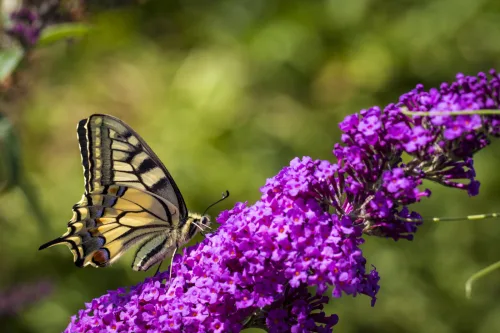
When to Plant a Butterfly Bush for Heavy Bloom and Better Winter Survival
Butterfly bush (Buddleja davidii) rewards you with months of flowers when it’s planted at the right time. Spring planting is usually the safest choice, giving the shrub time to root well before winter.

In Mid-November You Can Still Safely Plant Trees, Fruit Bushes and Roses
Mid-November can still be a good time for planting, provided the soil isn’t frozen and can be worked. With sensible aftercare and frost protection, woody plants, fruit trees and bushes, and even roses can settle in well before winter.
Comments (0)
Be the first to comment.