
 English
 Polski
 Deutsch
 Nederlands
 Svenska
 Norsk
 Dansk
 Français
 Italiano
 Español
 Português
 Slovenčina
 Suomi
 Gaeilge
Eucalyptus can be quite demanding, the right pruning and care are the key to healthy growth
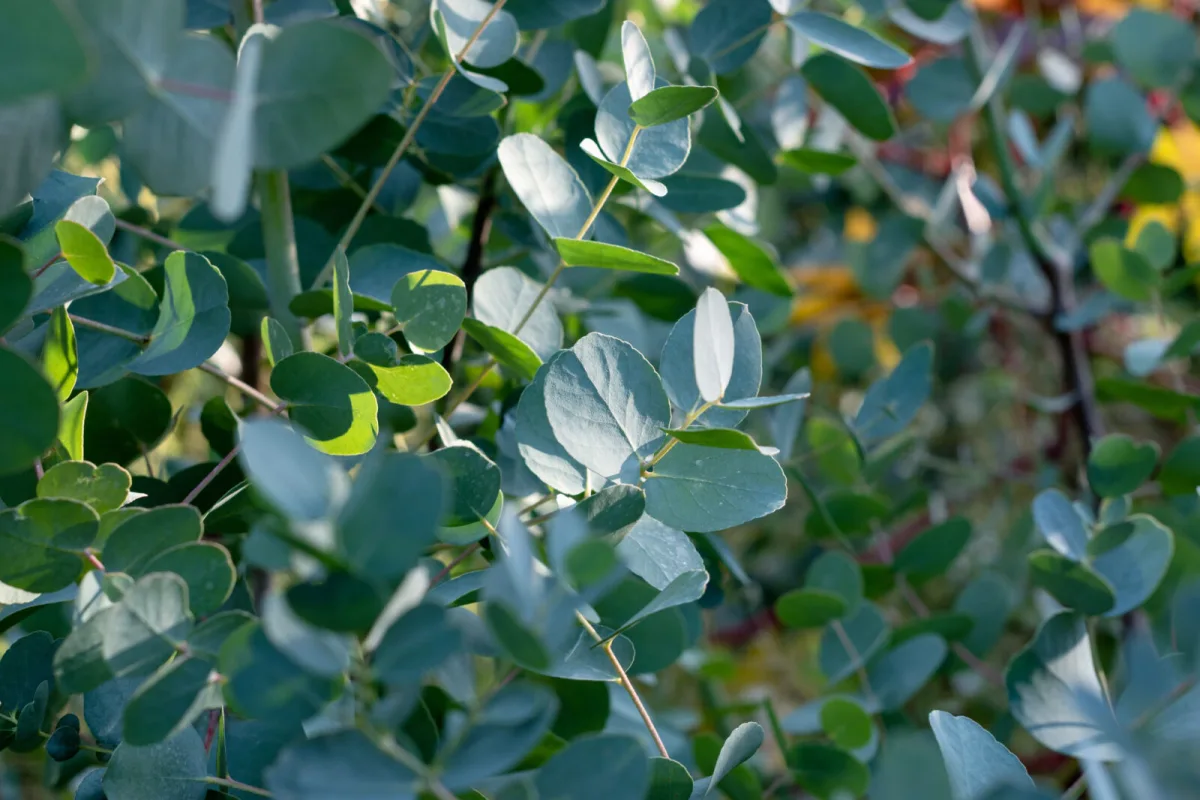
Eucalyptus can make a striking specimen in the garden, a living screen, or a neatly maintained shrub. To keep a good shape, a sturdy trunk and a long lifespan, it’s important to choose the right pruning method and, above all, the right timing. With this genus, it’s not true that it will tolerate pruning at any time. On the contrary, an ill-timed cut in late summer, autumn or winter can seriously weaken the tree and sometimes even kill it.
Basic rules for safe pruning
Eucalyptus usually doesn’t need frequent intervention, but light shaping benefits it. Always use sharp, clean tools so you don’t tear the thin bark. Make clean, angled cuts as gently as possible, without damaging the trunk or major branches. When shortening growth within the crown, it’s best to cut just above a bud. It’s sensible to treat larger wounds with a wound sealant, as this reduces the risk of infection.
It’s important to encourage one strong central leader and not to leave branches with poor, weak crotch angles. With young trees it’s better to make small adjustments as you go than to remove thick branches later on.
A young tree needs patience
In the first two to three seasons, it’s best to leave side branches on the trunk. Even though they may look untidy, they help the tree build energy, strengthen tissues and prevent the crown from becoming too heavy. Removing these branches too early can weaken the trunk and increase the risk of windthrow.
If you want to train a naturally shrubby species into a single-stem tree, don’t remove the lower growth all at once. It’s better simply to pinch back shoot tips and keep them shortened. As the tree matures, many of these branches will shed naturally over time. Dead or damaged branches, however, should always be cut back to healthy wood.
When to prune eucalyptus
The most important periods fall in spring. The first main window is around mid-March to early April, when you can carry out structural pruning and, if needed, cut into older wood. The second suitable time is late May or early June, when you shorten only the new growth and encourage denser branching.
After mid-July, more substantial pruning is no longer recommended. In autumn and winter, eucalyptus heals poorly and frost can damage the bark as well as fresh cuts. The exception is growing for cut foliage for floristry, where the approach differs, but even then you need to allow for a higher risk of losses.
Which shape works best
The crown should be wider at the bottom, narrower at the sides, and rather flatter on top. This shape allows light to reach the whole plant. If the top is too broad and the lower part is shaded, the tree will gradually start dropping its lower branches.
Long-term training based on how you grow it
A specimen tree is managed differently from a living screen or a standard (lollipop) shrub. With taller screens, it’s a good idea each spring to assess last year’s growth and shorten the tree by a similar amount before mid-April. At the end of May you can lightly tidy the new shoots again.
With smaller trees kept as compact standard shrubs, the method is similar, only the new growth is cut back more firmly. With hedges, you need to keep the base wider than the top and respect nesting birds. Specimen trees can tolerate a more dramatic intervention once every few years, provided you then carefully select new, well-placed shoots to form the next framework of the crown.
Eucalyptus in a container
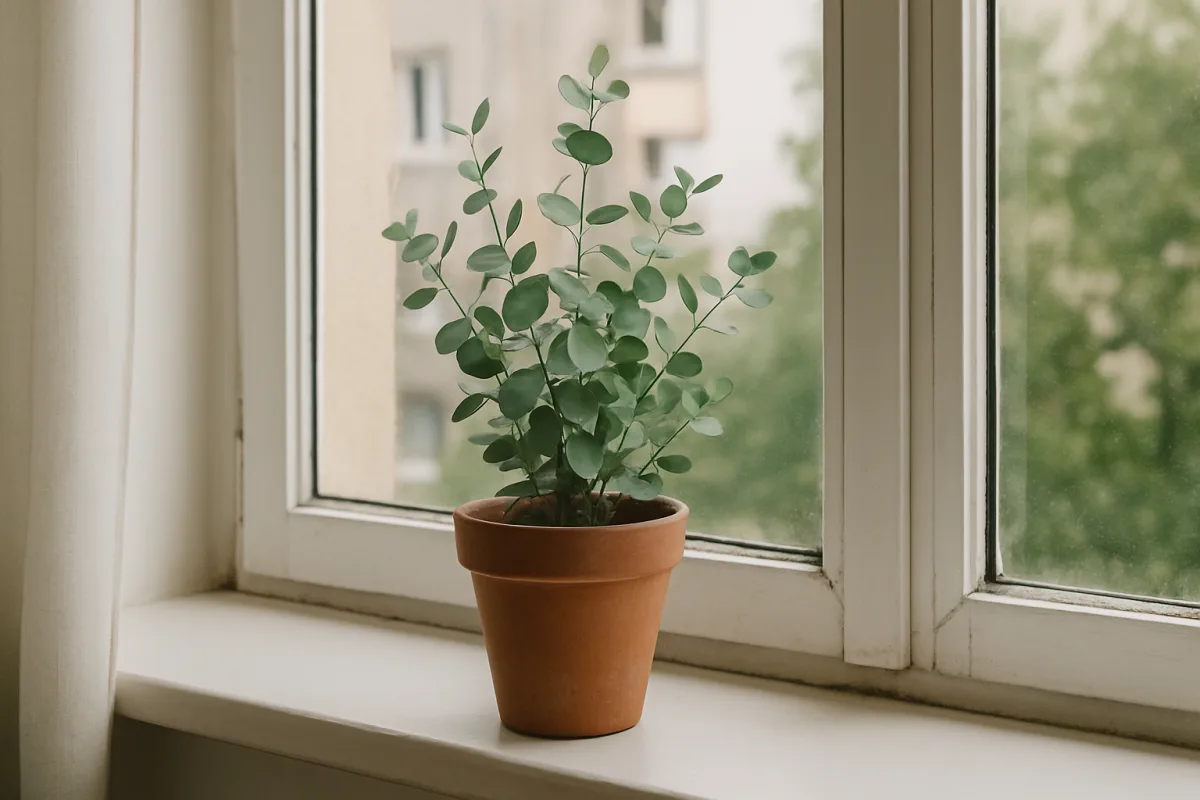
Plants grown in pots are best not pruned in autumn or winter. Stick to spring and early-summer timing. They need regular repotting into a larger container, fresh compost, feeding during the season, and generous watering from spring to autumn. With plants that have limited root space, hard pruning can trigger a sharp setback.
Neglected and overgrown trees
With older trees that haven’t been maintained for a long time, a drastic cut is often necessary. It’s better to leave this to a professional. Large cuts carry a higher disease risk and can shorten the tree’s life. Even so, eucalyptus can often reshoot strongly after a hard prune. The result, however, is rarely as elegant as with a tree that has been properly trained from a young age.
The best approach is to choose a suitable species for the site and start shaping early, before the tree outgrows its space.
The difference between coppicing and pollarding
With eucalyptus, two methods are often discussed. The first is coppicing close to the ground; the second is cutting higher above ground to a permanent framework. Coppicing encourages lots of new shoots from the base and is used to reduce height, restore vigour, or when growing wood. Pollarding is useful where you want young decorative foliage, material for floristry, or to keep the plant as a smaller shrub.
When to coppice
With coppicing, you need to wait until the tree has a sufficiently thick trunk, ideally over 10 to 12 centimetres at the base. Only then does the root system have enough reserves to reshoot. A tree that is too young may die after this kind of cut. Prune from early March to early April. Leave the stump low above the ground, roughly 10 to 12 centimetres, if the aim is vigorous regrowth or firewood.
When to choose pollarding
If you want young shoots with decorative foliage or you want to keep the plant to a sensible size, cut at a height of roughly 90 to 120 centimetres. After a few weeks, new shoots will appear and grow quickly through the summer. Higher shoots tend to be stronger, lower ones weaker. For floristry, stems are harvested once mature from autumn into late winter.
Pruning in windy sites
In open, windy positions, regular shortening of new growth helps reduce stress on the crown and encourages a stronger trunk. Sometimes young trees are shortened for several years just before the windy season; other times, after two years of growing they are cut hard low above the ground so they rebuild a sturdier base. The aim is to reduce wind resistance in the crown and give the roots time to strengthen.
If the tree is leaning due to wind, it’s not a good idea to tie it rigidly to a stake with no movement. Eucalyptus needs a little sway, which strengthens the trunk. A flexible support is better, along with checking the rootball has settled properly, topping up mulch, and easing the crown with balanced pruning.
Hedges and evergreen screens
Some eucalyptus species take clipping well and can be formed into a looser hedge or a multi-row screen. They’re usually kept at around 2 to 4 metres, depending on the species and the space available. Overly dense planting isn’t suitable, because the trees then draw their crowns upwards, lose lower branches and thicken less.
In the first years, watering in dry spells, regular mulching and feeding during the growing season are important. Plants managed this way tend to be hardier, more compact, and cope better with winter.
Aftercare following pruning
After a heavier intervention, it’s worth feeding the eucalyptus and watering well during active growth. A tree that is regularly shaped uses a lot of energy to rebuild. Proper nutrition in April, June and late summer helps maintain good condition. After that, it’s best to leave the plant alone until the next suitable spring window.
Source: Hardy-Eucalyptus, RHS , Pestrazahrada.cz

A nurse by profession, she is passionate about healthy living, nature, and everything that benefits both people and the world around them. In her free time, she enjoys gardening, cooking, sewing, and caring for her family. In her articles, she loves combining professional expertise with practical experience from the garden and everyday life.
Related articles
How to Get a Christmas Cactus to Bloom Right on Time for the Holidays
A Christmas cactus will only flower on schedule if it gets the right cues well in advance. Cool temperatures, long uninterrupted darkness, and plenty of bright light through the year make all the difference.
Three simple steps to help rhododendrons and azaleas survive winter and flower at their best in spring
A few well-timed autumn jobs make a real difference to rhododendrons and azaleas. Protect the shallow roots, tidy the plant lightly, and keep watering so shrubs head into winter strong and ready to bloom.
Is your oleander dropping leaves in winter It might not be a problem the mistake is what you do next
Oleander can shed some leaves in winter as part of its natural rest period. With cool, bright overwintering and careful watering, it will rebound in spring and flower well in summer.
Comments (0)
Be the first to comment.