
 English
 Polski
 Deutsch
 Nederlands
 Svenska
 Norsk
 Dansk
 Français
 Italiano
 Español
 Português
 Slovenčina
 Suomi
 Gaeilge
Do You Prune Roses in Autumn You Might Be Doing More Harm Than You Think
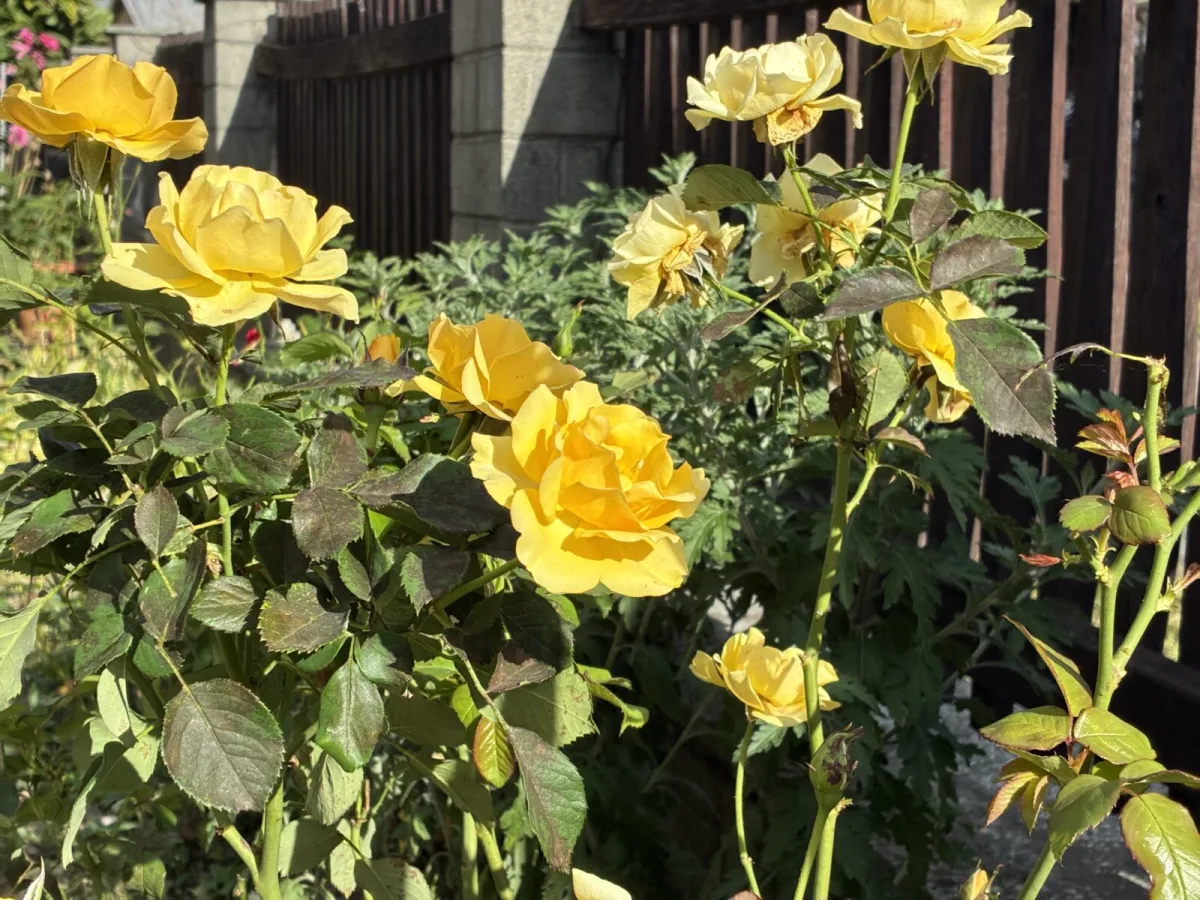
Roses are among the most popular ornamental plants, and they hold their appeal whatever your garden style. They suit formal beds, cottage gardens, and naturalistic corners alike. In autumn, though, many growers hesitate over what to do so they don’t harm the plants. The most common questions are always the same: prune, feed, protect from winter, or simply leave the plant alone?
Autumn rose care can be summed up in two main goals. The first is to help the shrub ease gradually into dormancy. The second is to prepare it for winter and protect sensitive parts from weather swings. Follow these principles and your roses will go into the next season in noticeably better condition.
Let roses finish the season naturally
Stop deadheading
Through summer, spent blooms are routinely removed to encourage roses to set more buds. In autumn, it’s better to do the opposite. The plant should no longer be pushed into producing new, soft growth that the first cold snap can easily damage. So if you’ve been snipping off flowers as you go, late summer is the time to stop.
Stop feeding
It’s just as important to stop fertilising in good time. A late dose of nutrients can kick a rose back into growth just when it ought to be settling down. A practical rule is not to feed for at least eight weeks before the expected first frost. Who would feel like going to sleep if they kept getting another burst of energy? That’s exactly what autumn feeding does to roses.
Rose hips aren’t just decorative
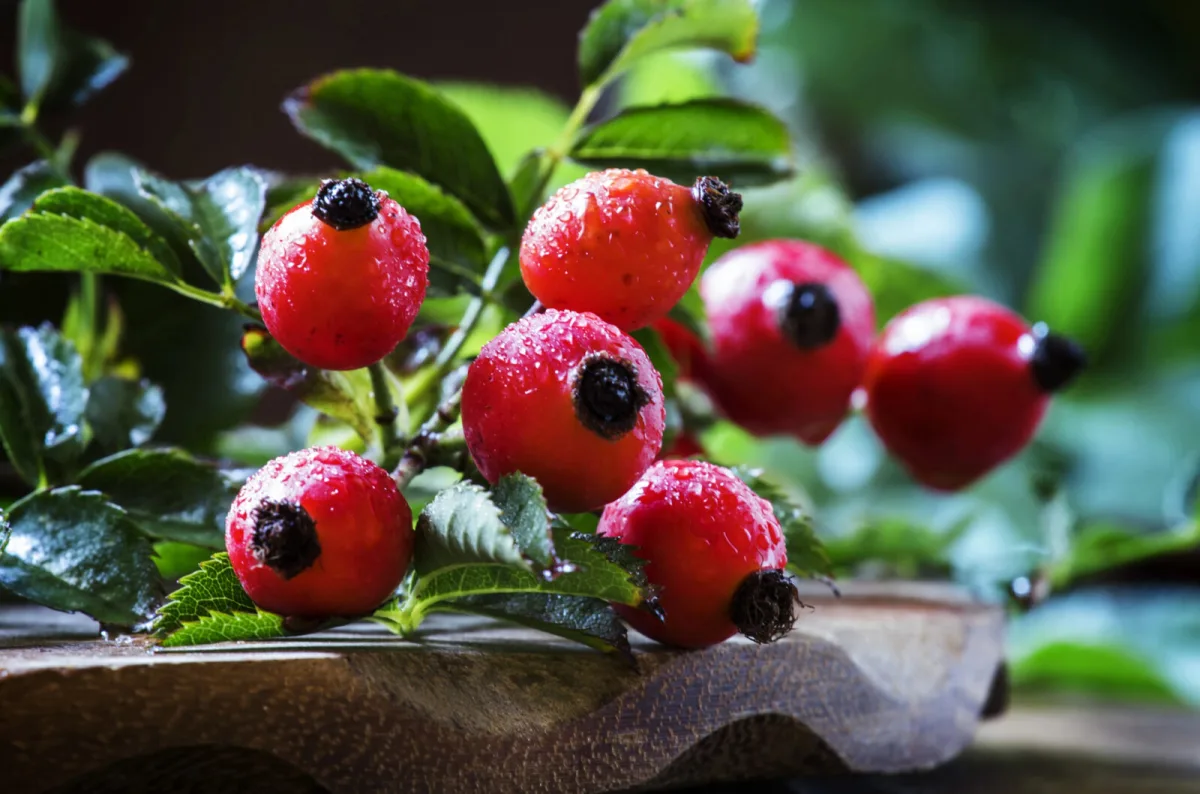
Once you stop removing spent blooms, the last flower clusters can turn into rose hips. They’re not only attractive, but useful too. On species roses, old garden types, or the so-called apothecary rose, they tend to be larger and more noticeable, but all roses form them to some extent.
Rose hips serve several purposes in the garden. In winter they provide food for birds, which search for every source of energy in the cold months. They also remain on the shrub after the leaves have dropped, adding a strong splash of colour in an otherwise bare garden. And finally, they can be used at home as they contain plenty of vitamin C and other beneficial compounds.
They’re ready to harvest once they colour up to a deep red or orange, depending on the variety. If you want to dry them for tea or other uses, they should come from roses that haven’t been treated during the season with unsuitable chemical sprays.
Autumn tidy-up yes, hard pruning no
Save any major pruning for late winter
Autumn isn’t the right time for shaping or rejuvenation pruning. That’s done later, just before new growth begins. If you cut roses back too early, you can trigger unwanted new shoots all over again.
Remove only what’s necessary
That doesn’t mean you mustn’t touch your roses at all. A light, hygienic tidy makes sense. Remove dry, broken, diseased, or badly damaged stems. If two shoots rub against each other or cross, it’s best to remove one, usually the weaker one. Rubbing in the wind creates wounds that diseases can enter through.
Cuts should be clean, made at a slant, and just above a bud. The more accurate the cut, the less stress on the plant.
Watch out for black spot
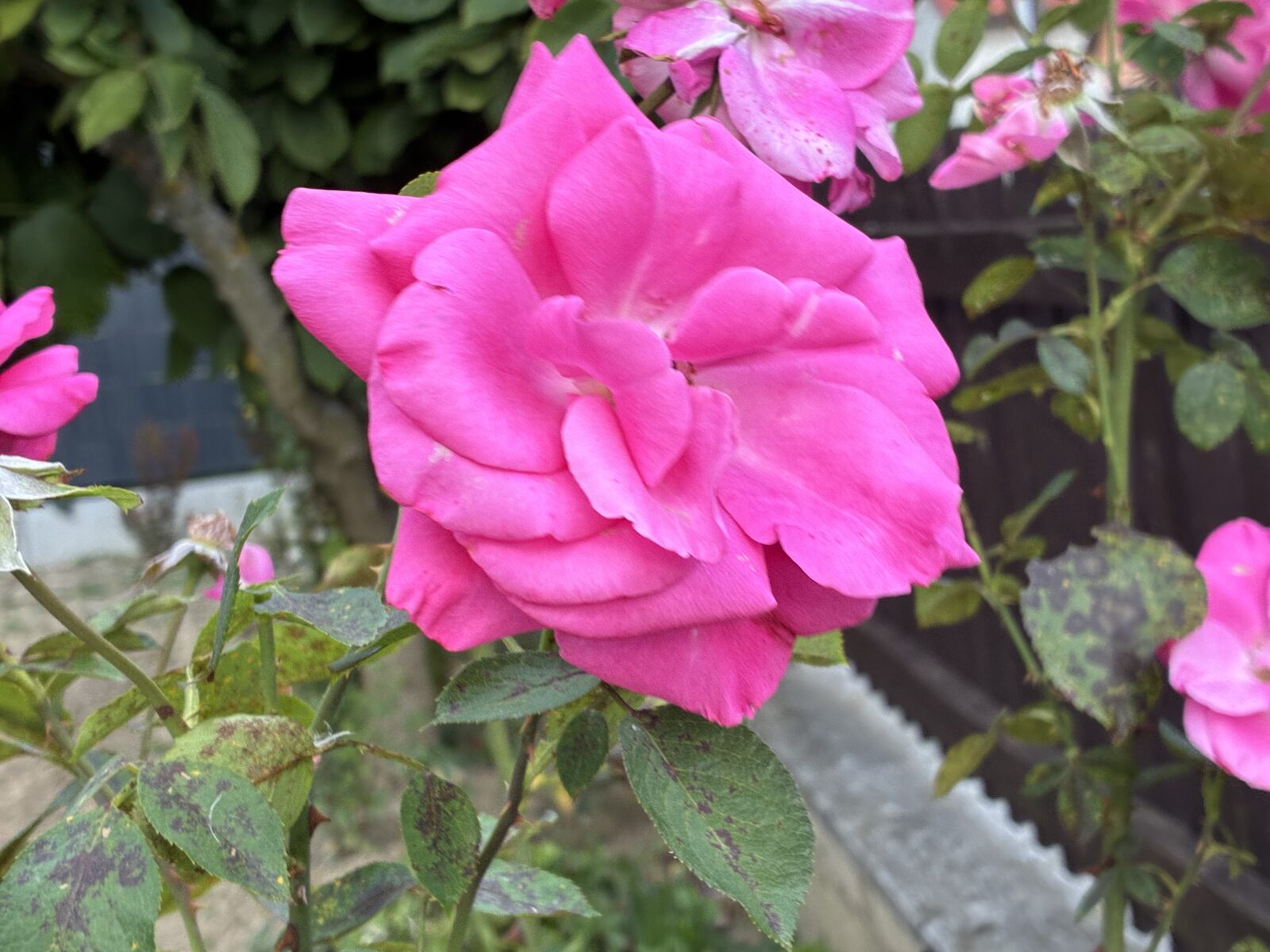
A very common issue is rose black spot. It often shows up in autumn and in many gardens it’s almost unavoidable. Infected leaves, including those that have fallen under the shrub, are best collected and thrown in the bin. They don’t belong in the compost, as the disease could continue to spread.
Protect tall roses from winter wind
Most roses don’t need this step, but there are situations where it’s very helpful. It mainly applies to tall shrubs in exposed spots where winter winds are strong and the plant isn’t supported by a wall, pergola, or other structure. Long stems then sway constantly in the wind, gradually disturbing the roots and potentially weakening the whole plant.
In that case, it helps to shorten roughly the top third of the stems. This isn’t a classic hard prune, but a protective shortening that reduces strain on the plant during winter storms.
The most important protection is at the base of the shrub
What often makes winter difficult for roses isn’t just frost itself, but the constant switching between temperatures above and below freezing. These swings damage the root system and the graft union. The best defence is a layer of material that covers the soil and helps keep conditions more stable.
In autumn it’s a good idea to spread a thicker layer of well-rotted compost around the roots. It won’t drive the rose into fast growth, but it will steadily improve the soil and support soil life. You can add a mulch of leaf mould or dry leaves on top of the compost. This cover helps retain moisture, limits sharp temperature changes, and partly reduces the splash-back of fungal spores from soil onto leaves.
Do roses need extra winter protection
For many modern varieties, compost and mulch will be completely sufficient. Some more tender groups, especially in very cold regions, may need more thorough protection. This mainly applies to hybrid teas, floribundas, and grandifloras where winters are severe.
Once the ground has frozen, you can make a protective collar around the shrub and fill it with soil, straw, shredded leaves, or woodchip. Another option is simply to mound a little hill of soil and compost up around the plant. The aim isn’t to keep the rose warm, but to hold it in an evenly cold environment and prevent damage from repeated freezing and thawing.
Whatever you mound up around a rose in autumn needs to be removed in good time in spring, before new growth begins.
Autumn is also the time for new roses
Alongside caring for established shrubs, autumn is also ideal for planting new bare-root roses. These plants are set out during dormancy and have time to settle into the soil over winter. In spring they get going faster and often flower by summer.
Good compost helps at planting time, as do mycorrhizal fungi, which support stronger rooting. With grafted roses, it’s important that the graft union sits slightly below soil level. This protects it better from temperature swings and drying out.
A rose that rests is strongest in spring
Autumn care for roses doesn’t have to be complicated if you remember the basic principle. Don’t keep pushing the plant into growth; instead, let it move calmly into its winter rest. At the same time, protect what matters most, the base of the shrub and the roots. If you remove diseased parts, leave the hips, avoid unnecessary pruning, and mulch properly, your roses will reward you in spring with healthier growth and more generous flowering.
Source: Rural Sprout, Gardeners World, Pestrazahrada.cz

A nurse by profession, she is passionate about healthy living, nature, and everything that benefits both people and the world around them. In her free time, she enjoys gardening, cooking, sewing, and caring for her family. In her articles, she loves combining professional expertise with practical experience from the garden and everyday life.
Related articles

Is a Woodpecker Destroying Your Insulated Façade Here’s a Surprisingly Simple Fix
Woodpeckers can quickly turn an insulated façade into a patchwork of holes. Offering a more attractive food source away from the house may redirect their attention and reduce damage.
One mistake when winterising hydrangeas will cost you flowers
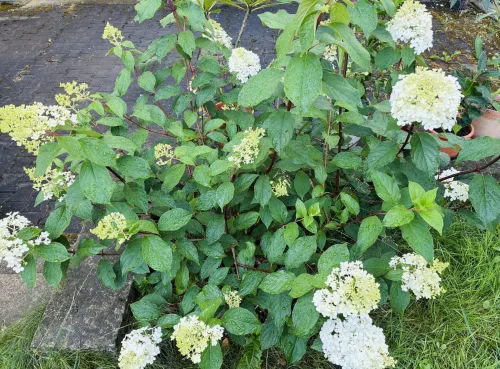
How your hydrangeas come through winter directly affects next season’s flowering. Don’t mulch too early, protect buds and roots from cold and wind, and avoid rushing pruning.
Don’t Throw Away Fuchsias After the Season With Proper Overwintering They’ll Bloom for Years
Most fuchsias don’t need to be replaced every year. With timely preparation, the right pruning, and frost-free winter storage, they’ll come back strong and flower beautifully for years.
Comments (0)
Be the first to comment.