
 English
 Polski
 Deutsch
 Nederlands
 Svenska
 Norsk
 Dansk
 Français
 Italiano
 Español
 Português
 Slovenčina
 Suomi
 Gaeilge
You Can’t Do Everything on Your Own Garden Four Situations Where Simple Neglect Becomes a Costly Mistake
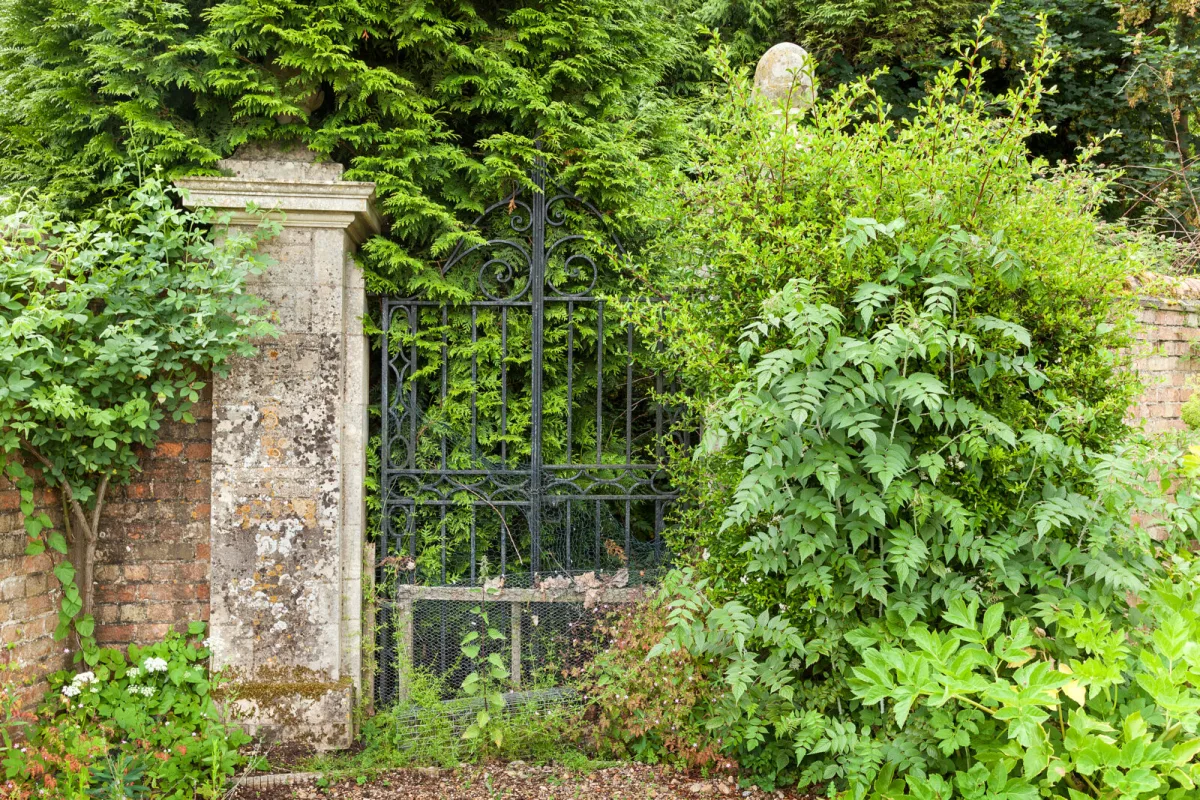
Many people see their garden as a purely private space where they can do whatever they think best. The reality is that looking after land comes with rules, and breaking them can be surprisingly expensive. It’s not only about serious offences or deliberate damage to nature. A fine can also follow for seemingly minor things such as neglected weeds, improper handling of green waste, or ignoring hazardous plants. In some cases, penalties can rise to as much as 100,000 CZK.
Lack of awareness is often the reason people get into trouble. They assume that what’s on their land is nobody else’s business. In fact, the law protects neighbours, public spaces, and the environment. And if your garden starts causing problems for those around you, the local council, authorities, or an unhappy neighbour may step in.
An overgrown garden can bring more than just embarrassment
An untended plot isn’t only an aesthetic issue. Weeds spread extremely easily—by wind, animals, and even on people’s shoes. Once they creep beyond your boundaries, they can make life difficult for neighbours and the municipality. Some local authorities therefore require landowners to maintain their plots regularly and prevent the spread of unwanted plants.
If an owner ignores warnings and allows the garden to become overgrown long term, they may face administrative proceedings. In repeat cases, fines running into tens of thousands of crowns are not uncommon. The most frustrating part is that it often takes very little to prevent it. Regular mowing, removing self-seeded saplings, and basic upkeep are usually the cheapest form of prevention.
Burning leaves and grass can turn out very expensive
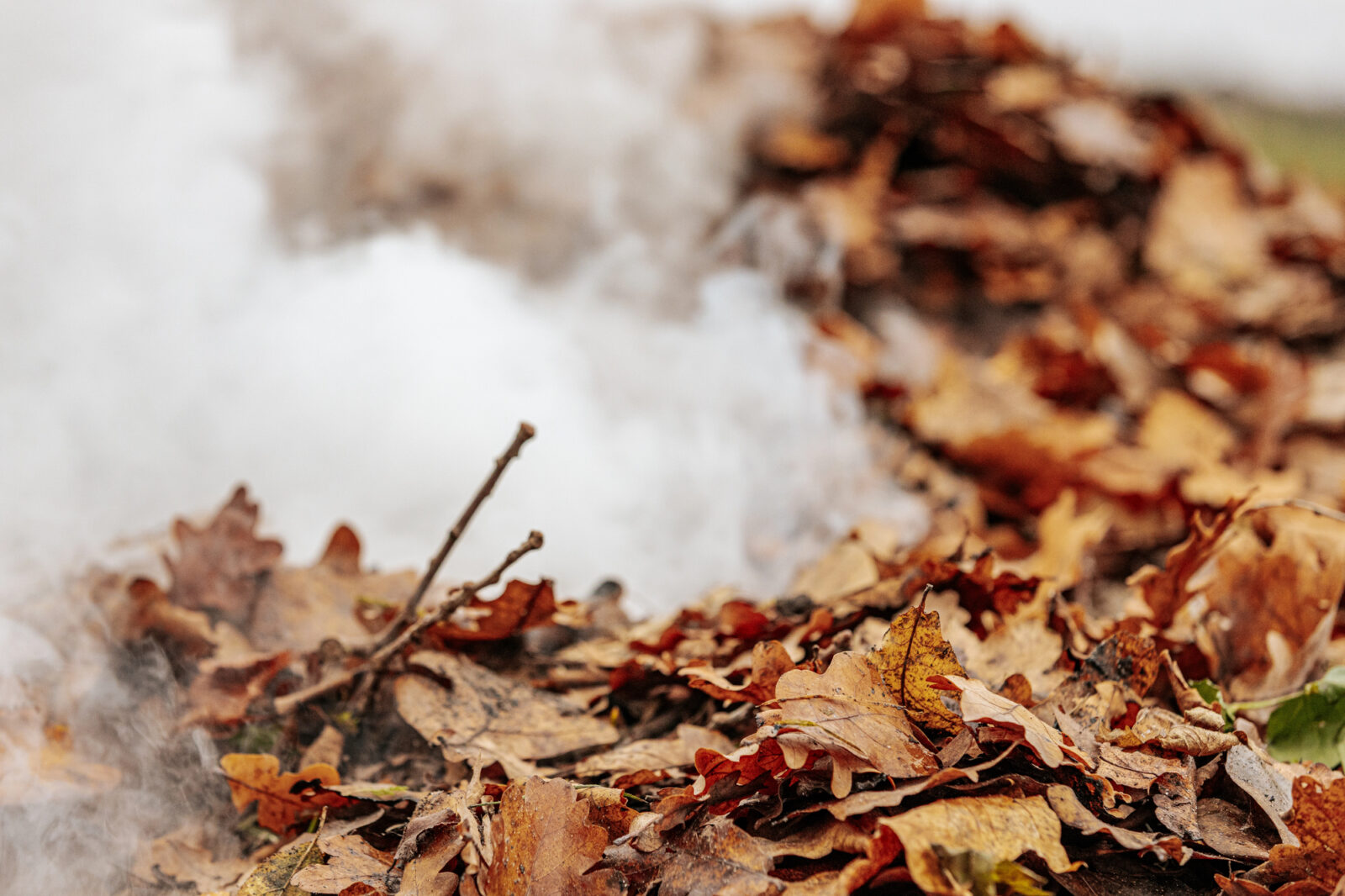
On many gardens it used to be common practice to burn autumn leaves, dry grass, or pruned branches. Today, however, this approach is highly problematic and often outright banned. The reasons are air pollution and the increased risk of fire. Particularly dangerous is burning off grass, which can get out of control in moments and threaten property and health.
If someone burns biological waste against the rules, they can receive a significant fine. For businesses the penalties are even higher, but ordinary householders are certainly not risk-free either. Many people mistakenly believe that on their own garden they can burn anything. That simply isn’t true.
A recreational fire is not the same as disposing of waste. The moment you throw leaves, fresh branches, or other garden waste onto the fire, you may be in breach of regulations.
Invasive plants can be a hidden problem
Some plants look harmless, grow quickly, and seem ornamental at first glance. But that is often exactly the problem. Invasive species spread aggressively, outcompete native vegetation, and upset the balance in the wider landscape. In gardens you may encounter, for example, giant hogweed, Japanese knotweed, or Canadian goldenrod.
For growing them—or for doing nothing when they appear—you could face a fine of up to 50,000 CZK. On top of that, some species pose a health risk. A classic example is giant hogweed, whose sap can cause painful burns when combined with sunlight. If a garden owner isn’t sure what is growing on their land, it’s worth checking sooner rather than waiting for trouble.
A tree over the fence isn’t just a neighbourly annoyance
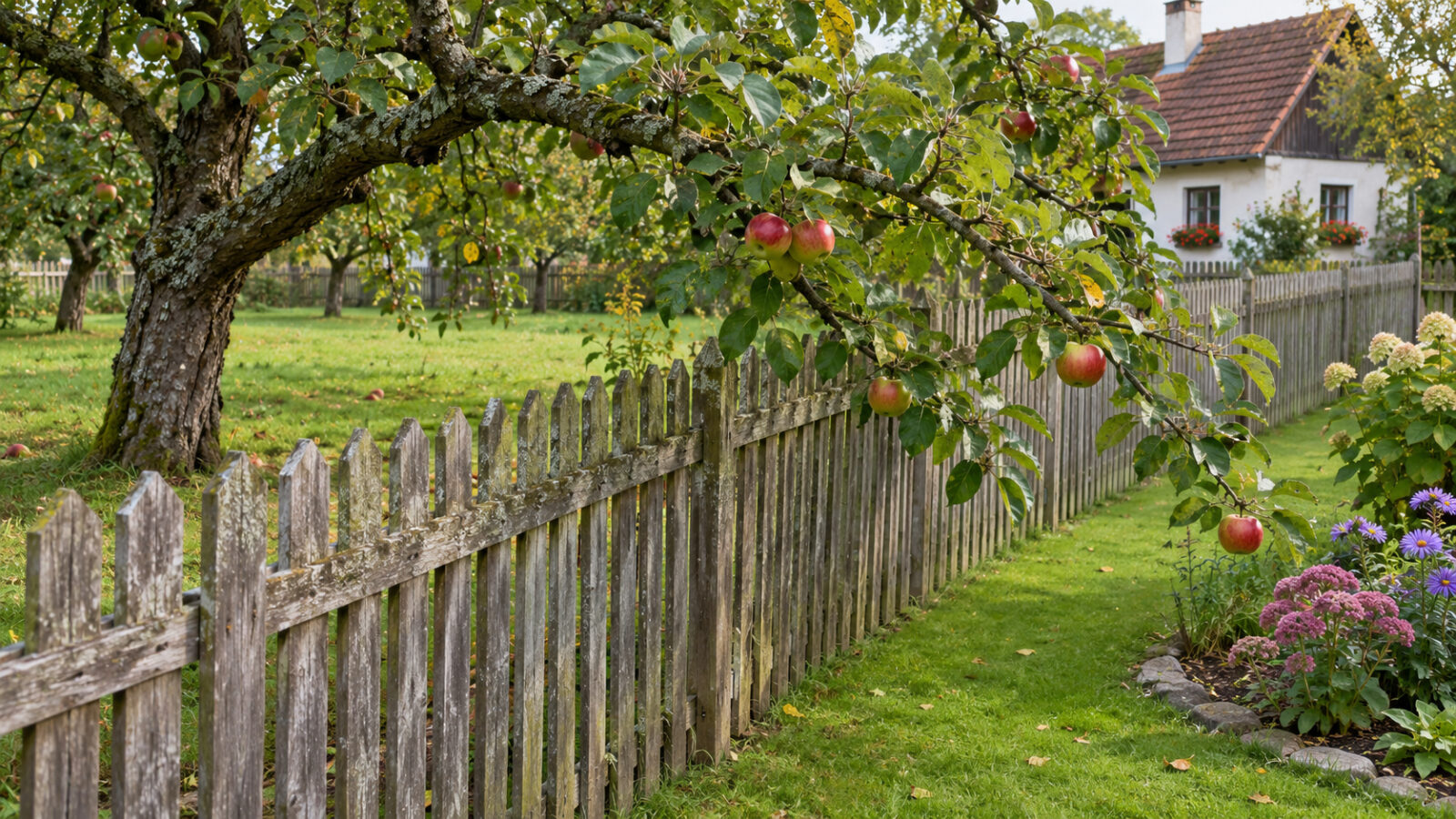
A frequent cause of disputes is branches overhanging a neighbouring plot. Many people think that anything reaching over their boundary can be cut off without further steps. In reality, the correct approach is to ask the tree’s owner to deal with it first. Only if they do not respond is it possible to intervene—and even then it must be done carefully so the tree is not damaged.
It’s similar with fruit. Fruit on branches that overhang your land still belongs to the owner of the tree. Without their permission, you must not pick it. The situation changes when fruit falls onto your plot by itself. In that case, you can usually keep it. Even here, though, good relationships with neighbours are often worth more than any harvest.
It pays to know the rules before someone reports you
A garden should be a place of calm, not a source of fines and conflict. Yet it’s precisely here that people often underestimate the responsibilities that come with owning land. Uncontrolled weeds, burning waste, invasive plants, or unresolved neighbour disputes can end with an unpleasant complaint and a high penalty.
In these situations, ignorance really is no excuse. Anyone who wants to be sure they won’t face unnecessary trouble on their own garden should know the basic rules and follow them. Sometimes a small lapse is all it takes for an everyday gardening routine to turn into a very costly mistake.
Source: Zákony pro lidi, MMR, MZe, Portál občana, Pestrazahrada.cz

A lover of nature, gardens, and everything that moves, blooms, or grows. He literally grows everything, from herbs to rare species, and he enjoys caring for animals just as much. In his work, he connects modern technology with tried-and-tested grandmotherly methods and is happy when both paths lead to the same goal.
Related articles

The Most Unusual Garden Visitor Isn’t Always the Biggest One
A garden can become a surprising meeting place between people and wildlife. Sometimes the most unusual visitor is a quiet, elusive animal you may not notice for years.

Ten smart companion plants for peppers that naturally boost healthy growth and higher yields
Sweet or hot peppers thrive with the right neighbours. Companion planting can reduce pest pressure, support healthier growth, and often deliver a heavier harvest—without relying on unnecessary chemicals.

Cutting Down Thuja in Your Own Garden You Could Face a Fine of Tens of Thousands if You Don’t Check One Key Detail
Many homeowners assume they can remove trees and hedging on their own land without restrictions. But even common thuja can fall under rules that require notification or a permit, and the fines for getting it wrong can be steep.
Comments (0)
Be the first to comment.