
 English
 Polski
 Deutsch
 Nederlands
 Svenska
 Norsk
 Dansk
 Français
 Italiano
 Español
 Português
 Slovenčina
 Suomi
 Gaeilge
How to overwinter geraniums upside down
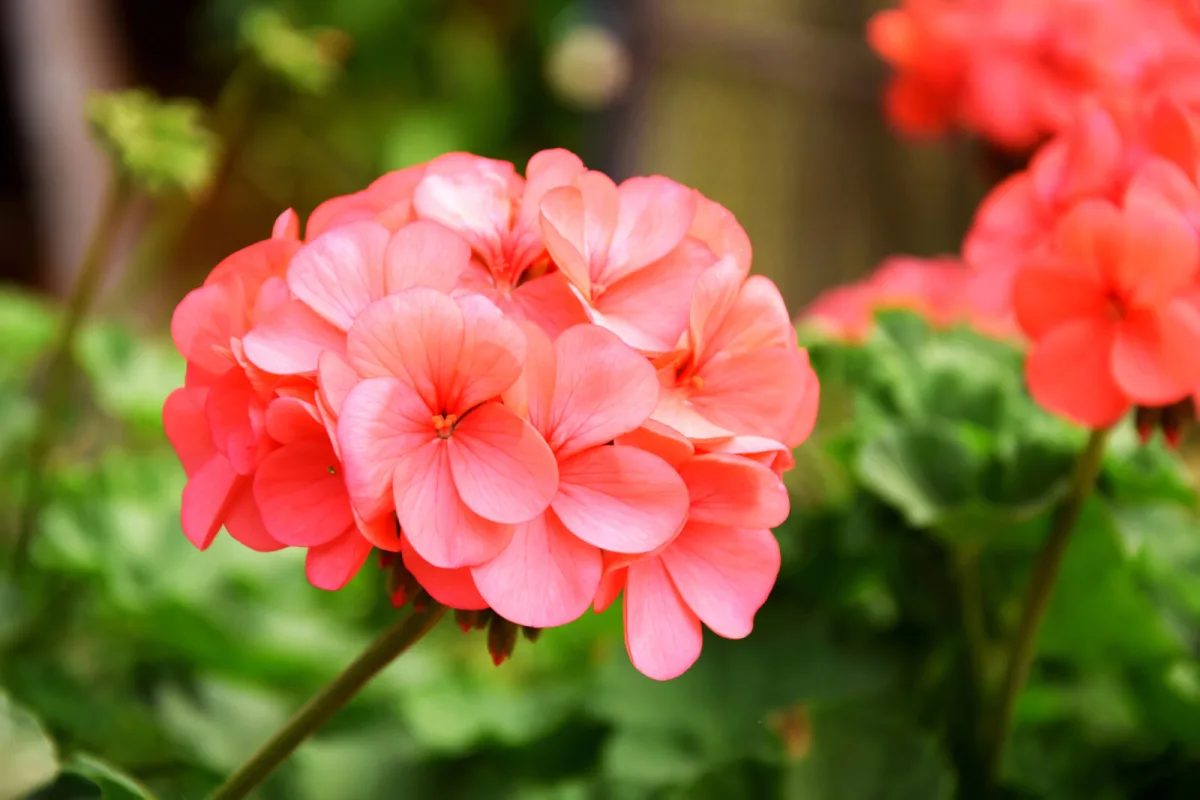
Many growers store geraniums for winter still in their window boxes, but there’s another approach that saves both space and effort. Strong, well-grown pelargoniums can be stored after autumn preparation without any compost, hanging with the roots upwards. At first glance it looks unusual; in reality it’s a long-established gardening practice that takes advantage of the plant’s natural winter slowdown.
This method is especially useful where there isn’t enough room for shelves, windowsills, or floor space in the cellar. Instead of several bulky containers, all you need is a hook, a beam, or a taut wire under the ceiling. That’s why it works well in cellars, garages, and even small storage cubicles where every spare centimetre matters.
How to prepare geraniums for hanging
Before storing, the plants need to be taken out of their containers carefully so the shoots and roots aren’t damaged. Gently shake off the compost and clean the root ball as delicately as possible. The plant is then kept without any growing medium, just as a bare-root plant.
Next comes pruning. Cut the shoots back to roughly 10 cm, making sure to leave a few buds from which new growth will break in spring. At the same time, remove flowers, buds, and most of the leaves. Anything dried up, damaged, or suspicious should go too, as it could rot over winter.
For hanging, it’s best to use soft string or a fabric tie and position it so it doesn’t bite into the stem. Some growers protect the roots by putting them into a bag to reduce drying out. Others leave the plants completely bare-root. In both cases, it’s important that the tie isn’t tight and doesn’t injure the plant.
Why geraniums survive without compost
Pelargoniums can store water in their fleshy stems and leaves. When temperatures drop and light levels fall, growth slows dramatically and the plants shift into a resting phase. In that stage, they don’t need to sit in compost the way they do during the main season.
So overwintering upside down isn’t a gimmick. It’s a way to keep the above-ground parts of the plant through its dormant period. The key is that the geraniums must be healthy, sturdy, and well ripened before winter storage. Weak, young, or damaged plants tend to be less suitable for this method.
The right temperature decides success
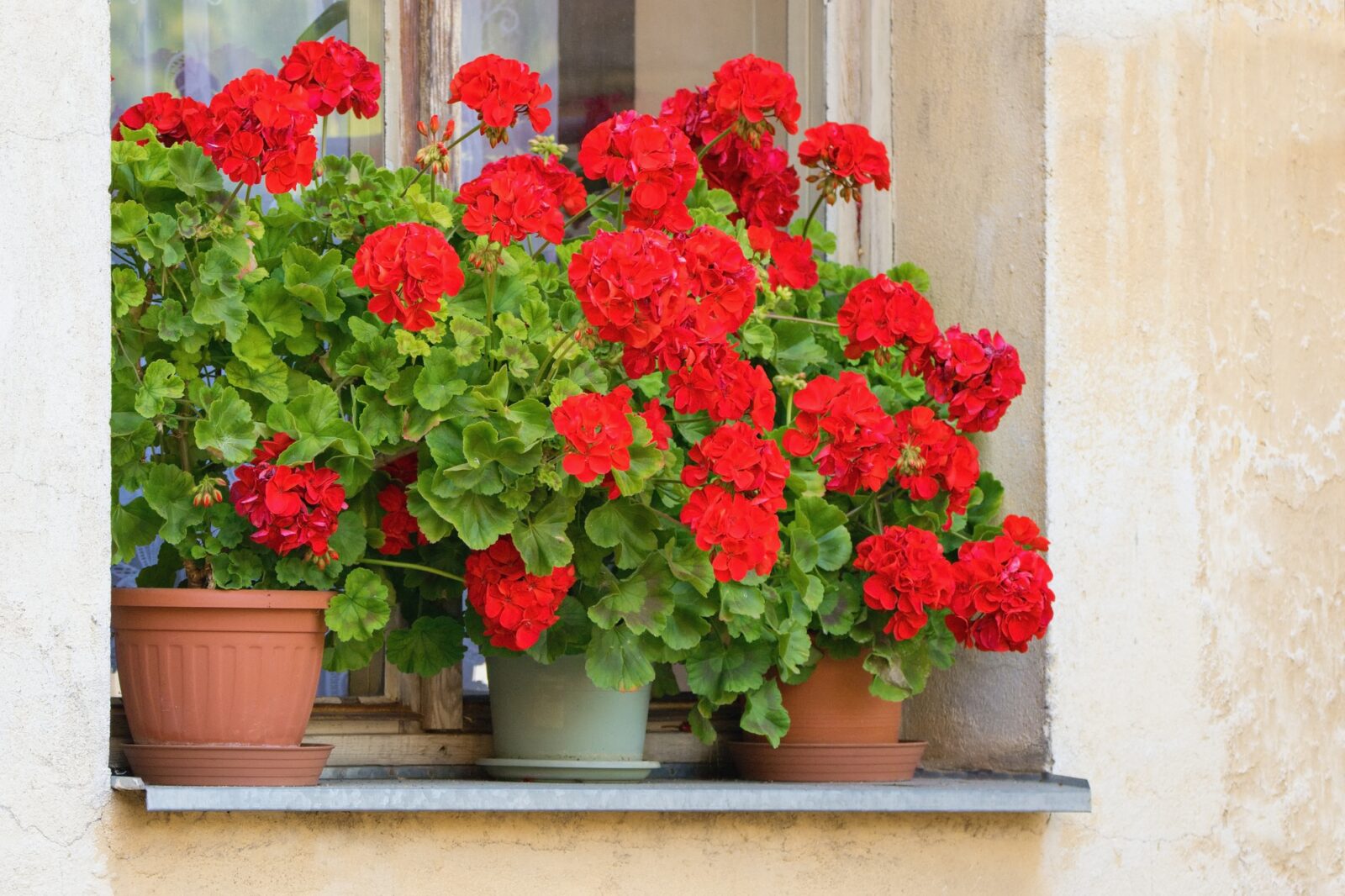
The most important condition is a cool environment without frost. An ideal temperature is around 5 °C, but they generally do well between about 3 and 10 °C. For short periods they can cope with slightly higher values, as long as the space isn’t too dry and the plants don’t start growing too early.
A simple rule applies: the less light the plants get, the cooler they should be kept. At higher temperatures they would start to wake up, produce weak pale shoots, and lose their water reserves more quickly. Frost, on the other hand, is unacceptable because it would permanently damage the tissues.
Where hanging geraniums can overwinter
The best conditions are usually in a house cellar, where it stays steadily cool and fairly dim. It’s also an advantage that there’s typically space under the ceiling for hanging. An unheated garage can work too, as long as the temperature doesn’t drop below freezing.
With apartment-block storage cubicles, watch out for heating pipes. If they warm the space too much, the geraniums will wake up earlier than you want. Strong draughts are also unsuitable, as is any spot where people frequently bump into the plants. A cool porch, hallway, or glazed balcony can work as well, as long as it doesn’t freeze.
In a typical flat, it’s usually too warm and dry for this method. There it’s more reliable to keep smaller plants on a bright windowsill or to overwinter them as cuttings.
Which plants to choose for this method
Only strong, healthy specimens are suitable for hanging. You can recognise them by firm stems that are already partly ripened and not soft or watery. The roots must be healthy, with no signs of rot. As soon as you see stem darkening, spots, wilting, or the whole plant drying out, it’s better to discard that plant.
Young plug plants and soft, freshly grown plants have a lower chance of overwintering successfully without compost. It’s safer to keep those in a pot in a bright place, or to take cuttings in time as a backup for the next season.
Space saving is big, but there is some risk
The main advantage of this method is the space you save. While window boxes take up shelves, windowsills, and floor space, individual cut-back plants can be hung under the ceiling, freeing room for other things. This is especially appreciated by growers overwintering a larger number of geraniums without a spacious cellar.
On the other hand, it’s a slightly less reliable solution than the classic method of overwintering in a pot. Plants can dry out more over winter and require careful selection already in autumn. If you’re trying it for the first time, it’s wise to keep some geraniums the traditional way in pots or prepare cuttings as insurance.
Winter checks and waking them up in spring
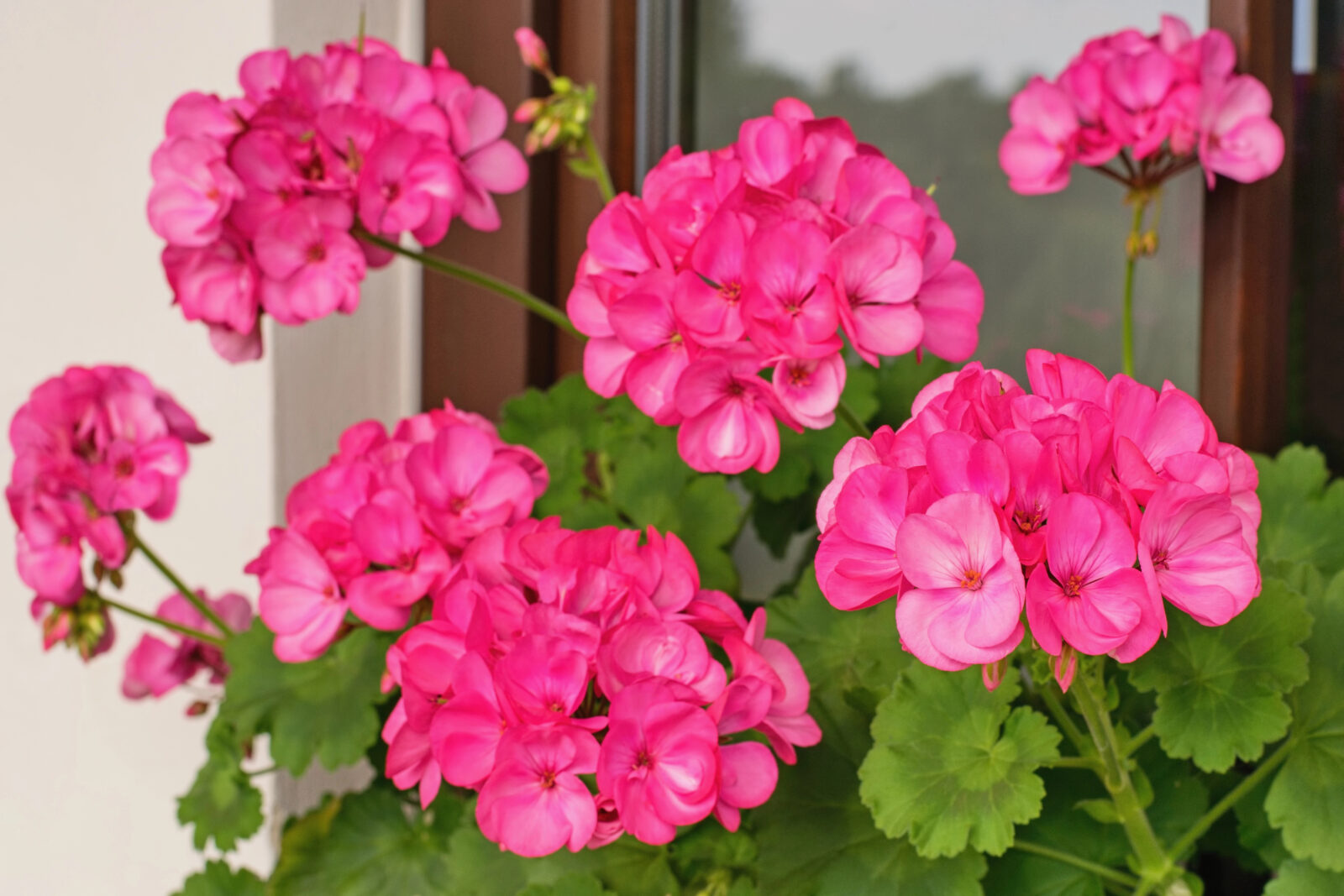
During the winter months, it’s enough to check the plants roughly once a month. If the roots are completely dry, brittle, and the stems start to shrivel, it’s time to soak them in water for a few hours. At the same time, watch for mould, rot, or any pests. Any affected plants should be kept separate from the others.
In spring, usually from late March to early April depending on the weather, take the plants down. It’s a good idea to soak the roots first, then remove any dead parts and, if needed, tidy the shoots again. After that, plant the geraniums into fresh compost and start watering sparingly.
After potting up, they need a bright, sheltered place where they can gradually rebuild their root system and start growing again. Put them outside only when there’s no longer a risk of late frosts. The move to a balcony or terrace should be gradual so the plants adapt to outdoor conditions without shock.
When this method is truly worth it
Hanging geraniums upside down is most practical for growers who want to keep strong mother plants and at the same time don’t have room to overwinter whole window boxes. If the plants are healthy, pruned correctly, and given a suitable cool place, they can sprout well again in spring and flower abundantly.
It isn’t a universal solution for every pelargonium, but for selected plants it can be very effective. If you want to save space and don’t mind a bit more careful autumn preparation, this method can help you preserve valuable plants without a pile of pots and compost.
Source: Rural Sprout, Gardening Know How, Pestrazahrada.cz

A lover of nature, gardens, and everything that moves, blooms, or grows. He literally grows everything, from herbs to rare species, and he enjoys caring for animals just as much. In his work, he connects modern technology with tried-and-tested grandmotherly methods and is happy when both paths lead to the same goal.
Related articles
How to prune an apple tree in autumn for a heavy crop next year
If your apple tree crops heavily one year and then disappoints the next, an overly dense canopy is often to blame. A well-timed autumn prune improves light and airflow, supports healthy growth, and sets the tree up for better-quality fruit.
A Garden Shed Can End in a Fine or Even Demolition Many People Make a Mistake Without Realising It
Building a garden shed isn’t just about putting up walls. Smart planning, a level base and checking local rules early can save you costly fixes, fines or even an order to remove the shed.
Make an Old Tree Stump Disappear Without Digging or Chemicals
Removing an old stump doesn’t have to mean backbreaking digging or harsh chemicals. With the help of mushroom mycelium, the wood can break down naturally over time and become far easier to remove.
Comments (0)
Be the first to comment.