
 English
  Polski
  Deutsch
  Nederlands
  Svenska
  Norsk
Norsk  Dansk
Dansk  Français
  Italiano
  Español
  Português
  Slovenčina
  Suomi
Suomi  Gaeilge
 Biological Plant Protection A Spray Targeting Caterpillars Only
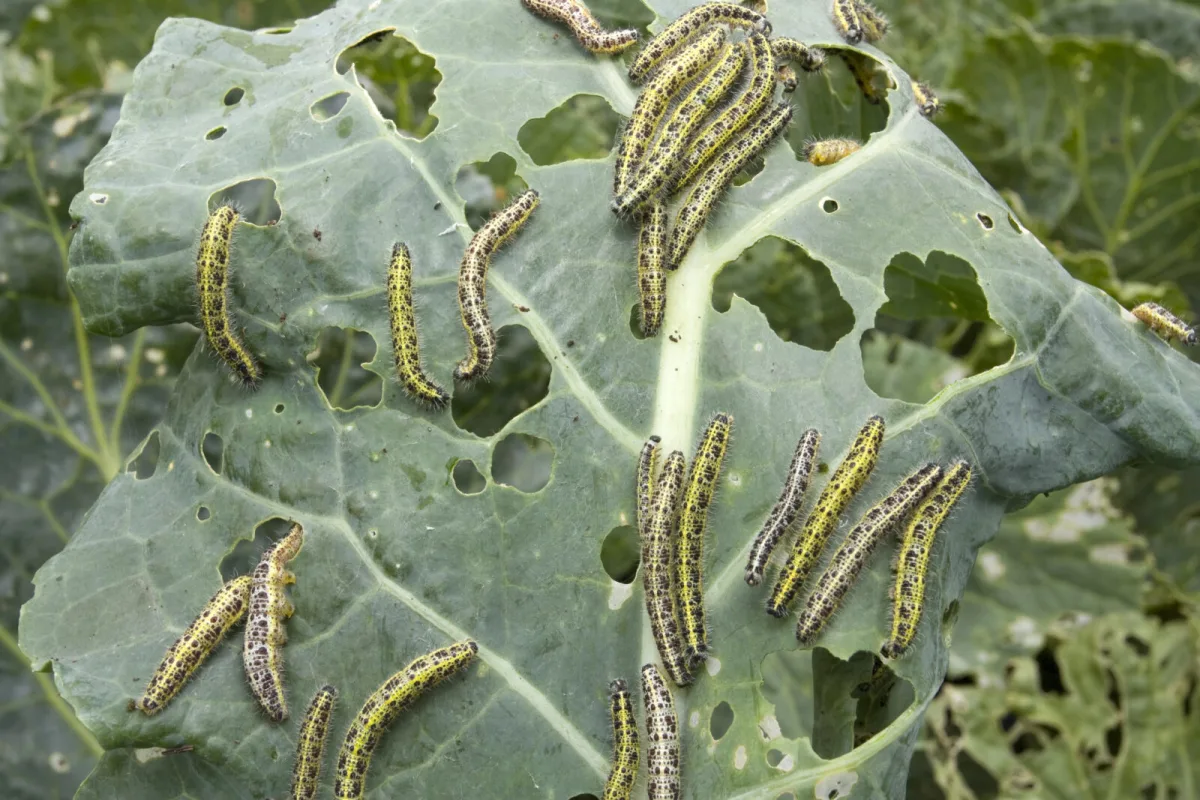
Many growers deal with caterpillars every season, most often on tomatoes and brassicas such as kale or kohlrabi. When they reach for biological control, they often hear that the active ingredient is a special bacterium that supposedly harms nothing other than caterpillars. The obvious question is whether that’s really true, and whether such a product poses any risk to bees and other beneficial insects.
What Bacillus thuringiensis is and why it’s used
The active substance in these products действительно comes from the soil bacterium Bacillus thuringiensis. In practice, it’s a highly targeted biological insecticide designed to affect only selected groups of pests. Precisely because of this narrow specialization, it’s commonly presented as a gentler option compared with broad-spectrum chemical sprays.
For bees and other beneficial organisms, this method is considered safe when used correctly, because its mode of action depends on very specific conditions in the digestive system of certain insect larvae. Those conditions typically aren’t present in humans, pets, or pollinators.
The bacterium itself isn’t the issue, its products are
An important clarification is that it’s not the bacterium itself that’s harmful, but the substances it can produce. Bacillus thuringiensis makes protein crystals that, in the right environment, behave like toxins. These toxins don’t act universally on all living things, but only on a narrow range of insect pests.
In other words, for certain caterpillars these protein crystals can be lethal, while for people, dogs, cats, or bees they are harmless under normal conditions. The difference comes down to how digestion works in each group of animals.
Why this doesn’t threaten people or bees
The key is chemistry in the digestive tract. For the toxins to activate and start working, a strongly alkaline environment is needed, along with the right enzymes. In susceptible larvae, the gut can reach roughly pH 9.0 to 10.5. That’s very different from vertebrates, which have an acidic stomach. In acidic conditions the effect typically doesn’t trigger, so even with accidental ingestion the same mechanism as in the target pests does not occur.
How the product works on caterpillars
The effect happens in several linked steps. First, the caterpillar must eat part of a plant that has been treated with a product containing the bacterium’s spores. Without ingestion, there’s no effect, because this isn’t a contact poison but a solution based on action within the pest’s digestive system.
Activation in the gut and feeding stops
After ingestion, the spores are activated in the caterpillar’s gut, and only then does the process leading to the formation of protein crystals begin. These then bind to receptors in the gut wall, disrupt it, and create tiny pores. The result is a rapid response: within minutes to hours digestion is disrupted and the caterpillar stops feeding. In practice, that means crop damage can be brought to a halt fairly quickly, even though the caterpillar doesn’t die immediately.
Death within a few days
In the next phase, gut contents along with the bacteria pass further into the insect’s body. The caterpillar’s condition deteriorates, the organism is poisoned, and the pest usually dies within one to three days. On plants, you may first notice reduced feeding and only afterwards a drop in the number of live caterpillars.
What to expect after correct application
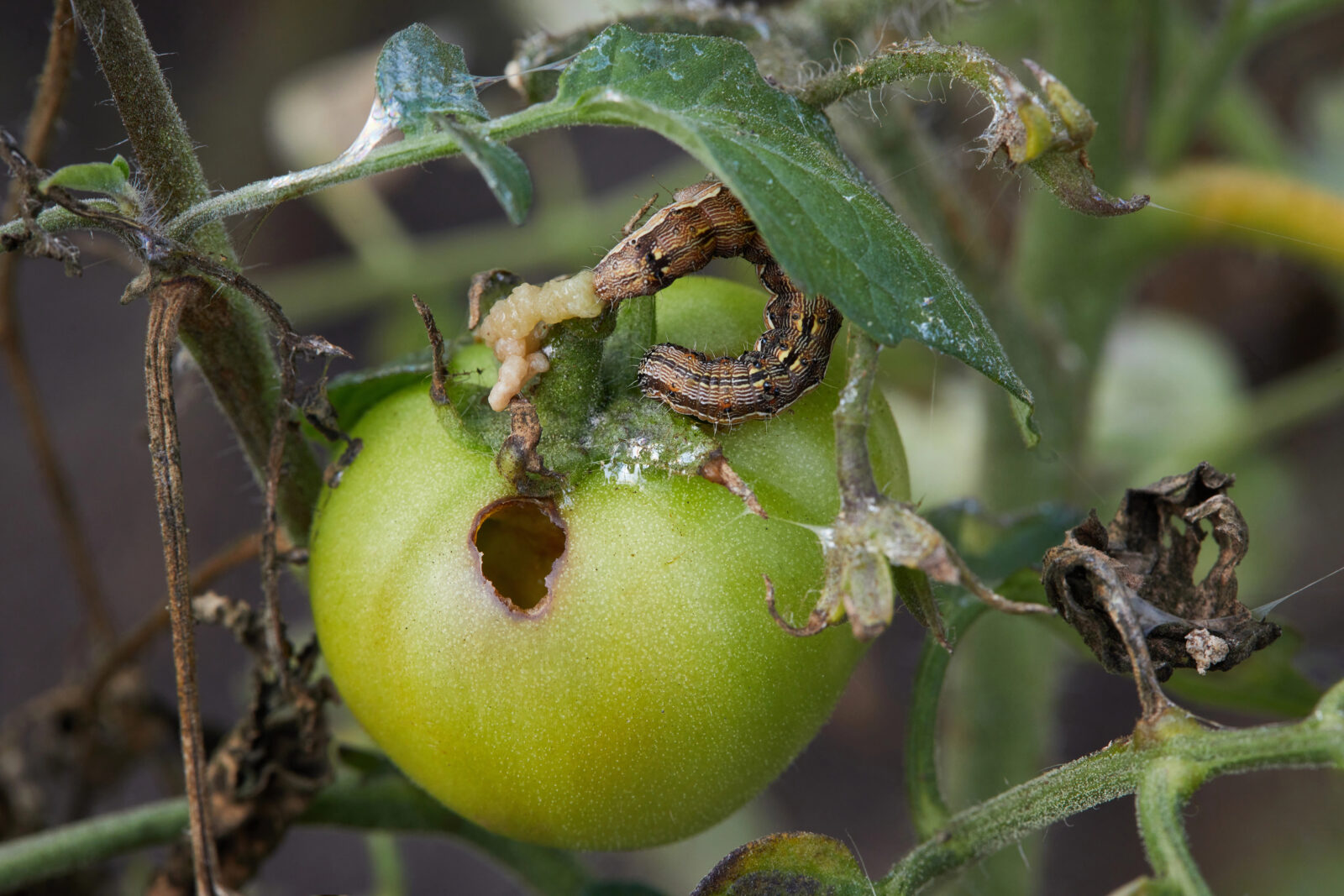
If you use the product according to the label and hit the period when caterpillars are active and feeding, the result should be noticeable within a few days to about a week. At the same time, when used properly it shouldn’t harm other life in the garden, including pollinators. The crucial point is that the effect is targeted and works through ingestion of treated plant material, so you need to direct the spray to where the caterpillars are actually feeding.
Bacillus thuringiensis is a soil bacterium used as a highly specific biological insecticide whose effect is triggered in the alkaline gut of susceptible caterpillars, while under normal conditions it is safe for bees and vertebrates.
Source: Záhrada, Gardener’s World, Pestrazahrada.cz

A lover of nature, gardens, and everything that moves, blooms, or grows. He literally grows everything, from herbs to rare species, and he enjoys caring for animals just as much. In his work, he connects modern technology with tried-and-tested grandmotherly methods and is happy when both paths lead to the same goal.
Related articles
An Orchid That Only Grows but Won’t Bloom Has Three Common Causes You’ll Never Fix with Fertiliser
If your orchid looks healthy but refuses to bloom for months, the cause is usually not a lack of fertiliser. Light, watering habits, and temperature patterns are far more often to blame.

Winter is crucial for raised beds and most people skip the pest prevention step
Your raised beds don’t go dormant just because winter arrives. A few quick, well-timed tasks now will protect the soil, discourage pests, and set you up for a smoother, more productive spring.

When to Mow the Lawn for the Last Time Before Winter
There’s no universal date for the season’s final mow—your lawn and the weather will tell you. Time it just ahead of hard frost and leave the grass slightly higher to help it overwinter healthier and bounce back faster in spring.
Comments (0)
Be the first to comment.