
 English
  Polski
  Deutsch
  Nederlands
  Svenska
  Norsk
Norsk  Dansk
Dansk  Français
  Italiano
  Español
  Português
  Slovenčina
  Suomi
Suomi  Gaeilge
 The single most important step for a bumper tomato crop you must do on every plant
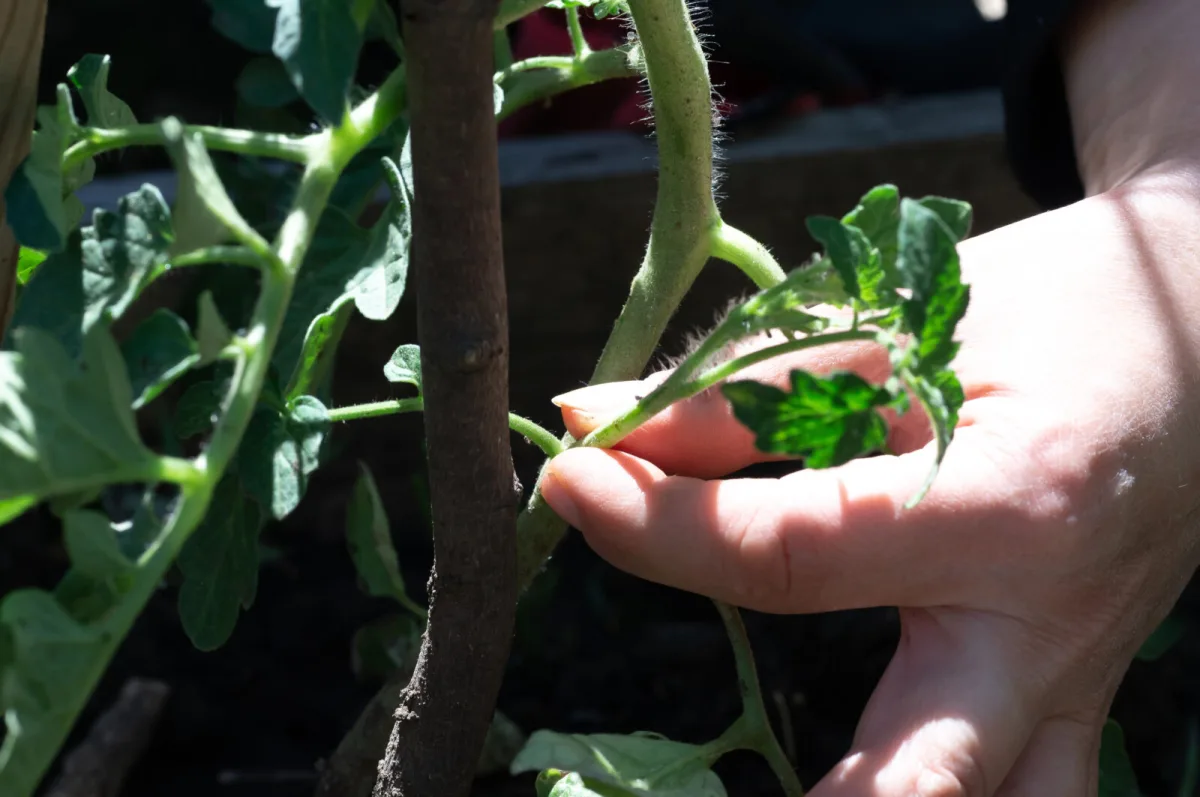
Growing tomatoes is one of the most popular jobs in the garden, yet many growers let plants run wild without regular attention. The result is often an overly dense jungle of leaves and shoots, poorer fruit set, smaller tomatoes and an overall weaker harvest. With cordon (staking) tomatoes, one task is essential: ongoing pinching out, meaning breaking off the side shoots. Done correctly and on time, the plant directs its strength into flowers and fruit, stays better ventilated and suffers less from disease.
What side shoots are and why to remove them regularly
Side shoots are lateral stems that grow in the leaf axil, the point where a leaf joins the main stem. At first glance they can look like useful new branches, but if you let them grow, the plant becomes needlessly bushy and starts investing energy in leaf growth instead of fruit.
The usual consequences are smaller tomatoes that ripen more slowly, poorer air circulation through the foliage, a higher risk of blight and fungal problems, greater demand for water and nutrients, and ultimately a lower overall yield. Removing side shoots, on the other hand, encourages more flower trusses and better feeding of the fruit that has already set.
Which tomato varieties really need pinching out
Not all tomatoes are trained the same way. The key difference is whether you grow cordon (indeterminate) or bush (determinate) varieties.
Cordon, or indeterminate, tomatoes
Cordon varieties grow almost continuously throughout the season and often exceed two metres. They keep extending the main stem, setting new flower trusses as they go, and without support and training they quickly turn into an unruly mass. For these types, breaking out side shoots is crucial if you want large fruit and a tidy, healthy plant.
Bush, or determinate, tomatoes
Bush varieties reach a predetermined height and naturally form a more compact shape. With them, side shoots are usually not removed, or only sparingly, because each extra shoot can carry flowers and future fruit. Before you start, confirm which type you’re growing so you don’t reduce your crop unnecessarily.
When it’s best to start with side shoots
The first side shoots appear soon after planting out. The ideal time to act is when the lateral shoot is roughly 3 to 8 cm long. At this stage it snaps out easily with your fingers and the wound is small. If side shoots are allowed to get too large, they develop a thicker stem and removing them unnecessarily weakens the plant and slows healing.
How to remove side shoots correctly and safely
First, find the point between the main stem and the leaf where the new shoot emerges. Hold the young side shoot between thumb and forefinger and gently bend it sideways so it breaks off cleanly. For small shoots, scissors aren’t needed, and if you do use them they must be clean.
It’s important to pinch out in dry weather. When plants are wet from rain or morning dew, diseases spread more easily and wounds heal more slowly. On a sunny day, healing is typically faster and the risk of infection lower.
How often to check plants during the season
During the main growth period, it’s a good idea to inspect tomatoes at least once a week. In warm weather, side shoots can appear and grow very quickly, so regular checks prevent them from getting too big and needlessly stealing the plant’s energy and nutrients.
Removing lower leaves as extra care
Along with side shoots, it pays to gradually remove the lowest leaves as well, especially those that touch the soil or cast heavy shade. This improves airflow, reduces the likelihood of late blight, makes watering easier and lets more light reach the fruit. Never strip off the lower leaves all at once, though; do it gradually so the plant isn’t stressed.
Pinching out the growing tip towards the end of summer
Towards the end of the season, one more practical step is often used: pinching out the top of the main stem. Around 4 to 6 weeks before the expected end of the season, remove the growing tip to clearly signal the plant to stop forming new flowers. The plant then puts its energy into ripening the fruit that has already set, and the harvest tends to be more even.
The most common mistakes that reduce yields
A frequent problem is snapping out shoots that are already too large, leaving big wounds and slowing recovery. Another mistake is being too drastic, such as removing lots of leaves at once, which stresses the plant and slows growth. If you use tools, they must not be dirty, otherwise you can spread infection from plant to plant. And pinching out on wet plants after rain or dew unnecessarily increases disease risk.
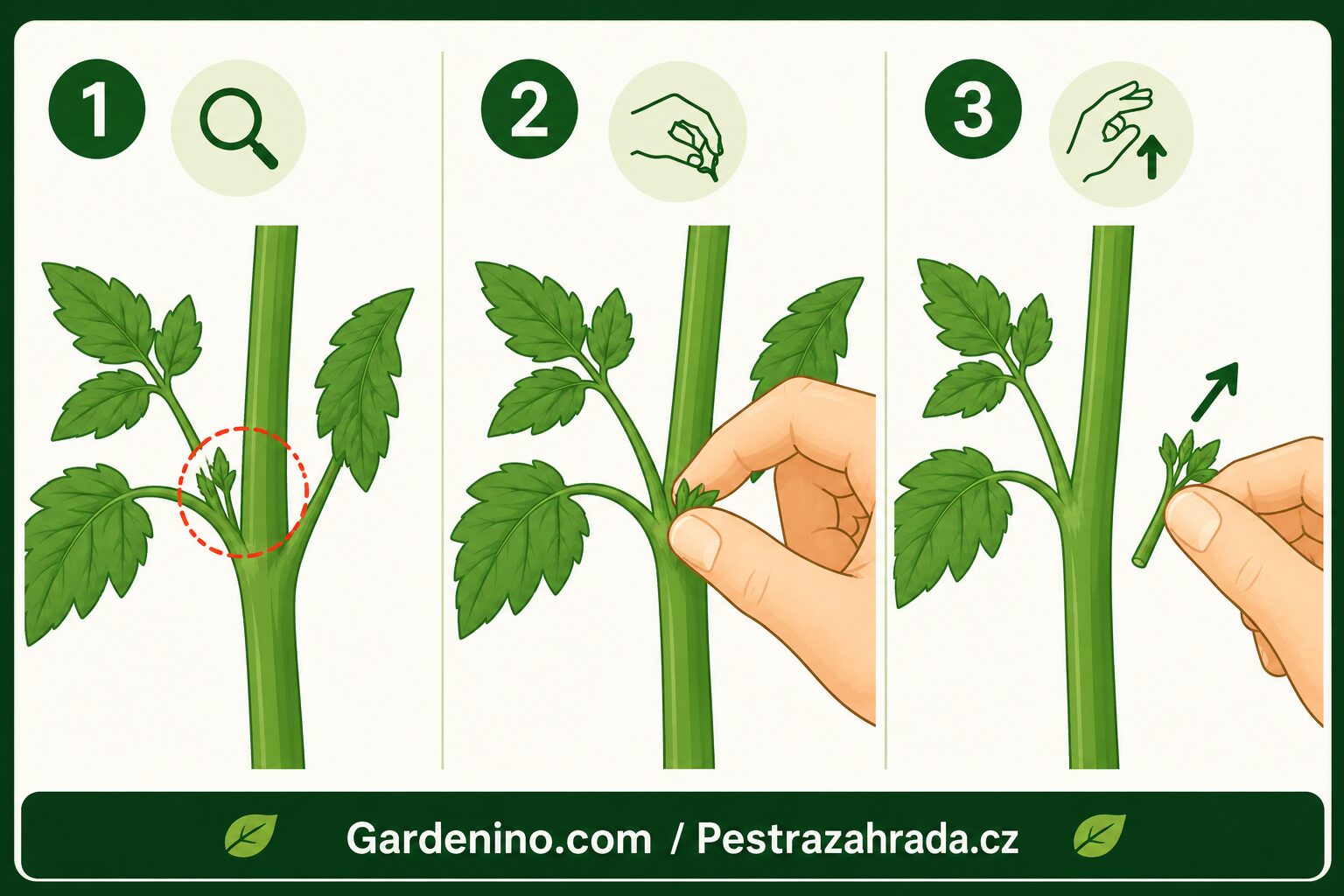
How pinching out affects the quality and quantity of fruit
Properly trained cordon tomatoes usually produce larger fruit, more even ripening, better colour and overall higher harvest quality. Care is also simpler because the plant is easier to manage, water and treat. Even though it may look as if fewer shoots remain after pinching out, the result is typically tastier, better-quality tomatoes and less disease pressure through the season.
Source: The Spruce, To je nápad, Gardening Know How, Pestrazahrada.cz

A lover of nature, gardens, and everything that moves, blooms, or grows. He literally grows everything, from herbs to rare species, and he enjoys caring for animals just as much. In his work, he connects modern technology with tried-and-tested grandmotherly methods and is happy when both paths lead to the same goal.
Related articles
Autumn strawberry care takes an hour and you will be rewarded with plants laden with fruit with just three steps
After fruiting, strawberries benefit from a few timely autumn jobs that help them winter well and bounce back strongly in spring. A simple trim, the right feed, and a protective mulch can mean bigger, tastier berries next season.
Christmas cactus will bloom again even after years if you avoid one common mistake
A Christmas cactus can look perfectly healthy yet refuse to flower for years. With the right light, temperature, watering, and a gentle boost, it can set buds again and bloom reliably.
Take care with pruners on ornamental grasses Some are best cut back in autumn others in spring
Ornamental grasses bring movement and structure, but not all of them should be left standing until spring. For several warm-season and self-seeding types, an autumn cut-back keeps borders tidier and helps limit spread.
Comments (0)
Be the first to comment.