
 English
  Polski
  Deutsch
  Nederlands
  Svenska
  Norsk
Norsk  Dansk
Dansk  Français
  Italiano
  Español
  Português
  Slovenčina
  Suomi
Suomi  Gaeilge
 How to Combine Arborvitae and Hydrangeas So Other Plants Thrive Nearby
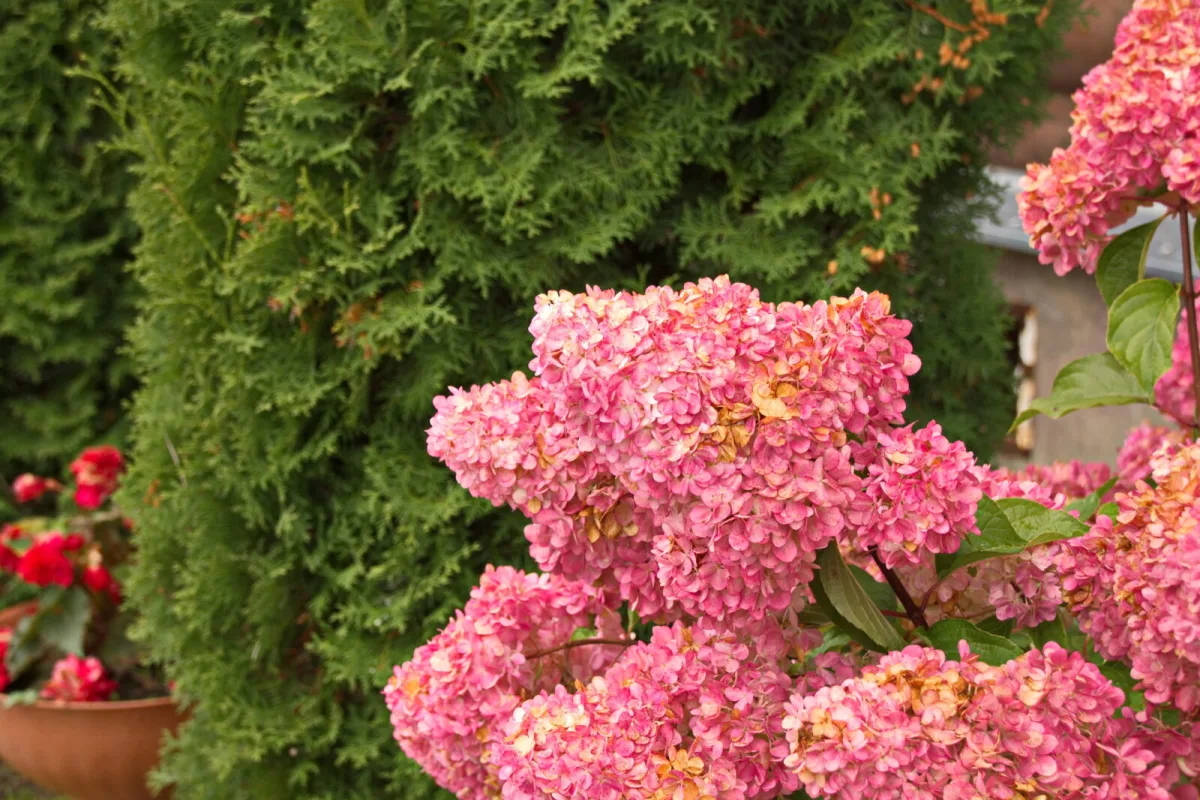
Designing a planting bed so that individual species don’t end up crowding each other out is often harder than it looks at first glance. Especially when arborvitae or hydrangeas play the leading role in the garden. Arborvitae can create an impressive backdrop and do an excellent job of screening neighbours and wind, but at the same time they cast heavy shade and compete with nearby plants for water and nutrients. Hydrangeas, on the other hand, win you over with abundant blooms, yet they need fairly specific conditions that don’t suit every plant. Even so, both woody plants can be worked into a design so the result feels natural and remains sustainable over the long term.
What hydrangeas really need to bloom at their best
Hydrangeas are among the most popular ornamental shrubs, whether you grow bigleaf, panicle, or smooth hydrangeas. What they typically share is that they do best in humus-rich soil that doesn’t dry out and is often on the acidic side. The right amount of light matters too. Harsh, direct sun can stress both leaves and flowerheads, while deep shade often leads to weaker flowering. When choosing companions, it’s therefore essential to stick with plants that tolerate similarly moist, nutrient-rich soil, or that will appreciate light dappled shade.
A combination that works and looks natural
A very effective pairing is hydrangeas with dwarf conifers and ornamental grasses. Conifers give the bed structure and a calm backdrop, while grasses add movement, softness, and varied height. Hydrangeas then provide the show-stopping peak during bloom. The advantage is that with sensible watering and mulching, these groups can grow side by side without unnecessary losses.
Other suitable companions for hydrangeas
If you want to stick with plants that have similar requirements, you can reach for ferns, astilbes, hardy geraniums, or daylilies. Rhododendrons and azaleas also work well, because they too welcome more acidic, humus-rich soil. In plantings like this, the biggest difference is usually how much space you give each species so they don’t shade each other unnecessarily and their root balls aren’t constantly drying out.
Why arborvitae are a demanding neighbour for surrounding plants
Arborvitae are commonly used in gardens as specimen plants and as dense hedges. And it’s that density that creates the problem. They produce deeper shade than many deciduous shrubs and trees, and they also have an active root system that quickly pulls moisture from the soil. This means that close to them, the plants most likely to succeed are species that can cope with lower light and also accept that water will never be plentiful. In other words, under arborvitae it’s not the plant with the prettiest flower that wins, but the one with the greatest resilience.
Plants that can survive under arborvitae and still look good
If the spot beneath arborvitae is at least a little on the moist side, ferns can save the situation, ideally ones that aren’t extremely thirsty. As groundcover, periwinkle often proves reliable, or ivy, which can fill bare patches even where other plants weaken. Coral bells are another interesting choice: they stand out for their foliage colour and can be decorative even without flowers. Ornamental grasses that tolerate tougher conditions are also very useful, because they can handle swings in moisture and light and add an airy feel to the bed.
If you have more space, a shrub layer can help
If there’s room by the arborvitae for additional shrubs, it pays to choose species that tolerate shade and aren’t overly demanding about watering. Euonymus or privet are often mentioned, as they can work as a transition between a wall of arborvitae and lower perennials. It’s important to bear in mind, though, that even tough shrubs will need more regular attention in the first few years after planting, until they establish and learn to compete.
Planning is a bit of alchemy, but it’s worth it
It’s not only about looks; the key is always to match light, soil, and water availability.
With hydrangeas, it’s crucial not to underestimate soil and moisture; with arborvitae, it’s the shade and root competition. That’s why it makes sense to choose neighbours based on similar needs first, and only then focus on colours and shapes. If you find out in advance what each plant truly requires, you’ll avoid the disappointment of newly planted specimens declining or getting lost. The right combination can create a harmonious whole in the garden that looks good not only right after planting, but for many seasons to come.
Source: Victory Garden Boys, Lemon Branch Diy, Pestrazahrada.cz

A lover of nature, gardens, and everything that moves, blooms, or grows. He literally grows everything, from herbs to rare species, and he enjoys caring for animals just as much. In his work, he connects modern technology with tried-and-tested grandmotherly methods and is happy when both paths lead to the same goal.
Related articles
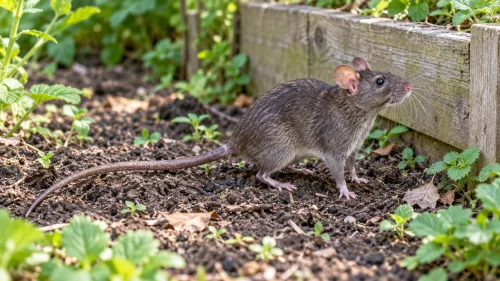
One Rat in the Garden Can Quickly Turn Into a Colony How to Prevent It Without Chemicals
A rat on your property is a warning sign that your garden is offering food and shelter. With a few practical, chemical-free changes, you can make the area far less attractive and stop a bigger infestation taking hold.
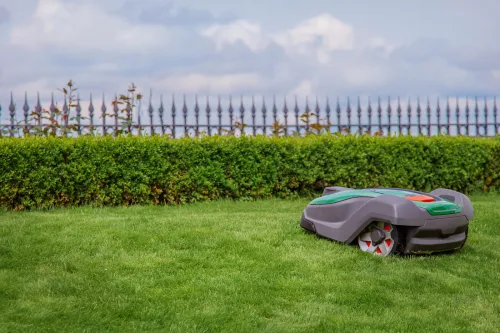
Garden robotics and automation save time but one thing surprises owners after purchase
Robotic mowers, smart irrigation and garden sensors can take over routine tasks and improve day-to-day plant care. The catch is that the real cost and upkeep often become clear only after you’ve bought in.
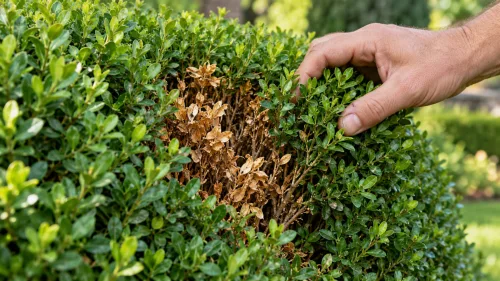
Hedge Drying Out Inside Before You Reach for the Shears Find Out Why It’s Normal
Dry leaves and twig dieback inside an older, dense hedge are often a normal result of shade and natural self-thinning. If the outside remains healthy and green, there’s usually no need for drastic pruning or treatments.
Comments (0)
Be the first to comment.