
 English
  Polski
  Deutsch
  Nederlands
  Svenska
  Norsk
Norsk  Dansk
Dansk  Français
  Italiano
  Español
  Português
  Slovenčina
  Suomi
Suomi  Gaeilge
 How to Spray Peach Trees for a Healthy, Heavy Harvest
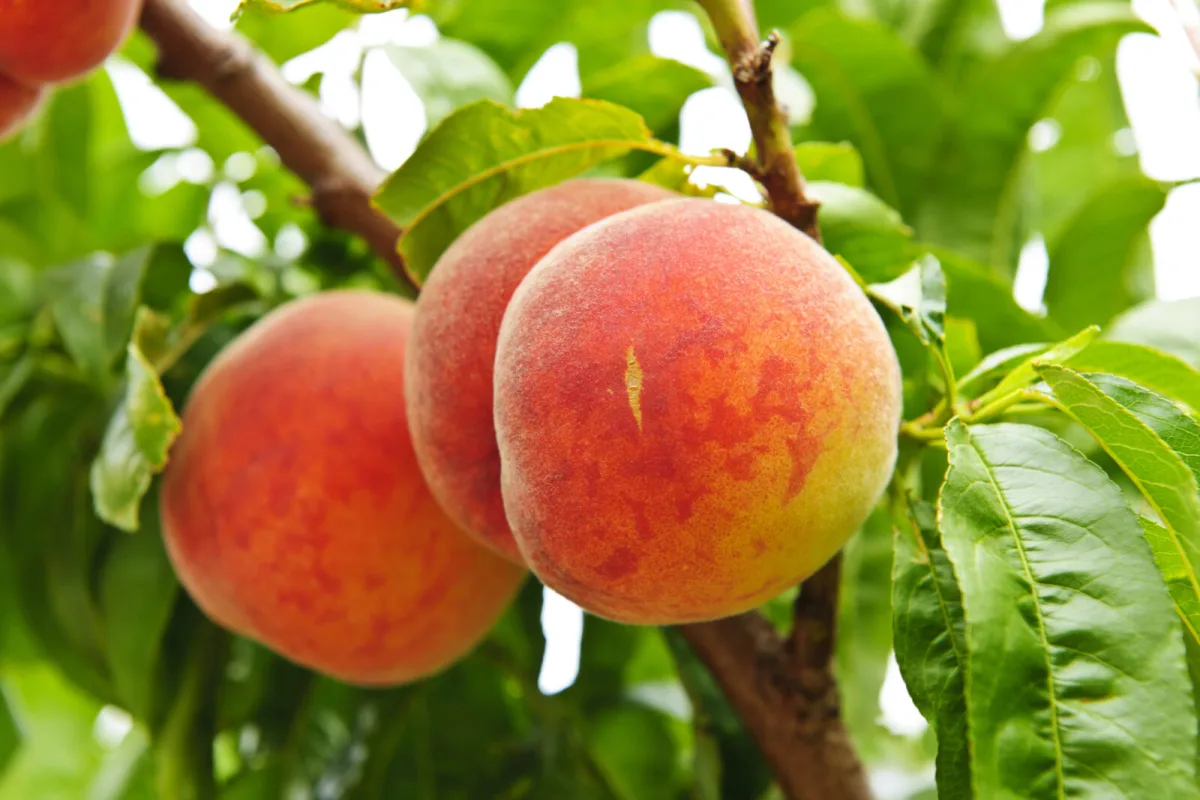
Peach trees can reward you with exceptionally delicious fruit, but they’re also among the more sensitive fruit trees. To grow steadily, flower well, and give the fruit time to ripen, they need as much sun as possible, ideally all day long. The site should be warm and sheltered from strong winds. Soil matters too: the best is a free-draining sandy loam with a neutral reaction. The tree does not tolerate prolonged waterlogging, yet it will suffer without enough moisture during active growth. An essential part of care is regular pruning, which opens up the canopy, improves airflow, and helps limit the spread of disease.
Late spring frosts can destroy the flower set
A major risk is late spring frost. Peach trees often break bud and flower early, so even a brief temperature dip can damage the blossoms and with them the entire future crop. When a sharper cooldown toward 0 °C is forecast, it’s worth having protection ready, such as horticultural fleece. Frost protection means extra work, but with peaches it is often decisive.
Without protection, diseases and pests quickly take over
Beyond the weather, you also need to allow for diseases and pests, because on peach trees they can be very aggressive. A typical problem is peach leaf curl, which can seriously weaken the tree and ruin the foliage. Another common issue is brown rot blossom blight, which attacks flowers and then young shoots, leading to dieback and later fruit drop. If you want to harvest quality peaches, spraying shouldn’t be seen as an optional extra, but as a preventive measure that pays off—especially when done on time.
Timing is critical, and for leaf curl a few days can decide it
With most problems, a late intervention won’t save much. The most important window comes at the turn of winter into spring, when the focus is leaf curl. Treatment needs to be done before buds begin to swell and break, at a time when hard frosts are no longer expected. In practice, this often falls in late February or early March depending on the weather. Once the buds open, effectiveness drops sharply because the pathogen is already in the tissues and a surface spray won’t turn things around.
May care helps protect the blossoms and the future fruit
Another key treatment comes during bloom. This is when protection is aimed at brown rot (monilia) and other issues that can attack flowers and young fruit, such as fruit blister or bacterial spot. It’s best not to skip the May spray, because this is when it’s decided how many healthy fruits will remain on the tree at all. During the season, keep an eye out for pests and other diseases, typically aphids or powdery mildew. If they appear, choose an appropriate product and treat again.
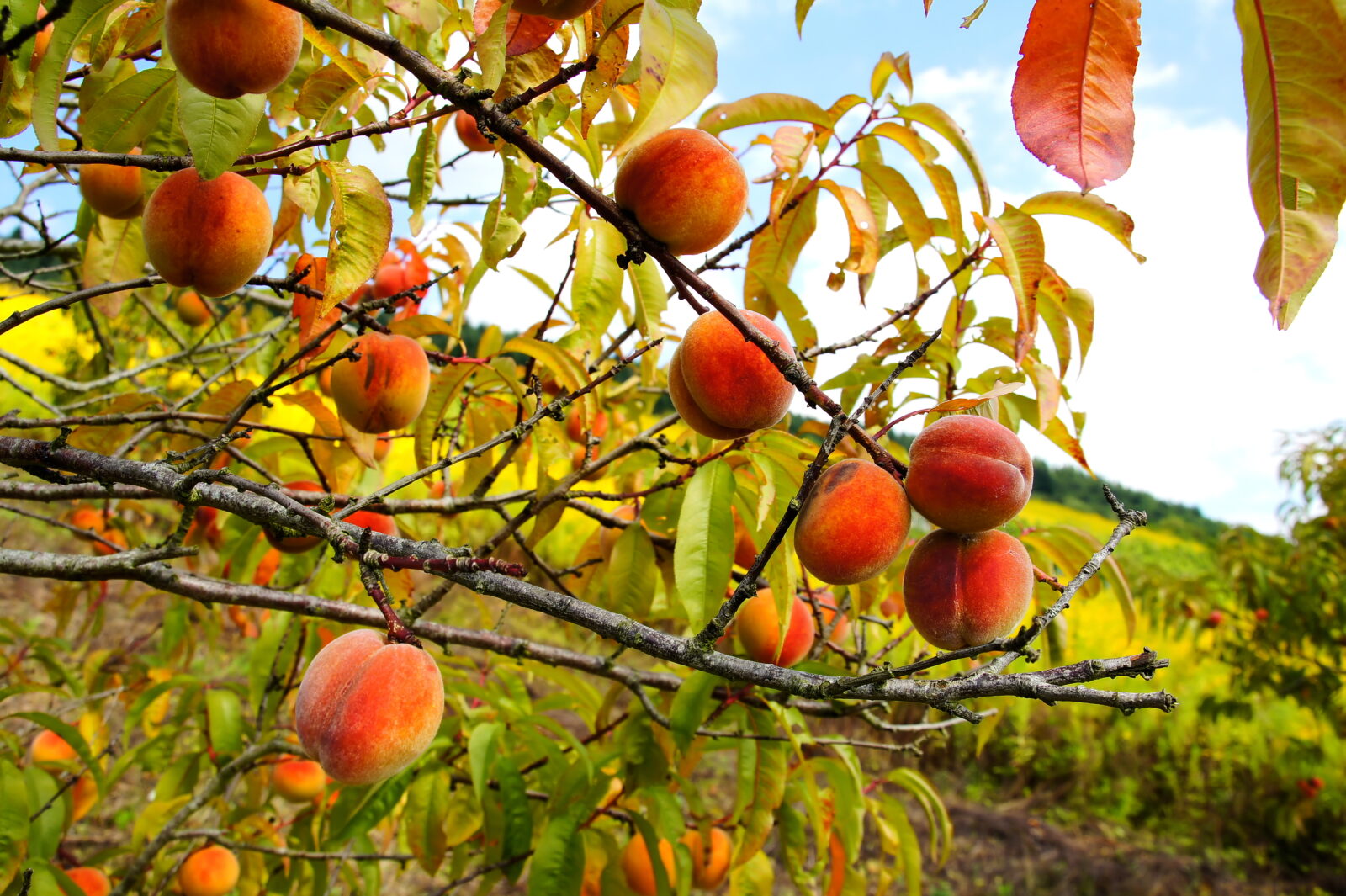
The most common spraying mistakes and how to avoid them
Inadequate coverage of the entire canopy
A common mistake is rushing the application. For a spray to be worthwhile, the whole tree must be treated, not just a few branches from one side. You need to reach the canopy from every angle and not miss the larger limbs and the trunk. If untreated spots remain, disease can take hold there and your work won’t have the effect you expect.
Choosing the wrong weather reduces effectiveness
Don’t spray in the rain or right before showers are expected, because the product can be washed off before it starts working. Stronger wind is also a problem: it carries part of the spray away from the tree and unnecessarily increases drift onto surrounding areas. The ideal is calm, dry weather without gusty wind and with no rain on the way.
The pre-harvest interval isn’t a formality, but a rule for safe picking
Every product used has a set pre-harvest interval, meaning the time during which the fruit must not be eaten. This most often applies to summer treatments against pests or later diseases, when developing peaches are already on the tree. The interval is stated on the packaging and must be followed exactly so the harvest is safe for everyone who will eat it.
If you’re unsure which product to choose, expert advice helps
Trouble can also come from using the wrong spray, especially if the gardener isn’t sure what they’re actually targeting. In that situation, it’s sensible to turn to a specialist garden centre, where they can recommend the right product and the correct method. Think of it as prevention, much like dealing with a health concern early. Properly managed protection of a peach tree takes time and attention, but the reward is usually a stronger tree and a sweet, high-quality harvest that—when the rules and pre-harvest intervals are followed—doesn’t pose unnecessary risk.
Source: Gardening Know How, The Orchard Stephenville, original text, Pestrazahrada.cz

A lover of nature, gardens, and everything that moves, blooms, or grows. He literally grows everything, from herbs to rare species, and he enjoys caring for animals just as much. In his work, he connects modern technology with tried-and-tested grandmotherly methods and is happy when both paths lead to the same goal.
Related articles
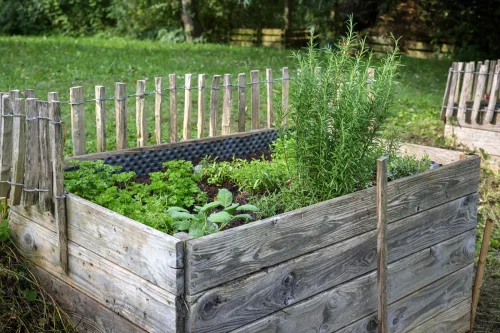
Winter is crucial for raised beds and most people skip the pest prevention step
Your raised beds don’t go dormant just because winter arrives. A few quick, well-timed tasks now will protect the soil, discourage pests, and set you up for a smoother, more productive spring.
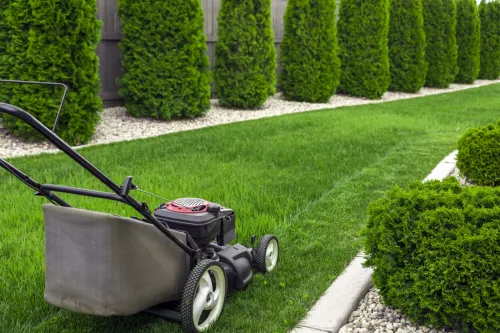
When to Mow the Lawn for the Last Time Before Winter
There’s no universal date for the season’s final mow—your lawn and the weather will tell you. Time it just ahead of hard frost and leave the grass slightly higher to help it overwinter healthier and bounce back faster in spring.
Oleander Still Needs Water in Winter and a Common Mistake Can Cost It Its Roots
Oleander is tough in summer heat, but winter cold can quickly damage roots and shoots if it isn’t prepared properly. Timely protection, sensible watering, and the right overwintering spot make all the difference.
Comments (0)
Be the first to comment.