
 English
  Polski
  Deutsch
  Nederlands
  Svenska
  Norsk
Norsk  Dansk
Dansk  Français
  Italiano
  Español
  Português
  Slovenčina
  Suomi
Suomi  Gaeilge
 The Forgotten Medlar, an Old Fruit Gem for the Modern Garden
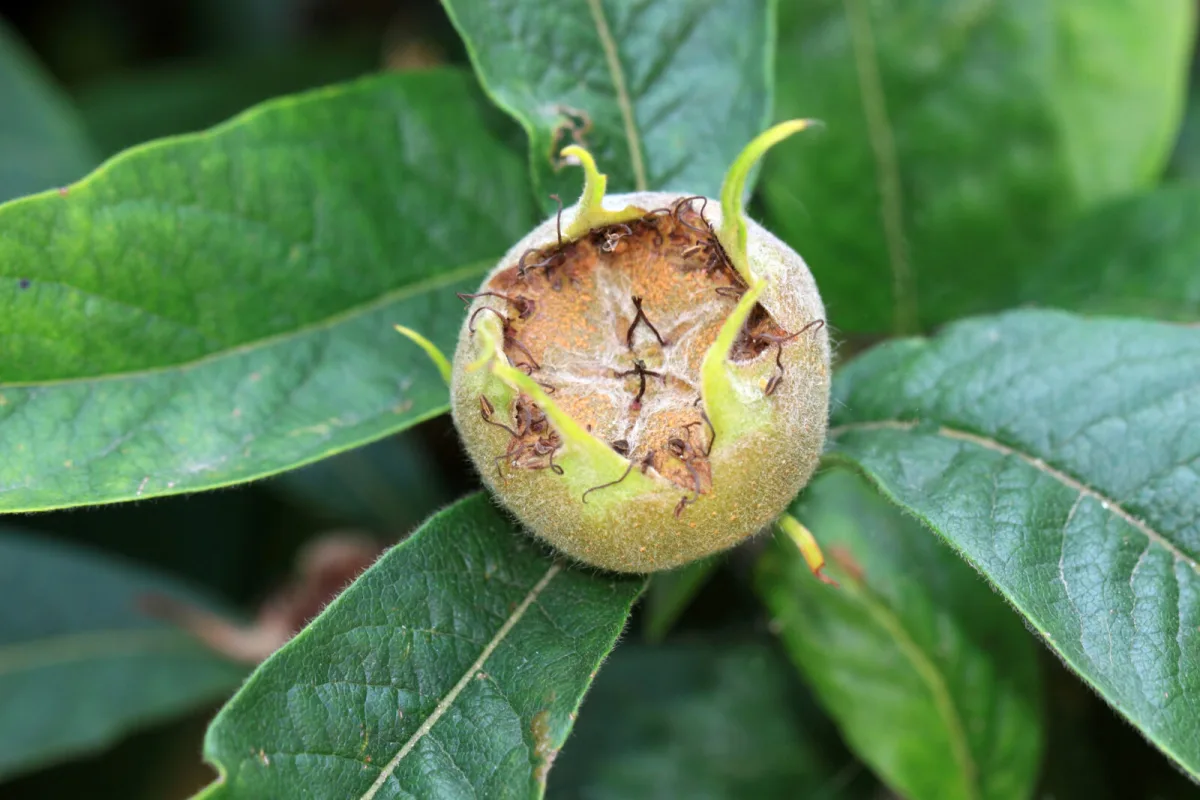
Common medlar, Mespilus germanica, is one of those woody plants that used to be almost a given in gardens and orchards. In the Middle Ages its fruit was commonly eaten and preserved, but over time it was pushed aside by more widely grown fruits. Today, medlar is coming back into the spotlight because it combines several advantages at once. It has an intriguing flavour, a surprisingly good nutritional profile, and it doesn’t demand complicated care. For many people it’s also appealing because it’s a slightly forgotten tradition that can easily be brought back into everyday growing.
The fruits contain fibre, vitamin C and other beneficial compounds including tannins and antioxidants. This combination of nutrition and easy-going cultivation makes medlar a great choice for gardeners who don’t want to spend the season constantly spraying and battling pests.
What medlar looks like through the year
Medlar usually grows as a small tree or a large shrub with a naturally rounded crown. Most commonly it reaches about 3 to 5 metres, so it fits into a smaller garden without shading the whole plot. In spring it stands out with showy white flowers that can resemble wild pear blossom. They give the tree ornamental value and can also attract pollinators.
In autumn, the characteristic brownish fruits appear, shaped a bit like small apples. A typical feature is the open calyx at the end, which makes medlar instantly recognisable. To some, the fruit looks unusual, almost exotic, yet it’s a tree that’s perfectly at home in our climate and comes through winter without trouble.
Site and soil that suit medlar
One of medlar’s biggest strengths is its adaptability. It performs best in full sun, but it will tolerate light partial shade, which broadens your planting options. It also does well on slopes and in drier spots where some fruit trees struggle. If you want a tree that won’t need constant watering yet still won’t give up on cropping, medlar is a strong candidate.
As for soil, it prefers free-draining ground, typically loam to sandy loam. It will cope with slightly calcareous conditions too. This isn’t a tree that demands regular feeding; in fact, it often grows well without intensive fertilising. The key for growers is to avoid long-term waterlogging and to ensure the roots have enough air.
Resistance to frost, diseases and pests
Medlar is known for its toughness. It handles winter very well, with frost hardiness quoted down to around -25 °C. On top of that, it’s generally little affected by diseases and pests, so it’s suitable for anyone who wants to grow fruit with minimal chemical input. This makes it a good choice not only for traditional gardens, but also for wildlife-friendly and edible gardens where resilience and diversity are key.
Planting medlar simply, without unnecessary mistakes
The best time to plant is usually autumn or early spring. The young tree then has a better chance to root well before summer drought or winter swings arrive. When planting, it’s enough to dig a hole about 40 cm deep and roughly 50 cm wide, so the roots have space to spread out. After setting the tree in place, thorough watering is important.
In the first year after planting, the main thing is to make sure the soil doesn’t dry out completely, especially if there’s a longer spell without rain. After that, medlar generally manages much more independently. You’ll need patience for the first fruit; a crop typically appears after about 3 to 4 years, depending on conditions and the vigour of the plant.
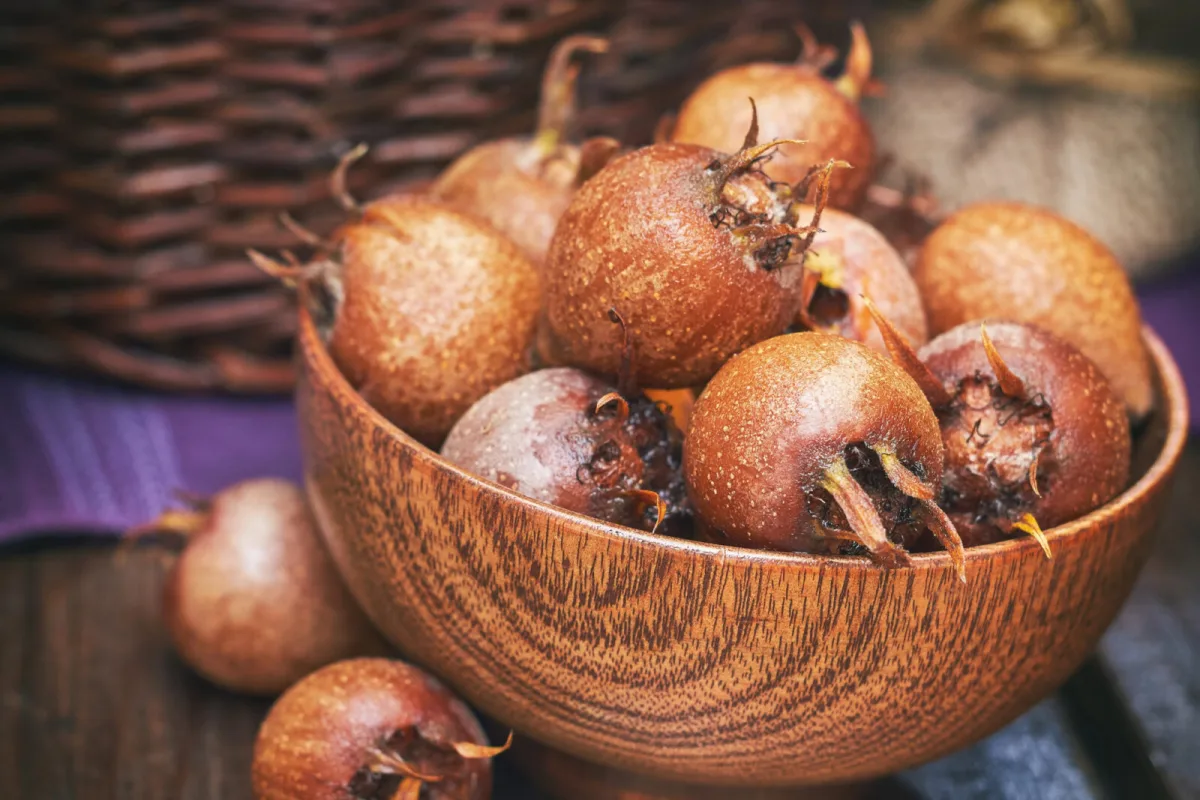
When to harvest and why medlars aren’t eaten straight after picking
Harvest usually comes around late October into November. The crucial point is to remember that freshly picked fruit isn’t at its best for eating. It tends to be firm and noticeably astringent. Medlars need to “blet” first, meaning they should be left for a few weeks somewhere cool and dry until they soften and the flesh turns sweeter and more paste-like.
Only after this ripening does the typical flavour show itself. It’s often compared to apple purée, sometimes with a gentle winey or lightly spiced note. This transformation is what many growers find most fascinating, because it’s a fruit that requires time and rewards you with something pleasantly out of the ordinary.
Kitchen uses and traditional experience with benefits
Once the fruits have softened, you can eat them as they are, or process them further. They’re ideal for purée, jams and homemade drinks such as liqueurs, and in some households they’re also made into wine. Thanks to their natural flavour, they work well whenever you want an interesting fruity base without complicated recipes.
Medlar is valued for its fibre, vitamin C and antioxidants. In folk tradition it’s mentioned as a fruit used to support digestion, for constipation, and as a strengthening addition in times of fatigue. It’s sensible, however, to take these accounts as inspiration from the past and keep perspective—everyone responds differently, and for health concerns a professional consultation is the right place to start.
Why give medlar a chance right now
Medlar combines ornamental value, practical use, and a piece of history. It’s a tree that doesn’t take up much space, yet in spring it delights with blossom and in autumn it offers a harvest you almost never see in ordinary shops. The biggest advantage is that it doesn’t need complicated intervention: it just wants a sensible site, a bit of sun, and patience—both while waiting for the first crop and while letting the fruit blet afterwards.
If you’re looking for something distinctive that still fits our conditions and brings more variety into the garden, medlar is a choice that makes sense. It can enrich the table, add character to the garden, and remind us that some old fruit trees still have a surprising amount to offer today.
Source: Rhs, Plantura Magazine , Pestrazahrada.cz
Related articles
Don’t Prune Hydrangeas in October
Tidying the garden in autumn is tempting, but October pruning can cost your hydrangeas next year’s flowers. Only two light interventions make sense this time of year; everything else is best left until the right season.
A Pineapple Top Will Root in Two Weeks, but Success Depends on the Step Most People Skip
Don’t throw away the leafy crown when you cut a pineapple. With the right prep, light, warmth and careful watering, you can root it and grow a houseplant that may eventually fruit.
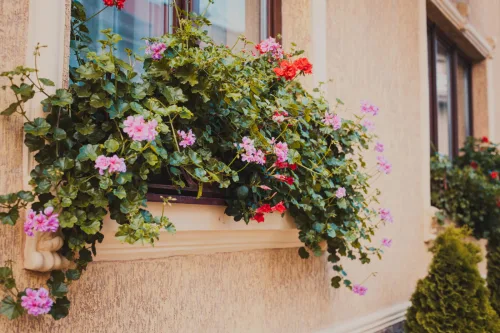
Overwintering Geraniums in a Box Ensures Stronger Growth and More Abundant Spring Bloom
Many people throw balcony geraniums away after the season, even though they can overwinter very well. Stored correctly in a box in cool, dark, dry conditions, they’ll come back stronger and flower generously in spring.
Comments (0)
Be the first to comment.